
Posts Tagged ‘ISF Template’
Do I Have To File ISF For Household Scales

If you’re wondering whether you need to file an ISF (Importer Security Filing) for household scales, the answer is no. Household scales are considered personal items and do not fall under the requirements for ISF filing. This means you can skip the paperwork and extra steps when it comes to importing these common household items. Just make sure to adhere to any other customs regulations and restrictions to ensure a smooth import process. Do I Have To File ISF For Household Scales?
When it comes to importing household scales into the United States, you may be wondering if you need to file an Importer Security Filing (ISF). The ISF, also known as 10+2, is a mandatory requirement for ocean shipments into the US. In this detailed guide, we will break down whether or not you need to file ISF for household scales, what information is required, and how to ensure compliance with this regulation.

What is ISF and Why is it Required?
ISF stands for Importer Security Filing, and it is a regulation implemented by the US Customs and Border Protection (CBP) to enhance security measures for ocean cargo entering the United States. The ISF requires importers to provide specific information about their shipments before they are loaded onto the vessel overseas. This allows CBP to assess any potential risks associated with the cargo and take necessary actions to ensure the safety and security of the US.
Why is ISF Important for Household Scales?
Even though household scales may seem like harmless items, they can still pose security risks if not properly monitored. By filing an ISF for household scales, importers can provide CBP with vital information about the shipment, such as the contents, origin, and destination. This allows CBP to identify any potential threats and take appropriate measures to mitigate risks.
Do You Need to File ISF for Household Scales?
The short answer is yes, you do need to file an ISF for household scales if they are being imported into the US via ocean freight. The ISF must be filed at least 24 hours before the cargo is loaded onto the vessel overseas. Failure to comply with this requirement can result in penalties, delays, and even the refusal of entry into the US.
What Information is Required in an ISF for Household Scales?
When filing an ISF for household scales, you will need to provide the following information:
- Importer of Record Number: This is your CBP-assigned number or Employer Identification Number (EIN).
- Consignee Number: The party to whom the goods are being shipped.
- Seller/Supplier: The entity that sold the goods or the manufacturer.
- Buyer/Owner: The party that owns the goods or has a financial interest in them.
- Ship-to Party: The location where the goods are being delivered.
- Manufacturer (or Supplier) Name and Address: The name and address of the entity that produced the goods.
- Country of Origin: The country where the goods were manufactured.
- HTSUS Number: The Harmonized Tariff Schedule of the United States number for the goods.
- Container stuffing location: The location where the goods were stuffed into the container.
- Consolidator: The party responsible for consolidating the shipment.
- House Bill of Lading Number: The unique identifier for the shipment.
- Vessel Stow Plan: Information about how the cargo will be stowed on the vessel.
How to File ISF for Household Scales?
Filing an ISF for household scales is a straightforward process that can be done electronically through a customs broker or a self-filing software. Here are the steps to file an ISF for household scales:
- Gather Information: Collect all the necessary information listed above.
- Choose a Filing Method: Decide whether you will file through a customs broker or use self-filing software.
- Submit Information: Enter the required information into the ISF form and submit it electronically.
- Receive Confirmation: Once the ISF is submitted, you will receive a confirmation of acceptance from CBP.
- Monitor Shipment: Keep track of your shipment and communicate with the carrier to ensure smooth processing.
Penalties for Not Filing ISF for Household Scales
If you fail to file an ISF for household scales, you may face severe consequences, including:
- Penalties: CBP can issue monetary penalties for not filing an ISF or filing an inaccurate ISF.
- Cargo Holds: Your cargo may be held at the port until the ISF is filed and processed.
- Delays: Failure to comply with ISF requirements can result in delays in the clearance of your shipment.
- Entry Denial: In extreme cases, CBP can deny entry of your shipment into the US.
How to Avoid Penalties
To avoid penalties for not filing ISF for household scales, make sure to:
- File On Time: Ensure that you file the ISF at least 24 hours before the cargo is loaded onto the vessel.
- Provide Accurate Information: Double-check all the information provided in the ISF for accuracy.
- Communicate: Stay in touch with your customs broker and the carrier to address any issues promptly.
Conclusion
In conclusion, filing an Importer Security Filing (ISF) for household scales is a mandatory requirement when importing them into the United States via ocean freight. By providing CBP with detailed information about your shipment, you not only comply with regulations but also contribute to the safety and security of the US. Make sure to file your ISF on time, provide accurate information, and communicate effectively to avoid penalties and delays in the clearance of your household scales.
Do I Have To File ISF For Coat Stands

If you’re wondering whether you need to file an Importer Security Filing (ISF) for coat stands, the answer is yes. Even though coat stands may seem like a simple household item, they are considered a form of furniture and fall under the regulations for ISF filing. By submitting the required information to Customs and Border Protection in advance, you can ensure smooth customs clearance for your imported coat stands. So don’t forget to include them in your ISF filing to avoid any delays or penalties. Do I Have To File ISF For Coat Stands?
Have you ever wondered if you need to file an Importer Security Filing (ISF) for coat stands? With the complexity of international shipping regulations, it can be confusing to understand what items require this documentation. In this article, we will dive into whether coat stands fall under the category of products that need ISF filing.
What is ISF?
ISF, also known as 10+2, is a U.S. Customs and Border Protection (CBP) regulation that requires importers and vessel carriers to provide specific information about their cargo before it is loaded onto a vessel bound for the United States. This information is crucial for CBP to assess the security risks associated with incoming cargo and ensure the safety of the country.
Understanding ISF Documentation
ISF documentation includes details such as the shipper’s information, consignee’s information, manufacturer or supplier information, and buyer information. It also requires a complete and accurate description of the goods being imported, the ship’s stow plan, the container stuffing location, and the consolidator’s name and address.
So, where do coat stands fit into these requirements?
Are Coat Stands Subject to ISF Filing?
When determining whether you need to file an ISF for coat stands, you must consider the value and nature of the product. Coat stands are typically considered to be low-value items and are not typically flagged for security concerns. However, they are subject to customs regulations, and therefore, may require an ISF filing depending on the specifics of the shipment.
Value of Coat Stands
The value of the coat stands you are importing is a critical factor in determining whether an ISF filing is necessary. CBP defines low-value shipments as those with a Customs value of less than $2,500. If your coat stands fall below this threshold, they may not need an ISF filing. However, it is essential to check with your customs broker or freight forwarder to confirm this exemption.
Nature of the Product
While coat stands may not pose a security risk, they are still subject to customs regulations. Certain commodities are exempt from ISF filing, but it is essential to verify whether coat stands are included in this exemption list. Always consult with a customs expert to ensure compliance with all import requirements.

How to File ISF for Coat Stands
If you determine that your coat stands require an ISF filing, the process can be straightforward with the right support. Here are the steps you need to take:
Identify Your Importer Number
You will need an Importer of Record (IOR) number to file an ISF. If you do not have an IOR number, you must obtain one from CBP before proceeding with the filing.
Collect Required Information
Gather all the necessary information about your coat stands, including the shipper’s details, consignee information, description of the goods, and other required data.
Submit ISF Filing
You can submit your ISF filing through an approved electronic data interchange (EDI) system or through a customs broker. Ensure that all information is accurate to avoid delays or penalties.
Monitor Status
Once you have filed your ISF, it is essential to monitor the status of your filing. Make sure it has been accepted by CBP and that all information is correct.
Penalties for Non-Compliance
Failing to file an ISF for coat stands can result in significant penalties and delays in your shipment. CBP may issue fines for late or inaccurate filings, which can impact your business’s bottom line. To avoid these consequences, it is crucial to understand and comply with all ISF requirements.
Financial Penalties
CBP can impose fines of up to $5,000 per violation for non-compliance with ISF regulations. These penalties can quickly add up if you have multiple shipments that do not meet the filing requirements.
Shipment Delays
In addition to financial penalties, non-compliance with ISF requirements can lead to delays in your shipments. CBP may hold your cargo at the port until all necessary documentation is provided, which can result in additional storage fees and operational disruptions.
Conclusion
In conclusion, whether you need to file an ISF for coat stands depends on various factors, including the value and nature of the product. While coat stands may not typically raise security concerns, they are subject to customs regulations and may require an ISF filing. It is crucial to assess your specific situation and consult with customs experts to ensure compliance with all import requirements. By understanding the ISF process and potential penalties for non-compliance, you can streamline your import operations and avoid costly mistakes.
Who File ISF For Machine Oil Purifier

So, you’ve decided to get a machine oil purifier for your workshop or industrial space, but now you’re wondering who exactly needs to file the Importer Security Filing (ISF) for it. Well, the responsibility typically falls on the importer or their customs broker. This filing is important for ensuring the safe and secure entry of your equipment into the country. By understanding the process and who is responsible, you can streamline the importing process and avoid any delays or complications. Hey there! Have you ever wondered who files ISF for machine oil purifier? Well, look no further because I’ve got all the information you need right here. Let’s break it down together!

What is ISF and Why is it Important for Machine Oil Purifiers?
ISF stands for Importer Security Filing, a program implemented by U.S. Customs and Border Protection (CBP) to enhance the security of imported goods. It requires importers to provide specific information about their shipments before they arrive in the United States. For machine oil purifiers, ISF is crucial to ensure smooth customs clearance and compliance with regulations.
Why do you need to file ISF for Machine Oil Purifiers?
Filing ISF for machine oil purifiers is essential because it allows CBP to assess the security risk of imported goods before they reach U.S. ports. By providing detailed information about the shipment, such as the manufacturer, shipper, and consignee, importers help CBP identify high-risk cargo and prevent potential security threats. Failure to file ISF accurately and on time can result in penalties and delays in customs clearance.
Who is Responsible for Filing ISF for Machine Oil Purifiers?
When it comes to filing ISF for machine oil purifiers, the responsibility usually falls on the importer or their authorized agent. The importer is the party who brings the goods into the United States and is legally responsible for the accuracy and timeliness of the information provided in the ISF.
Do you need a Customs Broker to File ISF for Machine Oil Purifiers?
While importers can file ISF themselves, many choose to work with a licensed Customs Broker to ensure compliance with regulations and avoid any mistakes that could lead to penalties. Customs Brokers are experts in navigating the complexities of customs clearance and can help importers file ISF accurately and on time.
Can the Manufacturer or Supplier File ISF for Machine Oil Purifiers?
In some cases, the manufacturer or supplier of machine oil purifiers may also be responsible for filing ISF. However, this arrangement must be agreed upon between the importer and the manufacturer/supplier before the shipment is made. It’s essential to clarify the responsibilities and ensure that ISF is filed correctly to avoid any issues with customs clearance.
How to File ISF for Machine Oil Purifiers?
Filing ISF for machine oil purifiers involves providing specific information about the shipment to CBP through the Automated Broker Interface (ABI) or the Automated Manifest System (AMS). Here’s a step-by-step guide on how to file ISF for your machine oil purifiers:
-
Gather Required Information: Before filing ISF, make sure you have all the necessary information about the shipment, including the manufacturer, shipper, and consignee details, as well as the Harmonized Tariff Schedule (HTS) code for the machine oil purifiers.
-
Submit ISF Filing: Log in to the Automated Commercial Environment (ACE) portal and submit the ISF filing for your machine oil purifiers. Ensure that all information provided is accurate and up-to-date to avoid any discrepancies.
-
Review Confirmation: Once the ISF is filed, review the confirmation receipt to ensure that all details are correct. If there are any errors or missing information, make the necessary corrections before the shipment arrives in the U.S.
-
Monitor Shipment: Keep track of your machine oil purifier shipment and communicate with your Customs Broker or the manufacturer/supplier to address any issues that may arise during transit.
ISF Filing Timeline for Machine Oil Purifiers
To ensure compliance with CBP regulations, importers must file ISF for machine oil purifiers according to specific timelines. Here’s a breakdown of the ISF filing timeline for machine oil purifiers:
- ISF-10: File at least 24 hours before the vessel departs from the last foreign port.
- ISF-5: File at least 24 hours before the cargo is loaded onto the vessel at the foreign port.
Failure to comply with the ISF filing timelines can result in penalties, delays in customs clearance, and possible holds on your machine oil purifier shipment.
Common Mistakes to Avoid When Filing ISF for Machine Oil Purifiers
Filing ISF for machine oil purifiers can be a complex process, and there are several common mistakes that importers should avoid to ensure smooth customs clearance. Here are some of the most common mistakes to watch out for:
Incorrect Information
Providing inaccurate information in the ISF, such as incorrect manufacturer or shipper details, can lead to delays in customs clearance and penalties. Make sure to double-check all information before submitting the ISF for your machine oil purifiers.
Late Filing
Missing the ISF filing deadlines can result in penalties and holds on your machine oil purifier shipment. It’s crucial to file ISF within the specified timelines to avoid any issues with customs clearance.
Failure to Update Information
If there are any changes to the shipment details after filing the ISF, such as a change in the consignee or shipper, it’s essential to update the information with CBP. Failure to do so can lead to discrepancies and delays in customs clearance.
Not Working with a Customs Broker
While importers can file ISF themselves, working with a licensed Customs Broker can help avoid mistakes and ensure compliance with regulations. Customs Brokers are experts in customs clearance procedures and can provide valuable assistance in filing ISF for machine oil purifiers.
Conclusion
Filing ISF for machine oil purifiers is a crucial step in ensuring smooth customs clearance and compliance with CBP regulations. By providing accurate and timely information about your shipment, you help CBP assess the security risks of imported goods and prevent potential threats. Remember to work with a licensed Customs Broker to navigate the complexities of customs clearance and avoid any mistakes that could result in penalties or delays. Happy importing!
Where To File ISF For Women’s Perfume

In this article, you will learn about the process of filing an Importer Security Filing (ISF) for women’s perfume. Understanding where to file ISF is essential to ensure a smooth and efficient import process. By following the correct steps and guidelines, you can avoid any delays or complications with your shipment of women’s perfume. Let’s dive into the details of where and how to file ISF for this popular product. Have you recently purchased a lovely bottle of women’s perfume from overseas and are now wondering where to file the Importer Security Filing (ISF) for it? Look no further! In this comprehensive guide, we will walk you through the process of filing ISF for women’s perfume, ensuring a smooth and hassle-free importation experience. Let’s dive in!

What is an Importer Security Filing (ISF)?
So, what exactly is an Importer Security Filing (ISF)? Put simply, ISF is a mandatory electronic submission of key cargo information to U.S. Customs and Border Protection (CBP) prior to the shipment’s arrival in the United States. This filing is designed to enhance border security and improve the CBP’s ability to assess the risk of potential threats.
Why is ISF Important for Women’s Perfume?
Now, you might be wondering why ISF is important specifically for women’s perfume. The truth is, any goods being imported into the United States, including women’s perfume, are required to have an ISF filed for them. By ensuring that the necessary information is submitted accurately and in a timely manner, you can avoid costly penalties and delays in customs clearance.
When Should You File ISF for Women’s Perfume?
Timing is crucial when it comes to filing ISF for women’s perfume. The ISF must be submitted no later than 24 hours prior to the cargo being loaded onto the vessel bound for the United States. Failure to file or filing an incomplete ISF can result in penalties, so it’s essential to adhere to the deadline.
Key Timing Considerations for ISF Filing
It’s important to note that the clock starts ticking as soon as the carrier (usually the ocean freight forwarder) receives the cargo information. As the importer, it is your responsibility to ensure that the ISF is filed within the required timeframe to avoid any issues.
Where Can You File ISF for Women’s Perfume?
Now that you understand the importance of filing ISF for women’s perfume and the timing considerations involved, let’s discuss where you can actually file the ISF. There are a few options available to importers when it comes to submitting the required information to CBP.
Filing ISF Yourself
One option is to file the ISF yourself through the ACE Secure Data Portal, which is CBP’s online system for submitting import-related data. While this option requires some technical knowledge and understanding of the filing process, it allows you to have full control over the information submitted.
Employing a Customs Broker
Another popular option is to enlist the services of a licensed customs broker to file the ISF on your behalf. Customs brokers are well-versed in import regulations and can ensure that the ISF is accurately completed and submitted in a timely manner. This option can be especially helpful if you are unfamiliar with the filing process or simply prefer to leave it in the hands of a professional.
Working with a Freight Forwarder
If you are using a freight forwarder to handle the transportation of your women’s perfume, they may also offer ISF filing services as part of their package. This can be a convenient option, as the freight forwarder will already have the necessary shipment information and can streamline the filing process for you.
What Information is Required for ISF Filing?
Before you file the ISF for your women’s perfume, it’s important to gather all the necessary information to ensure a smooth filing process. The following are some key pieces of information that you will need to provide when submitting the ISF:
Shipper Information
This includes details such as the shipper’s name, address, and contact information. The shipper is the party responsible for shipping the goods to the United States, so accurate shipper information is crucial for the ISF.
Consignee Information
The consignee is the party to whom the women’s perfume is being shipped. Consignee information such as name, address, and contact details must be accurately provided for the ISF.
Manufacturer Information
You will also need to provide information about the manufacturer of the women’s perfume, including their name and address. This information helps CBP verify the origin and authenticity of the goods being imported.
Seller Information
If the women’s perfume was purchased from a different entity than the shipper, you will need to provide details about the seller. This could include information such as their name, address, and contact information.
Container Stuffing Location
The location where the container carrying the women’s perfume was stuffed is another important piece of information required for the ISF. This helps CBP track the movement of the cargo and ensure compliance with import regulations.
Harmonized Tariff Schedule (HTS) Code
The HTS code identifies the specific classification of the women’s perfume being imported. This code helps CBP determine the duty rate and any applicable trade restrictions related to the goods.
Bill of Lading Number
The Bill of Lading number is a unique identifier for the shipment of women’s perfume and is essential for linking the ISF to the cargo. Providing an accurate Bill of Lading number is crucial for proper cargo tracking.
How to Avoid Common Mistakes When Filing ISF for Women’s Perfume
Filing ISF for women’s perfume can be a complex process, and even small errors can lead to costly penalties and delays. To help you avoid common mistakes, here are some tips to consider when submitting the ISF:
Double-Check Information
Before submitting the ISF, be sure to double-check all the information provided for accuracy. Any mistakes in shipper, consignee, or other essential details can result in delays in customs clearance.
Use the Correct HTS Code
Using the correct Harmonized Tariff Schedule (HTS) code for the women’s perfume is crucial for determining the duty rate and complying with import regulations. Make sure to verify the HTS code with the manufacturer or customs broker.
File On Time
Adhering to the 24-hour deadline for filing ISF is critical to avoid penalties and delays. Be proactive in gathering the required information and submitting the ISF within the specified timeframe.
Seek Professional Assistance
If you are unsure about the ISF filing process or encounter any difficulties, don’t hesitate to seek the help of a licensed customs broker or freight forwarder. Their expertise can help ensure a smooth and accurate filing process.
Final Thoughts
Filing ISF for women’s perfume may seem like a daunting task, but with the right information and preparation, you can navigate the process successfully. By understanding the key requirements, timing considerations, and common mistakes to avoid, you can ensure a seamless importation experience for your lovely bottle of perfume. Remember, attention to detail and compliance with regulations are key to a successful ISF filing. Happy importing!
Why Should I File ISF For Fashion Clip-on Earrings

If you are importing fashion clip-on earrings, filing an Importer Security Filing (ISF) is crucial for ensuring a smooth customs clearance process. ISF helps to provide advance information to Customs and Border Protection, allowing them to assess any potential risks associated with the shipment. By filing ISF for fashion clip-on earrings, you can avoid delays, penalties, and other issues that may arise during the importing process. It’s a simple step that can save you time and money in the long run. Have you ever wondered why it’s important to file an Importer Security Filing (ISF) for fashion clip-on earrings? Well, you’ve come to the right place! In this article, we’ll explore the reasons why ISF is crucial for fashion clip-on earrings and how it can benefit you as a business owner or importer. Let’s dive in!
Understanding the Importer Security Filing (ISF)
ISF, also known as 10+2, is a mandatory filing requirement by U.S. Customs and Border Protection (CBP) for ocean cargo entering the United States. The ISF consists of 10 data elements provided by the importer, and 2 data elements provided by the carrier. This information helps CBP assess the security risk of cargo before it arrives in the country.
Filing ISF is vital when importing fashion clip-on earrings as it ensures that your shipment is compliant with CBP regulations. By submitting accurate and timely information, you can avoid penalties, shipment delays, and other issues that may arise during the import process.
Benefits of Filing ISF for Fashion Clip-on Earrings
Filing ISF for your fashion clip-on earrings can bring several benefits to your business. Firstly, it allows you to demonstrate compliance with CBP regulations and avoid costly penalties. Additionally, having your ISF on file can expedite the customs clearance process, leading to faster shipment delivery times.
By providing the necessary information upfront, you can also enhance the security of your cargo and reduce the risk of inspection by CBP. This can help prevent potential delays and ensure that your fashion clip-on earrings reach their destination in a timely manner.
Required Information for Filing ISF for Fashion Clip-on Earrings
When filing ISF for fashion clip-on earrings, it’s essential to provide accurate and detailed information to CBP. Here are some of the key data elements required for ISF filing:
| Data Element | Description |
|---|---|
| Manufacturer | Name and address of the manufacturer of the earrings |
| Ship to Party | Name and address of the party receiving the shipment |
| Consignee | Name and address of the party receiving the cargo |
| Country of Origin | Country where the earrings were manufactured |
| HTS Code | Harmonized Tariff Schedule code for the earrings |
| Bill of Lading Number | Identification number for the shipment |
| Container Stuffing Location | Location where the cargo was loaded into the container |
| Consolidator | Name and address of the freight consolidator |
| Buyer | Name and address of the buyer of the earrings |
| Seller | Name and address of the seller of the earrings |
Providing these data elements accurately and promptly is crucial for ISF filing for fashion clip-on earrings. This information helps CBP assess the security risk of your cargo and ensure compliance with import regulations.
Tips for Filing ISF for Fashion Clip-on Earrings
To ensure a smooth ISF filing process for your fashion clip-on earrings, consider the following tips:
- Double-check all data elements for accuracy before submitting your ISF.
- Submit your ISF well in advance of the shipment arrival to avoid delays.
- Communicate with your customs broker or freight forwarder for assistance with ISF filing.
- Keep records of your ISF submissions for future reference and audit purposes.

Penalties for Non-compliance with ISF Requirements
Failing to comply with ISF requirements for fashion clip-on earrings can result in significant penalties and consequences for your business. CBP may impose penalties for late or inaccurate ISF filings, which can range from fines to shipment holds and even cargo seizure.
To avoid these penalties, it’s crucial to adhere to ISF requirements and submit accurate information in a timely manner. By doing so, you can ensure that your fashion clip-on earrings shipments are compliant with CBP regulations and avoid potential financial repercussions.
Examples of ISF Penalties
Here are some examples of penalties that may be imposed for non-compliance with ISF requirements:
- Late filing penalty: Up to $5,000 per shipment for ISF filings submitted after the cargo has departed from the origin port.
- Inaccurate filing penalty: Up to $5,000 per shipment for ISF filings with incorrect or incomplete information.
- Non-compliance penalty: Up to $5,000 per shipment for failure to file ISF altogether.
By understanding the potential penalties for non-compliance with ISF requirements, you can take the necessary steps to ensure that your fashion clip-on earrings shipments are in compliance with CBP regulations.
How to File ISF for Fashion Clip-on Earrings
Filing ISF for fashion clip-on earrings may seem daunting at first, but with the right information and resources, you can streamline the process. Here’s a step-by-step guide on how to file ISF for your fashion clip-on earrings:
- Gather Required Information: Collect all necessary data elements for ISF filing, including information about the manufacturer, buyer, consignee, and shipment details.
- Work with a Customs Broker: Consult with a licensed customs broker or freight forwarder to assist you with ISF filing and ensure compliance with CBP regulations.
- Submit ISF Electronically: File your ISF electronically through the Automated Broker Interface (ABI) or another approved electronic filing system.
- Track ISF Progress: Monitor the status of your ISF submission and address any issues or discrepancies promptly to avoid penalties.
- Keep Records: Maintain records of your ISF filings for future reference and audit purposes.
By following these steps and working closely with your customs broker or freight forwarder, you can successfully file ISF for your fashion clip-on earrings and ensure a smooth import process.
Importance of Working with a Customs Broker
Partnering with a licensed customs broker or freight forwarder is essential when filing ISF for fashion clip-on earrings. These professionals have the expertise and experience to navigate complex customs regulations and ensure that your ISF filings are accurate and compliant.
A customs broker can help you gather the necessary information, submit your ISF electronically, and address any issues that may arise during the import process. By working with a customs broker, you can streamline the ISF filing process and avoid potential penalties for non-compliance.
Conclusion
In conclusion, filing ISF for fashion clip-on earrings is crucial for demonstrating compliance with CBP regulations, enhancing cargo security, and avoiding penalties for non-compliance. By providing accurate and timely information, you can expedite the customs clearance process, reduce the risk of inspection, and ensure that your fashion clip-on earrings reach their destination without delays.
If you’re an importer of fashion clip-on earrings, it’s essential to understand the requirements and benefits of ISF filing to navigate the import process successfully. By following the tips and guidelines outlined in this article, you can file ISF for your fashion clip-on earrings with confidence and ensure a smooth import experience.
How To File ISF For Mascara Brushes

If you’re in the business of importing mascara brushes, it’s important to understand the process of filing an Importer Security Filing (ISF) to avoid any delays or penalties. By providing accurate and timely information about your shipment, you can ensure a smooth customs clearance process and get your products to market quickly. This article will guide you through the steps of filing ISF for mascara brushes, from gathering necessary information to submitting the filing with U.S. Customs and Border Protection. Pay attention to deadlines and requirements to streamline your importing process and minimize risks.
Have you ever wondered how to properly file an Importer Security Filing (ISF) for mascara brushes? Well, you’ve come to the right place! In this article, we will guide you through the process step by step to ensure your mascara brushes are imported smoothly and legally. Let’s dive right in!

What is ISF and Why is it Important?
So, first things first – what exactly is an Importer Security Filing and why is it crucial for importing goods into the United States? Well, ISF is a mandatory filing requirement implemented by U.S. Customs and Border Protection (CBP) to enhance security and streamline the importation process. It consists of 10 data elements that must be submitted at least 24 hours before the cargo is loaded onto a vessel bound for the U.S.
Ensuring that your ISF is filed accurately and on time is essential as failure to comply can result in hefty fines, shipment delays, or even cargo seizures. Therefore, understanding the ISF requirements is crucial for importing mascara brushes or any other goods.
Why is Filing ISF for Mascara Brushes Important?
When importing mascara brushes, it’s crucial to file the ISF accurately to avoid any unnecessary delays or penalties. The ISF data provides CBP with vital information about the imported goods, allowing them to assess security risks and facilitate the clearance process smoothly.
As mascara brushes are considered cosmetics, they are subject to specific regulations and requirements set by CBP and other government agencies. Filing the ISF correctly ensures compliance with these regulations and helps prevent any issues during the importation process.

Steps to File ISF for Mascara Brushes
Now that you understand the importance of filing ISF for your mascara brushes, let’s walk through the step-by-step process to ensure a smooth and successful importation.
Step 1: Obtain an Importer Number
The first step in filing ISF for mascara brushes is to obtain an Importer Number (also known as an Importer of Record Number) from CBP. This number is essential for identifying and tracking your shipments, and you will need it to submit the ISF.
If you don’t already have an Importer Number, you can apply for one through CBP’s Automated Commercial Environment (ACE) portal or by contacting your customs broker. Make sure to have all the necessary documentation and information ready to expedite the process.
Step 2: Gather Required Information
Once you have your Importer Number, the next step is to gather all the required information for filing the ISF for your mascara brushes. This includes:
- Manufacturer/Supplier Information: Name, address, and contact details of the manufacturer or supplier of the mascara brushes.
- Importer Information: Your company’s name, address, and contact information as the importer of record.
- Carrier Information: Name of the vessel, flight, or other carrier transporting the cargo.
- Container Stuffing Location: Location where the mascara brushes will be loaded into the container.
- Consolidator Information (if applicable): Name and address of the party responsible for consolidating the cargo.
- Buyer Information: If different from the importer, provide the buyer’s name and contact details.
- Seller Information: Name and address of the party selling the mascara brushes.
- HTS Classification: Harmonized Tariff Schedule (HTS) code for mascara brushes.
Make sure to double-check the accuracy of all the information to avoid any discrepancies or errors in the ISF submission.
Step 3: Submit the ISF Data
Once you have gathered all the necessary information, it’s time to submit the ISF data to CBP. This can be done electronically through the ACE portal or through a customs broker. The ISF filing should be completed at least 24 hours before the cargo is loaded onto the vessel.
When submitting the ISF, ensure that all the required data elements are included and accurate. Any missing or incorrect information can lead to penalties or delays in the clearance process. Confirm that the ISF has been accepted by CBP and keep a record of the confirmation number for reference.
Step 4: Monitor and Update the ISF
After submitting the ISF for your mascara brushes, it’s essential to monitor and update the filing as needed. Changes to the shipment, such as delays, transshipments, or cancellations, may require updates to the ISF data.
Keep track of any changes or developments related to your cargo and promptly update the ISF to reflect the most current information. This will help ensure compliance with CBP regulations and facilitate the smooth processing of your cargo upon arrival in the U.S.
Step 5: Ensure Compliance with Regulations
Throughout the importation process, it’s essential to ensure compliance with all relevant regulations and requirements. CBP and other government agencies have specific rules governing the importation of cosmetics, including mascara brushes.
Stay informed about these regulations and make sure that your shipment meets all the necessary requirements. Failure to comply can result in fines, penalties, or even the seizure of your cargo, so it’s crucial to adhere to the rules and regulations governing the importation of mascara brushes.
Common Mistakes to Avoid When Filing ISF for Mascara Brushes
When filing ISF for mascara brushes, it’s essential to be aware of common mistakes that importers often make. By avoiding these pitfalls, you can ensure a smooth and successful importation process.
Mistake 1: Incorrect Information
One of the most common mistakes when filing ISF is providing incorrect or inaccurate information. This can lead to issues with customs clearance, delays in the shipping process, or even penalties from CBP.
To avoid this mistake, double-check all the information you provide in the ISF filing. Make sure that names, addresses, and other data elements are accurate and up to date. Any errors or discrepancies should be corrected before submitting the ISF to CBP.
Mistake 2: Missing the Deadline
Another common mistake importers make when filing ISF is missing the 24-hour deadline before the cargo is loaded onto the vessel. Failure to submit the ISF in a timely manner can result in penalties, delays, or even the refusal of entry by CBP.
To prevent this mistake, ensure that you submit the ISF data at least 24 hours before the cargo is scheduled to be loaded. Set reminders and establish a system to track the filing deadlines to avoid missing the cutoff time.
Mistake 3: Incomplete Filing
Submitting an incomplete ISF filing is another mistake that importers should avoid. CBP requires all 10 data elements to be included in the ISF submission, and any missing information can lead to issues with customs clearance.
When filing ISF for your mascara brushes, make sure that all the required data elements are complete and accurate. Provide detailed and thorough information to CBP to expedite the clearance process and prevent any delays or penalties.
Mistake 4: Lack of Communication
Failure to communicate effectively with your customs broker or other parties involved in the importation process can also lead to mistakes when filing ISF. Clear and open communication is crucial to ensure that all parties are informed and aware of the necessary requirements.
Stay in touch with your customs broker, carriers, and other stakeholders throughout the importation process. Keep them updated on any changes or developments related to your shipment and address any concerns or questions promptly to avoid misunderstandings or errors in the ISF filing.
Conclusion
In conclusion, filing ISF for mascara brushes is a critical step in the importation process that should not be overlooked. By understanding the ISF requirements, gathering the necessary information, and submitting the data accurately and on time, you can ensure a smooth and successful importation of your goods.
Avoid common mistakes such as providing incorrect information, missing deadlines, submitting incomplete filings, or failing to communicate effectively with your customs broker and other parties. By following the steps outlined in this article and being vigilant throughout the importation process, you can navigate the ISF filing process with confidence and compliance.
If you have any questions or need further assistance with filing ISF for your mascara brushes, don’t hesitate to reach out to your customs broker or CBP for guidance. Remember, compliance is key to a hassle-free importation experience, so take the time to get it right from the start. Happy importing!

Why Should I File ISF For Other Scarves & Shawls

You may be wondering why you should bother filing an Importer Security Filing (ISF) for other scarves and shawls, especially when it may seem like a hassle. However, filing ISF for these items is crucial in ensuring that your goods are compliant with customs regulations and can enter the country smoothly. By providing accurate and timely information, you can avoid costly delays and penalties, ultimately saving you time and money in the long run. So, don’t overlook the importance of filing ISF for other scarves and shawls – it’s worth the investment in ensuring a seamless importing process. Have you ever wondered why it’s important to file an Importer Security Filing (ISF) for scarves and shawls? In this article, you will learn the reasons behind this requirement and how it can benefit you when importing these popular fashion accessories. So let’s dive in and explore the world of ISF for scarves and shawls together!
Understanding ISF for Scarves & Shawls
Let’s start with the basics – what exactly is an Importer Security Filing (ISF) and why is it necessary for scarves and shawls? ISF is a mandatory filing requirement enforced by U.S. Customs and Border Protection (CBP) for all ocean shipments entering the United States. This filing must be done by the importer or their authorized agent at least 24 hours before the cargo is loaded onto the vessel.
Why ISF is Required for Scarves & Shawls
The primary purpose of ISF is to enhance the security of the U.S. supply chain by providing CBP with advance information about incoming shipments. This allows CBP to assess any potential security risks and take appropriate measures to ensure the safety of the country. For scarves and shawls, which are often produced overseas and imported in large quantities, ISF helps to prevent illegal or dangerous goods from entering the U.S.
Benefits of Filing ISF for Scarves & Shawls
Now that you understand why ISF is required for scarves and shawls, let’s explore the benefits of complying with this regulation. Filing ISF for your scarf and shawl shipments can have several advantages for both you as the importer and for the overall supply chain.
Avoidance of Penalties
One of the most important benefits of filing ISF for scarves and shawls is that it helps you avoid costly penalties imposed by CBP for non-compliance. Failure to file ISF or filing inaccurately can result in fines ranging from $5,000 to $10,000 per violation. By submitting the required information accurately and on time, you can save yourself from unnecessary financial losses.
Smooth Customs Clearance
Filing ISF for your scarf and shawl shipments ensures that CBP has the necessary information to facilitate a smooth customs clearance process. When CBP receives accurate and timely information through ISF, they can review the shipment details in advance and address any potential issues before the cargo arrives at the port. This can help prevent delays and expedite the release of your goods.
Enhanced Security Measures
By complying with ISF requirements for scarves and shawls, you contribute to the overall security of the U.S. supply chain. Providing CBP with advance information about your shipments allows them to conduct risk assessments and target high-risk cargo more effectively. This helps to prevent security threats and illegal activities, safeguarding the integrity of the import process.

How to File ISF for Scarves & Shawls
Now that you understand the importance and benefits of filing ISF for scarves and shawls, let’s discuss the steps involved in completing this process. Filing ISF requires you to provide specific details about your cargo, so it’s important to ensure that you have all the necessary information before submitting the filing.
Required Information for ISF
When filing ISF for scarves and shawls, you will need to provide the following information:
- Buyer and Seller Information
- Manufacturer (or supplier) Information
- Importer of Record Number
- Consignee Number
- Country of Origin
- HTS Code (Harmonized Tariff Schedule)
- Container Stuffing Location
- Consolidator Information
- Vessel Name and Voyage Number
- Bill of Lading Number
- Shipper Name and Address
- Container Stuffing Location
Ensuring that you have accurate and complete information for each of these categories is essential for a successful ISF filing.
Filing Options for ISF
There are several ways to file ISF for scarves and shawls, depending on your preference and resources. Here are the common filing options available to importers:
-
Self-Filing: As an importer, you can choose to file ISF on your own using the ACE Secure Data Portal or other approved electronic data interchange (EDI) systems. This option gives you full control over the filing process but requires you to be familiar with CBP regulations and guidelines.
-
Freight Forwarder or Customs Broker: Many importers opt to use a licensed freight forwarder or customs broker to handle their ISF filings. These professionals have the expertise and resources to ensure that your filing is accurate and compliant with CBP requirements, saving you time and effort.
-
ISF Filing Service Providers: There are third-party service providers that specialize in ISF filings for importers. These companies offer comprehensive ISF filing services, including data collection, validation, and submission, to help you meet CBP’s requirements without the hassle of doing it yourself.
Common Mistakes to Avoid
When filing ISF for scarves and shawls, it’s important to be aware of common mistakes that can lead to non-compliance and penalties. Here are some pitfalls to avoid:
- Missing the Filing Deadline: Failing to submit ISF at least 24 hours before the cargo is loaded onto the vessel can result in penalties and delays.
- Providing Inaccurate Information: Errors in the ISF data, such as incorrect buyer or seller details or inaccurate HTS codes, can lead to fines and complications during customs clearance.
- Not Updating Changes: If there are any changes to the shipment information after the ISF has been filed, it’s crucial to update the filing to reflect the most current data.
By being mindful of these mistakes and taking proactive steps to prevent them, you can ensure a successful ISF filing process for your scarf and shawl shipments.
Conclusion
In conclusion, filing an Importer Security Filing (ISF) for scarves and shawls is a crucial step in ensuring the security and compliance of your import shipments. By understanding the requirements, benefits, and process of ISF filing, you can safeguard your business against penalties, expedite customs clearance, and contribute to the overall security of the U.S. supply chain. So next time you are importing scarves and shawls, remember the importance of filing ISF and enjoy a smoother and more secure importing experience.
Why Should I File ISF For Meat Product Making Machines
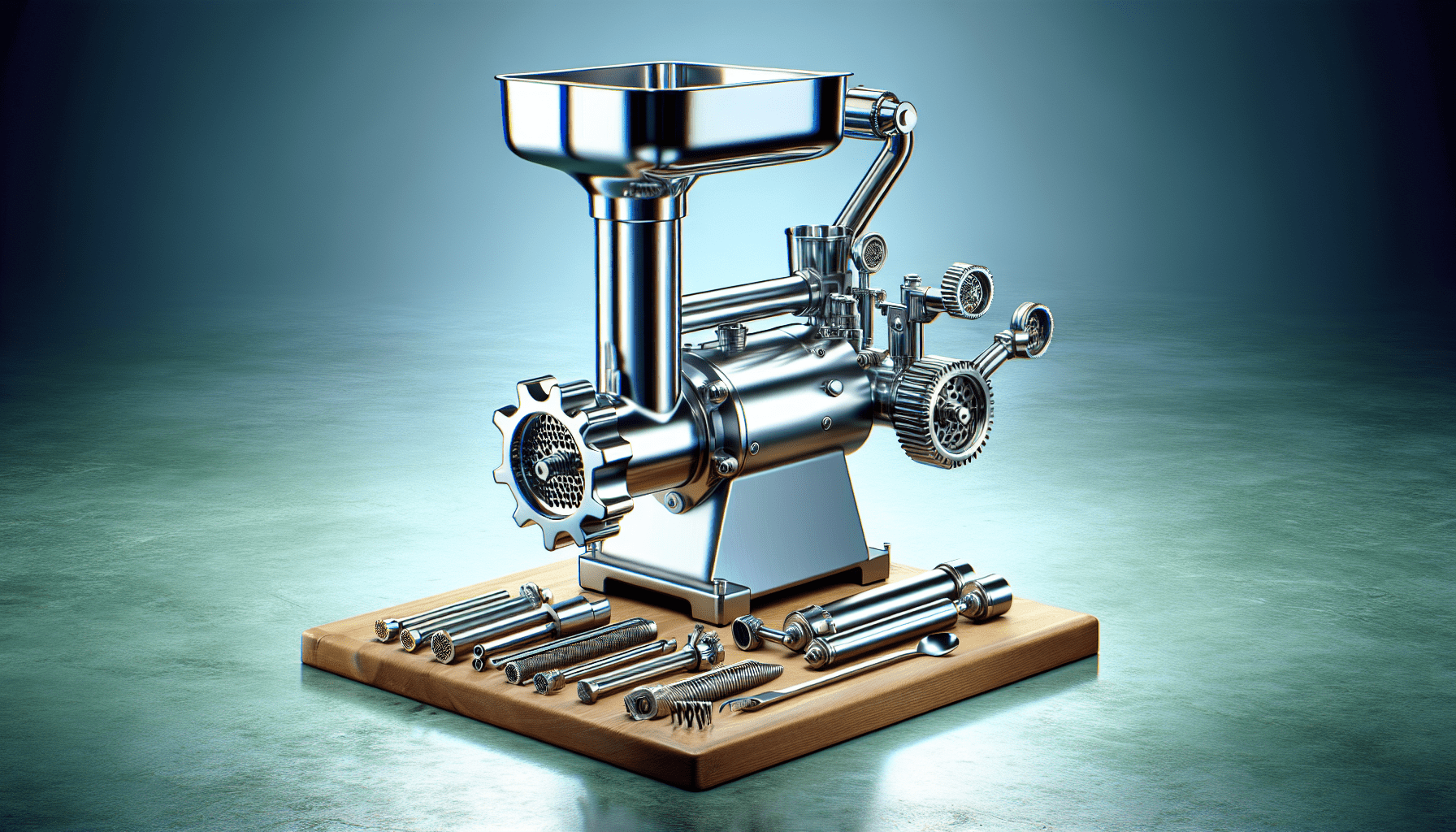
If you’re in the meat product making business, filing an Importer Security Filing (ISF) for your machines is crucial to ensure a smooth and efficient importing process. By providing the necessary information to Customs and Border Protection in advance, you not only comply with regulations but also avoid potential delays and penalties. Filing ISF for your meat product making machines will save you time and money in the long run, making it a smart investment for your business. Have you ever wondered why it’s important to file an Importer Security Filing (ISF) for your meat product making machines? If you’re in the business of manufacturing or processing meat products, this article will walk you through the reasons why filing ISF for these machines is crucial to your operations. Let’s dive in and explore the benefits of complying with ISF regulations for importing meat product making machines.

What is Importer Security Filing (ISF) and why is it important?
Import Security Filing, also known as ISF or 10+2, is a mandatory filing requirement by U.S. Customs and Border Protection (CBP) for all shipments entering the United States by ocean vessel. The goal of ISF is to enhance the security of the international supply chain and to improve targeting of high-risk shipments.
Why is ISF important for meat product making machines?
ISF plays a crucial role in facilitating trade and ensuring the safety and security of imported goods, including meat product making machines. By filing ISF for these machines, you are not only complying with CBP regulations but also proactively managing potential risks associated with importing machinery.
How does ISF apply to meat product making machines?
When importing meat product making machines, it’s essential to understand how ISF requirements apply to these specific types of equipment. Meat product making machines can include a wide range of machinery used in the processing and manufacturing of meat products such as grinders, mixers, slicers, and packaging equipment.
What information is required for ISF filing for meat product making machines?
When filing ISF for meat product making machines, you will need to provide detailed information about the shipment, including:
- Manufacturer or supplier information
- Importer of record details
- Consignee details
- Buyer information
- HTS code for the machines
- Container stuffing location
- Consolidator information, if applicable
By submitting accurate and timely ISF information for your meat product making machines, you are helping CBP assess the risk associated with your shipment and ensuring compliance with import regulations.
Benefits of filing ISF for meat product making machines
Filing ISF for your meat product making machines can bring several benefits to your business operations. Let’s explore some of the advantages of complying with ISF requirements for importing machinery.
Expedited customs clearance
By filing ISF for your meat product making machines in advance, you are providing CBP with essential information about your shipment before it arrives in the United States. This proactive approach can help expedite the customs clearance process and prevent delays at the port of entry.
Enhanced supply chain security
ISF requirements are designed to enhance the security of the international supply chain and protect against potential threats. By filing ISF for your meat product making machines, you are contributing to a safer and more secure import process, which is essential for protecting your business and customers.
Compliance with CBP regulations
Compliance with CBP regulations is essential for importing goods into the United States. Filing ISF for your meat product making machines demonstrates your commitment to adhering to import regulations and can help you avoid penalties or fines for non-compliance.
Risk management
Identifying and managing risks associated with importing machinery is crucial for the success of your business. Filing ISF for your meat product making machines allows you to assess and mitigate potential risks related to security, customs compliance, and supply chain disruptions.
Common challenges in filing ISF for meat product making machines
While there are many benefits to filing ISF for your meat product making machines, it’s essential to be aware of common challenges that importers may face when meeting ISF requirements. Understanding these challenges can help you prepare and navigate the ISF filing process more effectively.
Limited information availability
Gathering accurate and complete information for ISF filing can be challenging, especially when dealing with multiple suppliers or complex supply chains. Ensuring that you have the necessary details about your meat product making machines is crucial for meeting ISF requirements and avoiding delays.
Time-sensitive deadlines
ISF filings must be submitted to CBP at least 24 hours before the cargo is loaded onto the vessel bound for the United States. Meeting this deadline can be challenging, especially when dealing with last-minute changes or unexpected delays in the shipping process.
Data accuracy and consistency
Submitting accurate and consistent data in your ISF filing is essential for ensuring compliance with CBP regulations. Errors or discrepancies in the information provided can result in penalties, fines, or delays in customs clearance for your meat product making machines.
Tips for successful ISF filing for meat product making machines
To help you navigate the ISF filing process more effectively, here are some tips for successfully filing ISF for your meat product making machines:
Start early
Begin gathering information and preparing your ISF filing as soon as you know the details of your shipment. Starting early will give you more time to address any potential issues and ensure that you meet the 24-hour filing deadline.
Maintain accurate records
Keep detailed records of all information related to your meat product making machines, including supplier details, shipping documents, and customs forms. Maintaining accurate records will help you complete your ISF filing accurately and avoid errors.
Use electronic filing systems
Consider using electronic filing systems or working with a customs broker to submit your ISF information. Electronic filing can streamline the process, reduce the risk of errors, and ensure that your ISF filing is submitted on time.
Stay informed
Stay up to date on changes to ISF regulations and requirements that may impact your meat product making machines. Regularly check for updates from CBP and other relevant authorities to ensure that you are in compliance with current regulations.
Work with experienced partners
If you are unfamiliar with the ISF filing process or need assistance, consider working with a customs broker or logistics provider with experience in importing meat product making machines. An experienced partner can help you navigate the ISF requirements and ensure a smooth import process.
Conclusion
Filing ISF for your meat product making machines is a critical step in the import process that can bring significant benefits to your business. By complying with ISF requirements, you can expedite customs clearance, enhance supply chain security, and demonstrate your commitment to CBP regulations. Understanding the importance of ISF filing and following best practices for submitting accurate and timely information will help you successfully import and integrate meat product making machines into your operations. Remember to stay informed, start early, and work with experienced partners to navigate the ISF filing process effectively.
Do I Have To File ISF For Leg Warmers
If you’re importing leg warmers into the United States, you may be wondering if you need to file an Importer Security Filing (ISF) for them. The short answer is yes, you do need to file ISF for leg warmers. ISF is required for all shipments entering the US by ocean vessel, including items like clothing and accessories. By accurately completing the ISF form and submitting it before your shipment arrives, you can avoid potential delays and penalties. Make sure to double check the requirements with your customs broker or freight forwarder to ensure a smooth importing process for your leg warmers. Do I Have To File ISF For Leg Warmers
So, you’ve got a shipment of leg warmers coming in, and you’re wondering, “Do I have to file ISF for leg warmers?” Let’s dive into the details and clear up any confusion you may have about filing an Importer Security Filing (ISF) for your leg warmers.
What is ISF?
Before we get into the specifics of whether or not you need to file ISF for your leg warmers, let’s first break down what ISF is all about. ISF, also known as 10+2, is a mandatory security filing required by U.S. Customs and Border Protection (CBP) for all ocean shipments entering the United States. The purpose of ISF is to enhance the security of the supply chain and improve CBP’s ability to identify high-risk shipments before they arrive in the country.
What Information is Required in an ISF Filing?
When filing an ISF, you will need to provide critical information about the shipment, including but not limited to:
- Seller name and address
- Buyer name and address
- Manufacturer/supplier name and address
- Container stuffing location
- Consolidator name and address
- Ship-to name and address
- Commodity HTSUS number
- Bill of lading number
- Country of origin
Now that you have a better understanding of what ISF is and the information required for filing, let’s address the question at hand.
Do I Need to File ISF for Leg Warmers?
The short answer is yes, you do need to file ISF for your leg warmers if they are being shipped via ocean freight to the United States. Whether you import leg warmers for personal use or for commercial purposes, you are still required to comply with the ISF regulations set forth by CBP.
How Do I Know If My Leg Warmer Shipment Requires ISF?
To determine if your leg warmer shipment requires an ISF filing, you should consider the following factors:
-
Mode of Transportation: If your leg warmers are being shipped via ocean freight, you must file an ISF. However, if they are being transported by air, rail, or truck, ISF is not required.
-
Value of Shipment: While ISF is mandatory for all ocean shipments, the value of your leg warmer shipment does not affect whether or not you need to file. Whether your shipment is valued at $1 or $1 million, ISF is still required.
-
Purpose of Shipment: Whether you are importing leg warmers for personal use or for commercial purposes, ISF must be filed for all ocean shipments.
In summary, if your leg warmers are coming in via ocean freight, you will need to file an ISF.

How Do I File ISF for Leg Warmers?
Filing ISF for your leg warmers is a relatively straightforward process. Here’s a step-by-step guide to help you navigate through the filing process:
-
Gather Required Information: Collect all the necessary information about your leg warmer shipment, as mentioned earlier, including buyer and seller details, container stuffing location, bill of lading number, and more.
-
Choose Filing Method: You have two options when it comes to filing ISF – self-filing or using a customs broker. If you’re familiar with the process and have the time to do it yourself, you can self-file through the CBP’s Automated Broker Interface (ABI). Alternatively, you can hire a customs broker to handle the filing on your behalf.
-
Submit Filing: Once you have all the information ready, submit the ISF filing to CBP no later than 24 hours before the vessel’s departure from the last foreign port.
-
Monitor Compliance: Keep track of your ISF compliance and ensure that all information provided is accurate to avoid any penalties or delays in the clearance of your leg warmers.
How Much Does Filing ISF Cost?
The cost of filing ISF for your leg warmers can vary depending on whether you choose to self-file or hire a customs broker. If you opt for self-filing, you will save on broker fees but will need to invest your time and resources into learning the filing process. On the other hand, hiring a customs broker may incur additional costs, but you will benefit from their expertise and streamlined process.
Consequences of Non-Compliance
Failure to file an ISF for your leg warmers can result in severe consequences, including but not limited to:
-
Penalties: CBP may issue monetary penalties for non-compliance with ISF regulations. These penalties can range from $5,000 to $10,000 per violation, depending on the severity of the offense.
-
Cargo Delay: Non-compliance with ISF requirements can lead to delays in the clearance of your leg warmers, causing disruptions to your supply chain and potential financial losses.
-
Increased Scrutiny: Importers who consistently fail to comply with ISF regulations may be subject to increased scrutiny by CBP, leading to further inspections and potential fines.
In conclusion, filing an ISF for your leg warmers is essential to ensure compliance with CBP regulations and avoid the consequences of non-compliance.
Final Thoughts
Navigating the world of international shipping and customs regulations can be daunting, especially when it comes to filing an ISF for your leg warmers. By understanding the requirements and processes involved in ISF filing, you can ensure a smooth and hassle-free importation of your leg warmers into the United States. Remember, compliance is key to a successful import operation, so don’t hesitate to seek assistance from customs brokers or trade experts if you need guidance along the way. Happy importing!
How And When To File ISF For Baking Dishes & Pans

If you’re in the business of importing baking dishes and pans, knowing when and how to file an Importer Security Filing (ISF) is crucial. By submitting this information correctly and on time, you can avoid delays and fines on your shipments. Understanding the process will give you peace of mind and ensure smooth sailing for your imports of these essential kitchen items. Have you ever wondered how and when to file an ISF (Importer Security Filing) for your baking dishes and pans when importing them into the United States? You’re in the right place! In this article, we will guide you through the process of filing an ISF for your baking products, ensuring a smooth importation process. Let’s get started!

What is ISF?
So, what exactly is an ISF? Importer Security Filing (ISF), also known as 10+2, is a mandatory requirement by U.S. Customs and Border Protection (CBP) for importers to provide specific information about their shipments before they arrive in the United States. This information helps CBP identify high-risk shipments before they arrive, allowing for increased security measures.
Why is ISF Important?
Filing an ISF is crucial for importers of baking dishes and pans as it helps prevent delays at the port of entry. By providing CBP with detailed information about your shipment in advance, you can avoid costly fines and penalties and ensure a smooth customs clearance process.
When to File ISF?
Now that you understand the importance of filing an ISF, let’s discuss when you should file it for your baking dishes and pans.
Timely Filing
It is essential to file your ISF in a timely manner to avoid any delays or penalties. The ISF must be submitted at least 24 hours before the vessel’s departure to the United States. Failure to file the ISF on time can result in fines or even refusal of entry for your shipment.
Advance Planning
To ensure a smooth importation process, we recommend planning ahead and submitting your ISF well before the deadline. This allows you to address any discrepancies or missing information promptly, reducing the risk of delays in customs clearance.
How to File ISF for Baking Dishes & Pans
Filing an ISF for your baking dishes and pans may seem daunting, but it is a straightforward process when you have the necessary information and resources. Let’s walk through the steps to file an ISF for your baking products.
Gather Required Information
Before you can file an ISF for your baking dishes and pans, you will need to gather essential information about your shipment. This includes details such as:
- Manufacturer information
- Supplier information
- Importer of record information
- Container stuffing location
- Consolidator information (if applicable)
- Buyer information
- Ship-to party information
Once you have all the necessary information on hand, you can proceed with filing your ISF.
Choose a Filing Method
There are two ways to file an ISF: self-filing or using a customs broker. If you are comfortable navigating the ISF filing process on your own and have the resources to do so, self-filing may be a suitable option. However, if you prefer expert guidance and assistance, working with a customs broker is recommended.
Submitting ISF
When submitting your ISF, you can do so electronically through the Automated Broker Interface (ABI) or through the CBP web portal. Ensure that all information provided is accurate and up-to-date to avoid any discrepancies during the customs clearance process.
Common Mistakes to Avoid
Filing an ISF for your baking dishes and pans is a critical step in the importation process, and it is essential to avoid common mistakes that can lead to delays or penalties.
Inaccurate Information
One of the most common mistakes importers make when filing an ISF is providing inaccurate or incomplete information. Ensure that all details are correct and up-to-date to prevent any discrepancies during customs clearance.
Late Filing
Failing to file your ISF in a timely manner can result in fines and penalties or even refusal of entry for your shipment. Plan ahead and submit your ISF well before the deadline to avoid delays in customs clearance.
Misclassification
Another common mistake is misclassifying your baking dishes and pans, leading to incorrect duty rates or compliance issues. Ensure that you have the correct classification for your products to avoid any discrepancies during customs clearance.
Conclusion
Filing an ISF for your baking dishes and pans is a crucial step in the importation process, ensuring smooth customs clearance and compliance with U.S. regulations. By following the steps outlined in this article and avoiding common mistakes, you can streamline the importation of your baking products and avoid costly fines or penalties. If you have any questions or need further assistance with filing an ISF for your baking dishes and pans, consult with a customs broker or reach out to CBP for guidance. Happy baking and safe importing!