
Posts Tagged ‘ISF Template’
Who File ISF For Kids’ Scooters

Have you ever wondered who needs to file an Importer Security Filing (ISF) for kids’ scooters that are being imported into the United States? This guide will break down the requirements and help you understand the process.
What is an Importer Security Filing (ISF)?
An Importer Security Filing (ISF), also known as 10+2, is a U.S. Customs and Border Protection (CBP) regulation that requires importers to provide specific information about their shipments before they arrive in the United States. This includes details about the cargo, the shipper, the consignee, and other relevant parties.
Why is an ISF Required for Kids’ Scooters?
ISF is required for all shipments that are being imported into the United States by ocean vessel. This regulation was put in place to enhance national security by allowing CBP to assess and mitigate any potential risks associated with incoming cargo. It also helps facilitate the import process by ensuring that all necessary information is provided in advance.
Who Needs to File an ISF for Kids’ Scooters?
When it comes to kids’ scooters, the responsibility of filing the ISF falls on the importer of record. The importer of record is the party that is responsible for ensuring that the goods comply with all U.S. laws and regulations. This can be the owner, purchaser, consignee, or agent representing the buyer.
Importer of Record Responsibilities
As the importer of record, it is your responsibility to provide accurate and timely ISF information to CBP. Failure to comply with ISF requirements can result in penalties, delays, and even seizure of your cargo. It is crucial to understand your obligations and work with a reputable customs broker or freight forwarder to ensure compliance.

What Information is Required in an ISF for Kids’ Scooters?
When filing an ISF for kids’ scooters, you will need to provide the following information:
- Manufacturer and Supplier Information
- Country of Origin
- Harmonized System (HS) Code
- Shipper and Consignee Information
- Vessel and Voyage Details
- Container Stuffing Location
- Consolidator Information
- Bill of Lading Number
Importance of Accurate Information
It is essential to provide accurate information in your ISF filing to avoid any discrepancies or delays in the import process. CBP uses this information to assess risk and determine whether further examination of the cargo is necessary. Any inaccuracies can lead to fines, additional inspections, and even the refusal of entry into the United States.
How to File an ISF for Kids’ Scooters
Filing an ISF for kids’ scooters can be done electronically through the Automated Broker Interface (ABI) or through the CBP website. Here is a step-by-step guide on how to file an ISF:
Step 1: Obtain Necessary Information
Gather all the required information for your ISF filing, including details about the manufacturer, supplier, shipper, consignee, vessel, and cargo.
Step 2: Choose a Filing Method
Decide whether you will file the ISF yourself or work with a customs broker or freight forwarder to assist you with the process. A licensed professional can help ensure accuracy and compliance with CBP regulations.
Step 3: Submit the ISF
Submit your ISF filing electronically through the ABI or CBP website before the cargo is loaded onto the vessel. It is recommended to file the ISF as early as possible to avoid any delays or penalties.
Step 4: Monitor the Status
Monitor the status of your ISF filing to ensure that it has been accepted by CBP. You can track the progress of your filing through the ABI system or by contacting your customs broker or freight forwarder.
Common Mistakes to Avoid When Filing an ISF for Kids’ Scooters
When filing an ISF for kids’ scooters, it is important to avoid common mistakes that could lead to penalties or delays. Here are some common errors to watch out for:
Incorrect Information
Providing inaccurate or incomplete information in your ISF filing can result in fines and delays in the import process. Double-check all the details before submitting your filing to ensure accuracy.
Late Filing
Failing to file your ISF in a timely manner can lead to penalties and delays in the release of your cargo. It is recommended to file the ISF at least 24 hours before the cargo is loaded onto the vessel.
Non-Compliance
Failure to comply with ISF requirements can result in penalties, seizures, and even the refusal of entry into the United States. Make sure you understand your obligations as an importer of record and work with a reputable customs broker or freight forwarder to ensure compliance.
ISF Filing for Kids’ Scooters: Frequently Asked Questions
Here are some frequently asked questions about filing an ISF for kids’ scooters:
Is ISF Required for Air Shipments of Kids’ Scooters?
No, ISF is only required for shipments that are being imported into the United States by ocean vessel. Air shipments are not subject to ISF requirements.
Can I File the ISF Myself?
Yes, you can file the ISF yourself or work with a customs broker or freight forwarder to assist you with the process. It is recommended to use a licensed professional to ensure accuracy and compliance with CBP regulations.
What Happens if I Don’t File an ISF?
Failure to file an ISF or filing an incomplete ISF can result in penalties, delays, and even the seizure of your cargo by CBP. It is crucial to comply with ISF requirements to avoid any negative consequences.
How Far in Advance Should I File the ISF?
It is recommended to file the ISF at least 24 hours before the cargo is loaded onto the vessel. Filing early helps prevent delays and allows CBP to assess the information before the cargo arrives in the United States.
In conclusion, filing an ISF for kids’ scooters is an important step in the import process that should not be overlooked. By understanding the requirements, responsibilities, and common mistakes to avoid, you can ensure a smooth and efficient import experience. If you have any further questions or need assistance with your ISF filing, do not hesitate to reach out to a customs broker or freight forwarder for guidance.
How And When To File ISF For Eyebrow Enhancers

How And When To File ISF For Eyebrow Enhancers
So you’ve decided to import some eyebrow enhancers for your beauty business. That’s great! But now comes the not-so-fun part – dealing with Customs and Border Protection (CBP) and filing an Importer Security Filing (ISF). Don’t worry, I’m here to guide you through the process of how and when to file ISF for your eyebrow enhancers.
What is ISF?
ISF stands for Importer Security Filing, also known as 10+2. It is a regulation that requires importers to provide specific information about cargo shipments coming into the United States to CBP before the goods arrive at the port of entry. This information is used by CBP to assess the risk of cargo shipments and ensure the safety and security of the country.
ISF consists of 10 data elements that the importer is responsible for providing, and 2 data elements that are the responsibility of the carrier. Filing ISF is mandatory for all ocean shipments bound for the United States, including eyebrow enhancers.
Why is ISF Important?
Filing ISF is crucial for a smooth and hassle-free import process. Not only is it a legal requirement, but it also helps CBP to identify high-risk shipments and prevent any potential security threats. By providing accurate and timely information through ISF, you can help expedite the customs clearance process and avoid any delays or penalties.
When to File ISF for Eyebrow Enhancers
Now that you understand the importance of ISF, let’s dive into when you should file ISF for your eyebrow enhancers.
Timing is Key
ISF must be filed at least 24 hours before the cargo is laden aboard the vessel that is bound for the United States. This means that you need to submit the ISF data well in advance to ensure that CBP has enough time to review the information before your shipment arrives.
Advance Notification
As soon as you have the necessary information about your eyebrow enhancer shipment, such as the supplier details, product descriptions, and shipping schedule, you should start preparing to file ISF. It’s always better to be proactive and submit the ISF data early to avoid any last-minute rush or issues.
Late Filings
If you fail to file ISF on time, or if you submit incomplete or inaccurate information, CBP may impose penalties or even hold your shipment at the port of entry. So it’s essential to adhere to the ISF filing deadlines and ensure that all the data provided is correct to avoid any costly consequences.
How to File ISF for Eyebrow Enhancers
Now that you know when to file ISF, let’s discuss how you can actually file ISF for your eyebrow enhancers.
Working with a Customs Broker
The easiest and most efficient way to file ISF is to work with a licensed customs broker. A customs broker is a professional who specializes in customs regulations and requirements and can help you navigate the complex process of importing goods into the United States.
Providing Accurate Information
When filing ISF, you will need to provide specific information about your eyebrow enhancer shipment, such as:
- Manufacturer or supplier name and address
- Seller name and address
- Importer of record number
- Consignee number
- Ship-to name and address
- Container stuffing location
- Consolidator name and address
- Buyer’s name and address
- Country of origin
- Commodity Harmonized Tariff Schedule (HTS)
Make sure to double-check all the information before submitting it to CBP to avoid any errors or discrepancies that could lead to penalties.
Using ACE Secure Data Portal
You can file ISF electronically through the Automated Commercial Environment (ACE) Secure Data Portal. This online platform allows importers to submit ISF data directly to CBP and receive immediate feedback on the status of their filing. The ACE Secure Data Portal is user-friendly and allows for quick and efficient ISF submissions.
Filing ISF Yourself
If you choose to file ISF yourself, you will need to create an ACE Secure Data Portal account, enter all the required information accurately, and submit the ISF data within the specified timeframe. While filing ISF yourself can save you money, it can also be time-consuming and prone to errors if you are not familiar with customs regulations.
Working with a Freight Forwarder
Another option is to work with a freight forwarder who can handle the ISF filing process on your behalf. A freight forwarder is a company that specializes in arranging the transportation and logistics of goods and can assist you with filing ISF and ensuring compliance with customs regulations.
Common Mistakes to Avoid When Filing ISF
Filing ISF correctly is crucial to avoid any penalties or delays with your eyebrow enhancer shipment. Here are some common mistakes to avoid when filing ISF:
Missing Filing Deadline
One of the most common mistakes is missing the ISF filing deadline. Remember, ISF must be submitted at least 24 hours before the cargo is loaded onto the vessel bound for the United States. Failure to do so can result in penalties and delays with your shipment.
Incorrect Information
Providing inaccurate or incomplete information in your ISF can lead to issues with customs clearance. Make sure to verify all the data you submit, such as supplier details, product descriptions, and shipping schedule, to ensure accuracy and compliance with CBP requirements.
Lack of Communication
Communication is key when filing ISF for your eyebrow enhancers. Make sure to stay in touch with your customs broker, freight forwarder, or any other parties involved in the import process to ensure that all the necessary information is provided on time and accurately.
Conclusion
Filing ISF for your eyebrow enhancers may seem like a daunting task, but with proper preparation and knowledge, you can navigate the process smoothly. Remember to file ISF on time, provide accurate information, and consider working with a customs broker or freight forwarder to ensure compliance with CBP requirements. By following these guidelines, you can ensure a seamless import process for your eyebrow enhancer shipment.
How And When To File ISF For Moccasin Slippers


Introduction to ISF Filing for Moccasin Slippers
So, you’ve decided to import some cozy moccasin slippers for your shoe store. But before you can get them into your hands, you need to navigate the world of ISF filing. Don’t worry, we’ve got you covered with all the information you need to know about how and when to file ISF for your moccasin slippers shipment.
What is ISF and Why is it Important?
ISF stands for Importer Security Filing, also known as 10+2. It is a mandatory electronic filing requirement enforced by U.S. Customs and Border Protection (CBP) for ocean cargo shipments entering the United States. ISF filing is crucial for ensuring the safety and security of imported goods while facilitating trade.
Understanding ISF Requirements for Moccasin Slippers
Before you start the ISF filing process for your moccasin slippers, it’s essential to understand the specific requirements that apply to your shipment. Let’s break it down step by step:
Information Required for ISF Filing
When filing ISF for moccasin slippers, you will need to provide various shipment details, including:
- Seller
- Buyer
- Importer of Record Number (IOR)
- Consignee
- Manufacturer (or supplier)
- Ship to Party
- Country of Origin
- HTSUS number
- Container Stuffing Location
- Consolidator (stuffer)
- Bill of Lading Number
- Seal Number
Make sure you have all this information ready before starting the ISF filing process to avoid delays or penalties.
Timing of ISF Filing
ISF must be filed at least 24 hours before the cargo is loaded onto the vessel at the foreign port of lading. For shipments by vessel transiting fewer than 24 hours, the ISF must be filed before the vessel’s arrival at the first U.S. port. It’s crucial to adhere to these timelines to avoid any issues with your moccasin slippers shipment.

Steps to File ISF for Moccasin Slippers
Now that you are familiar with the ISF requirements and timing, let’s walk through the steps to file ISF for your moccasin slippers:
Step 1: Obtain the Necessary Information
Gather all the required information for your ISF filing, as mentioned earlier. Make sure you have accurate and up-to-date details to prevent any discrepancies in your filing.
Step 2: Select an ISF Filing Method
You can choose to file ISF yourself using ACE Secure Data Portal or entrust a customs broker to handle the filing on your behalf. Consider your expertise in ISF filing and the complexity of your shipment when deciding on the filing method.
Step 3: Submit the ISF Filing
Enter the required information accurately into the ISF filing system. Double-check all the details before submitting to ensure there are no errors that could cause delays or penalties.
Step 4: Receive ISF Confirmation
Once you have submitted the ISF filing, you will receive a confirmation of acceptance or rejection. Make sure to keep a copy of the confirmation for your records.
Common Mistakes to Avoid in ISF Filing
When filing ISF for your moccasin slippers shipment, it’s essential to avoid common mistakes that could lead to delays or penalties. Here are some mistakes to watch out for:
Inaccurate Information
Ensure all the details you provide in the ISF filing are accurate and up-to-date. Any discrepancies or errors could result in CBP holds or penalties.
Late Filing
Missing the deadline for ISF filing can lead to penalties, exams, or even the refusal of entry for your moccasin slippers shipment. Make sure to file ISF within the required timeframe to avoid any issues.
Incorrect HTSUS Number
The Harmonized Tariff Schedule of the United States (HTSUS) number you provide in the ISF filing must be correct. An incorrect HTSUS number could lead to Customs audits or penalties.
Failure to Update Changes
If there are any changes to the shipment details after filing ISF, make sure to update the information promptly. Failure to do so could result in penalties or delays in processing your moccasin slippers shipment.

Tips for Smooth ISF Filing Process
To ensure a smooth ISF filing process for your moccasin slippers shipment, consider the following tips:
Plan Ahead
Start gathering the necessary information for ISF filing well in advance to prevent any last-minute rush or errors. Planning ahead will give you ample time to ensure all details are accurate.
Use Electronic Filing
Opt for electronic filing of ISF through the ACE Secure Data Portal for a quicker and more efficient process. Electronic filing reduces the chances of errors and streamlines the submission process.
Work with a Customs Broker
If you are not familiar with ISF filing or have a complex shipment, consider working with a licensed customs broker. A customs broker can assist you in accurately filing ISF and navigating any issues that may arise.
Stay Updated on Regulations
Keep yourself informed about any changes or updates to ISF regulations to ensure compliance with CBP requirements. Staying up to date will help you avoid any penalties or delays in your moccasin slippers shipment.
Conclusion
Filing ISF for your moccasin slippers shipment is a crucial step in the import process that requires careful attention to detail and adherence to regulations. By understanding the ISF requirements, timing, and steps involved in the filing process, you can ensure a smooth and successful import of your cozy slippers. Remember to avoid common mistakes, follow best practices, and stay informed to make the ISF filing process as seamless as possible. Now that you have all the information you need, go ahead and file ISF for your moccasin slippers with confidence!
How And When To File ISF For Coil Slitting Machine

Understanding The Importance of ISF Filings
So, you’re a proud owner of a coil slitting machine, huh? Well, you probably already know that filing an Importer Security Filing (ISF) is crucial when importing goods into the United States. But let’s dive a little deeper into why this is important for your coil slitting machine.

What is ISF?
First things first, let’s start with the basics. ISF, also known as 10+2, is a U.S. Customs and Border Protection (CBP) regulation that requires importers to provide detailed information about their shipments before they arrive in the U.S. This information helps CBP assess potential risks and enhance security measures.
Why is ISF Necessary for Coil Slitting Machines?
Now, you might be wondering, “Why do I need to bother with ISF for my coil slitting machine?” Well, the answer is simple. Your coil slitting machine is considered machinery and equipment, which falls under the scope of goods that require ISF filings. By submitting an accurate ISF, you can avoid penalties, delays, and other complications that may arise during the import process.
When Should You File ISF for Your Coil Slitting Machine?
Now that you understand the importance of ISF filings, let’s talk about the timeline for when you should file ISF for your coil slitting machine.
Filing ISF 72 Hours Before Departure
The general rule of thumb is to file your ISF at least 72 hours before your goods depart from the foreign port of origin. This timeframe allows CBP to review the information and identify any potential security risks before your shipment reaches U.S. shores.
Late Filing and Amendments
If you miss the 72-hour deadline, don’t panic just yet. You can still submit a late ISF filing without incurring penalties as long as it’s done before your cargo arrives at the U.S. port of discharge. Additionally, you can make amendments to your ISF up to 24 hours before the goods are loaded onto the vessel bound for the U.S.
What Information is Required for ISF?
Now that you know when to file your ISF, let’s talk about the specific information you need to provide for your coil slitting machine.
Manufacturer and Supplier Details
You will need to provide the name and address of the manufacturer and supplier of your coil slitting machine. This information helps CBP verify the legitimacy of your shipment and ensures compliance with trade regulations.
Shipping Information
Details such as the vessel name, voyage number, and port of lading are essential for tracking and monitoring your shipment. Make sure to double-check these details to avoid any discrepancies that could lead to delays or penalties.
H.S. Tariff Classification Code
The Harmonized System (H.S.) Tariff Classification Code identifies the specific category your coil slitting machine falls under. This code determines the applicable duty rates and regulations for your import, so accuracy is key.
Container Stuffing Location
You must disclose the exact location where your coil slitting machine was loaded into the container. This information helps CBP verify the security and integrity of your shipment throughout its journey to the U.S.
Avoiding Common Mistakes in ISF Filings
Now that you know what information is required for your ISF, let’s discuss some common mistakes to avoid when filing for your coil slitting machine.
Incorrect or Missing Information
One of the most common errors in ISF filings is providing inaccurate or incomplete information. Make sure to double-check all the details before submitting your ISF to prevent delays or penalties.
Compliance Issues
Failure to comply with CBP regulations and requirements can result in fines, holds, or even seizure of your goods. Stay informed about the latest ISF guidelines and make sure to follow them accordingly.
Miscommunication with Suppliers
Communication is key when it comes to filing ISF for your coil slitting machine. Ensure that your suppliers are aware of the ISF requirements and provide them with the necessary information to avoid any misunderstandings or delays.
Hiring a Customs Broker for ISF Filing Support
If the thought of filing ISF for your coil slitting machine seems overwhelming, you can always seek assistance from a licensed customs broker.
Benefits of Hiring a Customs Broker
A customs broker can guide you through the ISF filing process, ensure compliance with CBP regulations, and help you avoid costly mistakes. They have the expertise and resources to handle the paperwork and communication with CBP on your behalf.
How to Choose the Right Customs Broker
When selecting a customs broker for your ISF filing needs, make sure to consider their experience, reputation, and track record. Look for a broker who specializes in machinery and equipment imports to ensure a smooth and efficient process.
Conclusion
By now, you should have a better understanding of how and when to file ISF for your coil slitting machine. Remember, ISF compliance is crucial for a seamless import process and avoiding potential penalties or delays. Stay informed, provide accurate information, and consider hiring a customs broker for additional support. Whether you’re a seasoned importer or new to the game, proper ISF filings are essential for a successful import operation.
Why Should I File ISF For Assembly Line

What is ISF and Why is it Important for Assembly Line?
Have you ever heard of ISF? Importer Security Filing, commonly known as ISF, is a U.S. Customs and Border Protection (CBP) regulation that requires importers to provide specific information about their shipments before they arrive in the United States. But why is it important for your assembly line operations?
Understanding ISF Requirements
ISF is designed to enhance the security of the global supply chain and improve CBP’s ability to target high-risk shipments. By providing detailed information about your imports in advance, you are helping CBP identify any potential security threats and prevent them from entering the country.
Avoiding Penalties and Delays
Filing ISF for your assembly line shipments is not just a good security practice but also a legal requirement. Failure to comply with ISF regulations can result in penalties, delays, and even the seizure of your goods. By filing ISF accurately and on time, you can avoid these undesirable consequences and keep your assembly line running smoothly.
Benefits of Filing ISF for Assembly Line
Now that you understand the importance of ISF for your assembly line operations, let’s dive into the benefits of filing ISF:
Expedited Customs Clearance
Filing ISF for your assembly line shipments allows CBP to review your information in advance, speeding up the customs clearance process. By providing accurate and complete data, you can help CBP quickly assess the security risk of your imports and release them for delivery without delays.
Improved Supply Chain Visibility
ISF provides valuable information about your incoming shipments, such as the cargo’s contents, origin, and destination. By filing ISF, you can improve the visibility of your supply chain and better track your goods as they move through the import process. This visibility can help you identify potential issues early on and take proactive measures to address them.
Enhanced Security Measures
One of the primary purposes of ISF is to enhance the security of the global supply chain. By filing ISF for your assembly line shipments, you are actively contributing to the effort to identify and prevent security threats. This not only protects your business but also promotes the overall safety and security of the supply chain.
Compliance with CBP Regulations
As mentioned earlier, filing ISF is a legal requirement for importers bringing goods into the United States. By complying with CBP regulations and filing ISF accurately and on time, you can avoid costly penalties and seizures of your goods. Staying in good standing with CBP also helps build trust and credibility with customs authorities.
How to File ISF for Assembly Line Shipments
Now that you understand the importance and benefits of filing ISF for your assembly line, let’s talk about how you can actually file ISF for your shipments:
Gather Required Information
Before you can file ISF, you need to gather specific information about your shipment, such as:
- Importer of Record (IOR)
- Consignee
- Manufacturer (or supplier)
- Seller (or owner)
- Ship-to party
- Country of origin
- Commodity HTSUS number
- Container stuffing location
- Consolidator (stuffer)
- Booking party
- Bill of Lading (BOL) number
- Foreign Port of Unlading
- Place of Delivery
Make sure to have all this information ready before you start the filing process to ensure accuracy and avoid delays.
Choose a Filing Method
There are several ways you can file ISF for your assembly line shipments, including:
- Manual Filing: You can enter the required information directly into CBP’s online portal, ACE (Automated Commercial Environment). This method is suitable for small importers with a limited number of shipments.
- Automated Filing: You can use a customs broker or a third-party software provider to file ISF on your behalf. This method is recommended for larger importers with high shipment volumes.
- Self-Filing Software: You can use ISF software to automate the filing process and ensure accuracy and compliance with CBP regulations.
Choose the filing method that best suits your needs and resources to streamline the ISF process for your assembly line shipments.
Submit ISF Timely
Once you have prepared all the required information and chosen a filing method, it’s time to submit ISF for your assembly line shipments. Remember that ISF must be filed at least 24 hours before your goods are loaded onto a vessel bound for the United States. Failure to file ISF on time can result in penalties and delays, so make sure to submit the information well in advance.
Monitor ISF Status
After you have filed ISF for your assembly line shipments, it’s essential to monitor the status of your filing to ensure everything is in order. Use CBP’s online portal or your chosen filing method to track the progress of your ISF submission and address any issues promptly. By staying proactive and vigilant, you can prevent potential delays and maintain compliance with CBP regulations.

Common Mistakes to Avoid When Filing ISF for Assembly Line
While filing ISF for your assembly line shipments is crucial, it’s equally important to avoid common mistakes that can lead to penalties and delays. Here are some common errors to watch out for:
Inaccurate Information
Providing inaccurate or incomplete information in your ISF filing can lead to delays in customs clearance and potential penalties. Make sure to double-check all the data you enter before submitting ISF to ensure accuracy and compliance with CBP regulations.
Late Filing
Filing ISF within the 24-hour deadline is essential to avoid penalties and delays in customs clearance. Late filings can result in increased scrutiny by CBP, additional fees, and even the denial of entry for your goods. Keep track of your shipment schedules and file ISF on time to prevent these issues.
Incorrect Commodities Classification
Classifying your cargo with the wrong Harmonized Tariff Schedule (HTS) code in your ISF filing can lead to customs delays and assessments. Make sure to accurately identify and categorize your commodities based on the correct HTS code to ensure smooth customs clearance and compliance with CBP regulations.
Missing or Incomplete Data Elements
Missing or incomplete data elements in your ISF filing can cause delays in customs clearance and increase the risk of penalties. Ensure that you provide all the required information, such as the importer of record, consignee, manufacturer, and other relevant details, to avoid these issues.
Lack of Compliance Monitoring
Once you have filed ISF for your assembly line shipments, it’s crucial to monitor the compliance status of your filing and address any discrepancies promptly. Failure to stay vigilant and address issues can lead to penalties, delays, and other undesirable consequences.
Conclusion
Filing ISF for your assembly line shipments is a critical aspect of ensuring the security, compliance, and efficiency of your import operations. By understanding the importance of ISF, leveraging its benefits, and following best practices for filing, you can streamline the customs clearance process, enhance supply chain visibility, and avoid penalties and delays. Stay proactive, informed, and compliant to make the most of ISF for your assembly line operations.
Do I Have To File ISF For Dreamcatcher

Do I Have To File ISF For Dreamcatcher?
If you’re planning on importing Dreamcatchers into the United States, you may be wondering whether you need to file an Importer Security Filing (ISF) for your shipment. Let’s dive into the details to help you understand whether or not ISF is required for Dreamcatchers.

What is an Importer Security Filing (ISF)?
An Importer Security Filing, also known as ISF or 10+2, is a mandatory electronic filing requirement for shipments being imported into the United States. This filing must be submitted to U.S. Customs and Border Protection (CBP) at least 24 hours before the cargo is loaded onto the vessel bound for the U.S.
So, what does this mean for you as an importer? It means that if you’re bringing Dreamcatchers into the U.S. from another country, you may need to submit an ISF to CBP before your shipment departs.
When is ISF Required?
ISF is required for all shipments being imported into the United States by ocean vessel, with a few exceptions. If you’re importing Dreamcatchers via air cargo, rail, or truck, you do not need to file an ISF. However, since Dreamcatchers are typically brought in by sea, you will likely need to submit an ISF for your shipment.
But what if my shipment is a low-value item? Even if your Dreamcatchers are of low value, ISF is still required for ocean shipments. The value of the goods does not exempt you from this filing requirement.

What Information is Included in an ISF?
An Importer Security Filing consists of 10 data elements that must be provided to CBP in advance of the cargo arriving in the U.S. These data elements include information about the importer, seller, buyer, ship-to parties, country of origin, and more.
So, what kind of information do I need to have on hand to submit an ISF for my Dreamcatchers? You will need to gather details such as the manufacturer or supplier of the Dreamcatchers, the seller and buyer information, the country where the goods were produced, and the ship-to party in the U.S. that will receive the shipment.
Consequences of Not Filing ISF
If you fail to submit an Importer Security Filing for your Dreamcatcher shipment, you may face penalties from CBP. These penalties can include fines, shipment holds, exams, or even the denial of entry into the U.S. for your goods. It’s crucial to comply with ISF requirements to avoid these consequences.
So, what should you do if you realize you haven’t filed an ISF for your Dreamcatchers? If you discover that you missed the filing deadline, it’s essential to take immediate action. You can still submit a late ISF to CBP, but penalties may apply, so it’s best to ensure you file on time to avoid any issues.
How to File ISF for Dreamcatchers
Filing an Importer Security Filing for your Dreamcatcher shipment involves submitting the required data elements to CBP through a secure electronic transmission. You can either file the ISF yourself or use a customs broker or freight forwarder to assist with the process.
So, what’s the best way to file ISF for your Dreamcatchers? If you’re unfamiliar with the ISF filing process, it’s recommended to seek the help of a customs broker or freight forwarder. These professionals have experience with ISF submissions and can ensure that your filing is accurate and compliant with CBP regulations.
ISF Filing Deadlines
As mentioned earlier, ISF must be submitted to CBP at least 24 hours before the cargo is loaded onto the vessel bound for the U.S. Failing to meet this deadline can result in penalties and delays in clearing your Dreamcatcher shipment through customs.
But what if I’m not sure about the filing deadline for my Dreamcatchers? If you’re uncertain about when to submit your ISF, it’s best to consult with your customs broker or freight forwarder. They can help you determine the exact deadline based on the specifics of your shipment.

Common Mistakes to Avoid When Filing ISF
When filing an Importer Security Filing for your Dreamcatcher shipment, it’s essential to avoid common mistakes that can lead to penalties or delays. Some of the common errors to watch out for include incorrect or incomplete information, late filings, or failing to update the ISF with any changes.
So, what are some tips for avoiding these mistakes when filing ISF for Dreamcatchers? To ensure a smooth ISF filing process, double-check all the information you provide for accuracy, submit your filing on time, and communicate any changes or updates to CBP promptly. By being proactive and detail-oriented, you can avoid potential issues with your ISF submission.
Additional Resources for ISF Filing
If you’re looking for more information on filing an Importer Security Filing for your Dreamcatchers, there are various resources available to assist you. CBP’s website offers guidance on ISF requirements, and customs brokers or freight forwarders can provide personalized support for your specific shipment.
So, where can you find these additional resources for ISF filing? You can visit the CBP website for detailed information on ISF requirements, or reach out to a customs broker or freight forwarder for expert guidance on filing ISF for your Dreamcatcher shipment. Don’t hesitate to ask for help if you’re unsure about any aspect of the ISF process.
In conclusion, filing an Importer Security Filing for your Dreamcatcher shipment is a crucial step in the importation process. By understanding when ISF is required, what information is needed, and how to avoid common mistakes, you can ensure a smooth and compliant import experience. Remember to stay informed, seek assistance when needed, and comply with CBP regulations to import your Dreamcatchers successfully into the United States.
How To File ISF For Hydraulic Presses

Is it necessary to file an Importer Security Filing (ISF) for hydraulic presses?
Understanding Importer Security Filings (ISF)
You might be wondering whether you need to file an ISF for hydraulic presses. Importer Security Filing, also known as 10+2, is a United States Customs and Border Protection (CBP) regulation that requires importers to provide specific information about their shipments before they arrive at the port of entry. This regulation was implemented to enhance border security and improve CBP’s ability to target high-risk shipments.
The Importance of ISF for Hydraulic Presses
Filing an ISF for hydraulic presses is essential to meet CBP’s requirements and avoid penalties such as fines or shipment delays. By providing accurate and timely information, you can ensure that your hydraulic presses clear customs smoothly and reach their destination on time.
What Information is Required for ISF?
The ISF must be filed at least 24 hours before the shipment is loaded onto the vessel. The information required for ISF includes, but is not limited to, the following:
- Manufacturer’s name and address
- Seller’s name and address
- Buyer’s name and address
- Ship-to name and address

Steps to File ISF for Hydraulic Presses
Filing an ISF for hydraulic presses may seem daunting at first, but it can be a straightforward process if you follow these steps:
Step 1: Obtain the Necessary Information
Gather all the required information for the ISF, including the manufacturer’s details, seller’s information, and buyer’s particulars. Make sure you have accurate and up-to-date information to avoid any issues during the filing process.
Step 2: Choose the Right Filing Method
There are two ways to file ISF: self-filing or using a customs broker. Self-filing may be suitable for experienced importers, while first-time importers or those with complex shipments may benefit from using a customs broker to handle the filing process on their behalf.
Step 3: Submit the ISF to CBP
Once you have all the necessary information and have decided on the filing method, submit the ISF to CBP at least 24 hours before the shipment is loaded onto the vessel. Ensure that the information provided is accurate and complete to avoid any delays or penalties.
Step 4: Monitor the Shipment
After you have filed the ISF, monitor the status of your shipment to ensure that it is progressing smoothly through the customs clearance process. Stay in touch with your customs broker or freight forwarder for updates on your hydraulic presses.

Common Mistakes to Avoid When Filing ISF for Hydraulic Presses
When filing an ISF for hydraulic presses, there are certain common mistakes that importers may make. Avoiding these errors can help streamline the filing process and prevent penalties or delays:
Incorrect Information
Providing inaccurate or incomplete information in the ISF can lead to delays in customs clearance or even fines from CBP. Double-check all the details before submitting the ISF to ensure accuracy.
Late Filing
Failure to file the ISF at least 24 hours before the shipment is loaded onto the vessel can result in penalties and delays. Plan ahead and submit the ISF in a timely manner to avoid any issues.
Improper Filing Method
Choosing the wrong filing method, such as self-filing when you lack experience, can lead to errors in the ISF. Consider using a customs broker if you are unsure about the filing process to ensure compliance with CBP regulations.

Tips for Successful ISF Filing for Hydraulic Presses
Filing an ISF for hydraulic presses can be a smooth process if you follow these tips:
Plan Ahead
Start gathering the necessary information for the ISF well in advance to avoid last-minute delays or errors. Planning ahead can help ensure a smooth filing process.
Work with a Customs Broker
If you are new to the filing process or have complex shipments, consider working with a customs broker to handle the ISF for you. A customs broker can provide expertise and guidance to ensure compliance with CBP regulations.
Double-Check Information
Before submitting the ISF, double-check all the information to ensure accuracy and completeness. Review the manufacturer’s details, seller’s information, and buyer’s particulars to avoid any errors.
Monitor the Shipment
Stay informed about the status of your shipment after filing the ISF. Monitor the progress of your hydraulic presses through customs clearance to address any issues promptly.
Communicate with Your Broker
Maintain open communication with your customs broker or freight forwarder throughout the filing process. Stay in touch for updates on your shipment, and address any concerns or questions promptly.

Conclusion
Filing an ISF for hydraulic presses is an essential step in ensuring the smooth clearance of your shipments through customs. By understanding the requirements and following the steps outlined in this guide, you can successfully file the ISF for your hydraulic presses and avoid any penalties or delays. Remember to plan ahead, gather accurate information, and work with a customs broker if needed to streamline the filing process and ensure compliance with CBP regulations.
Where To File ISF For Acrylic Gloves & Mittens

Acrylic Gloves & Mittens: Understanding the ISF Filing Process
Have you recently imported acrylic gloves and mittens and are unsure about where to file your Importer Security Filing (ISF)? Understanding the ISF filing process is crucial to ensure a smooth importation process and avoid any penalties or delays. Let’s break down everything you need to know about filing ISF for acrylic gloves and mittens.
What is an Importer Security Filing (ISF)?
Before we dive into where to file your ISF for acrylic gloves and mittens, let’s first understand what an Importer Security Filing (ISF) is. An ISF is a mandatory electronic filing requirement for all goods entering the United States by ocean vessel. It is also known as the “10+2” rule as it requires the importers to provide 10 data elements and the ocean carriers to provide 2 data elements to Customs and Border Protection (CBP) at least 24 hours before the vessel is loaded at the foreign port.
Key Information Required for ISF Filing
When filing ISF for acrylic gloves and mittens, there are key pieces of information that you need to provide to CBP. This information includes, but is not limited to:
- Importer of Record Number: This is the identification number assigned by CBP to the entity responsible for ensuring that goods comply with all laws and regulations.
- Seller Information: The name and address of the seller or manufacturer of the acrylic gloves and mittens.
- Buyer Information: The name and address of the buyer or importer of the goods.
- Ship-to Party: The name and address of the party where the goods are being shipped to in the United States.
- Manufacturer or Supplier: The name and address of the entity that manufactured or supplied the acrylic gloves and mittens.
- Country of Origin: The country where the acrylic gloves and mittens were made.
Ensuring that you have all the necessary information ready will help facilitate the ISF filing process and avoid any delays or penalties.

Where to File ISF for Acrylic Gloves & Mittens
Now that you have all the required information for ISF filing, the next step is to determine where to file your ISF for acrylic gloves and mittens. The ISF can be filed by the importer or their authorized agent, such as a customs broker. Here are the key points to consider when determining where to file your ISF:
Self-Filing ISF
If you have the expertise and resources to file the ISF yourself, you can do so through the Automated Broker Interface (ABI) of CBP. Self-filing ISF requires you to have a Type 1 Customs Bond and access to the Automated Commercial Environment (ACE) system. Keep in mind that ISF filing can be complex and time-consuming, so it is recommended to seek the assistance of a customs broker if you are not familiar with the process.
Hiring a Customs Broker
If you prefer to have a professional handle the ISF filing process for you, hiring a customs broker is the way to go. Customs brokers are licensed professionals who specialize in customs regulations and procedures. They can ensure that your ISF for acrylic gloves and mittens is filed accurately and on time to avoid any penalties or delays. Additionally, customs brokers can provide valuable advice on customs compliance and help expedite the clearance of your goods through the port of entry.
Using a Software Solution
Another option for filing ISF for acrylic gloves and mittens is to use a software solution that automates the process. There are various ISF software solutions available in the market that can streamline the filing process and help you stay compliant with CBP regulations. These software solutions can save you time and reduce the risk of errors in your ISF filing.
Determining where to file your ISF for acrylic gloves and mittens depends on your level of expertise, resources, and preference. Whether you choose to self-file, hire a customs broker, or use a software solution, the key is to ensure that your ISF is filed accurately and on time to avoid any issues with your importation.
Common Mistakes to Avoid When Filing ISF for Acrylic Gloves & Mittens
When filing ISF for acrylic gloves and mittens, there are several common mistakes that importers make that can lead to penalties or delays in the importation process. To ensure a smooth ISF filing process, here are some common mistakes to avoid:
Missing or Inaccurate Information
One of the most common mistakes when filing ISF is providing missing or inaccurate information. Make sure that all the required data elements, such as the importer of record number, seller information, buyer information, and country of origin, are accurate and complete. Any discrepancies in the information provided can result in penalties or delays in the clearance of your goods.
Late Filing
Another common mistake is filing the ISF late. The ISF must be filed with CBP at least 24 hours before the vessel is loaded at the foreign port. Failing to meet this deadline can result in penalties imposed by CBP. It is important to ensure that your ISF is filed on time to avoid any issues with your importation.
Incorrect Harmonized Tariff Schedule (HTS) Code
When filing ISF for acrylic gloves and mittens, it is crucial to provide the correct Harmonized Tariff Schedule (HTS) code for the goods. The HTS code determines the import duties and taxes applicable to your goods. Providing an incorrect HTS code can result in overpaying or underpaying duties, which can lead to penalties or additional charges. Make sure to double-check the HTS code for your goods before filing the ISF.
Failure to Update Changes
If there are any changes to the information provided in the ISF after it has been filed, such as a change in the ship-to party or the country of origin, it is important to update the ISF with CBP. Failure to update changes can result in penalties or delays in the importation process. Make sure to communicate any changes in the information to CBP to avoid any issues with your ISF filing.
Avoiding these common mistakes when filing ISF for acrylic gloves and mittens can help ensure a smooth importation process and compliance with CBP regulations. By providing accurate and complete information, filing on time, providing the correct HTS code, and updating changes when necessary, you can avoid penalties or delays in the clearance of your goods.
Conclusion
Filing ISF for acrylic gloves and mittens is a critical step in the importation process that requires attention to detail and compliance with CBP regulations. By understanding the ISF filing process, providing accurate information, and avoiding common mistakes, you can ensure a smooth importation process and avoid any penalties or delays. Whether you choose to self-file, hire a customs broker, or use a software solution, the key is to prioritize compliance and accuracy in your ISF filing. If you have any questions or need assistance with filing ISF for acrylic gloves and mittens, do not hesitate to reach out to a customs broker or a customs compliance expert for guidance.
Remember, ensuring that your ISF for acrylic gloves and mittens is filed accurately and on time is crucial to the success of your importation. By following the guidelines outlined in this article, you can navigate the ISF filing process with confidence and ensure a seamless importation experience.
How And When To File ISF For Home Use RF Beauty Instrument
Introduction
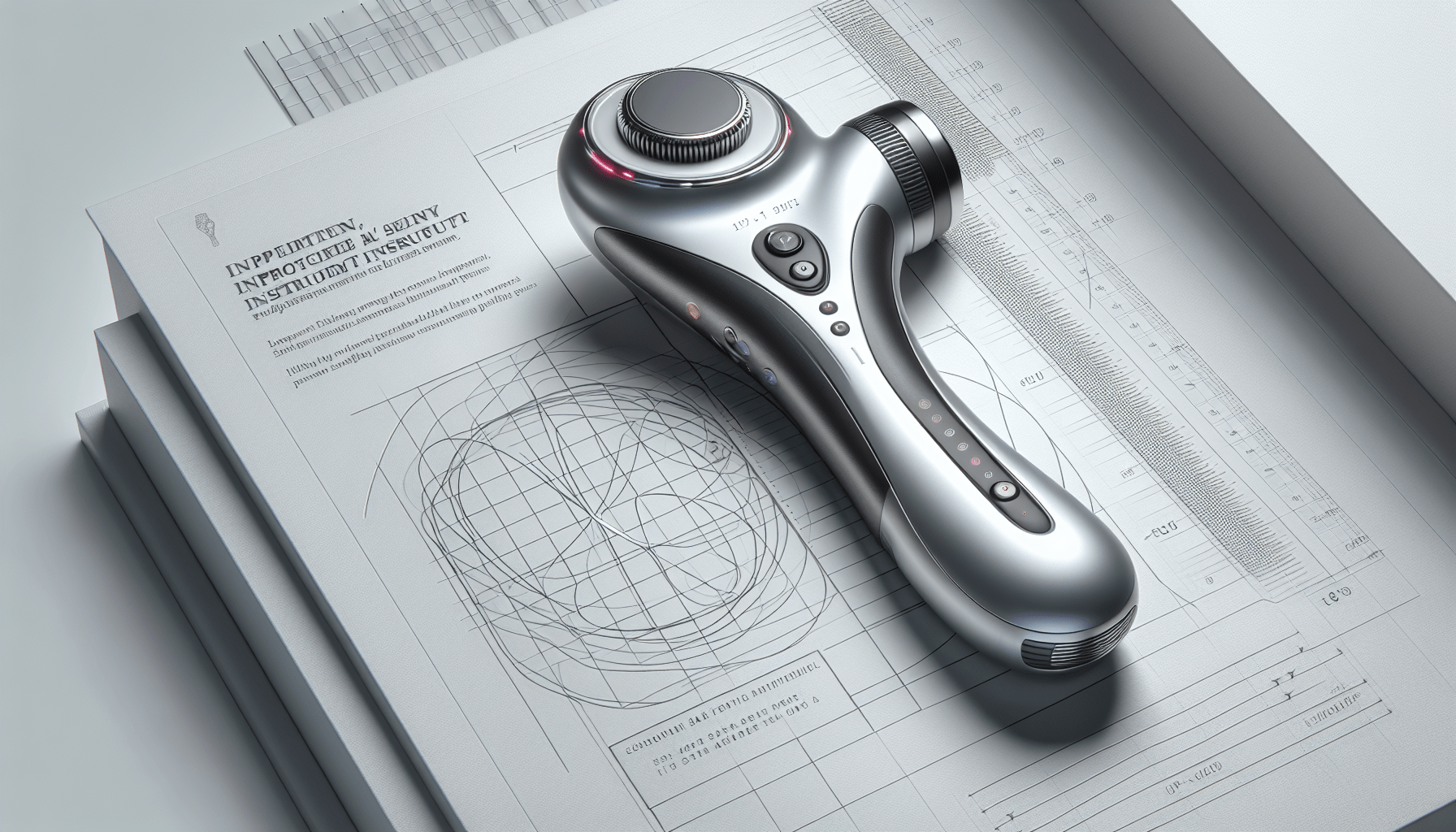
So you’ve decided to purchase a Home Use RF Beauty Instrument to enhance your skincare routine. Now, the next step is to understand how and when to file ISF for this beauty device. In this article, we will break down the process for you so you can confidently navigate through the requirements.
What is ISF?
ISF stands for Importer Security Filing, also known as 10+2 or ISF-10. It is a mandatory filing requirement enforced by U.S. Customs and Border Protection (CBP) for ocean shipments entering the United States. This process aims to enhance the security of imported goods and improve CBP’s ability to scrutinize these shipments before they arrive in the country.
Why File ISF for Home Use RF Beauty Instrument?
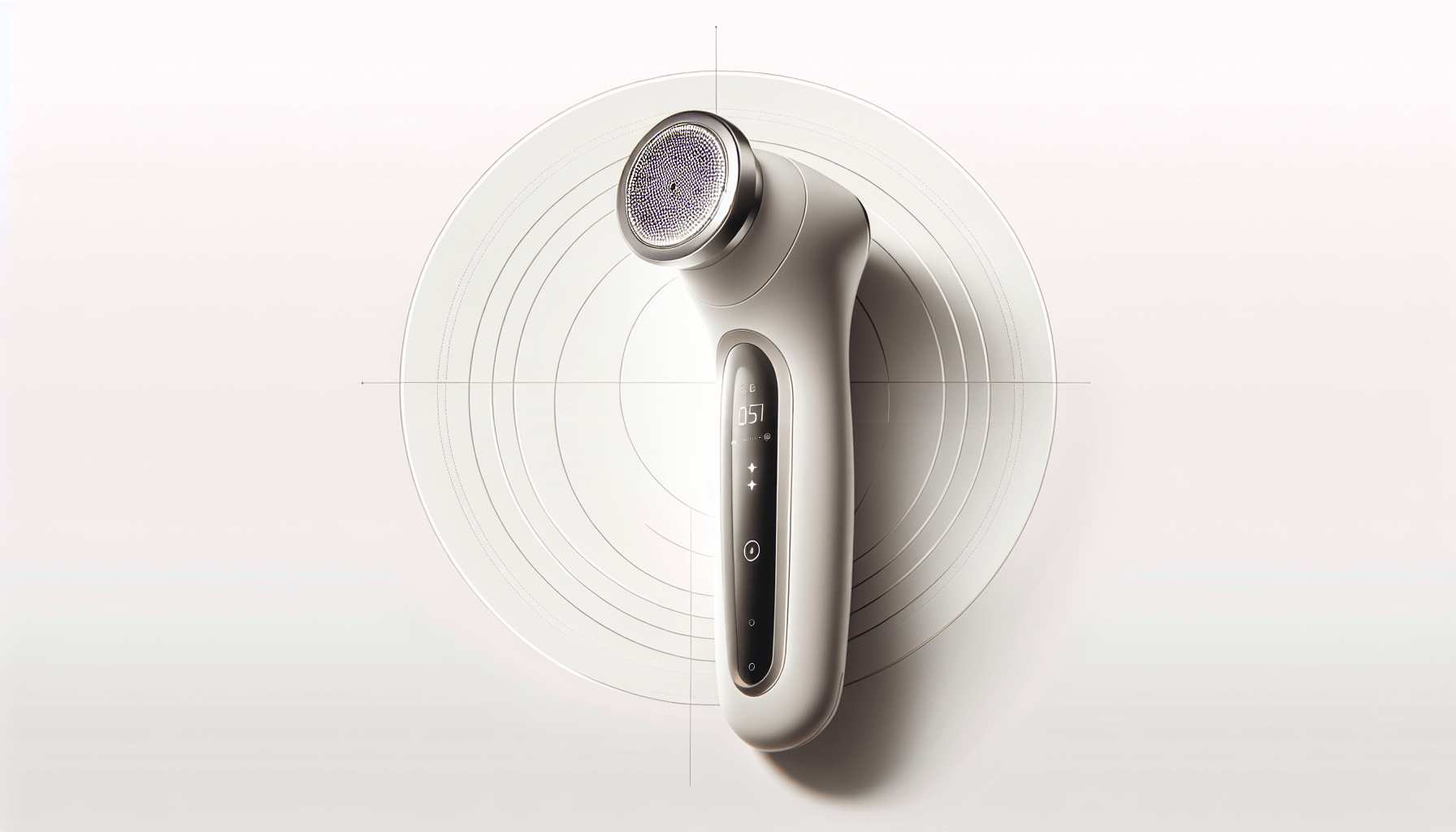
Filing ISF for your Home Use RF Beauty Instrument is crucial to ensure a smooth and hassle-free entry into the United States. By meeting this requirement, you demonstrate compliance with CBP regulations and avoid potential delays or penalties. Additionally, accurate ISF filing provides CBP with essential information about your shipment, enhancing security measures.
Avoid Penalties
Failure to file ISF for your Home Use RF Beauty Instrument can result in penalties from CBP. By submitting the required information in a timely and accurate manner, you can avoid costly fines and delays in the clearance process.
Compliance with Regulations
Adhering to ISF requirements demonstrates your commitment to compliance with CBP regulations. By filing ISF for your beauty device, you showcase your dedication to following proper import procedures and protecting national security interests.
When to File ISF for Home Use RF Beauty Instrument
Understanding the timeline for filing ISF for your Home Use RF Beauty Instrument is essential to ensure a seamless import process. Let’s explore when you should submit this crucial information to CBP.
Timing of ISF Filing
ISF must be filed at least 24 hours before the departure of the vessel bound for the United States. This requirement allows CBP to review the information provided and assess the security risk associated with the incoming shipment.
Advance Planning
To avoid last-minute stress, it is advisable to initiate the ISF filing process well in advance of the vessel’s departure. By proactively gathering the necessary details and working with your customs broker, you can ensure timely submission of the required information.
How to File ISF for Home Use RF Beauty Instrument
Now that you understand the importance of ISF filing and the timeline for submission, let’s dive into the steps involved in filing ISF for your Home Use RF Beauty Instrument.
Work with a Licensed Customs Broker
To streamline the ISF filing process and ensure accuracy, consider partnering with a licensed customs broker. These professionals have the expertise and knowledge to navigate CBP regulations and submit the required information on your behalf. By entrusting this task to a customs broker, you can focus on other aspects of your import process.
Gather Required Information
Before initiating the ISF filing process, gather all the essential details about your Home Use RF Beauty Instrument. This information may include the manufacturer’s name, country of origin, product description, quantity, and value. Ensuring the accuracy of these details is crucial for successful ISF submission.
Submit ISF Electronically
ISF must be filed electronically through the Automated Broker Interface (ABI) or the Automated Manifest System (AMS). Working with a licensed customs broker will facilitate this electronic submission process, helping you meet the CBP requirements efficiently.
Required Information for ISF Filing
When filing ISF for your Home Use RF Beauty Instrument, you will need to provide specific details about the shipment to CBP. Let’s explore the essential information required for ISF submission.
Manufacturer Information
Include details about the manufacturer of your Home Use RF Beauty Instrument, such as their name and address. This information helps CBP verify the origin of the product and ensures compliance with import regulations.
Product Description
Provide a detailed description of the beauty device, including its technical specifications and intended use. Clear and accurate product descriptions help CBP assess the security risk associated with the shipment.
Harmonized Tariff Schedule (HTS) Code
Assign the appropriate Harmonized Tariff Schedule (HTS) code to your Home Use RF Beauty Instrument. This code classifies the product for customs purposes and determines the applicable duty rates. Working with a customs broker can help you identify the correct HTS code for your beauty device.
Country of Origin
Indicate the country where your Home Use RF Beauty Instrument was manufactured. This information is essential for determining the eligibility of the product for preferential trade programs and calculating duty rates.
Container Stuffing Location
Provide details about the location where the container carrying your beauty device was stuffed. This information helps CBP trace the movement of the shipment and enhances security measures.
Common Mistakes to Avoid
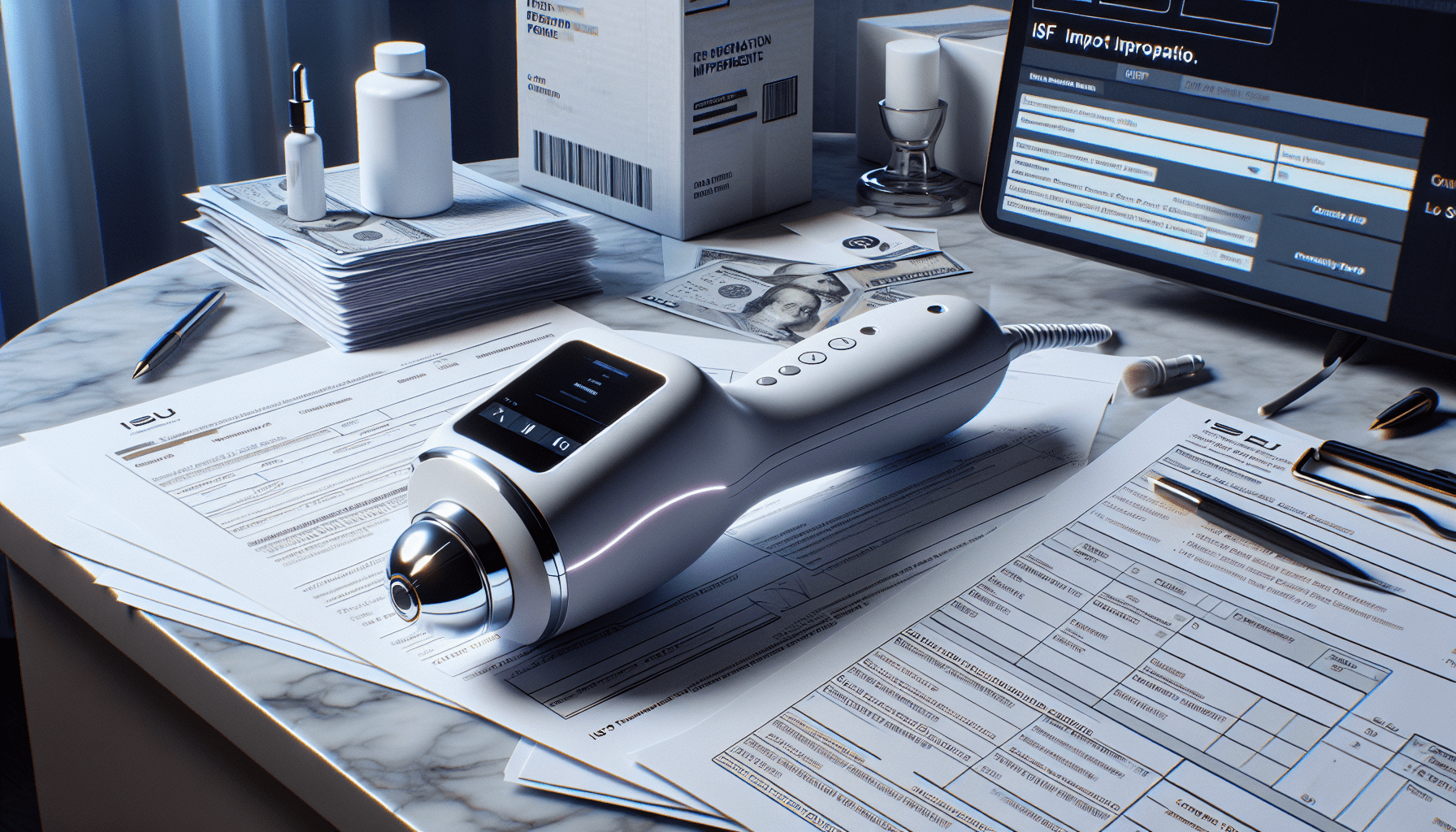
When filing ISF for your Home Use RF Beauty Instrument, it is crucial to avoid common mistakes that could lead to penalties or delays in the import process. Let’s explore some typical errors to steer clear of during ISF submission.
Inaccurate Information
Ensure the accuracy of the details provided in your ISF filing, including the manufacturer’s information, product description, and country of origin. CBP relies on this information to assess the security risk associated with your shipment, so accuracy is paramount.
Late Filing
Missing the deadline for ISF submission can lead to non-compliance penalties from CBP. To avoid this issue, initiate the ISF filing process well ahead of the vessel’s departure and work closely with your customs broker to meet the deadline.
Failure to Update Information
If there are any changes to the information submitted in your ISF filing, promptly update CBP to avoid discrepancies. Keeping the authorities informed of any modifications ensures transparency and compliance with regulations.
Conclusion
Filing ISF for your Home Use RF Beauty Instrument is a critical step in the import process that should not be overlooked. By understanding how and when to file ISF, you can ensure a smooth entry for your beauty device into the United States and avoid penalties or delays. Remember to work with a licensed customs broker, gather accurate information, and submit ISF in a timely manner to comply with CBP regulations effectively.

How To File ISF For Water Slides

How To File ISF For Water Slides
If you’re looking to import water slides for your amusement park or aquatic center, you’ll need to file an Importer Security Filing (ISF) with U.S. Customs and Border Protection. Filing the ISF correctly is crucial to ensure a smooth importation process and avoid any delays or penalties. In this article, we’ll walk you through the steps of filing ISF for water slides to help you get your equipment through customs without a hitch.
What is an Importer Security Filing (ISF)?
Before we dive into the specifics of filing ISF for water slides, let’s start with the basics. An Importer Security Filing, also known as 10+2, is a mandatory document required by U.S. Customs and Border Protection for all ocean shipments entering the United States. The ISF provides important information about the cargo being imported and helps the authorities assess any security risks associated with the shipment.
Filing ISF is a critical step in the importation process, and failing to do so correctly can result in fines, penalties, or even detention of your cargo. That’s why it’s essential to understand the requirements and procedures for filing ISF accurately, especially when importing specialized items like water slides.
Information Required for Filing ISF for Water Slides
When filing ISF for water slides, you’ll need to provide specific information about the shipment to U.S. Customs and Border Protection. This includes details about the importer, consignee, manufacturer, supplier, and the cargo itself. Here are some of the key pieces of information required for filing ISF for water slides:
- Importer of Record: The individual or entity responsible for importing the water slides into the United States.
- Consignee: The party to whom the water slides are being shipped.
- Manufacturer: The company that produced the water slides.
- Supplier: The entity selling or supplying the water slides.
- Country of Origin: The country where the water slides were manufactured.
- HTS Code: The Harmonized Tariff Schedule code for the water slides.
- Container Stuffing Location: The location where the water slides were loaded into the shipping container.
Ensuring that you have accurate and up-to-date information for each of these elements is essential for a successful ISF filing. Providing incomplete or incorrect information can lead to delays and complications during the customs clearance process.

Steps to File ISF for Water Slides
Now that you understand the importance of filing ISF for water slides and the information required for the process, let’s walk through the steps to file ISF correctly. Here’s a step-by-step guide to help you navigate the ISF filing process for importing water slides:
-
Gather Required Information: Collect all the necessary information about the importer, consignee, manufacturer, supplier, and the water slides themselves.
-
Select Your Filing Method: Decide whether you’ll file ISF yourself or use a licensed customs broker or filing agent to assist you with the process.
-
Create an Automated Broker Interface (ABI) Account: If you choose to file ISF on your own, you’ll need to create an ABI account to submit the filing electronically.
-
Submit ISF Filing: Enter all the required information into the ABI system and submit the ISF filing at least 24 hours before the water slides are loaded onto the vessel.
-
Update Changes if Necessary: If any of the information changes after you’ve submitted the ISF, make sure to update the filing with the correct details.
By following these steps and providing accurate information, you can ensure that your ISF filing for water slides is processed smoothly and efficiently.
Common Mistakes to Avoid When Filing ISF for Water Slides
Filing ISF for water slides can be a complex process, and there are several common mistakes that importers often make. To help you avoid these pitfalls, here are some of the most common mistakes to watch out for when filing ISF for water slides:
- Incorrect Information: Providing inaccurate details about the water slides or the shipment can lead to delays and penalties.
- Late Filing: Failing to submit the ISF within the required timeframe can result in fines and other repercussions.
- Failure to Update Changes: If any information changes after filing ISF, make sure to update the filing promptly to avoid discrepancies.
By being aware of these common mistakes and taking steps to avoid them, you can improve your chances of a successful ISF filing for water slides.
Penalties for Non-Compliance with ISF Requirements
Failure to comply with the ISF requirements can result in significant penalties and consequences for importers. The U.S. Customs and Border Protection takes ISF violations seriously and may impose fines, liquidated damages, or even withhold release of the cargo until the ISF is filed correctly.
Penalties for non-compliance with ISF requirements may vary depending on the severity of the violation and the circumstances surrounding the case. It’s essential for importers to understand the consequences of failing to comply with ISF regulations and take proactive steps to ensure that their filings are accurate and timely.
Best Practices for Filing ISF for Water Slides
To streamline the process and avoid potential issues with your ISF filing for water slides, consider implementing the following best practices:
- Start Early: Begin the ISF filing process well in advance of the shipment departure date to allow for any unexpected delays.
- Double-Check Information: Review all the details included in the ISF filing to ensure accuracy and completeness.
- Communicate with Suppliers: Keep open lines of communication with your suppliers to ensure that you have all the necessary information for the ISF filing.
- Use a Customs Broker: Consider working with a licensed customs broker or filing agent to help you navigate the ISF filing process.
By following these best practices and staying proactive throughout the ISF filing process, you can improve your chances of a successful and hassle-free importation of water slides.
Conclusion
Filing ISF for water slides is a crucial step in the importation process that requires careful attention to detail and compliance with U.S. Customs and Border Protection regulations. By understanding the requirements, collecting accurate information, and following best practices, you can ensure that your ISF filing is processed smoothly and efficiently.
If you’re unsure about the ISF filing process for water slides or need assistance with navigating the requirements, consider reaching out to a licensed customs broker or filing agent for guidance. Remember that compliance with ISF regulations is essential for a successful and hassle-free importation experience.