
Posts Tagged ‘ISF Expedite’
Can A Customs Broker Help With Customs Regulations For Imports By Rail Flexitank Transport?
If you’re considering importing goods by rail using flexitank transport, you may be wondering how to navigate the complex world of customs regulations. A customs broker can be a valuable resource in ensuring that your imports comply with all necessary regulations and documentation requirements. With their knowledge and expertise, a customs broker can help streamline the import process and avoid any potential delays or penalties. Whether you’re new to importing by rail or looking to optimize your current operations, enlisting the help of a customs broker could make a world of difference in your supply chain management.
Can A Customs Broker Help With Customs Regulations For Imports By Rail Flexitank Transport?
So you’re looking to import goods via rail with flexitank transportation, but unsure of how to navigate the complex world of customs regulations? You might be wondering if a customs broker can help you with this process. Let’s dive in and explore how a customs broker can assist you in ensuring a smooth import process for your goods.
What is a Customs Broker?
First things first, let’s clarify what a customs broker actually does. A customs broker is a licensed professional who has expertise in customs regulations, tariffs, and trade agreements. Their primary role is to facilitate the clearance of goods through customs and ensure compliance with all relevant laws and regulations.
If you’re feeling overwhelmed by the intricacies of customs regulations, a customs broker can be your trusted guide through the process. They can help you navigate the complexities of import requirements, fill out the necessary paperwork, and ensure that your goods meet all the relevant regulatory standards.
The Role of a Customs Broker in Imports by Rail Flexitank Transport
Now that we understand the basic function of a customs broker, let’s discuss how they can specifically assist you with imports by rail using flexitank transportation. When importing goods via rail with flexitank transport, there are certain regulations and procedures that must be followed to ensure compliance with customs requirements.
A customs broker can help you navigate these regulations and ensure that your goods are cleared through customs smoothly. They can assist you in preparing all the necessary documentation, such as the bill of lading, commercial invoice, packing list, and any other required paperwork.
How a Customs Broker Can Help with Customs Documentation
One of the most crucial aspects of importing goods via rail with flexitank transport is ensuring that all the necessary customs documentation is in order. This includes the bill of lading, which is a legal document that details the type, quantity, and destination of the goods being transported.
A customs broker can help you prepare and submit the bill of lading accurately, ensuring that all the required information is included. They can also assist you in preparing other essential documents, such as the commercial invoice, packing list, and any certificates of origin that may be needed for your goods.
Understanding Tariffs and Duties
When importing goods via rail with flexitank transport, you may be subject to certain tariffs and duties imposed by customs authorities. These tariffs are designed to protect domestic industries and regulate the flow of goods into the country.
A customs broker can help you understand the tariffs and duties that may apply to your goods. They can advise you on the best strategies to minimize your duty obligations and ensure that you are in compliance with all relevant regulations. By working with a customs broker, you can avoid any unexpected costs or delays in the clearance of your goods.
Navigating Customs Clearance Procedures
Clearing goods through customs can be a time-consuming and complex process, especially when importing via rail with flexitank transport. Customs authorities may require additional inspections or documentation to verify the contents of your shipment and ensure compliance with all regulations.
A customs broker can help expedite the customs clearance process by ensuring that all the necessary procedures are followed correctly. They can liaise with customs authorities on your behalf, answer any queries they may have, and resolve any issues that may arise during the clearance process.
Compliance with Regulatory Standards
Ensuring compliance with regulatory standards is essential when importing goods via rail with flexitank transport. Customs regulations are designed to protect public health, safety, and the environment, and failing to comply with these standards can result in hefty fines or even the seizure of your goods.
A customs broker can help you navigate the maze of regulatory standards and ensure that your goods meet all the necessary requirements. They can advise you on any specific regulations that apply to your goods, such as safety standards, labeling requirements, or environmental regulations.
Benefits of Working with a Customs Broker
Now that we’ve explored how a customs broker can assist you with customs regulations for imports by rail with flexitank transport, let’s highlight some of the key benefits of working with a customs broker.
-
Expertise and Experience: Customs brokers are trained professionals with extensive knowledge of customs regulations and procedures. They can provide valuable guidance and support throughout the import process.
-
Time and Cost Savings: By outsourcing the customs clearance process to a customs broker, you can save time and money on administrative tasks and potential delays. Customs brokers have the expertise to expedite the clearance process and minimize your duty obligations.
-
Risk Mitigation: Importing goods can be a risky endeavor, especially when navigating complex customs regulations. By working with a customs broker, you can mitigate the risk of non-compliance with customs regulations and ensure a smooth import process.
Conclusion
In conclusion, a customs broker can be a valuable ally in ensuring compliance with customs regulations for imports by rail with flexitank transport. Their expertise and experience can help you navigate the complexities of customs clearance procedures, understand tariffs and duties, and ensure compliance with regulatory standards.
So, if you’re feeling overwhelmed by the prospect of importing goods via rail with flexitank transport, consider enlisting the services of a customs broker to guide you through the process. With their assistance, you can streamline the import process, minimize risks, and ensure the timely clearance of your goods.
Can I Clear Customs Before My Goods Arrive At The Port Of Entry?
If you’re wondering whether you can clear customs before your goods arrive at the port of entry, the answer is usually no. Customs clearance typically occurs once your goods have reached the designated port of entry and have been properly declared. However, some exceptions may apply for certain pre-clearance programs or expedited clearance options. It’s always best to check with your customs broker or the appropriate authorities for specific regulations and requirements.
Can I Clear Customs Before My Goods Arrive At The Port Of Entry?
Have you ever wondered if there’s a way to clear customs before your goods even arrive at the port of entry? In some cases, it is possible to pre-clear your goods through customs before they physically arrive at the port. Let’s explore how you can make this happen and what benefits it can offer you.
Understanding Pre-Clearance
You might be unfamiliar with the concept of pre-clearance when it comes to customs. Pre-clearance refers to the process of completing customs clearance procedures for your goods before they reach their final destination. This can save you time and hassle once your goods arrive since they will already be cleared by customs.
Pre-clearance is typically offered at certain designated locations such as airports, where goods can be processed and cleared before they are transported to the final destination. It’s important to note that pre-clearance may not be available for all shipments or at all port of entry locations.
Benefits of Pre-Clearing Your Goods
The benefits of pre-clearing your goods before they arrive at the port of entry are numerous. One of the main advantages is that it can significantly reduce the amount of time your goods spend in customs clearance. This means less waiting time and quicker processing once your goods physically arrive.
Another benefit is that pre-clearance can help you avoid delays and unexpected fees. By completing customs procedures in advance, you can address any potential issues or discrepancies before your goods arrive, saving you time and money in the long run.
Additionally, pre-clearance can streamline the import process and improve supply chain efficiency. By proactively clearing your goods, you can ensure a smoother transition from customs clearance to final delivery, ultimately benefiting your business operations.
How to Pre-Clear Your Goods
Now that you understand the benefits of pre-clearance, you might be wondering how you can go about pre-clearing your goods before they arrive at the port of entry. The process typically involves submitting documentation and information to customs authorities in advance of your goods’ arrival.
The exact requirements for pre-clearance can vary depending on the specific location and customs regulations. However, in general, you will need to provide detailed information about your shipment, such as the type of goods, their value, origin, and intended use.
You may also need to submit supporting documents such as invoices, packing lists, and import permits. It’s essential to ensure that all information provided is accurate and complete to avoid any delays or issues during the pre-clearance process.
Working with a Customs Broker
If you’re unfamiliar with the pre-clearance process or find it overwhelming, you may want to consider working with a customs broker. A customs broker is a licensed professional who can help you navigate the complexities of customs clearance and ensure that your goods are pre-cleared efficiently.
A customs broker can assist you with preparing and submitting the necessary documentation, communicating with customs authorities on your behalf, and resolving any issues that may arise during the pre-clearance process.
By enlisting the help of a customs broker, you can save time and effort while ensuring that your goods are pre-cleared correctly and in compliance with customs regulations.
Potential Challenges and Considerations
While pre-clearing your goods can offer numerous benefits, there are also potential challenges and considerations to keep in mind. One challenge is the complexity of customs regulations and procedures, which can vary depending on the type of goods being imported and the country of origin.
It’s essential to familiarize yourself with the customs requirements and regulations applicable to your specific situation to avoid any pitfalls or delays during the pre-clearance process.
Another consideration is the cost associated with pre-clearance. Depending on the services you require and the complexity of your shipment, pre-clearance fees can vary. It’s important to factor in these costs when deciding whether pre-clearing your goods is the right choice for you.
Conclusion
In conclusion, pre-clearing your goods before they arrive at the port of entry can offer numerous benefits, including faster processing, reduced delays, and improved supply chain efficiency. By understanding the pre-clearance process, working with a customs broker if needed, and addressing potential challenges, you can streamline your import operations and ensure a smooth transition for your goods.
If you’re considering pre-clearing your goods, it’s essential to research the requirements and regulations specific to your situation and determine whether pre-clearance is the right choice for you. With proper planning and preparation, pre-clearing your goods can be a valuable strategy for optimizing your import process and enhancing your business operations.
What Are The Import Requirements For Temporary Imported Cars For Religious Events Or Retreats?
If you’re planning on bringing temporary imported cars for religious events or retreats, you’ll need to know the import requirements. Some countries may have specific regulations and procedures in place for temporary imports, so it’s important to do your research beforehand. From securing permits to declaring the purpose of the vehicle’s entry, being organized and prepared can help ensure a smooth and hassle-free process for bringing in temporary cars for your event.
What Are The Import Requirements For Temporary Imported Cars For Religious Events Or Retreats?
Are you planning to bring a car into a different country for a religious event or retreat? If so, you might be wondering about the import requirements you need to meet. In this article, we will discuss everything you need to know about importing temporary cars for religious events or retreats.
Understanding Temporary Import
First things first, let’s clarify what temporary import means. Temporary import refers to bringing a vehicle into a country for a limited period and specific purposes. This could include religious events, retreats, exhibitions, or other similar activities.
Temporary import allows you to bring your vehicle into a foreign country without paying import duties or taxes. However, there are specific requirements you need to meet to qualify for temporary import status.
Eligibility for Temporary Import
To qualify for temporary import status for a vehicle, you typically need to meet certain eligibility criteria. These criteria may vary depending on the country you are importing the vehicle into.
In most cases, you will need to provide proof of the vehicle’s ownership, registration documents, and insurance coverage. Additionally, you may need to demonstrate that the vehicle will only be used for the purpose specified (e.g., religious event or retreat) and will not be sold or used for commercial activities.
Documentation Required
When importing a car for a religious event or retreat, you will need to prepare and submit various documents to the customs authorities. Some of the essential documents you may need to provide include:
- Proof of ownership: This could be the vehicle’s title, registration documents, or a notarized letter from the vehicle owner.
- Temporary import permit: You will need to obtain a temporary import permit from the customs authorities in the country you are importing the vehicle into.
- Insurance coverage: You will need to show proof of valid insurance coverage for the vehicle.
- Invitation letter: If you are attending a religious event or retreat, you may need to provide an invitation letter from the organizing entity.
Make sure to check with the customs authorities in the destination country to confirm the specific documentation requirements for temporary import.
Temporary Import Permit
One of the critical documents you will need when importing a car for a religious event or retreat is a temporary import permit. This permit allows you to bring the vehicle into the country without paying import duties or taxes.
To obtain a temporary import permit, you will need to submit an application to the customs authorities. The application will typically require information about the vehicle, its purpose for import, and the estimated duration of stay in the country.
Once your application is approved, you will receive a temporary import permit that you must carry with you at all times while the vehicle is in the country.
Customs Clearance Process
When you arrive in the destination country with your imported vehicle, you will need to go through the customs clearance process. This process involves presenting your temporary import permit and other required documents to the customs authorities.
The customs officers will inspect the vehicle to ensure it matches the description provided in your permit. They may also verify other details, such as the vehicle’s VIN number, make, and model.
Once the customs clearance process is complete, you will be allowed to drive the vehicle in the country for the specified period. Make sure to adhere to the conditions outlined in your temporary import permit to avoid any penalties or fines.
Tips for Importing a Car Temporarily
Importing a car temporarily for a religious event or retreat can be a smooth process if you follow the right steps. Here are some tips to help you navigate the process successfully:
- Plan ahead: Start the temporary import process well in advance of your departure to allow ample time for obtaining permits and completing any required paperwork.
- Consult with customs authorities: Reach out to the customs authorities in the destination country to clarify any doubts and ensure you have all the necessary documentation.
- Keep all documents handy: Make copies of all the essential documents and keep them with you at all times during your stay in the country.
- Follow the rules: Adhere to the conditions outlined in your temporary import permit to avoid any issues with customs authorities.
By following these tips, you can ensure a hassle-free experience when importing a car for a religious event or retreat.
Import Requirements by Country
Import requirements for temporary imported cars can vary from one country to another. Each country may have its specific rules and regulations regarding temporary vehicle imports for religious events or retreats.
Before planning to import a car into a foreign country, it is essential to research the specific import requirements of that country. Some countries may have strict eligibility criteria, documentation requirements, or restrictions on the types of vehicles that can be imported temporarily.
To give you an idea of the variations in import requirements by country, let’s take a look at the import regulations of a few popular destinations for religious events and retreats:
United States
The United States allows temporary imports of vehicles for religious events or retreats under certain conditions. To import a vehicle temporarily into the US, you will typically need to obtain a Customs and Border Protection (CBP) Form 3311 and provide proof of the vehicle’s ownership, insurance coverage, and intended use.
India
India has specific rules for temporary vehicle imports for religious purposes. To import a vehicle temporarily into India for a religious event or retreat, you will need to obtain a Carnet de Passage en Douane and submit the vehicle’s registration documents, valid insurance coverage, and an invitation letter from the organizing entity.
Italy
Italy also permits temporary imports of vehicles for religious events or retreats. To import a vehicle temporarily into Italy, you will need to obtain a Temporary Import Declaration and submit the vehicle’s registration documents, proof of insurance, and a statement of intended use.
These are just a few examples of the import requirements in different countries. Make sure to research the specific regulations of the destination country before importing a vehicle for a religious event or retreat.
Conclusion
Importing a car for a religious event or retreat can be a rewarding experience, allowing you to participate fully in the event without worrying about transportation issues. By understanding the import requirements, preparing the necessary documentation, and following the rules, you can ensure a smooth and hassle-free import process.
If you are planning to import a vehicle for a religious event or retreat, make sure to research the specific requirements of the destination country and consult with the customs authorities to ensure a successful import. With proper planning and organization, you can enjoy a seamless experience while attending your religious event or retreat with your imported vehicle.
What Are The Requirements For Importing Goods Subject To Children’s Clothing And Accessories Regulations?
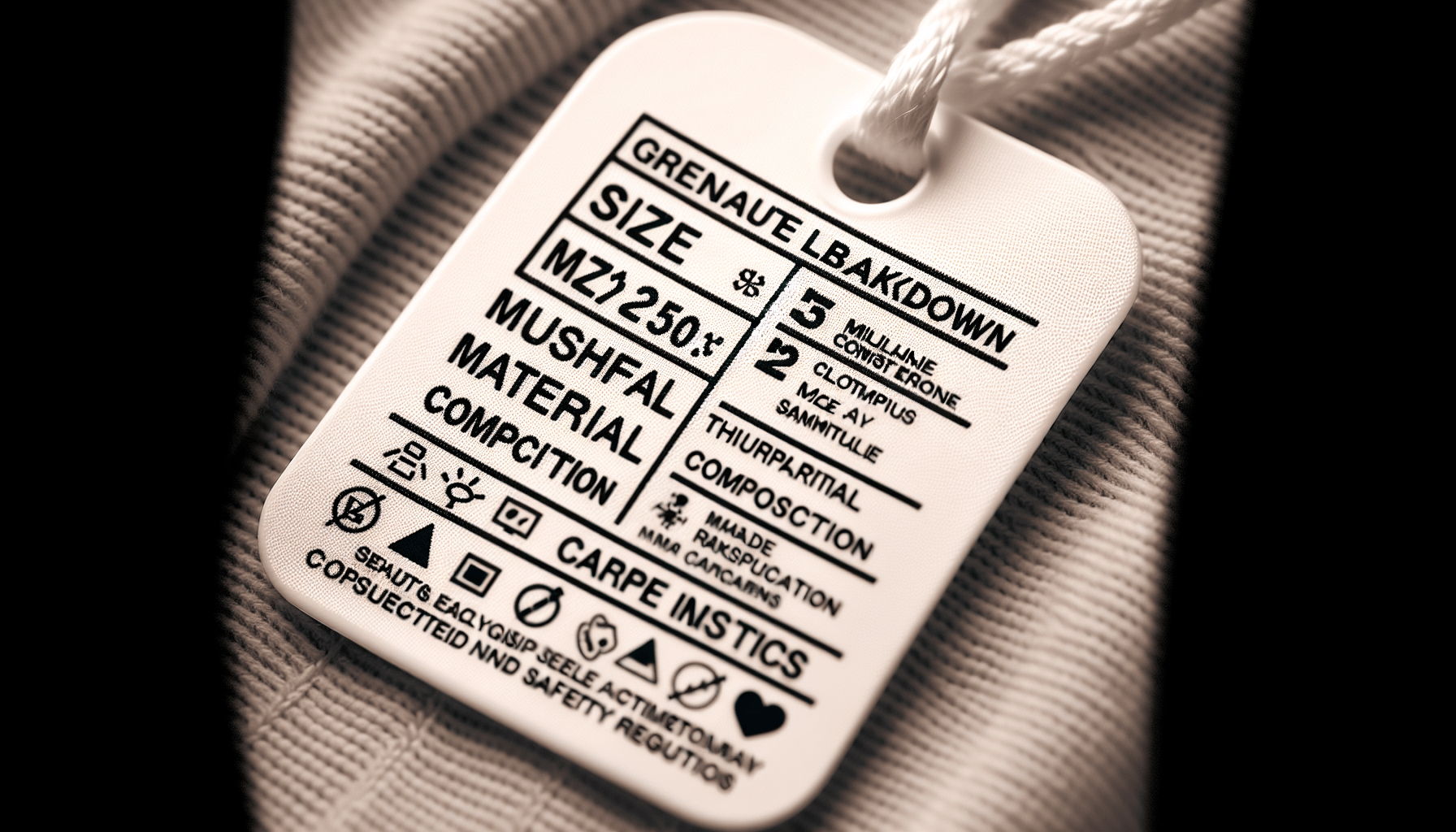
When importing children’s clothing and accessories, it’s important to know and comply with the regulations in place to ensure the safety and quality of these products. Requirements may include testing for hazardous materials, proper labeling, and meeting specific safety standards. By understanding and following these regulations, you can ensure that the products you are importing are safe for children to use and wear.
What Are The Requirements For Importing Goods Subject To Children’s Clothing And Accessories Regulations?
If you’re looking to import children’s clothing and accessories into the country, it’s crucial to understand the regulations that govern these products. Navigating the requirements can be overwhelming, but don’t worry – we’re here to help break it down for you.
Understanding The Regulations
Before you jump into importing children’s clothing and accessories, it’s essential to understand the regulations that apply to these products. Regulations are put in place to ensure the safety and quality of items meant for children. You’ll need to comply with these regulations to legally import and sell children’s clothing and accessories in the United States.
Consumer Product Safety Commission (CPSC) Regulations
The Consumer Product Safety Commission (CPSC) is the federal agency responsible for overseeing child product safety in the United States. The CPSC has specific regulations that apply to children’s clothing and accessories to protect against potential hazards such as choking, strangulation, or chemical exposure. It’s crucial to adhere to these regulations to ensure that the products you import meet safety standards.
Flammability Requirements
Children’s clothing and accessories must comply with flammability requirements outlined by the CPSC. These regulations are in place to reduce the risk of clothing catching fire and causing harm to children. Make sure that the items you import meet these flammability standards to keep children safe.
Labeling Requirements
Proper labeling is essential when importing children’s clothing and accessories. Labels provide important information about the product, such as size, material composition, and care instructions. Ensuring that your products are correctly labeled will help consumers make informed decisions and comply with regulations.
Size Labels
Children’s clothing should have clear and accurate size labels to help consumers choose the right size for their child. Make sure that the size labels are easy to read and properly attached to the garment.
Material Composition Labels
It’s important to include material composition labels on children’s clothing and accessories to inform consumers about the materials used in the product. This information is crucial for parents who may have children with specific allergies or sensitivities.
Care Instructions Labels
Providing care instructions on children’s clothing and accessories is essential for maintaining the quality and longevity of the product. Make sure to include clear and easy-to-follow care instructions on the labels to help consumers properly care for the items.
Testing and Certification
Before importing children’s clothing and accessories, you’ll need to ensure that the products comply with safety standards through testing and certification. Testing is necessary to verify that the items meet the required regulations and do not pose any safety risks to children.
Third-Party Testing
Third-party testing involves sending samples of children’s clothing and accessories to an accredited laboratory for testing. The laboratory will assess whether the products comply with safety standards set by the CPSC. It’s crucial to obtain passing test results from a recognized testing facility before importing the items.
Certification
Once the products have been tested and deemed safe for children, you’ll need to obtain a certificate of compliance. This certification serves as proof that the items meet the necessary regulations and can be legally sold in the United States. Make sure to keep documentation of the certification readily available for inspection.
Documentation and Record-Keeping
Keeping detailed documentation and records is essential when importing children’s clothing and accessories. Having organized records will help you track compliance with regulations, manage product information, and ensure transparency throughout the importation process.
Importer Identification
As an importer of children’s clothing and accessories, you’ll need to accurately identify yourself on all documentation related to the imported products. Make sure to include your name, address, and contact information on invoices, labels, and certificates to facilitate communication and traceability.
Shipping Records
Maintaining shipping records is crucial for tracking the movement of imported children’s clothing and accessories. Keep detailed records of shipping dates, carriers, tracking numbers, and delivery confirmation to monitor the importation process effectively.
Product Information
Record-keeping should include detailed information about the imported children’s clothing and accessories. Document product descriptions, quantities, prices, and compliance status to ensure that you have accurate information for inventory management and regulatory purposes.
Conclusion
Importing children’s clothing and accessories is a rewarding endeavor, but it comes with specific regulations that must be followed. By understanding the requirements for importing these products, you can ensure that your items meet safety standards and comply with CPSC regulations. Remember to stay informed, keep detailed records, and prioritize the safety of the children who will be using these products. Happy importing!
Do I Need To Obtain An Import Bond For Importing Cars Into The US?
If you’re thinking about importing cars into the US, you may be wondering if you need to obtain an import bond. The answer is yes. An import bond, also known as a surety bond, is required by US Customs and Border Protection (CBP) for all car imports. This bond serves as a guarantee that you will comply with all customs regulations and pay any duties or taxes owed on the vehicles you’re bringing into the country. Without an import bond, your cars may not be allowed entry into the US. So, it’s important to make sure you have this necessary documentation in place before importing any cars.
Do I Need To Obtain An Import Bond For Importing Cars Into The US?
Hey there! So, you’re thinking about importing cars into the US, but you’re not quite sure if you need to obtain an import bond. Let’s break it down for you and help you understand whether or not you’ll need one.
What is an Import Bond?
First things first, let’s talk about what an import bond is. An import bond, also known as a customs bond, is a type of surety bond that is required by US Customs and Border Protection (CBP) for certain types of imports. Essentially, it’s like a guarantee that you will comply with all regulations and laws related to importing goods into the US.
Why is an Import Bond Required?
An import bond is required by CBP to ensure that duties, taxes, and fees related to imported goods are paid, and that all regulations are followed. It helps protect the US government in case there are any issues with the imported goods.
Do You Need an Import Bond for Importing Cars?
Now, let’s get to the important question – do you need to obtain an import bond for importing cars into the US?
Importing Personally Owned Vehicles
If you are importing a personally owned vehicle into the US for personal use, you typically will not need to obtain an import bond. However, you will still need to meet all of the requirements set forth by CBP, including providing the necessary documentation and paying any duties and taxes that may be applicable.
Importing Cars for Commercial Purposes
On the other hand, if you are importing cars into the US for commercial purposes, such as for resale or to be used as part of a business, you will likely need to obtain an import bond. This is because commercial imports are subject to different regulations and requirements than imports for personal use.
Determining if an Import Bond is Required
To determine if you need to obtain an import bond for importing cars into the US, it’s best to consult with a customs broker or import specialist. They will be able to help you navigate the requirements and ensure that you are in compliance with all regulations.
How to Obtain an Import Bond
If you do determine that you need to obtain an import bond for importing cars into the US, here’s how you can go about doing so.
Working with a Customs Broker
One of the easiest ways to obtain an import bond is to work with a customs broker. Customs brokers are licensed professionals who specialize in navigating the complexities of importing goods into the US. They can assist you with obtaining an import bond, as well as with completing all of the necessary paperwork and requirements.
Obtaining a Single Transaction Bond
If you are only importing cars into the US on a one-time basis, you may be able to obtain a single transaction bond. This type of bond is valid for a single importation and does not require an ongoing commitment. It’s a great option if you are not planning on importing cars into the US regularly.
Getting a Continuous Bond
If you plan on importing cars into the US on a regular basis, it may be more cost-effective to obtain a continuous bond. A continuous bond remains in effect for a set period of time, typically one year, and covers all imports made during that time frame. This can streamline the import process and save you time and money in the long run.
The Cost of an Import Bond
Now, let’s talk about the cost of obtaining an import bond for importing cars into the US.
Factors that Affect the Cost
The cost of an import bond can vary depending on a number of factors, including the value of the goods being imported, the type of bond required, and the creditworthiness of the importer. Generally, import bonds are priced as a percentage of the total value of the goods being imported.
Single Transaction Bond Costs
If you are obtaining a single transaction bond for a one-time import, the cost will typically be based on the value of the goods being imported. This can range from a few hundred dollars to several thousand, depending on the value of the cars.
Continuous Bond Costs
For a continuous bond, the cost will also be based on the value of the goods being imported, but may be more cost-effective in the long run for regular importers. Continuous bonds are typically priced lower on a per-transaction basis than single transaction bonds.
Conclusion
In conclusion, whether or not you need to obtain an import bond for importing cars into the US will depend on the specific circumstances of your importation. If you are importing cars for personal use, you may not need an import bond. However, if you are importing cars for commercial purposes, such as resale or business use, you will likely need to obtain an import bond.
It’s always best to consult with a customs broker or import specialist to determine your specific requirements and ensure that you are in compliance with all regulations. Importing cars into the US can be a complex process, but with the right guidance and knowledge, you can navigate the process smoothly and successfully. Good luck!
Can A Customs Broker Help With Customs Regulations For Imports By Rail Container Transport?
Can A Customs src=”https://www.youtube.com/embed/?rel=0″ Help With Customs Regulations For Imports By Rail Container Transport?
If you’re looking to navigate the complex world of importing goods by rail container transport, a customs broker can be a valuable resource. With their expertise in customs regulations and procedures, a customs broker can help ensure that your imports comply with all necessary requirements and that your shipments move smoothly through the customs clearance process. From classification and valuation of goods to managing paperwork and coordinating with customs officials, a customs broker can provide the guidance and support you need to successfully import goods by rail container transport.
Can A Customs Broker Help With Customs Regulations For Imports By Rail Container Transport?
If you’re importing goods via rail container transport, you may be wondering if you need a customs broker to help navigate the customs regulations. Let’s take a closer look at how a customs broker can assist you in this process.
What Does A Customs Broker Do?
A customs broker is a licensed professional who helps importers and exporters comply with the complex regulations set by government agencies like Customs and Border Protection (CBP). They facilitate the clearance of goods through customs by preparing and submitting the necessary documentation, paying duties and taxes on behalf of their clients, and ensuring that shipments meet all legal requirements.
Why Do You Need A Customs Broker for Rail Container Transport?
Importing goods by rail container transport involves a unique set of challenges and regulations that can be difficult to navigate on your own. A customs broker has the expertise and experience to ensure that your shipments comply with all relevant laws and regulations, avoiding delays, fines, or seizures at the border.
Having a customs broker on your side can save you time and hassle, allowing you to focus on your core business activities instead of getting bogged down in paperwork and red tape. They can also help you take advantage of any available duty savings or trade programs that could benefit your bottom line.
How Can A Customs Broker Help with Customs Regulations for Rail Imports?
When it comes to importing goods by rail, customs brokers play a crucial role in ensuring that your shipments clear customs smoothly and efficiently. Here are some ways a customs broker can help you navigate the customs regulations for rail container transport:
Documentation Preparation and Submission
One of the most important tasks that a customs broker performs is preparing and submitting the necessary documentation for your imports. This includes the commercial invoice, packing list, bill of lading, and any other required paperwork.
By accurately completing and submitting these documents, a customs broker can help you avoid costly delays and penalties at the border. They have a deep understanding of the specific requirements for rail imports, ensuring that your shipments comply with all relevant regulations.
Duty and Tax Calculation
Calculating the duties and taxes owed on your imported goods can be a complex and time-consuming process. A customs broker has the knowledge and tools to accurately determine the amount owed and ensure that it is paid on time to avoid any penalties.
They can also help you take advantage of any available duty savings programs or preferential trade agreements that could lower your overall costs. By working with a customs broker, you can ensure that you are not paying more than necessary for your imports.
Compliance with Customs Regulations
Navigating the complex web of customs regulations can be challenging, especially for those new to importing goods by rail. A customs broker can help you stay compliant with all relevant laws and regulations, ensuring that your shipments meet the necessary standards for entry into the country.
Whether it’s ensuring that you have the correct permits and licenses or making sure that your shipments are properly classified under the Harmonized Tariff Schedule, a customs broker can provide valuable expertise to keep your imports on the right side of the law.
Cargo Inspections and Compliance Checks
Customs authorities often conduct inspections and compliance checks on imported goods to ensure that they meet all legal requirements. A customs broker can help facilitate these inspections and ensure that your shipments are in full compliance with all applicable regulations.
By working closely with customs officials, a customs broker can help minimize the risk of delays or seizures and ensure that your shipments are cleared for entry into the country. They can also provide guidance on how to prepare your goods for inspection and what to expect during the process.
Communication with Customs Authorities
Dealing with customs authorities can be a daunting task, especially if you are not familiar with the customs process. A customs broker acts as your representative in dealings with customs officials, communicating on your behalf to resolve any issues that may arise.
Whether it’s responding to requests for additional information, addressing discrepancies in your documentation, or resolving disputes over duty rates, a customs broker can help you navigate the often-confusing world of customs regulations with ease.
Do You Need A Customs Broker for Rail Imports?
If you’re still unsure whether you need a customs broker for your rail imports, consider the following factors:
Volume of Imports
If you are importing goods on a small scale and infrequently, you may be able to manage the customs process on your own. However, if you are importing goods in large volumes or on a regular basis, a customs broker can help streamline the process and ensure compliance with all regulations.
Complexity of Goods
Certain types of goods may be subject to additional regulations or restrictions that require expert knowledge to navigate. If your imports involve specialized or regulated products, a customs broker can provide invaluable assistance in ensuring that your shipments clear customs without any issues.
Time and Resources
Managing the customs process can be time-consuming and resource-intensive, especially if you are unfamiliar with the requirements for importing goods by rail. By enlisting the help of a customs broker, you can free up valuable time and resources to focus on growing your business and serving your customers.
Cost Considerations
While hiring a customs broker may involve additional costs, the benefits of working with a professional can often outweigh the expenses. A customs broker can help you avoid costly mistakes, penalties, and delays at the border, ultimately saving you time and money in the long run.
Conclusion
Importing goods by rail container transport can be a complex and challenging process, especially when it comes to navigating the customs regulations that govern international trade. By working with a customs broker, you can ensure that your shipments clear customs smoothly and efficiently, minimizing the risk of delays, fines, or seizures at the border.
A customs broker has the knowledge, experience, and resources to help you comply with all relevant laws and regulations, saving you time and hassle in the importation process. Whether it’s preparing and submitting documentation, calculating duties and taxes, or communicating with customs authorities, a customs broker plays a crucial role in helping you import goods by rail with confidence.
So, can a customs broker help with customs regulations for imports by rail container transport? The answer is a resounding yes. By enlisting the help of a customs broker, you can navigate the complexities of the customs process with ease, ensuring that your shipments reach their destination safely and on time.
What Are The Import Requirements For Temporary Imported Cars For Charity Car Shows Or Events?

If you’re planning to showcase a temporary imported car at a charity car show or event, it’s important to understand the import requirements beforehand. Whether you’re bringing in a classic car from overseas or a special model for a limited time, knowing the rules and regulations can help ensure a smooth and successful display. From paperwork and documentation to compliance with safety standards, being prepared will make the process easier and more enjoyable for everyone involved.
What Are The Import Requirements For Temporary Imported Cars For Charity Car Shows Or Events?
Have you ever considered showcasing your car at a charity car show or event? If you’re thinking about temporarily importing your vehicle for such an occasion, it’s essential to understand the import requirements involved. Whether you’re a car enthusiast looking to share your pride and joy with others or a charity event organizer seeking unique vehicles to draw in crowds, knowing the necessary steps to import a car for a temporary exhibit is crucial. In this article, we’ll delve into the specific import requirements for temporary imported cars for charity car shows or events, so you can navigate the process confidently.
Understanding Temporary Imports for Cars
Before we dive into the specific import requirements, let’s first clarify what a temporary import entails. A temporary import refers to the situation where a vehicle is brought into a country for a limited period, typically for a specific purpose such as an exhibition, event, or show. In the case of charity car shows or events, car owners may bring their vehicles from another country to display them temporarily, after which they will return the vehicles to their country of origin. This temporary importation allows participants to showcase their unique or vintage cars without having to go through the full import process, which can be time-consuming and costly.
Temporary Import Permit
One of the essential requirements for temporarily importing a car for a charity car show or event is obtaining a temporary import permit. This permit serves as official documentation from the relevant authorities that authorizes the temporary entry of the vehicle into the country for the specific purpose stated. The permit will outline the duration for which the vehicle is allowed to remain in the country, as well as any additional conditions or restrictions that may apply.
To obtain a temporary import permit, you will need to submit an application to the appropriate government agency or customs authority. The application will typically require details about the vehicle, its owner, the purpose of the temporary import, and the expected duration of stay in the country. It’s essential to ensure that all information provided is accurate and complete to avoid any delays or issues with the permit approval process.
Tips for Obtaining a Temporary Import Permit
When applying for a temporary import permit for your car, here are a few tips to help streamline the process:
- Start the application process well in advance of the charity car show or event to allow for any unforeseen delays.
- Double-check all information provided on the application form to ensure accuracy.
- Keep all relevant documents, such as vehicle registration papers, insurance certificates, and identification documents, handy for easy reference.
- Follow up on the status of your application periodically to expedite the approval process.
Customs Clearance and Declaration
In addition to obtaining a temporary import permit, you will also need to go through customs clearance and make a declaration of the vehicle upon entry into the country. Customs clearance involves the inspection of the vehicle by customs officials to ensure compliance with import regulations and any applicable duties or taxes. It’s crucial to have all necessary documents, such as the temporary import permit, vehicle registration papers, and proof of insurance, readily available for inspection during customs clearance.
Making a declaration of the vehicle at the point of entry into the country involves providing detailed information about the vehicle, its owner, and the purpose of the temporary import. This information is essential for customs officials to verify the legality of the import and assess any duties or taxes that may be applicable. Failure to make a proper declaration or provide accurate information could result in fines, penalties, or even confiscation of the vehicle.
Necessary Documentation for Customs Clearance and Declaration
When going through customs clearance and making a declaration for your temporarily imported car, make sure to have the following documents on hand:
- Temporary import permit
- Vehicle registration papers
- Proof of insurance
- Identification documents (e.g., passport, driver’s license)
- Invoice or proof of ownership of the vehicle
- Any additional permits or certificates required by the customs authorities
Compliance with Vehicle Standards and Regulations
Another crucial aspect of temporarily importing a car for a charity car show or event is ensuring compliance with vehicle standards and regulations in the host country. Different countries may have varying regulations regarding vehicle emissions, safety features, and technical specifications that imported vehicles must meet. It’s essential to familiarize yourself with these regulations to avoid any issues or delays during customs clearance and inspection.
Before importing your car, check with the relevant authorities or government agencies in the host country to determine the specific vehicle standards and regulations that apply. Make sure that your vehicle meets these requirements or make any necessary modifications or adjustments to ensure compliance. Non-compliance with vehicle standards and regulations could result in the refusal of entry into the country or the impounding of the vehicle until compliance is achieved.
Preparing Your Vehicle for Temporary Import
To ensure compliance with vehicle standards and regulations in the host country, consider the following preparations before importing your car:
- Check the vehicle’s emissions levels to ensure they meet the host country’s standards.
- Verify that all safety features, such as seat belts, airbags, and lights, are functioning correctly.
- Have the vehicle inspected by a certified mechanic to identify any potential issues or areas for improvement.
- Obtain any necessary certificates or certifications required by the host country for vehicle compliance.
Insurance Coverage for Temporary Imports
When temporarily importing your car for a charity car show or event, it’s crucial to have the appropriate insurance coverage in place to protect yourself and your vehicle. Insurance coverage for temporary imports typically includes third-party liability insurance, which covers damages or injuries caused to third parties in the event of an accident involving your vehicle. In addition to third-party liability insurance, consider getting comprehensive insurance coverage to protect your vehicle against theft, vandalism, or damage.
Before importing your car, contact your insurance provider to inquire about temporary insurance coverage for the specific purpose of the import. Make sure to provide all relevant details about the temporary import, including the duration of stay in the host country and the purpose of the import, to ensure that you have adequate coverage. In the event of an accident or theft during the charity car show or event, having the right insurance coverage can provide peace of mind and financial protection.
Tips for Obtaining Insurance Coverage for Temporary Imports
When seeking insurance coverage for your temporarily imported car, keep the following tips in mind:
- Inform your insurance provider well in advance of the import to allow for any necessary adjustments or accommodations.
- Provide accurate information about the purpose of the import, the duration of stay, and any additional conditions that may apply.
- Review the details of the insurance policy, including coverage limits, exclusions, and deductibles, to ensure that you have adequate protection.
- Keep a copy of the insurance policy and contact information for your insurance provider handy during the charity car show or event.
Re-exportation of the Vehicle
After the charity car show or event has concluded, you will need to make arrangements for the re-exportation of your vehicle to its country of origin. Re-exportation involves preparing the vehicle for transit, clearing customs for export, and complying with any documentation or requirements specified for the process. It’s essential to plan ahead and ensure that all necessary steps are taken to facilitate the smooth re-exportation of your vehicle.
As part of the re-exportation process, you may need to obtain an export permit or certificate from the customs authorities in the host country. This permit serves as official documentation authorizing the export of the vehicle and may include details such as the vehicle’s identification, owner’s information, and destination country. Make sure to comply with any conditions or restrictions outlined in the export permit to avoid any issues during the re-exportation process.
Tips for Re-exporting Your Vehicle
To ensure a seamless re-exportation process for your vehicle, consider the following tips:
- Contact the customs authorities in the host country well in advance to inquire about the requirements for export permits or certificates.
- Prepare all necessary documentation for export, including the temporary import permit, vehicle registration papers, proof of ownership, and insurance certificates.
- Arrange for transportation or shipping services to transport the vehicle back to its country of origin safely and securely.
- Notify the customs authorities in the host country of your intention to re-export the vehicle and follow any instructions provided for the process.
Conclusion
In conclusion, understanding the import requirements for temporarily imported cars for charity car shows or events is essential for a smooth and successful experience. By obtaining a temporary import permit, going through customs clearance and declaration, complying with vehicle standards and regulations, securing insurance coverage, and planning for the re-exportation of the vehicle, you can navigate the process confidently and showcase your car with pride. Remember to follow the tips provided in this article, stay organized, and communicate with the relevant authorities to ensure a seamless temporary importation experience. Whether you’re a car enthusiast looking to share your passion or a charity event organizer seeking unique vehicles, temporary imports offer a fantastic opportunity to make a memorable impact. Enjoy the experience, showcase your car with pride, and contribute to a worthy cause through charity car shows or events.
What Is A Trade Finance Policy And How Does It Govern Transactions In International Trade?
Trade finance policies are key documents that outline the rules and procedures for conducting transactions in international trade. These policies govern everything from payment terms and financing options to risk management and dispute resolution. By establishing clear guidelines, trade finance policies help ensure smooth and efficient transactions between importers and exporters, reducing the risk of misunderstandings or disputes. Understanding and adhering to these policies is essential for all parties involved in international trade to navigate the complexities and ensure successful outcomes.
What Is A Trade Finance Policy And How Does It Govern Transactions In International Trade?
Have you ever wondered how businesses manage their finances when conducting transactions in international trade? A trade finance policy plays an essential role in ensuring that these transactions run smoothly and efficiently. Let’s dive deeper into what a trade finance policy is and how it governs transactions in international trade.
Understanding Trade Finance Policy
So, what exactly is a trade finance policy? In simple terms, a trade finance policy is a set of guidelines and procedures that govern how a company manages its finances when engaging in international trade. It outlines the terms and conditions for payment, the documentation required, and the responsibilities of all parties involved in the transaction.
Key Components of Trade Finance Policy
A trade finance policy typically includes the following key components:
- Payment terms: Specifies how and when payments will be made between the buyer and seller.
- Documentation requirements: Outlines the documents required for the transaction, such as invoices, bills of lading, and certificates of origin.
- Risk management: Addresses how risks associated with currency fluctuations, non-payment, or political instability will be mitigated.
- Compliance with regulations: Ensures that the transaction complies with all relevant laws and regulations, including import/export restrictions and sanctions.
Types of Trade Finance Policies
There are several types of trade finance policies that companies can implement based on their specific needs and the nature of their international trade transactions. Let’s explore some of the common types:
Open Account Policy
An open account policy is the most straightforward type of trade finance policy, where the buyer pays for the goods or services after receiving them. This places the risk of non-payment on the seller, who must trust that the buyer will honor the payment terms.
Letter of Credit Policy
A letter of credit policy is a more secure option for both the buyer and seller. In this case, a bank guarantees payment to the seller once the terms of the letter of credit are met. This reduces the risk of non-payment for the seller while ensuring that the buyer receives the goods or services as specified.
Documentary Collection Policy
Under a documentary collection policy, a bank acts as an intermediary between the buyer and seller to facilitate payment. The bank collects payment from the buyer on behalf of the seller once the goods are received. This provides a level of security for both parties while ensuring the smooth flow of the transaction.
Benefits of Implementing a Trade Finance Policy
Now that we’ve covered the basics of a trade finance policy, let’s explore some of the benefits that come with implementing one for your international trade transactions:
Improved Cash Flow Management
By specifying payment terms and conditions in a trade finance policy, companies can better manage their cash flow and ensure that payments are received on time. This helps to reduce the risk of late payments and improves financial planning.
Reduced Risk of Non-Payment
One of the major benefits of having a trade finance policy in place is the reduced risk of non-payment. With clear guidelines on payment terms and conditions, companies can avoid disputes and uncertainties related to payment.
Enhanced Compliance and Risk Management
A trade finance policy ensures that companies comply with all relevant laws and regulations governing international trade. It also helps in identifying and mitigating risks associated with currency fluctuations, political instability, and non-payment.
Streamlined Documentation Process
By outlining the documentation requirements in a trade finance policy, companies can streamline the process of collecting, verifying, and submitting necessary documents for international trade transactions. This reduces the chances of delays or errors in the documentation process.
Implementing a Trade Finance Policy
Now that you understand the importance and benefits of a trade finance policy, let’s discuss how you can implement one for your business:
Conduct a Risk Assessment
Start by conducting a thorough risk assessment of your international trade transactions to identify potential risks and challenges. This will help you tailor your trade finance policy to address specific risks and ensure smooth transactions.
Define Payment Terms and Conditions
Clearly define payment terms and conditions in your trade finance policy, including the currency to be used, the mode of payment, and the timeline for payment. This will help prevent disputes and uncertainties regarding payments.
Establish Documentation Requirements
Outline the documentation requirements for your international trade transactions in your trade finance policy. This should include invoices, bills of lading, certificates of origin, and any other documents necessary for the transaction.
Engage with Stakeholders
Engage with key stakeholders, such as buyers, sellers, banks, and legal advisors, to ensure their input in designing and implementing your trade finance policy. This will help create a comprehensive policy that addresses everyone’s needs and concerns.
Monitor and Evaluate
Once you have implemented your trade finance policy, regularly monitor and evaluate its effectiveness in managing your international trade transactions. Make adjustments as needed to improve efficiency and reduce risks.
Conclusion
In conclusion, a trade finance policy is a vital tool for companies engaged in international trade to manage their finances effectively and mitigate risks. By implementing a trade finance policy, businesses can streamline their transactions, improve cash flow management, and enhance compliance with regulations. So, if you’re involved in international trade, consider developing a trade finance policy to govern your transactions and ensure their success.
Can I Request A Review Or Appeal Of Customs Clearance Decisions?
If you’re ever faced with a customs clearance decision that doesn’t sit well with you, you may be wondering if there’s a way to challenge it. The short answer is yes, you can request a review or appeal of customs clearance decisions. This process allows you to present new information or evidence that may impact the initial decision. Whether you’re questioning the valuation of imported goods or challenging a classification, understanding the steps to request a review or appeal is crucial in navigating the customs clearance process effectively.
Can I Request A Review Or Appeal Of Customs Clearance Decisions?
Are you struggling with a customs clearance decision that you feel is unjust or incorrect? You may be wondering if there is a way to challenge this decision and request a review or appeal. Luckily, there are processes in place that allow you to challenge customs clearance decisions. In this article, we will walk you through the steps you can take to request a review or appeal of customs clearance decisions.
Understanding Customs Clearance Decisions
Before we dive into the process of requesting a review or appeal, it’s essential to understand what customs clearance decisions are. When goods are imported into a country, they go through a customs clearance process. During this process, customs officials assess the goods to determine if they comply with regulations, laws, and tax requirements. If any issues are found, customs officials may make a decision that could impact the clearance of the goods.
Reasons to Request a Review or Appeal
There are several reasons why you might want to request a review or appeal of a customs clearance decision. This could include instances where you believe the decision was based on incorrect information, there was a misinterpretation of the regulations, or you have new evidence that could change the outcome. By requesting a review or appeal, you are seeking a fair and unbiased assessment of the decision.
Requesting a Review of Customs Clearance Decisions
If you are unhappy with a customs clearance decision, the first step is to request a review of the decision. This process allows you to present your case and provide any supporting documents or evidence to support your claim. To request a review, you will need to reach out to the customs authorities in charge of the decision. The exact process may vary depending on the country and the specific customs agency involved.
When requesting a review of a customs clearance decision, it’s essential to provide all relevant information and evidence to support your case. This could include documents such as invoices, shipping records, or product specifications. Be sure to clearly outline why you believe the decision was incorrect and how it is impacting your business or import/export activities.
Requesting a Review: Step-by-Step
Here is a step-by-step guide on how to request a review of a customs clearance decision:
- Contact the customs authority: Reach out to the customs authority that made the decision and inquire about the process for requesting a review.
- Submit a written request: Prepare a written request outlining the reasons why you believe the decision is incorrect and provide any supporting documents.
- Wait for a response: The customs authority will review your request and supporting documents before making a decision on whether to conduct a review.
- Provide additional information if needed: If the customs authority requests more information or evidence, be sure to provide it promptly.
- Await the outcome: Once the review process is complete, you will receive a decision from the customs authority regarding the outcome.
Appealing Customs Clearance Decisions
If the outcome of the review process is not in your favor, you may have the option to appeal the customs clearance decision. The appeals process allows for a higher-level examination of the decision by an independent body or tribunal. This can provide an additional layer of scrutiny and potentially lead to a reversal of the initial decision.
Appealing a Customs Clearance Decision: What to Expect
When appealing a customs clearance decision, you can expect the following:
- Independent review: Your case will be independently reviewed by a higher-level authority or tribunal.
- Additional evidence: You may have the opportunity to submit additional evidence or arguments to support your appeal.
- Legal representation: In some cases, you may choose to have legal representation during the appeals process.
- Final decision: The appeals process will end with a final decision that will determine whether the initial customs clearance decision will be upheld or overturned.
Appealing a Decision: Step-by-Step
Here is a step-by-step guide on how to appeal a customs clearance decision:
- Review the outcome of the initial review: Assess the outcome of the initial review process and determine if you have grounds for an appeal.
- File an appeal: Submit a formal appeal to the appropriate authority, providing reasons for your appeal and any additional evidence.
- Await a response: The appeals process may take time, so be patient while the authorities review your case.
- Participate in the appeals process: If required, participate in any hearings or provide further information during the appeals process.
- Receive a final decision: Once the appeals process is complete, you will receive a final decision regarding the customs clearance decision.
Conclusion
In conclusion, if you are unhappy with a customs clearance decision, you do have options to challenge it through a review or appeal process. By following the steps outlined in this article and providing thorough documentation and evidence, you can increase your chances of a successful outcome. Remember to be proactive, patient, and persistent throughout the review or appeal process. Good luck!
Can I Use A Consolidated Customs Clearance Service For Multiple Shipments?
If you’re looking to streamline the customs clearance process for multiple shipments, a consolidated customs clearance service might be the solution you’re looking for. By grouping all of your shipments together under one customs entry, you can save time and potentially reduce costs. However, it’s important to understand the requirements and restrictions of utilizing a consolidated service to ensure smooth sailing through the customs clearance process.
Can I Use A Consolidated Customs Clearance Service For Multiple Shipments?
Have you ever wondered if there’s a more efficient way to handle customs clearance for multiple shipments? The answer is yes! You can use a consolidated customs clearance service to streamline the process and save time and money. In this article, we will discuss how a consolidated customs clearance service works, its benefits, and how you can use it for your multiple shipments.
Understanding Consolidated Customs Clearance
When you have multiple shipments arriving from different countries, each with its own set of customs requirements, clearance can be a time-consuming and complex process. Consolidated customs clearance simplifies this process by grouping all your shipments together under one customs entry. This means that instead of processing each shipment individually, customs authorities will clear all your shipments at once.
How Does It Work?
When you opt for a consolidated customs clearance service, a freight forwarder or customs broker will consolidate all your shipments into one master shipment. This master shipment will be cleared by customs as a single entry, saving you the hassle of dealing with paperwork and customs procedures for each individual shipment.
Benefits of Consolidated Customs Clearance
There are several benefits to using a consolidated customs clearance service for multiple shipments. Some of the key advantages include:
-
Cost Savings: By consolidating your shipments, you can save on customs clearance fees, as you only pay for one clearance instead of multiple clearances.
-
Time Efficiency: Processing multiple shipments individually can be time-consuming. Consolidated customs clearance streamlines the process, saving you valuable time.
-
Simplified Documentation: Instead of handling paperwork for each shipment separately, you only need to deal with one set of documentation for the consolidated clearance.
-
Reduced Risk of Errors: With consolidated customs clearance, there is less room for error in customs documentation and procedures, reducing the risk of delays or fines.
How to Use a Consolidated Customs Clearance Service
Using a consolidated customs clearance service for your multiple shipments is a straightforward process. Here are some steps to follow:
Step 1: Find a Reliable Freight Forwarder or Customs Broker
The first step is to find a reputable freight forwarder or customs broker that offers consolidated customs clearance services. Look for a company with experience in handling multiple shipments and a track record of efficient customs clearance.
Step 2: Provide Shipment Details
Once you have chosen a freight forwarder or customs broker, provide them with all the necessary details of your shipments, including the origin, destination, contents, and value of each shipment.
Step 3: Consolidate Your Shipments
Your freight forwarder or customs broker will consolidate all your shipments into one master shipment for customs clearance. They will handle all the necessary paperwork and documentation for the consolidated clearance.
Step 4: Customs Clearance Process
The consolidated shipment will be presented to customs authorities for clearance as a single entry. Once customs clearance is obtained, your individual shipments will be released for delivery to their respective destinations.
Step 5: Receive and Distribute Shipments
After customs clearance is completed, you can receive your shipments and distribute them to their final destinations. Your freight forwarder or customs broker can assist with any additional services, such as warehousing or last-mile delivery.
Frequently Asked Questions About Consolidated Customs Clearance
Here are some common questions about using a consolidated customs clearance service for multiple shipments:
Can I Combine Shipments From Different Countries?
Yes, you can combine shipments from different countries into a single consolidated clearance. Your freight forwarder or customs broker will ensure that all customs requirements for each country are met.
Are There Any Restrictions on the Type of Goods I Can Consolidate?
While most types of goods can be consolidated for customs clearance, there may be restrictions on certain hazardous materials or prohibited items. Make sure to check with your freight forwarder or customs broker for any restrictions.
How Long Does the Consolidated Customs Clearance Process Take?
The timeframe for consolidated customs clearance can vary depending on the volume of shipments, the complexity of customs requirements, and other factors. Your freight forwarder or customs broker can provide an estimate of the clearance timeline for your specific shipments.
Can I Track the Progress of My Consolidated Clearance?
Many freight forwarders and customs brokers offer tracking services that allow you to monitor the progress of your consolidated customs clearance in real-time. You can stay informed about the status of your shipments at each stage of the clearance process.
In Conclusion
Using a consolidated customs clearance service for your multiple shipments is a smart and efficient way to streamline the customs clearance process. By consolidating your shipments into a single clearance, you can save time, money, and paperwork, while reducing the risk of errors and delays. If you have multiple shipments arriving from different countries, consider using a consolidated customs clearance service to simplify your customs clearance process and ensure a smooth delivery of your goods.