
Posts Tagged ‘ISF Expedite’
Do I Have To File ISF For Nail Stamper

If you’re importing a nail stamper into the United States, you may be wondering if you have to file an Importer Security Filing (ISF) for it. While nail stampers may seem like a small and simple item, they are considered a commercial goods, and therefore, subject to ISF requirements. It’s important to stay compliant with customs regulations to avoid any delays or penalties. Make sure to consult with your customs broker or freight forwarder to ensure you’re meeting all necessary filing requirements for your nail stamper import. So, you’re wondering if you need to file an Importer Security Filing (ISF) for a nail stamper. Let’s dive into the details and answer that question for you.
What is an Importer Security Filing (ISF)?
ISF, also known as 10+2, is a U.S. Customs and Border Protection (CBP) regulation that requires importers and vessel carriers to provide specific information about cargo shipments before they are loaded onto a vessel bound for the United States.
So, when you’re importing goods into the U.S., you may need to file ISF to comply with CBP regulations.
When is ISF Required?
ISF is required for all goods being shipped by ocean vessel to the United States. This includes commercial goods, personal effects, household goods, and more.
When it comes to nail stampers, if you’re importing them by sea, then yes, you would need to file an ISF for them.
Exemptions to ISF Requirement
There are some exemptions to the ISF requirement, such as:
- Goods being transported by air or land
- Goods being shipped by very specific vessels
- Certain shipments to and from U.S. territories
But generally, if you’re importing goods by ocean vessel, ISF is required.

What Information is Included in an ISF?
An ISF typically includes information such as:
- Seller details
- Buyer details
- Manufacturer details
- Consolidator details
- Ship-to party
- HTS code
- Container stuffing location
- Consolidator
- Booking party
This information helps CBP assess the risk of the cargo entering the country and enhances border security.
Filing ISF
ISF must be filed electronically through the Automated Broker Interface (ABI) or the Automated Manifest System (AMS) at least 24 hours before the cargo is loaded onto the vessel.
Consequences of Not Filing ISF
Failure to file an ISF can result in penalties and delays at the port of entry. CBP may issue a liquidated damages claim against the importer for up to $5,000 per violation.
So, it’s crucial to ensure that you file your ISF accurately and on time to avoid any issues.
ISF Filing for Nail Stampers
When it comes to nail stampers specifically, you would need to provide all the necessary information related to the shipment. This includes details about the seller, buyer, manufacturer, and other involved parties.
Classification of Nail Stampers
One important aspect of ISF filing for nail stampers is accurately classifying them. Nail stampers fall under the category of beauty and personal care products, so you would need to determine the correct Harmonized Tariff Schedule (HTS) code for them.
Value of Nail Stampers
You would also need to provide the value of the nail stampers being imported. This includes the cost of the product, freight, insurance, and any other applicable charges.
Country of Origin
Another crucial detail to include in your ISF filing is the country of origin of the nail stampers. This information helps CBP determine any applicable trade agreements or tariffs.
Container Details
If the nail stampers are being shipped in a container, you would need to provide the container number and stuffing location in your ISF filing.
Working with a Customs Broker
Navigating the intricacies of ISF filing can be overwhelming, especially if you’re new to importing goods. That’s where a customs broker can help.
What is a Customs Broker?
A customs broker is a licensed professional who assists importers in complying with customs regulations and clearing goods through customs. They have the knowledge and expertise to ensure that your ISF filing is accurate and compliant.
Benefits of Using a Customs Broker
Some benefits of working with a customs broker include:
- Expertise in customs regulations
- Faster clearance of goods
- Reduced risk of penalties
- Assistance with documentation
So, if you’re unsure about how to file ISF for your nail stampers, consider enlisting the help of a customs broker.
Conclusion
In conclusion, if you’re importing nail stampers by ocean vessel to the United States, then yes, you would need to file an Importer Security Filing (ISF) for them. Make sure to include all the necessary information in your filing to ensure compliance with CBP regulations and avoid any penalties or delays.
Remember, working with a customs broker can make the process smoother and help you navigate the complexities of ISF filing. So, don’t hesitate to seek assistance if needed.
If you have any more questions or need further clarification, feel free to reach out to CBP or a customs broker for guidance. Happy importing!
How Can I Avoid ISF Penalties For Jade Roller

If you’re planning on importing jade rollers, it’s important to be aware of ISF (Importer Security Filing) requirements to avoid potential penalties. Failure to comply with these regulations could result in costly fines and delays in receiving your shipment. By understanding the ISF guidelines for jade rollers and ensuring all necessary information is accurately filed, you can navigate the importing process smoothly and efficiently.

Introduction: Understanding ISF Penalties for Jade Rollers
Hey there! So you’ve imported some gorgeous jade rollers to enhance your beauty routine but now you’re concerned about ISF penalties. Don’t worry, you’re in the right place! In this article, we’ll walk you through everything you need to know to avoid ISF penalties for your jade rollers. Let’s dive right in!
What is ISF (Importer Security Filing)?
ISF stands for Importer Security Filing, a program implemented by U.S. Customs and Border Protection (CBP) to enhance security and facilitate the import process. As an importer, it’s crucial to provide accurate and timely information about your goods to CBP through the ISF form. Failure to comply with ISF requirements can result in penalties, which can be quite costly.
Understanding the ISF 10+2 Rule
The ISF 10+2 rule requires importers to provide 10 pieces of information 24 hours before the departure of the vessel carrying the goods and 2 additional pieces of information while the vessel is in transit. These pieces of information include details about the importer, seller, buyer, manufacturer, ship-to party, country of origin, and more. Missing or inaccurate information can lead to ISF penalties.
How ISF Penalties Are Calculated
ISF penalties are calculated based on the number of violations and the severity of the non-compliance. Penalties can range from $5,000 per ISF violation to $10,000 per ISF violation for repeat offenders. The cumulative penalty amount can add up quickly, making it crucial to ensure compliance with ISF requirements for all your imported goods, including jade rollers.

Tips to Avoid ISF Penalties for Jade Rollers
Now that you understand the basics of ISF and the potential penalties involved, let’s dive into some actionable tips to help you avoid ISF penalties for your jade rollers. Here are some key strategies to keep in mind:
1. Submit Accurate and Timely ISF Information
First and foremost, make sure to submit accurate and timely ISF information for your jade rollers. Double-check all the required details before submitting the ISF form to CBP. Any errors or missing information can lead to penalties, so it’s crucial to be thorough and meticulous in your filing process.
2. Work with a Reliable Customs Broker
If you’re new to importing goods or simply want to ensure compliance with ISF requirements, consider working with a reliable customs broker. A customs broker can help you navigate the complexities of the import process, including ISF filings, and minimize the risk of penalties. Their expertise and experience can be invaluable in ensuring smooth customs clearance for your jade rollers.
3. Stay Updated on ISF Regulations
ISF regulations are subject to change, so it’s essential to stay updated on any updates or amendments to the requirements. Subscribe to CBP alerts, attend webinars on import compliance, and consult with industry experts to stay informed about ISF regulations that may impact your jade roller imports. Being proactive and well-informed can help you avoid costly penalties down the line.
4. Keep Detailed Records of Your Import Transactions
Maintaining detailed records of your import transactions, including invoices, shipping documents, and ISF filings, is crucial for compliance with ISF requirements. Keep these records organized and easily accessible in case of an audit or verification by CBP. Accurate record-keeping can help you demonstrate compliance and avoid penalties for your jade rollers.
5. Conduct Internal Audits of Your Import Process
Regular internal audits of your import process can help you identify any potential gaps or errors in your ISF filings for jade rollers. Review your procedures, documentation, and communication with suppliers to ensure that all ISF information is accurate and up-to-date. Address any issues or discrepancies promptly to prevent penalties and maintain compliance with ISF regulations.
6. Communicate with Your Supply Chain Partners
Effective communication with your supply chain partners, including suppliers, manufacturers, and freight forwarders, is crucial for ensuring compliance with ISF requirements. Keep them informed of your ISF obligations for jade rollers and collaborate closely to exchange accurate information in a timely manner. Clear communication can help prevent misunderstandings and errors that could lead to ISF penalties.
Conclusion: Your Guide to Avoiding ISF Penalties for Jade Rollers
Congratulations! You’ve now equipped yourself with the knowledge and strategies to avoid ISF penalties for your imported jade rollers. By understanding ISF requirements, submitting accurate information, working with customs brokers, staying updated on regulations, maintaining detailed records, conducting internal audits, and communicating effectively with your supply chain partners, you can minimize the risk of penalties and ensure a smooth import process for your beautiful jade rollers. Keep these tips in mind as you continue to import and enjoy the benefits of jade rollers in your beauty routine. Happy importing!

How Can I Avoid ISF Penalties For Christmas Garlands & Wreaths

Are you a business owner importing Christmas garlands and wreaths from overseas? Making sure you comply with ISF (Import Security Filing) regulations is crucial to avoid costly penalties. By understanding the requirements and timelines for filing ISF paperwork, you can ensure a smooth customs clearance process and prevent any hiccups with your holiday imports. Stay informed and take the necessary steps to avoid ISF penalties for your festive decorations this season.

Are you importing Christmas garlands and wreaths into the United States?
So, you’ve decided to import some Christmas garlands and wreaths into the United States. Maybe you’re stocking up for your retail store, or perhaps you just love the holiday decorations. Whatever the reason, you need to be aware of the potential ISF penalties that could arise if you don’t follow the regulations properly. Let’s dive into how you can avoid these penalties and ensure a smooth import process.
Understanding ISF (Importer Security Filing)
Before we get into the specifics of importing Christmas garlands and wreaths, let’s first understand what ISF is. Importer Security Filing (ISF), also known as a 10+2 filing, is a requirement by U.S. Customs and Border Protection (CBP) for ocean shipments entering the United States. It aims to enhance the security of the supply chain by providing CBP with advance information about the incoming cargo.
Why is ISF important for your Christmas decorations?
ISF is crucial for your Christmas garlands and wreaths because it allows CBP to assess the security risk associated with your shipment. By submitting accurate and timely information, you can help CBP identify any potential threats and prevent them from entering the country. This not only protects the United States but also ensures that your shipment reaches its destination without any hiccups.
Components of ISF Filing for Christmas Garlands & Wreaths
When it comes to ISF filing for Christmas garlands and wreaths, there are certain components that you need to include in your submission. Let’s break down what these components are and why they are important for a successful import process.
| Component | Description |
|---|---|
| Importer of Record | The entity responsible for the importation |
| Manufacturer | The company that produced the goods |
| Seller | The entity selling the goods to the importer |
| Buyer | The entity buying the goods from the seller |
| Ship to Party | The final destination of the goods |
| Country of Origin | The country where the goods were produced |
| HTS Codes | Harmonized Tariff Schedule codes for each item |
| Stuffing Location | Where the goods were packed into containers |
| Container Stuffing Date | When the goods were packed |
| Bill of Lading Number | Document issued by the carrier |
| Exporting Carrier | The carrier transporting the goods from origin |
| Manufacturer Address | Address of the company that produced the goods |
| Seller Address | Address of the entity selling the goods |
| Buyer Address | Address of the entity buying the goods |
Why are these components important for ISF filing?
Each of these components plays a crucial role in ensuring that your ISF filing is accurate and compliant with CBP regulations. By providing detailed information about the importation process, you help CBP assess the security risk associated with your shipment and facilitate a smooth entry into the United States.
Common Mistakes to Avoid When Filing ISF for Christmas Garlands & Wreaths
Now that you know what components are required for ISF filing, let’s discuss some common mistakes that importers make when submitting their information. By avoiding these mistakes, you can reduce the risk of ISF penalties and ensure a hassle-free import process for your Christmas decorations.
Missing or Inaccurate Information
One of the most common mistakes importers make is submitting ISF with missing or inaccurate information. Whether it’s a typo in the shipper’s address or a missing HTS code, any discrepancies can lead to penalties and delays in clearing customs. Make sure to double-check all the information before submitting your ISF to avoid such errors.
Late Filing
Another common mistake is filing your ISF late. CBP requires ISF to be submitted at least 24 hours before the cargo is loaded onto the vessel at the port of origin. Failure to meet this deadline can result in penalties, exams, and other enforcement actions. To avoid this, make sure to submit your ISF in a timely manner to allow CBP to review the information before your shipment arrives.
Incorrect HTS Codes
Using incorrect Harmonized Tariff Schedule (HTS) codes for your Christmas garlands and wreaths can also lead to ISF penalties. Each item in your shipment should have the appropriate HTS code that accurately reflects its classification and duty rates. Make sure to work with a knowledgeable customs broker or consultant to ensure that you are using the correct HTS codes for your products.
Tips for Avoiding ISF Penalties for Christmas Garlands & Wreaths
Now that you know the common mistakes to avoid when filing ISF, let’s go over some tips to help you steer clear of penalties and ensure a successful import process for your Christmas decorations.
Work with an Experienced Customs Broker
One of the best ways to avoid ISF penalties is to work with an experienced customs broker or import consultant. These professionals have in-depth knowledge of CBP regulations and can help you navigate the complexities of ISF filing for your Christmas garlands and wreaths. They can assist you in preparing and submitting your ISF accurately and in a timely manner, minimizing the risk of penalties.
Double-Check All Information
Before you submit your ISF, take the time to double-check all the information for accuracy and completeness. Make sure that all the required components are included in your filing and that there are no errors or discrepancies. A thorough review can help you catch any mistakes before they lead to penalties or delays in clearing customs.
Keep Records of Communication
Maintaining records of all communication related to your ISF filing can also help you avoid penalties. Keep a log of emails, phone calls, and other correspondence with your customs broker, suppliers, and other parties involved in the import process. This documentation can serve as proof of your efforts to comply with CBP regulations and can be valuable in case of any disputes or audits.
Stay Informed About Regulatory Changes
CBP regulations and requirements are constantly evolving, so it’s essential to stay informed about any changes that may affect your ISF filing for Christmas garlands and wreaths. Subscribe to CBP updates, attend webinars, and consult with industry experts to stay up-to-date on the latest developments in import regulations. By staying informed, you can proactively address any changes and avoid potential penalties.
Conclusion
Importing Christmas garlands and wreaths can be a festive and profitable endeavor, but it’s essential to understand and comply with ISF regulations to avoid penalties. By following the tips and recommendations in this article, you can ensure a smooth and successful import process for your holiday decorations. Remember to work with experienced customs brokers, double-check all information, and stay informed about regulatory changes to minimize the risk of ISF penalties and enjoy a stress-free importing experience. Happy importing and happy holidays!
How Can I Avoid ISF Penalties For Models & Robots

In order to avoid ISF penalties for models and robots being imported into the United States, it is essential to pay close attention to the details of the Importer Security Filing (ISF) requirements. By providing accurate information and timely submissions, you can prevent unnecessary fines and delays in the importation process. It is important to familiarize yourself with the ISF regulations and work closely with customs brokers to ensure compliance and smooth customs clearance for your models and robots. How often have you found yourself in a situation where you’re importing models and robots from overseas, only to be slapped with hefty ISF (Importer Security Filing) penalties? It can be frustrating, not to mention costly. However, there are ways you can avoid these penalties and ensure a smoother importing process. In this article, we’ll walk you through some key steps you can take to protect yourself from ISF penalties when importing models and robots. Let’s get started!

What are ISF Penalties?
Before we dive into how you can avoid ISF penalties, let’s first understand what they are. ISF penalties are fines imposed by U.S. Customs and Border Protection (CBP) for violations of the Importer Security Filing rule. This rule requires importers to provide certain data elements to CBP in advance of the cargo being loaded onto a vessel bound for the United States. Failure to comply with this rule can result in penalties ranging from $5,000 to $10,000 per violation.
It sounds pretty daunting, doesn’t it? That’s why it’s crucial to be well-informed and prepared when importing models and robots to avoid these penalties.
Know Your Responsibilities as an Importer
As an importer of models and robots, it’s essential to understand your responsibilities when it comes to ISF filings. One of the first steps you need to take is to ensure that you have accurate and up-to-date information about your cargo. This includes details such as the manufacturer, shipper, consignee, and country of origin.
Remember, the more accurate and complete your ISF filing is, the lower the chances of facing penalties.
Plan Ahead and Submit ISF Filings Timely
Timing is key when it comes to ISF filings. Make sure you submit your Importer Security Filing at least 24 hours before your cargo is loaded onto a vessel bound for the United States. This will give CBP enough time to review your filing and address any discrepancies before your cargo arrives at the port of entry.
Procrastination is not your friend in this situation! By planning ahead and submitting your ISF filings on time, you can avoid unnecessary stress and potential penalties.
Use an Automated ISF Filing System
To streamline the ISF filing process and minimize the risk of errors, consider using an automated ISF filing system. These systems are designed to help importers submit accurate and timely ISF filings, reducing the chances of facing penalties.
An automated ISF filing system can save you time and effort, allowing you to focus on other aspects of your business while ensuring compliance with CBP regulations.
Double-Check Your ISF Filing Information
Before submitting your ISF filing, take the time to double-check all the information you’ve provided. Make sure that all data elements are accurate, complete, and up-to-date. This includes details such as the HTS (Harmonized Tariff Schedule) codes, manufacturer information, and container stuffing location.
It’s always better to be safe than sorry! By double-checking your ISF filing information, you can prevent costly mistakes that could result in ISF penalties.
Collaborate with Reliable Customs Brokers
If you’re not familiar with the ISF filing process or if you find it overwhelming, consider collaborating with a reliable customs broker. Customs brokers are experts in import and export regulations and can help ensure that your ISF filings are accurate and compliant with CBP requirements.
Think of customs brokers as your trusted partners in navigating the complexities of importing models and robots. Their expertise can be invaluable in helping you avoid ISF penalties.
Keep Records of Your ISF Filings
Maintaining accurate records of your ISF filings is crucial for demonstrating compliance with CBP regulations. Make sure you keep copies of all your ISF filings, as well as any supporting documentation, such as bills of lading, commercial invoices, and packing lists.
Keeping thorough records not only helps you stay organized but also provides a paper trail in case of any disputes or discrepancies with CBP.
Stay Informed About ISF Regulations Updates
Importing regulations, including ISF requirements, are subject to change. It’s essential to stay informed about any updates or revisions to ISF regulations that could impact your importing process. Subscribe to CBP newsletters, attend webinars, and seek guidance from industry associations to stay up-to-date.
Knowledge is power when it comes to navigating the ever-evolving landscape of importing regulations. By staying informed, you can adapt quickly to changes and ensure compliance with ISF requirements.
Conduct Internal Audits to Ensure Compliance
Regularly conduct internal audits of your ISF filing process to identify any gaps or areas for improvement. Review your filing procedures, documentation practices, and communication with customs brokers to ensure that you’re following best practices and complying with CBP regulations.
Internal audits are a proactive way to spot any potential issues before they escalate into costly penalties. Think of it as a preventative measure to safeguard your importing operations.
Communicate Effectively with Supply Chain Partners
Effective communication is key to avoiding ISF penalties when importing models and robots. Work closely with your supply chain partners, including manufacturers, shippers, carriers, and customs brokers, to ensure that everyone is on the same page regarding ISF filings and compliance requirements.
Transparency and collaboration are essential in the importing process. By fostering open communication with your supply chain partners, you can proactively address issues and prevent potential penalties.
Conclusion
Importing models and robots can be a lucrative business opportunity, but it also comes with its fair share of challenges, including the risk of ISF penalties. By understanding your responsibilities as an importer, planning ahead, using automated filing systems, double-checking your information, collaborating with customs brokers, and staying informed about regulations, you can protect yourself from costly penalties and ensure a smooth importing process.
Remember, compliance with ISF requirements is not just about avoiding penalties—it’s also about building trust with CBP, reducing risks, and maintaining the integrity of your importing operations. By following the tips and best practices outlined in this article, you can navigate the complexities of ISF filings with confidence and peace of mind. Good luck, and happy importing!
How Can I Avoid ISF Penalties For Fishing Mask

If you’re importing fishing masks into the US, it’s important to understand the potential ISF penalties that could arise. To avoid these penalties, make sure to accurately report all information in your Importer Security Filing (ISF) in a timely manner. One key tip is to double-check all data and ensure it matches the information provided by your supplier to prevent any discrepancies that could lead to fines. By being vigilant and proactive in your ISF filing process, you can steer clear of costly penalties and keep your fishing mask importation business running smoothly. How Can I Avoid ISF Penalties For Fishing Mask
Have you ever wondered how to avoid ISF penalties for fishing mask shipments? It can be overwhelming to navigate the complex rules and regulations, but fear not – we’ve got you covered. In this article, we will break down everything you need to know about ISF penalties for fishing mask and provide you with tips on how to avoid them. Let’s dive in!
What is ISF and Why Does it Matter?
ISF, which stands for Importer Security Filing, is a mandatory requirement by U.S. Customs and Border Protection (CBP) for all ocean shipments bound for the United States. The purpose of ISF is to enhance the security of the supply chain and facilitate the screening of cargo before it arrives in the country.
Importance of ISF Compliance
Ensuring ISF compliance is crucial to avoid penalties and delays in customs clearance. Failure to file or inaccurately filing ISF can result in monetary fines, holds on shipments, and even shipment refusal by CBP. As an importer of fishing masks, it is essential to understand and adhere to ISF regulations to ensure smooth customs clearance.
ISF Filing Requirements for Fishing Mask
When importing fishing masks into the United States, it is imperative to comply with ISF filing requirements to avoid penalties. The following information must be included in the ISF filing for fishing mask shipments:
Information Required for ISF Filing
- Manufacturer/Supplier Information: The name and address of the manufacturer or supplier of the fishing masks.
- Shipper Information: The name and address of the party responsible for shipping the fishing masks to the United States.
- Container Stuffing Location: The location where the fishing masks were stuffed into the container for shipment.
- Consignee Information: The name and address of the party to whom the fishing masks are consigned in the United States.
- Buyer Information: The name and address of the buyer of the fishing masks.
- Importer of Record Number: The importer of record number assigned by CBP for customs clearance.
Timely Filing of ISF
ISF must be filed at least 24 hours before the vessel’s departure to the United States. It is crucial to ensure timely filing to avoid penalties and delays in customs clearance. Failure to file ISF within the prescribed timeline can result in fines imposed by CBP.

Common Mistakes to Avoid When Filing ISF for Fishing Mask
To prevent ISF penalties for fishing mask shipments, it is essential to avoid common mistakes when filing ISF. Here are some common errors to watch out for:
Incorrect Information
Providing inaccurate or incomplete information in the ISF filing can lead to penalties and delays in customs clearance. Ensure that all details, such as manufacturer information, container stuffing location, and consignee information, are accurately reported in the ISF filing.
Late Filing
Failing to file ISF within the required timeline of 24 hours before vessel departure can result in penalties imposed by CBP. Make sure to submit ISF in a timely manner to avoid delays and fines.
Missing or Incorrect HTS Codes
Harmonized Tariff Schedule (HTS) codes are used to classify goods imported into the United States. Including incorrect or missing HTS codes in the ISF filing can lead to penalties and customs delays. It is crucial to accurately report the HTS codes for fishing masks to ensure compliance.
Tips to Avoid ISF Penalties for Fishing Mask Shipments
Now that you are aware of the ISF requirements and common mistakes to avoid, let’s discuss some tips to help you avoid ISF penalties for fishing mask shipments:
Work with Experienced Customs Brokers
Partnering with experienced customs brokers can help ensure accurate and timely ISF filings for fishing mask shipments. Customs brokers are well-versed in customs regulations and can assist you in navigating the complexities of ISF requirements.
Use Electronic Data Interchange (EDI)
Utilizing Electronic Data Interchange (EDI) for ISF filings can streamline the process and reduce the likelihood of errors. EDI allows for the electronic transmission of data between parties involved in the import process, making it easier to submit accurate ISF filings.
Conduct Regular Audits
Regularly auditing your ISF filings for fishing masks can help identify any errors or discrepancies before submission. Conducting internal audits can help you correct any inaccuracies and ensure compliance with ISF regulations.
Stay Informed
Stay updated on changes to ISF regulations and requirements to ensure compliance with CBP guidelines. Being informed about any updates or modifications to ISF rules can help you avoid penalties and delays in customs clearance.
Conclusion
Navigating ISF requirements for fishing mask shipments can be challenging, but with the right knowledge and preparation, you can avoid penalties and ensure smooth customs clearance. By understanding ISF filing requirements, avoiding common mistakes, and following our tips, you can minimize the risk of ISF penalties and maintain compliance with CBP regulations. Remember, compliance is key to a successful import process – so make sure to stay informed and proactive in your ISF filings for fishing mask shipments.
How Can I Avoid ISF Penalties For Bicycle Rear Shock

Have you recently imported a bicycle with a rear shock and now you’re worried about facing ISF penalties? Don’t fret, there are ways to avoid these penalties and ensure a smooth import process. By accurately classifying your bicycle with rear shock, providing proper documentation, and working with a reputable customs broker, you can navigate the ISF regulations with ease. Stay informed, be prepared, and enjoy your new ride worry-free. Have you ever wondered how to avoid ISF penalties for your bicycle rear shock? It can be frustrating to deal with unexpected charges or fines when importing goods into the United States, especially when it comes to complex components like bicycle parts. In this article, we will guide you through the process of avoiding ISF penalties for your bicycle rear shock, so you can navigate the importation process smoothly and avoid any costly mistakes. Let’s get started!

Understanding ISF Penalties
So, let’s talk about ISF penalties – what are they exactly? The Importer Security Filing (ISF) is a program implemented by U.S. Customs and Border Protection (CBP) that requires importers to provide specific information about their shipments before they arrive in the United States. Failure to comply with ISF requirements can result in penalties and fines, which can add up quickly if you’re not careful.
What Are ISF Penalties For Bicycle Rear Shock
When it comes to bicycle rear shocks, the same ISF requirements apply as they do for any other imported goods. You will need to submit accurate and complete information about your shipment, including details about the manufacturer, supplier, and other relevant parties involved in the transaction. Failure to provide this information can result in ISF penalties, which can range from a few hundred dollars to thousands of dollars, depending on the severity of the violation.
Tips to Avoid ISF Penalties For Bicycle Rear Shock
Now that you understand the importance of complying with ISF requirements, here are some tips to help you avoid penalties when importing bicycle rear shocks into the United States.
Tip 1: Start Early and Plan Ahead
One of the best ways to avoid ISF penalties is to start early and plan ahead. Make sure you have all the necessary information about your shipment well in advance, so you can submit your ISF filing on time. Rushing through the process at the last minute can lead to mistakes and omissions, which can result in penalties.
Tip 2: Work with Experienced Customs Brokers
If you’re not familiar with the ISF requirements or the importation process in general, it’s a good idea to work with experienced customs brokers who can guide you through the process. They can help you gather the necessary information, complete the required paperwork, and submit your ISF filing accurately. This can help you avoid costly mistakes and penalties down the line.
Tip 3: Double-Check Your Information
Before submitting your ISF filing, make sure to double-check all the information you’ve provided. Verify that the details about the manufacturer, supplier, and other parties involved in the transaction are accurate and up-to-date. Even small mistakes or inconsistencies can lead to penalties, so it’s important to be thorough when reviewing your filing.
Common Mistakes to Avoid
When it comes to ISF filings for bicycle rear shocks, there are some common mistakes that importers often make, which can result in penalties. Here are a few mistakes to avoid:
Mistake 1: Incomplete Information
One of the most common mistakes importers make is providing incomplete information in their ISF filing. Remember to include all the required details about your shipment, including information about the manufacturer, supplier, and other parties involved in the transaction. Leaving out key details can result in penalties, so it’s important to be thorough when completing your filing.
Mistake 2: Missing Deadlines
Another common mistake is missing the deadline for submitting your ISF filing. Remember that you are required to submit your filing at least 24 hours before your shipment is loaded onto the vessel. Missing this deadline can result in penalties, so make sure to plan ahead and submit your filing on time.
Mistake 3: Incorrect Information
Providing incorrect information in your ISF filing can also lead to penalties. Make sure to verify that all the details you’ve provided are accurate and up-to-date. If you’re unsure about any information, it’s better to double-check with your supplier or customs broker to avoid any mistakes.
Conclusion
In conclusion, avoiding ISF penalties for bicycle rear shocks is a matter of understanding the requirements, planning ahead, and working with experienced professionals. By starting early, double-checking your information, and avoiding common mistakes, you can navigate the importation process smoothly and avoid any costly penalties. Remember that compliance is key when it comes to ISF requirements, so it’s important to stay informed and up-to-date on the regulations. With the right approach and attention to detail, you can successfully import your bicycle rear shocks into the United States without any issues. Happy importing!
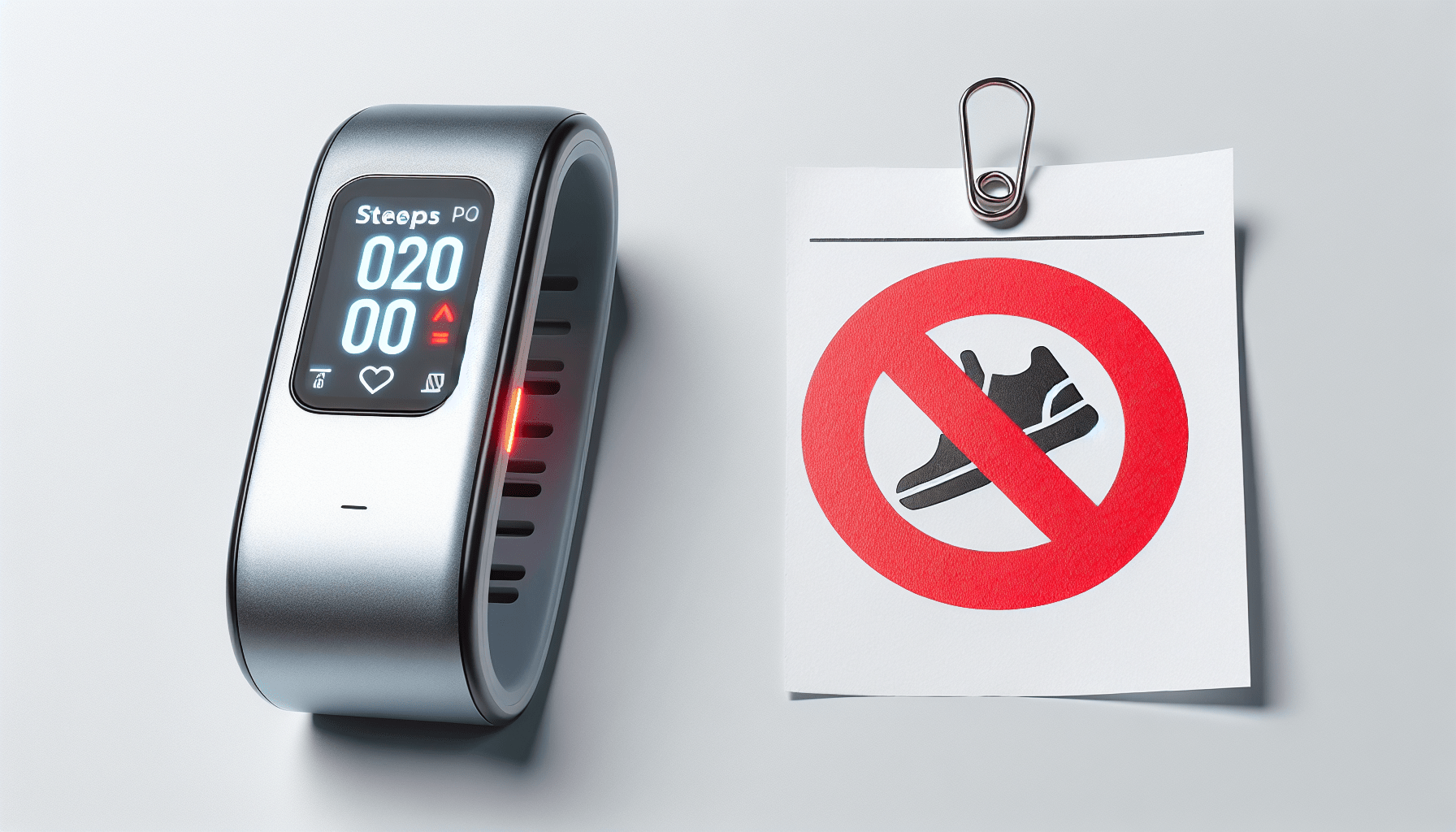
How Can I Avoid ISF Penalties For Pedometers

If you’re importing pedometers from overseas, it’s important to know how to avoid ISF penalties. The Importer Security Filing (ISF) requires companies to provide detailed information about their shipments before they arrive in the United States. To prevent penalties and delays, make sure you accurately fill out the required forms and submit them in a timely manner. Stay on top of ISF regulations to ensure a smooth importing process and avoid any unnecessary headaches down the line. How Can I Avoid ISF Penalties For Pedometers
Have you recently imported pedometers into the United States? Are you worried about potential ISF (Importer Security Filing) penalties that could arise due to incorrect filing? Don’t stress! In this article, we will guide you through the process of avoiding ISF penalties for pedometers, ensuring a smooth importation experience.
Understanding the ISF Requirements for Pedometers
Let’s start by understanding what ISF actually is and why it is important when importing pedometers. ISF, also known as 10+2, is a requirement by U.S. Customs and Border Protection (CBP) that mandates the submission of specific information about the cargo being imported. This information helps CBP assess the security risk of shipments entering the country.
What Information is Required for ISF Filing?
When importing pedometers, the following information must be provided in the ISF filing:
- Manufacturer/Supplier name and address
- Buyer/Importer name and address
- Seller name and address
- Manufacturer country
- HTSUS number
- Container stuffing location
- Consolidator name and address
- Consignee number
- Buyer/Importer number
- Country of origin
- Ship to name and address
- Stuffing location
Deadline for ISF Filing
The ISF must be filed at least 24 hours before the shipment is loaded onto the vessel at the port of origin. Failure to meet this deadline can result in ISF penalties, so it is crucial to ensure timely submission.
Common Mistakes to Avoid
Now that you understand the basics of ISF filing, let’s delve into some common mistakes importers make that lead to ISF penalties when importing pedometers.
Incorrect or Incomplete Information
One of the most common mistakes is providing incorrect or incomplete information in the ISF filing. Make sure to double-check all the details before submission to avoid any errors that could result in penalties.
Late Filing
Missing the 24-hour deadline for ISF filing is a major red flag for CBP and can lead to significant penalties. Always make sure to submit the ISF well in advance to avoid any delays or penalties.
Failure to Update Changes
If there are any changes to the information provided in the ISF filing, such as a new consignee or a change in the container stuffing location, it is essential to update the filing promptly. Failure to do so can result in penalties.
Tips to Avoid ISF Penalties
Now that you are aware of the common mistakes to avoid, let’s discuss some practical tips to help you steer clear of ISF penalties when importing pedometers.
Use a Qualified Customs Broker
Partnering with a qualified customs broker can greatly reduce the risk of ISF penalties. A customs broker has the expertise and knowledge to ensure accurate and timely ISF filings, saving you time and hassle.
Conduct Regular Audits
Perform regular audits of your importation process to identify any potential errors or discrepancies in your ISF filings. This proactive approach can help you catch and rectify any issues before they escalate into penalties.
Stay Informed About Regulations
Stay up to date with the latest regulations and guidelines set by CBP regarding ISF filing for pedometers. Being informed about any changes or updates can help you make the necessary adjustments to your filing process.
Utilize Automated Filing Tools
Consider using automated ISF filing tools or software that can streamline the process and minimize the risk of human errors. These tools can help you generate accurate filings efficiently, reducing the likelihood of penalties.
Dealing with ISF Penalties
If, despite your best efforts, you still end up facing ISF penalties for pedometers, it is essential to know how to handle the situation effectively.
Request a Mitigation
If you believe that the ISF penalty was issued in error or due to circumstances beyond your control, you can request a mitigation from CBP. Providing supporting documentation and a valid explanation can help in reducing or eliminating the penalties.
Pay the Penalty Promptly
If you are unable to contest the ISF penalty, it is important to pay it promptly to avoid further repercussions. Delaying payment can lead to additional fines and complications in your importation process.
Implement Corrective Measures
After resolving the ISF penalties, it is crucial to implement corrective measures to prevent similar issues in the future. Review your ISF filing process, address any gaps or errors, and establish protocols to ensure compliance with CBP regulations.
Conclusion
Navigating the ISF requirements for importing pedometers can seem daunting, but with the right knowledge and strategies, you can avoid potential penalties and ensure a smooth importation process. By understanding the filing requirements, avoiding common mistakes, and following best practices, you can safeguard your business from ISF penalties and streamline your import operations successfully. Remember, staying informed, seeking professional assistance, and being proactive are key to mitigating risks and achieving compliance with CBP regulations.
How To File ISF For Snooker & Billiard Gloves

In this article, you will learn how to file an Importer Security Filing (ISF) for your snooker and billiard gloves. Understanding the ISF process is crucial for ensuring that your gloves clear customs smoothly and avoid any delays or penalties. By following the steps outlined in this guide, you can navigate the ISF filing process with ease and have your gloves ready for your next game in no time. Have you ever wondered how to properly file an ISF (Import Security Filing) for your snooker and billiard gloves when importing them into the United States? If you’ve been scratching your head trying to figure out the ins and outs of this process, you’ve come to the right place. Let’s break it down step by step so you can navigate the filing process with ease.
What is ISF and Why is it Important for Snooker & Billiard Gloves?
So, what exactly is ISF and why is it crucial for importing your snooker and billiard gloves? ISF, also known as 10+2, is a mandatory filing requirement enforced by U.S. Customs and Border Protection (CBP) for ocean cargo entering the United States. This electronic filing must be completed at least 24 hours before the cargo is loaded onto a vessel bound for the U.S.
Why Do You Need to File ISF for Snooker & Billiard Gloves?
Filing ISF for your snooker and billiard gloves is essential for several reasons. Firstly, it helps CBP assess the security risk of the cargo and prevent any potential threats from entering the country. Secondly, it provides accurate and timely information about the incoming shipment to ensure smooth customs clearance. Lastly, failing to file ISF or providing inaccurate information can result in penalties and delays in receiving your gloves.
Steps to File ISF for Snooker & Billiard Gloves
Now that you understand the importance of filing ISF for your snooker and billiard gloves, let’s walk through the steps involved in the process. By following these steps carefully, you can ensure that your importation goes smoothly without any hiccups.
Step 1: Gather Required Information
The first step in filing ISF for your snooker and billiard gloves is to gather all the necessary information. This includes details about the shipment, such as the manufacturer, importer of record, container stuffing location, vessel name, and voyage number. You will also need the Harmonized Tariff Schedule (HTS) code for snooker and billiard gloves, which determines the duty rates and regulations applicable to your goods.
Step 2: Select a Filing Option
Once you have gathered all the required information, it’s time to choose a filing option for your ISF. You have two main options: filing directly through the Automated Broker Interface (ABI) with a licensed customs broker or filing through a self-filing software approved by CBP. While using a customs broker may incur additional fees, it can provide you with expert assistance and ensure compliance with CBP regulations.
Step 3: Submit ISF Filing
After selecting your filing option, proceed to submit the ISF filing for your snooker and billiard gloves. Whether you’re filing through a customs broker or self-filing software, make sure to enter all the information accurately to avoid any discrepancies. Once the filing is complete, you will receive a confirmation number from CBP, indicating that your ISF has been successfully submitted.
Step 4: Monitor Cargo Movement
After filing ISF for your snooker and billiard gloves, it’s crucial to monitor the movement of your cargo to ensure everything is on track. Keep an eye on the vessel’s schedule, container tracking, and any updates from the carrier or shipping line. This will help you stay informed about the status of your shipment and address any issues that may arise during transit.

Common Mistakes to Avoid When Filing ISF for Snooker & Billiard Gloves
While filing ISF for your snooker and billiard gloves may seem straightforward, it’s essential to be aware of common mistakes that can lead to delays and penalties. By avoiding these pitfalls, you can ensure a smooth and hassle-free importation process for your gloves.
Mistake 1: Providing Inaccurate Information
One of the most common mistakes when filing ISF is providing inaccurate or incomplete information about your snooker and billiard gloves. Make sure to double-check all the details, including the manufacturer’s name, container stuffing location, and vessel information, to avoid any discrepancies. Providing incorrect information can result in penalties and delays in customs clearance.
Mistake 2: Missing ISF Filing Deadline
Another critical mistake to avoid is missing the ISF filing deadline for your snooker and billiard gloves. Remember that ISF must be submitted at least 24 hours before the cargo is loaded onto the vessel. Failure to meet this deadline can result in penalties and possible holds on your shipment. Be proactive and ensure timely filing to prevent any disruptions in the importation process.
Mistake 3: Not Updating ISF Information
Once you have submitted the ISF for your snooker and billiard gloves, it’s essential to keep the information updated if any changes occur. Whether there are modifications to the shipment details or delays in transit, make sure to inform CBP promptly to avoid any compliance issues. Failure to update ISF information can lead to penalties and challenges in customs clearance.
Tips for a Smooth ISF Filing Process
To make the ISF filing process for your snooker and billiard gloves as seamless as possible, here are some helpful tips to keep in mind. By following these tips, you can streamline the process and ensure compliance with CBP regulations.
Tip 1: Plan Ahead
Planning ahead is key to a successful ISF filing process for your snooker and billiard gloves. Start gathering the required information early and communicate with your customs broker or filing software provider to ensure a smooth filing experience. By being proactive and organized, you can prevent last-minute issues and delays in importation.
Tip 2: Work with Experienced Professionals
If you’re unsure about filing ISF for your snooker and billiard gloves, don’t hesitate to seek assistance from experienced customs brokers or filing software providers. These professionals have the expertise and knowledge to guide you through the process and ensure compliance with CBP regulations. While it may involve additional costs, the peace of mind and smooth importation process are well worth it.
Tip 3: Double-Check Information
Before submitting the ISF for your snooker and billiard gloves, take the time to double-check all the information to ensure accuracy. Verify the manufacturer’s name, container stuffing location, vessel details, and other critical data to avoid any discrepancies. Attention to detail is crucial in preventing errors and delays in customs clearance.

Conclusion
Filing ISF for your snooker and billiard gloves doesn’t have to be a daunting task. By understanding the importance of ISF, following the necessary steps, avoiding common mistakes, and implementing helpful tips, you can navigate the process with confidence and ease. Remember to gather all the required information, choose the right filing option, submit the ISF accurately, monitor cargo movement, and stay proactive throughout the importation process. With these guidelines in mind, you’ll be well-equipped to file ISF for your snooker and billiard gloves successfully.
How Can I Avoid ISF Penalties For Portable Handheld Espresso Maker

Avoiding ISF penalties for your portable handheld espresso maker is crucial for a seamless importing process. By ensuring accurate and timely submission of your Importer Security Filing (ISF) information, you can steer clear of hefty fines and delays. This article will explore key strategies and tips to help you navigate the ISF requirements and keep your brewing passion uninterrupted. So, let’s dive in and tackle those potential penalties head-on! Hey there! Are you considering purchasing a portable handheld espresso maker but worried about potential ISF (Importer Security Filing) penalties during the importing process? Don’t worry, I’ve got you covered! In this article, I’ll walk you through some essential tips and guidelines to help you avoid any hefty fines and ensure a smooth importing experience. Let’s dive in!

Understanding ISF Penalties
So, you’ve decided to import a portable handheld espresso maker from overseas. That’s awesome! However, it’s crucial to understand the potential consequences of not complying with ISF regulations. ISF penalties can be quite hefty, ranging from $5,000 to $10,000 per shipment. This can significantly impact your bottom line and cause unnecessary stress.
What is ISF?
ISF, also known as 10+2, stands for Importer Security Filing. It is a mandatory requirement by U.S. Customs and Border Protection (CBP) for all shipments arriving by ocean vessel into the United States. The goal of ISF is to enhance border security and facilitate the risk assessment of imported cargo. Failure to comply with ISF regulations can result in severe penalties, delays, and even cargo holds.
Key Steps to Avoid ISF Penalties
Now that you understand the importance of ISF compliance let’s explore some key steps to avoid penalties when importing your portable handheld espresso maker.
1. Know Your Responsibilities
As an importer, it’s crucial to know and understand your responsibilities regarding ISF. Make sure you familiarize yourself with the ISF requirements outlined by CBP and stay informed about any updates or changes. Being proactive and knowledgeable can help you avoid potential penalties down the line.
2. Hire a Customs Broker
If you’re new to importing or unfamiliar with ISF requirements, consider hiring a licensed customs broker to assist you. A customs broker is well-versed in import regulations, including ISF, and can help you navigate the complexities of the process. They can ensure that your ISF filing is accurate and submitted on time, reducing the risk of penalties.
3. Submit ISF Timely and Accurately
One of the most critical aspects of avoiding ISF penalties is submitting your filing on time and with accurate information. ISF must be filed at least 24 hours before the vessel is loaded at the foreign port. Ensure that all required data fields are correctly filled out, including but not limited to:
- Manufacturer/Supplier information
- Seller information
- Container stuffing location
- Consolidator information (if applicable)
Common Mistakes to Avoid
While importing your portable handheld espresso maker, there are some common mistakes that you should be aware of to prevent ISF penalties.
1. Incorrect Manufacturer Information
Providing incorrect or incomplete manufacturer information can lead to ISF penalties. Make sure you have the accurate details of the manufacturer or supplier of the espresso maker, including name, address, and contact information.
2. Missing Container Stuffing Location
The container stuffing location is a crucial data field in the ISF filing. Failing to provide this information accurately can result in penalties. Ensure that you have the correct stuffing location details to avoid any issues.
3. Incomplete Seller Information
The seller information, including name and address, must be accurately provided in the ISF filing. Any discrepancies or missing details can lead to penalties. Double-check the seller information to ensure it is complete and correct.
How to Correct Errors in ISF Filing
Despite your best efforts, mistakes can still happen in your ISF filing. Here’s how you can correct errors to avoid penalties.
1. Notify CBP Immediately
If you discover an error in your ISF filing, notify CBP immediately. Timely communication is crucial in rectifying mistakes and avoiding penalties. Provide CBP with the correct information and any necessary documentation to support the correction.
2. Amend the ISF Filing
You can submit an amendment to your ISF filing to correct any errors. Work with your customs broker to make the necessary changes and resubmit the filing to CBP. Ensure that the corrected information is accurate and complete to prevent penalties.
3. Keep Records of Corrections
Maintain detailed records of any corrections made to your ISF filing. This documentation can serve as proof of your efforts to rectify the errors and comply with ISF requirements. Keeping accurate records is essential in case of any future audits or inquiries.
Conclusion
Importing a portable handheld espresso maker can be a rewarding experience, but it’s essential to understand and comply with ISF regulations to avoid penalties. By following the key steps outlined in this article, you can ensure a smooth importing process and minimize the risk of facing hefty fines. Remember, knowledge is power when it comes to ISF compliance. Stay informed, be proactive, and always strive for accuracy in your ISF filings. Happy importing!
How Can I Avoid ISF Penalties For Other Home Textile Product Machines

If you’re importing home textile product machines, you’ll want to be sure you’re following all of the necessary regulations to avoid ISF penalties. Failure to provide accurate and timely information to U.S. Customs and Border Protection can result in fines and delays in the clearance of your goods. By double-checking your documentation and ensuring you’re meeting all of the requirements, you can steer clear of these potential penalties and keep your import process running smoothly. How Can I Avoid ISF Penalties For Other Home Textile Product Machines

Understanding ISF Penalties for Other Home Textile Product Machines
So, you’re in the home textile product business and need to import machines for your production. You’ve probably heard about ISF (Importer Security Filing) penalties and want to avoid them at all costs. This article will guide you through the steps you need to take to make sure you don’t incur any penalties when importing other home textile product machines.
What are ISF Penalties?
ISF penalties are fines imposed by U.S. Customs and Border Protection (CBP) for violations of the Importer Security Filing requirements. These penalties can range from a few hundred dollars to thousands of dollars, depending on the severity of the violation. It is essential to understand the ISF requirements to avoid these penalties and keep your importing business running smoothly.
Key Steps to Avoid ISF Penalties for Other Home Textile Product Machines
Now that you know what ISF penalties are, let’s dive into the key steps you can take to avoid them when importing other home textile product machines.
1. Ensure Timely and Accurate ISF Filing
One of the most critical steps in avoiding ISF penalties is to ensure timely and accurate ISF filing. You must file your ISF at least 24 hours before your goods are loaded onto the vessel that is headed to the United States. Failure to do so can result in penalties, so make sure you have all the necessary information ready and file your ISF on time.
2. Provide Correct Information
When filing your ISF, it is crucial to provide correct and accurate information about the imported goods. This includes details such as the manufacturer’s name and address, the supplier’s name and address, the country of origin, and a detailed description of the goods. Providing incorrect information can lead to penalties, so double-check everything before submitting your ISF.
3. Keep Records of ISF Filing
It is essential to keep records of your ISF filing for at least five years after the goods are imported into the United States. These records should include all the information you provided when filing your ISF, as well as any correspondence with CBP regarding the filing. Keeping detailed records will help you in case of an audit and ensure that you can prove your compliance with ISF requirements.
4. Work with a Customs Broker
If you’re new to importing other home textile product machines or find the ISF filing process overwhelming, consider working with a customs broker. A customs broker can help you navigate the complex world of customs regulations, including ISF requirements, and ensure that your filings are accurate and timely. While working with a customs broker comes with a cost, it can save you time and money in the long run by helping you avoid costly penalties.
Common Mistakes to Avoid When Filing ISF for Other Home Textile Product Machines
Now that you know the key steps to avoid ISF penalties, let’s take a look at some common mistakes to avoid when filing ISF for other home textile product machines.
1. Missing the Filing Deadline
One of the most common mistakes importers make when filing ISF is missing the filing deadline. Remember that you must file your ISF at least 24 hours before your goods are loaded onto the vessel, so make sure you give yourself enough time to gather all the necessary information and submit your filing on time.
2. Providing Incomplete Information
Another common mistake is providing incomplete information when filing your ISF. Make sure you have all the required details about the imported goods, including the manufacturer’s name and address, the supplier’s name and address, and a detailed description of the goods. Incomplete information can lead to penalties, so take the time to gather all the necessary information before filing your ISF.
3. Incorrectly Classifying the Goods
Properly classifying the imported goods is essential when filing ISF. Make sure you provide the correct HTS (Harmonized Tariff Schedule) code for the other home textile product machines you are importing. Incorrectly classifying the goods can lead to penalties and delays in clearing customs, so double-check the HTS code before submitting your ISF.
Conclusion
Importing other home textile product machines can be a lucrative business, but it comes with its challenges, including the risk of ISF penalties. By following the key steps outlined in this article and avoiding common mistakes when filing your ISF, you can ensure that your importing business runs smoothly and avoid costly penalties. Remember to stay informed about ISF requirements and work with a customs broker if you need help navigating the complex world of customs regulations. With the right approach and attention to detail, you can successfully import other home textile product machines without incurring any ISF penalties.