
Posts Tagged ‘ISF Expedite’
How Can I Avoid ISF Penalties For Lip Balm

If you’re in the business of importing lip balm, you’ll want to stay compliant with ISF regulations to avoid potential penalties. Ensuring you have accurate and timely information filed with Customs and Border Protection is crucial to avoiding fines and delays. By understanding the ISF requirements and properly documenting your lip balm shipments, you can navigate the process smoothly and mitigate any risks of facing penalties. Keep reading to learn more about how you can successfully avoid ISF penalties for lip balm imports.
Have You Heard About ISF Penalties for Lip Balm?
So, you’ve been importing lip balm to sell in the United States, but you’ve heard about these dreaded ISF penalties that can really throw a wrench in your plans. Don’t worry, we’ve got you covered! In this article, we’ll break down what ISF penalties are, why they’re important, and most importantly, how you can avoid them when importing lip balm.
Let’s Talk About ISF
First off, let’s talk a bit about ISF. ISF stands for Importer Security Filing. It’s a U.S. Customs and Border Protection (CBP) regulation that requires importers to provide certain information about the cargo they are importing before it arrives in the United States. This information must be submitted electronically to CBP at least 24 hours before the cargo is loaded onto the vessel bound for the U.S.
The Dreaded Penalties
Now, let’s get to the nitty-gritty – the penalties. If you fail to comply with ISF requirements, you can face hefty penalties. These penalties can range from $5,000 to $10,000 per shipment, or even more in some cases. Ouch! That’s definitely not something you want to deal with when you’re trying to bring in a shipment of lip balm to sell.
Why Are ISF Penalties Important?
You might be wondering, why are these ISF penalties so important? Well, for starters, they’re in place to ensure the safety and security of the supply chain. By providing CBP with accurate information about your cargo, you’re helping to prevent any potential security risks or threats. Additionally, ISF penalties are meant to encourage importers to comply with the regulations and keep everything running smoothly.
How Can I Avoid ISF Penalties for Lip Balm?
Now that we know what ISF penalties are all about, let’s dive into the important stuff – how to avoid them when importing lip balm. Here are some key tips to keep in mind to ensure a smooth importing process without any penalties.
Submit Your ISF Filing On Time
The first and most important tip for avoiding ISF penalties is to make sure you submit your ISF filing on time. As mentioned earlier, you need to submit this information at least 24 hours before your cargo is loaded onto the vessel. This gives CBP enough time to review the information and ensure everything is in order. So, don’t procrastinate – get that filing in early!
Provide Accurate Information
Another crucial step in avoiding ISF penalties is to make sure you provide accurate information in your filing. This includes details about the shipper, consignee, cargo, and more. Any discrepancies or inaccuracies can lead to penalties, so double-check everything before submitting. It’s better to take the time to ensure everything is correct than to risk facing hefty fines later on.
Work with a Customs Broker
If you’re new to importing or just want some extra assistance, consider working with a customs broker. These professionals specialize in navigating the complexities of importing and can help ensure your ISF filing is done correctly and on time. While there is a cost associated with hiring a customs broker, it can be well worth it to avoid any potential penalties and headaches down the line.
Stay Informed About Changes to ISF Regulations
ISF regulations can change, so it’s important to stay informed about any updates or changes that may affect your importing process. CBP regularly updates their guidelines and requirements, so make sure you’re aware of any new information that could impact your ISF filing. This will help you stay ahead of the game and avoid any surprises when it comes time to submit your filing.
Keep Detailed Records
One of the best ways to avoid ISF penalties is to keep detailed records of your importing process. This includes all documentation related to your cargo, ISF filing, communication with suppliers and carriers, and more. By maintaining organized records, you can easily reference any information you need and ensure that everything is in order when it comes time to submit your ISF filing.

Final Thoughts
Importing lip balm to sell in the United States can be a lucrative business, but it’s important to be aware of and comply with ISF regulations to avoid any penalties. By following the tips outlined in this article, you can ensure a smooth importing process without any hiccups. Remember to submit your ISF filing on time, provide accurate information, work with a customs broker if needed, stay informed about changes to ISF regulations, and keep detailed records of your importing process. With these steps in place, you can confidently import your lip balm without worrying about facing any costly penalties.
Who File ISF For Jelly Shoes

If you’ve ever wondered who exactly files the Importer Security Filing (ISF) for jelly shoes, look no further. Understanding the process of filing ISF for imported goods, such as jelly shoes, is crucial for importers and exporters alike. This article will delve into the importance of ISF filing for jelly shoes, who is responsible for filing, and why compliance is key. So, sit back and learn more about the world of jelly shoes and the necessary paperwork to bring them into the country. Hey there! Have you ever wondered who is responsible for filing an ISF for jelly shoes? Well, look no further because we’re diving into all the details in this article. So grab a cup of coffee and let’s get started!
Understanding ISF (Importer Security Filing)
If you’re new to the world of importing, ISF, also known as Importer Security Filing, is a crucial step in the shipment process. It requires importers to provide specific information about their cargo before it arrives in the United States. The goal of ISF is to enhance national security by allowing Customs and Border Protection (CBP) to assess the risk of cargo entering the country.
Key Information Required in an ISF Filing
When filing an ISF, you’ll need to provide the following key information:
- Importer of Record Number: This is the identification number assigned to the importing entity by CBP.
- Seller: The name and address of the party selling the goods to the importer.
- Buyer: The name and address of the party buying the goods.
- Ship-to Party: The name and address of the party who will receive the goods.
- Manufacturer (or Supplier): The name and address of the manufacturer or supplier of the goods.
- Country of Origin: The country where the goods were manufactured.
- HTSUS Number: The Harmonized Tariff Schedule of the United States number for the goods.
- Container Stuffing Location: The name and address of the location where the goods were loaded into the container.
- Consolidator: The name and address of the party who stuffed the container.
- Stuffer: The name and address of the party who loaded the container.
Who Should File an ISF?
Now, you might be wondering who is responsible for filing the ISF when it comes to jelly shoes. Let’s break it down:
-
Importer: The responsibility of filing the ISF lies with the importer of record. This is the party who is buying the goods from the seller and bringing them into the United States. If you’re the one importing those trendy jelly shoes, then you’re the one who needs to file the ISF.
-
Customs Broker: In some cases, importers may choose to work with a customs broker to handle the ISF filing process on their behalf. A customs broker is a licensed professional who understands the ins and outs of customs regulations and can help ensure that the ISF is filed correctly and on time.
-
Freight Forwarder: If you’re using a freight forwarder to manage your shipping logistics, they may also offer ISF filing services as part of their package. A freight forwarder can handle everything from arranging transportation to completing necessary customs documentation, including the ISF.
When to File an ISF for Jelly Shoes
Now that we’ve covered who is responsible for filing the ISF, let’s talk about when you need to file it. Timing is crucial when it comes to ISF filings, so it’s essential to know the deadlines to avoid any delays or penalties.
Filing Deadline
The ISF must be filed at least 24 hours before the cargo is loaded onto the vessel bound for the United States. This deadline is critical to ensure that CBP has enough time to review the information and assess any potential risks associated with the shipment. Failure to file the ISF on time can result in penalties and delays in the clearance process.
Preparing in Advance
To avoid any last-minute rush, it’s best to start preparing the ISF well in advance of the filing deadline. Gather all the necessary information about your jelly shoes shipment and make sure it is accurate and up to date. Working with a customs broker or freight forwarder can help streamline the process and ensure that the ISF is filed correctly and on time.

Common Mistakes to Avoid When Filing ISF for Jelly Shoes
When it comes to filing the ISF for your jelly shoes, there are a few common mistakes that importers often make. To help you steer clear of these pitfalls, here are some key points to keep in mind:
Incorrect Information
One of the most common mistakes when filing an ISF is providing incorrect or incomplete information. Make sure to double-check all the details about your jelly shoes shipment, including the manufacturer, country of origin, and HTSUS number. Any discrepancies in the information can lead to delays and penalties from CBP.
Missing the Filing Deadline
As mentioned earlier, missing the 24-hour filing deadline can result in significant consequences, including fines and holds on your shipment. Be proactive and start preparing the ISF well in advance to ensure that it is submitted on time. Working with a customs broker or freight forwarder can help you meet the deadline and avoid any last-minute issues.
Failure to Update Changes
If there are any changes to the information provided in the ISF after it has been filed, it’s essential to update CBP promptly. Failure to do so can lead to penalties and complications during the customs clearance process. Stay vigilant and communicate any changes to your customs broker or freight forwarder to keep your ISF up to date.
Conclusion
In conclusion, filing an ISF for your jelly shoes shipment is a critical step in the importing process. As the importer of record, you are responsible for providing accurate and timely information to CBP to ensure a smooth clearance process. By understanding the key requirements of the ISF, working with experienced professionals, and avoiding common mistakes, you can navigate the process with confidence and ease. So next time you’re importing those stylish jelly shoes, you’ll know exactly who should file the ISF and how to do it right. Happy importing!
How To File ISF For Volleyball Clothing

If you’re an avid volleyball player or coach looking to import clothing for your team, filing an Importer Security Filing (ISF) is crucial to ensure a smooth customs clearance process. By providing detailed information about your shipment, such as the manufacturer, supplier, and shipment details, you can avoid delays and penalties when bringing in volleyball clothing from overseas. In this article, we will guide you through the steps of filing ISF for your volleyball clothing imports, helping you navigate the process with ease and efficiency. Have you ever wondered how to properly file an ISF for volleyball clothing? Filing an ISF (Importer Security Filing) is crucial when importing goods into the United States. In this article, we will walk you through the process of filing ISF for volleyball clothing, ensuring a smooth and hassle-free importation process. Let’s dive in!

What is ISF?
ISF stands for Importer Security Filing, also known as 10+2. It is a regulation enforced by U.S. Customs and Border Protection (CBP) that requires importers to provide specific information about their shipment before it arrives in the United States. ISF is aimed at enhancing supply chain security and facilitating cargo screening.
Why is ISF Important?
Filing an ISF is crucial for several reasons. It helps CBP identify high-risk shipments, prevent smuggling, and ensure compliance with customs regulations. Failure to file ISF or providing inaccurate information can result in penalties and delays in clearing your goods through customs. Therefore, it is essential to understand the ISF requirements and comply with them.
When to File ISF for Volleyball Clothing
Knowing when to file ISF for volleyball clothing is vital to avoid penalties and delays in customs clearance. ISF must be filed at least 24 hours before the goods are loaded onto a vessel destined for the United States. Failure to comply with this timeline can result in fines and even the refusal of your shipment by CBP.
Information Required for ISF Filing
When filing ISF for volleyball clothing, you will need to provide the following information:
- Manufacturer (or supplier) name and address
- Seller (or owner) name and address
- Buyer (or purchaser) name and address
- Ship-to name and address
- HTSUS (Harmonized Tariff Schedule of the United States) number
- Country of origin
- Container stuffing location
- Consolidator (stuffer) name and address
- Importer of record number
- Consignee number
- Manufacturer (or supplier) name and address
- Shipper (owner) name and address
Make sure to have this information ready when filing ISF for your volleyball clothing shipment to ensure a smooth process.
How to File ISF for Volleyball Clothing
Filing an ISF for volleyball clothing involves several steps that need to be completed accurately and timely. Here is a step-by-step guide on how to file ISF for your volleyball clothing shipment:
Step 1: Obtain a Bond
Before filing ISF, you need to obtain an import bond. An import bond is a guarantee that you will fulfill your obligations as an importer, including paying any duties, taxes, and penalties. Without a bond, CBP will not accept your ISF filing.
Step 2: Gather Required Information
As mentioned earlier, gather all the necessary information required for ISF filing. Make sure the information is accurate and up-to-date to avoid any discrepancies.
Step 3: Submit ISF Filing
You can file ISF electronically through the Automated Broker Interface (ABI) or submit it through an approved electronic data interchange system. Work with a licensed customs broker or a logistics provider to ensure your ISF filing is done correctly.
Step 4: Receive ISF Confirmation
Once you submit your ISF filing, you will receive a confirmation from CBP indicating that your filing has been accepted. Keep this confirmation for your records as proof of compliance.
Step 5: Update ISF if Necessary
If there are any changes to the information provided in your ISF filing, make sure to update it accordingly. Failure to update your ISF with accurate information can lead to penalties and delays.
Common Mistakes to Avoid When Filing ISF for Volleyball Clothing
Filing ISF for volleyball clothing may seem straightforward, but there are some common mistakes that importers often make. Avoiding these mistakes will help ensure a smooth and hassle-free importation process. Here are some common mistakes to avoid:
Incorrect Information
Providing inaccurate information in your ISF filing can lead to penalties and delays in clearing your goods through customs. Double-check all the information before submitting your ISF to ensure its accuracy.
Missing Deadline
Failing to file ISF at least 24 hours before the goods are loaded onto a vessel can result in fines and even the refusal of your shipment by CBP. Make sure to comply with the deadline to avoid any issues.
Not Updating ISF
If there are any changes to the information provided in your ISF filing, make sure to update it promptly. Failure to update your ISF with accurate information can lead to penalties and delays in customs clearance.
Lack of Communication
Maintaining open communication with your customs broker or logistics provider is essential when filing ISF. Make sure to provide them with all the necessary information and address any concerns or questions they may have.
Benefits of Filing ISF for Volleyball Clothing
Filing ISF for volleyball clothing offers several benefits for importers. Understanding these benefits will help you appreciate the importance of compliance with ISF regulations. Here are some of the benefits of filing ISF for volleyball clothing:
Compliance with Customs Regulations
Filing ISF ensures compliance with customs regulations, helping you avoid penalties and delays in clearing your goods through customs. By providing accurate and timely information, you demonstrate your commitment to following the rules and regulations set by CBP.
Enhancing Supply Chain Security
ISF plays a crucial role in enhancing supply chain security by allowing CBP to identify high-risk shipments and prevent smuggling. By filing ISF, you contribute to the overall safety and security of the supply chain, protecting your goods and those of other importers.
Facilitates Cargo Screening
ISF facilitates cargo screening by providing CBP with advance information about incoming shipments. This allows CBP to identify any potential security threats and take appropriate action to ensure the safety of the cargo. By filing ISF, you help expedite the cargo screening process and reduce the risk of delays.
Streamlining Customs Clearance
Filing ISF for volleyball clothing helps streamline the customs clearance process, reducing the time it takes for your goods to be cleared through customs. By providing CBP with the necessary information in advance, you help expedite the clearance process and get your goods to their final destination faster.
Conclusion
Filing ISF for volleyball clothing is an essential part of the importation process that should not be overlooked. By understanding the requirements and following the steps outlined in this article, you can ensure a smooth and hassle-free importation process for your volleyball clothing shipment. Remember to provide accurate and timely information, comply with deadlines, and communicate effectively with your customs broker or logistics provider. By doing so, you can avoid penalties, delays, and other issues that may arise from non-compliance with ISF regulations. So, next time you import volleyball clothing, make sure to file ISF correctly and enjoy a seamless importing experience.
How Can I Avoid ISF Penalties For Carousels

If you’re importing goods into the United States, you’ll want to make sure you avoid ISF penalties for carousels. Failing to submit accurate and timely Importer Security Filings (ISF) can result in hefty fines and delays in receiving your goods. To steer clear of these penalties, be diligent about providing complete and accurate information to customs authorities, and ensure that you submit your ISF in a timely manner. By staying on top of your filings and adhering to the regulations set forth by U.S. Customs and Border Protection, you can avoid the headaches of ISF penalties for carousels.

Understanding ISF Penalties for Carousels
Hey there! So, you’ve heard about the ISF penalties for carousels and you want to make sure you avoid them at all costs, right? I get it, nobody likes dealing with fines and penalties. But don’t worry, I’m here to help you understand what ISF penalties are all about and how you can avoid them when it comes to carousels. Let’s dive in!
What are ISF Penalties?
First things first, let’s break down what ISF penalties actually are. ISF stands for Importer Security Filing, which is a program that requires importers to provide certain information about their shipments to U.S. Customs and Border Protection (CBP) before the goods are loaded onto a vessel headed for the United States. If this information is not provided accurately and on time, importers may face penalties.
How do ISF Penalties Apply to Carousels?
Now, you might be wondering how ISF penalties specifically apply to carousels. Well, when it comes to carousels, the ISF requirements are the same as for any other type of shipment being imported into the U.S. This means that if you are importing carousels, you need to make sure you comply with the ISF regulations to avoid penalties.
Tips for Avoiding ISF Penalties for Carousels
Alright, now that you have a better understanding of ISF penalties for carousels, let’s talk about some tips to help you avoid getting slapped with fines.
Submit ISF Information Accurately and On Time
This one might seem obvious, but it’s worth repeating. The best way to avoid ISF penalties for carousels is to make sure you submit all the required information accurately and on time. This includes details such as the shipper’s name and address, the consignee’s name and address, the manufacturer’s name and address, and more. Double-check everything before submitting to ensure there are no errors.
Use a Reliable Customs Broker
If you’re feeling overwhelmed by the ISF requirements for your carousels, consider hiring a reliable customs broker to help you navigate the process. A customs broker has the expertise and experience to ensure that your ISF information is submitted correctly and on time, helping you avoid penalties and delays in the customs clearance process.
Keep Detailed Records
It’s important to keep detailed records of all your ISF filings for your carousels. This includes keeping copies of all documents submitted to CBP, as well as any communication exchanged with your customs broker or any other parties involved in the import process. Having thorough records can help you quickly address any discrepancies or issues that may arise, reducing the risk of penalties.

Common Mistakes to Avoid
Alright, let’s talk about some common mistakes that importers make when it comes to ISF filings for carousels. By being aware of these mistakes, you can take steps to avoid them and ensure that your import process goes smoothly.
Missing Deadline for ISF Filing
One of the most common mistakes importers make is missing the deadline for ISF filing. Remember, you are required to submit your ISF information to CBP at least 24 hours before the goods are loaded onto a vessel headed for the U.S. Failure to meet this deadline can result in penalties, so make sure you plan ahead and submit your information on time.
Providing Inaccurate Information
Another common mistake is providing inaccurate information in your ISF filings. It’s crucial to double-check all the details you submit to CBP, such as the seller’s name, the buyer’s name, and the HTS codes for your carousels. Even small errors can lead to penalties, so take the time to ensure that everything is correct before submitting.
Failure to Update ISF Information
If any of the information you submitted in your ISF filing changes after the initial submission, it’s important to update CBP as soon as possible. Failure to update your ISF information with any changes can result in penalties, so be proactive about keeping CBP informed of any updates or revisions to your shipment details.
Conclusion
Alright, there you have it! You’re now equipped with the knowledge and tips you need to avoid ISF penalties for carousels. By submitting your ISF information accurately and on time, using a reliable customs broker, keeping detailed records, and avoiding common mistakes, you can ensure a smooth import process and steer clear of fines and penalties. Remember, when it comes to ISF compliance, it’s better to be safe than sorry. Happy importing!
How Can I Avoid ISF Penalties For Snooker & Billiards Cue Chalk

If you’re an avid snooker or billiards player, you know the importance of having the right cue chalk for optimal performance. However, the International Snooker and Billiards Federation (ISF) has strict regulations when it comes to the type of chalk allowed in official competitions. To avoid penalties, make sure to always use chalk that meets ISF standards, such as Triangle or Masters chalk. By following these guidelines, you can focus on perfecting your game without worrying about any unwanted infractions.
Are you familiar with ISF penalties for Snooker & Billiards Cue Chalk?
Hey there! So, you’re a fan of playing snooker and billiards, right? Well, if you are, then you must be familiar with the importance of cue chalk in maintaining your cue’s tip for optimal performance. But did you know that there are ISF (International Snooker Federation) penalties associated with the type of cue chalk you use? If you want to avoid these penalties and ensure fair play, keep on reading to learn more about ISF penalties for snooker and billiards cue chalk.
Understanding ISF Rules and Regulations
First things first, let’s talk about what exactly ISF is and why their rules and regulations matter when it comes to snooker and billiards cue chalk. The International Snooker Federation is the governing body that sets the rules and standards for cue sports such as snooker and billiards on a global level. These rules ensure fair play, sportsmanship, and consistency in the game.
Importance of Cue Chalk in Snooker and Billiards
Now, let’s discuss the vital role that cue chalk plays in snooker and billiards. Cue chalk is applied to the cue’s tip to increase friction between the cue ball and the tip, which helps prevent miscues and improves accuracy and control over the cue ball. Without proper chalk application, players may experience difficulty in executing shots accurately, leading to unfair advantages or disadvantages during gameplay.
Common Types of Cue Chalk
There are several types of cue chalk available in the market, each with its own unique characteristics and performance attributes. The most common types of cue chalk include:
| Type of Cue Chalk | Description |
|---|---|
| Master Chalk | Known for its longevity and consistent application, preferred by professional players for its reliability. |
| Kamui Chalk | Provides enhanced grip and reduced miscues, popular among players looking for superior performance. |
| Predator Chalk | Offers increased friction and spin control, ideal for players focusing on precision and accuracy in their shots. |
| Triangle Chalk | A budget-friendly option that provides decent grip and consistency, suitable for casual and amateur players. |
ISF Approved Cue Chalk
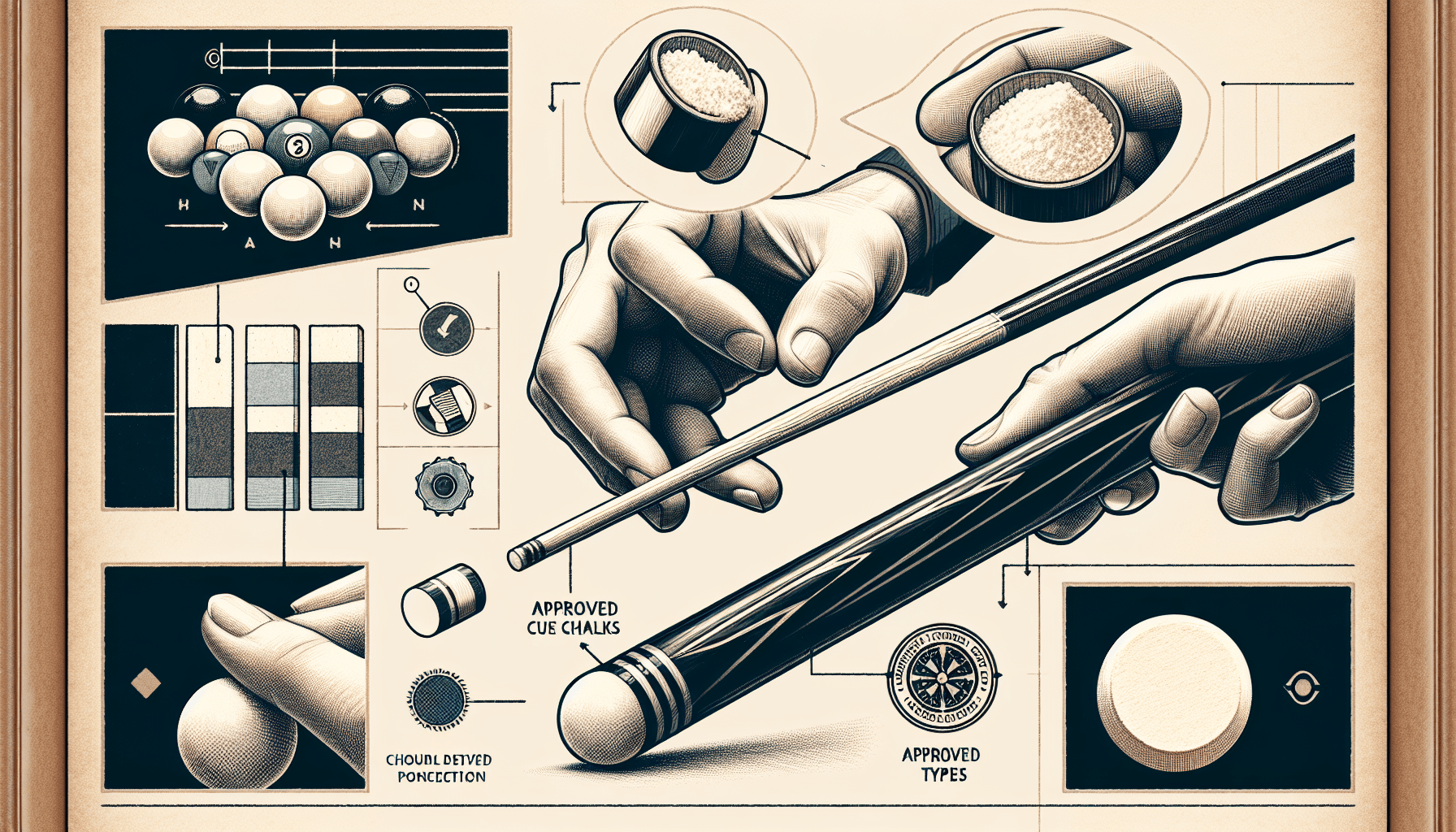
When it comes to ISF penalties for snooker and billiards cue chalk, not all chalk brands and types are approved for official gameplay. It’s essential to use ISF approved cue chalk to avoid penalties and ensure fair competition. Some of the ISF approved cue chalk brands include:
- Master Chalk
- Taom Chalk
- Triangle Chalk
By using ISF approved cue chalk, you can rest assured that you are playing by the rules and avoiding any unnecessary penalties during your matches.
Consequences of Using Non-Approved Cue Chalk
If you choose to use non-approved cue chalk during a snooker or billiards tournament, you may face several consequences as per ISF rules and regulations. Some of the penalties for using non-approved cue chalk include:
- Warning from the referee
- Disqualification from the match
- Forfeiture of prize money or ranking points
- Suspension from future tournaments
To avoid these severe consequences, it’s crucial to always check if the cue chalk you are using is on the list of ISF approved chalk brands.
Tips for Choosing the Right Cue Chalk
Now that you understand the importance of using ISF approved cue chalk let’s discuss some tips for choosing the right cue chalk for your gameplay. Consider the following factors when selecting cue chalk:
- Composition: Look for cue chalk made from high-quality materials that provide optimal grip and consistency.
- Texture: Choose chalk with a smooth texture that allows for easy and even application on the cue tip.
- Performance: Opt for cue chalk that enhances friction, reduces miscues, and improves accuracy in your shots.
- Compatibility: Ensure that the cue chalk you choose is compatible with your cue tip material for the best results.
By considering these factors, you can select the right cue chalk that meets your gameplay needs and complies with ISF regulations.
Proper Cue Chalk Application Technique
Once you have chosen the right cue chalk for your snooker or billiards matches, the next step is to learn the proper application technique. Follow these steps for effective cue chalk application:
- Hold the chalk firmly between your thumb and forefinger.
- Press the cue tip against the chalk at a slight angle.
- Gently rotate the cue while applying a thin and even layer of chalk around the tip.
- Repeat the process a few times to ensure full coverage of the tip.
By applying cue chalk correctly before every shot, you can maintain consistent performance and prevent miscues during gameplay.
Importance of Caring for Your Cue Tip
In addition to using the right cue chalk and applying it correctly, caring for your cue tip is essential for optimal performance and longevity. Here are some tips for maintaining your cue tip:
- Avoid excessive chalk buildup by cleaning the tip regularly.
- Keep your cue tip rounded to ensure proper cue ball contact.
- Store your cue in a protective case to prevent damage to the tip.
- Replace worn-out or damaged tips promptly to maintain accuracy and control.
By properly caring for your cue tip, you can prolong its lifespan and enjoy consistent performance in your snooker and billiards matches.
Conclusion
In conclusion, understanding ISF penalties for snooker and billiards cue chalk is crucial for ensuring fair play and avoiding unnecessary consequences during gameplay. By using ISF approved cue chalk, choosing the right chalk for your needs, and applying it correctly, you can enhance your performance and enjoy a competitive advantage in your matches. Remember to care for your cue tip to maintain optimal performance and consistency in your gameplay. So, the next time you pick up your cue, make sure you’re using the right chalk and following proper techniques to stay in compliance with ISF rules. Good luck, and happy playing!
Who File ISF For Dough Sheeter

If you are in the business of importing machinery like a dough sheeter, you may be wondering who is responsible for filing the Importer Security Filing (ISF) for your shipment. The ISF must be filed by the importer or their authorized agent, which can be a customs broker or freight forwarder. It is important to ensure that the ISF is filed accurately and on time to avoid any delays or penalties. Understanding the responsibilities involved in filing the ISF for your dough sheeter can help ensure a smooth import process. Who Should File ISF for a Dough Sheeter?
If you’re importing a dough sheeter for your bakery or food service business, you may be wondering who is responsible for filing the Importer Security Filing (ISF). Understanding the ISF requirements and who should file them is essential to ensure a smooth import process. In this article, we’ll break down everything you need to know about filing ISF for a dough sheeter.
What is an Importer Security Filing (ISF)?
An Importer Security Filing (ISF), also known as 10+2, is a mandatory electronic filing that must be submitted to U.S. Customs and Border Protection (CBP) prior to the arrival of goods at a U.S. port of entry. The ISF provides CBP with advance information about the shipment, including details about the importer, consignee, supplier, and the goods being imported.
Why is ISF Required for Dough Sheeters?
ISF is required for all shipments being imported into the United States, including commercial goods such as dough sheeters. The purpose of ISF is to enhance cargo security, improve CBP’s ability to target high-risk shipments, and facilitate the flow of legitimate trade. By providing CBP with advance information about your dough sheeter shipment, you help ensure a safe and efficient import process.
Who is the Importer of Record for a Dough Sheeter?
The Importer of Record (IOR) is the party responsible for ensuring that the goods being imported comply with all U.S. laws and regulations. The IOR is also responsible for filing the necessary paperwork with CBP, including the ISF. In most cases, the IOR is the owner, purchaser, or consignee of the goods. If you’re purchasing a dough sheeter for your business, you are likely the IOR and therefore responsible for filing the ISF.
When Should ISF be Filed for a Dough Sheeter?
ISF must be filed with CBP at least 24 hours before the goods are loaded onto a vessel bound for the United States. Failure to submit the ISF in a timely manner can result in penalties, including fines and shipment delays. It’s important to work closely with your customs broker or freight forwarder to ensure that the ISF is filed correctly and on time for your dough sheeter shipment.
What Information is Required for the ISF Filing?
When filing the ISF for your dough sheeter shipment, you will need to provide the following information:
- Seller or supplier information
- Manufacturer information
- Consignee information
- Buyer or owner information
- Ship-to party information
- Importer of Record (IOR) information
- Country of origin
- Commodity Harmonized Tariff Schedule (HTS) code
- Container stuffing location
- Consolidator (stuffer) information
- Master and House Bill of Lading numbers
- Container yard location
Make sure to gather all of the necessary information ahead of time to ensure a smooth and accurate ISF filing process.
How to File ISF for a Dough Sheeter?
Filing the ISF for your dough sheeter shipment involves submitting an electronic filing through the Automated Broker Interface (ABI) or the CBP’s online portal, the Automated Commercial Environment (ACE). As the Importer of Record, you can file the ISF yourself or work with a licensed customs broker or freight forwarder to assist you with the filing process.
What Happens if the ISF is Not Filed Correctly?
If the ISF for your dough sheeter shipment is not filed correctly or contains errors, CBP may issue liquidated damages or penalties. It’s important to ensure that all information provided in the ISF is accurate and complete to avoid any compliance issues. Working with an experienced customs broker or freight forwarder can help you navigate the complex ISF filing requirements and avoid costly mistakes.
Common Mistakes to Avoid When Filing ISF for a Dough Sheeter
When filing the ISF for your dough sheeter shipment, there are several common mistakes to avoid to ensure smooth customs clearance:
- Missing or incorrect information: Make sure all required fields are completed accurately.
- Late filing: Submit the ISF at least 24 hours before the goods are loaded onto the vessel.
- Inadequate documentation: Ensure you have all the necessary supporting documents readily available.
- Failure to update changes: Notify CBP of any changes to the ISF information promptly.
By avoiding these common mistakes and following proper ISF filing procedures, you can help ensure a successful import process for your dough sheeter shipment.
Conclusion
Filing the Importer Security Filing (ISF) for your dough sheeter shipment is a crucial step in the import process. As the Importer of Record, it’s your responsibility to ensure that the ISF is filed accurately and on time to comply with CBP regulations. By understanding the ISF requirements, providing the necessary information, and avoiding common filing mistakes, you can streamline the import process and get your dough sheeter to your business efficiently. If you have any questions or need assistance with filing the ISF, don’t hesitate to reach out to a licensed customs broker or freight forwarder for guidance.
Why Should I File ISF For Crown & Headpieces

If you’re in the business of importing crowns and headpieces, filing an Importer Security Filing (ISF) is crucial to ensure a smooth and efficient customs clearance process. By providing detailed information about your shipment in advance, you can avoid delays, penalties, and other potential issues that could arise while your goods are in transit. Investing the time and effort into properly filing ISF for your crowns and headpieces can save you time and money in the long run, making it a valuable step in the importing process. Why Should I File ISF For Crown & Headpieces
So, you’ve decided to import some stunning crowns and headpieces for your business, but now you’re wondering if you need to file an Importer Security Filing (ISF) and why it’s necessary. Well, let me break it down for you in this detailed guide so you can understand the importance of filing ISF for your crown and headpiece imports.

What is Importer Security Filing (ISF)?
Let’s start with the basics. Importer Security Filing (ISF), also known as 10+2, is a U.S. Customs and Border Protection (CBP) regulation that requires importers to provide specific information about their cargo before it is loaded onto a vessel bound for the United States. This information includes details about the shipper, consignee, cargo, and other related data.
Why is ISF Required?
ISF is required by CBP to enhance the security of the U.S. supply chain and prevent potential threats to national security. By providing advance information about incoming shipments, CBP can better assess the risk associated with each cargo and take necessary measures to ensure the safety and security of the country.
How Does ISF Benefit Importers?
As an importer, filing ISF can benefit you in several ways. First and foremost, it helps you avoid costly penalties and delays by ensuring compliance with CBP regulations. Additionally, providing advance information allows you to better plan and manage your import process, reducing the risk of unexpected issues or disruptions.
Do I Need to File ISF for Crown & Headpieces?
Now that you understand what ISF is and why it’s required, let’s discuss whether you need to file ISF for your crown and headpiece imports.
Check ISF Exemption for Low-Value Shipments
If the total value of your crown and headpiece shipment is below $800, you may be exempt from filing ISF. This exemption applies to low-value shipments that are not subject to formal entry requirements. However, it’s crucial to verify this exemption with your customs broker or freight forwarder to avoid any potential compliance issues.
Verify ISF Requirements with your Customs Broker
To determine whether you need to file ISF for your crown and headpiece imports, it’s essential to consult with your customs broker or freight forwarder. They can provide you with accurate information based on the specific details of your shipment, such as the value, origin, and other relevant factors.
Be Proactive in ISF Filing
Even if your crown and headpiece imports are exempt from ISF requirements, it’s always a good practice to be proactive in compliance. Keeping accurate records and staying informed about CBP regulations can help you avoid any potential issues and ensure a smooth import process.
How to File ISF for Crown & Headpieces
If you determine that you need to file ISF for your crown and headpiece imports, here’s a simple guide to help you through the process.
Collect Required Information
Before filing ISF, make sure you have all the necessary information on hand. This includes details about the shipper, consignee, cargo description, packaging, and other relevant data.
Use an Authorized Agent
To file ISF accurately and timely, you may choose to work with an authorized agent such as a customs broker or freight forwarder. These professionals have the expertise and resources to ensure compliance with CBP regulations and can guide you through the filing process.
Submit ISF Electronically
ISF must be submitted to CBP electronically through the Automated Broker Interface (ABI) or the Automated Manifest System (AMS). Your authorized agent can assist you with this process and ensure that the information is transmitted accurately and on time.
Common Mistakes to Avoid When Filing ISF
Filing ISF for crown and headpiece imports may seem straightforward, but there are common mistakes that importers often make. Here are some key errors to avoid to ensure a smooth filing process.
Missing Filing Deadline
One of the most critical mistakes to avoid is missing the ISF filing deadline. ISF must be submitted at least 24 hours before the cargo is loaded onto a vessel bound for the U.S. Failure to meet this deadline can result in costly penalties and delays.
Inaccurate Information
Providing inaccurate or incomplete information in your ISF can lead to compliance issues and potential penalties. Make sure to double-check all the details before submission and verify the accuracy of the data with your authorized agent.
Lack of Communication
Effective communication with your customs broker or freight forwarder is key to successful ISF filing. Make sure to provide them with all the necessary information and address any questions or concerns promptly to avoid misunderstandings or delays.
Important Considerations for Crown & Headpiece Imports
When importing crowns and headpieces, there are some additional considerations to keep in mind to ensure a smooth and compliant import process.
Customs Duties and Tariffs
Be aware of the customs duties and tariffs that may apply to your crown and headpiece imports. These charges can vary depending on the country of origin, the value of the goods, and other factors. Consult with your customs broker to understand the applicable duties and tariffs and factor them into your import costs.
Intellectual Property Rights (IPR)
When importing branded or designer crowns and headpieces, consider the intellectual property rights (IPR) implications. Ensure that you have the necessary permissions or licenses to import and sell these products to avoid any legal issues related to trademark or copyright infringement.
Product Safety and Compliance
Make sure that your crown and headpiece imports comply with relevant product safety and compliance standards. Check for any labeling, packaging, or testing requirements to ensure that your products meet the necessary regulations and avoid any potential recalls or fines.
Conclusion
In conclusion, filing ISF for crown and headpiece imports is crucial to ensure compliance with CBP regulations and facilitate a smooth import process. By understanding the requirements, being proactive in filing, and avoiding common mistakes, you can streamline your import operations and avoid unnecessary penalties or delays. Remember to consult with your customs broker or freight forwarder for accurate guidance and support throughout the ISF filing process.
How Can I Avoid ISF Penalties For Sunscreen

Looking to import sunscreen to the U.S. without incurring costly ISF penalties? It’s crucial to ensure you have all the necessary information and documentation in place before shipping your products. By accurately reporting your ISF details, including the correct HTS codes and product descriptions, you can avoid potential fines and delays in customs clearance. Stay informed and proactive to keep your sunscreen shipments running smoothly through the ISF process. How Can I Avoid ISF Penalties For Sunscreen
Have you ever had to deal with ISF penalties for sunscreen imports? If so, you probably know how frustrating and costly it can be. Luckily, there are some steps you can take to avoid these penalties and ensure smooth importing processes. In this article, we will discuss various strategies you can use to prevent ISF penalties for sunscreen. So, sit back, relax, and let’s dive into the world of ISF compliance!
Understanding ISF Penalties for Sunscreen
First things first, let’s talk about what ISF penalties actually are. ISF, which stands for Importer Security Filing, is a U.S. Customs and Border Protection (CBP) regulation that requires importers to submit specific information about their shipments before they arrive in the United States. Failure to comply with ISF requirements can result in penalties, which can range from monetary fines to delayed shipments or even cargo seizure.
Types of ISF Penalties
There are several types of ISF penalties that importers can face when it comes to sunscreen shipments. These penalties can vary depending on the severity of the violation and can include:
- Monetary fines: Importers may have to pay fines ranging from a few hundred to several thousand dollars for non-compliance with ISF regulations.
- Cargo holds: CBP can place a hold on your shipment if ISF requirements are not met, leading to delays and additional costs.
- Cargo seizure: In extreme cases of non-compliance, CBP has the authority to seize your cargo, resulting in significant financial losses and legal implications.
Understanding the consequences of ISF penalties is crucial for importers, as they can have a significant impact on your business operations and bottom line. To avoid these penalties, it’s essential to take proactive measures and ensure compliance with ISF regulations.
Steps to Avoid ISF Penalties for Sunscreen
Now that we have a better understanding of ISF penalties, let’s discuss some practical steps you can take to avoid these penalties when importing sunscreen.
Conduct Thorough Due Diligence
Before importing sunscreen products, it’s essential to conduct thorough due diligence on your suppliers and ensure that they are reputable and compliant with all relevant regulations. This includes verifying the legitimacy of your suppliers, checking their compliance history, and confirming that they meet all ISF requirements.
Ensure Accurate ISF Filing
One of the most critical steps to avoid ISF penalties is to ensure accurate and timely filing of your ISF. This includes providing complete and correct information about your shipment, including details such as the shipper’s name, consignee information, bill of lading number, and other relevant data. Working with an experienced customs broker or compliance specialist can help ensure that your ISF filings are accurate and compliant with CBP regulations.
Stay Updated on ISF Regulations
ISF regulations are subject to change, so it’s essential to stay informed about any updates or amendments to the rules. This includes regularly checking CBP’s website for the latest information on ISF requirements, attending training sessions or seminars on ISF compliance, and staying in touch with industry experts for guidance on best practices.
Implement Supply Chain Security Measures
To enhance supply chain security and reduce the risk of ISF penalties, consider implementing security measures such as seal verification, container tracking, and cargo inspection. These measures can help prevent unauthorized access to your shipments and ensure that they arrive safely and securely at their destination.
Maintain Detailed Records
Keeping detailed records of your importing activities, including ISF filings, shipping documents, and communication with suppliers, can help you demonstrate compliance with ISF regulations in case of an audit or investigation. Make sure to organize your records systematically and store them securely for easy access when needed.
Conduct Internal Audits
Regularly conducting internal audits of your importing processes can help identify any potential compliance issues and take corrective action before they escalate into ISF penalties. Consider working with an external compliance expert to perform audits and provide recommendations for improving your ISF compliance.

Conclusion
In conclusion, avoiding ISF penalties for sunscreen imports requires careful planning, diligence, and compliance with CBP regulations. By following the steps outlined in this article and staying informed about ISF requirements, you can minimize the risk of penalties and ensure smooth importing processes for your sunscreen products. Remember, ISF compliance is a crucial aspect of importing, so it’s essential to prioritize regulatory compliance and take proactive measures to protect your business from costly penalties. So, next time you’re importing sunscreen, keep these tips in mind and sail through the ISF compliance process smoothly!
Where To File ISF For Water Booties & Socks

Looking to import water booties and socks? It’s important to know where to file an Importer Security Filing (ISF) to avoid any delays or penalties. By ensuring that you submit the ISF in the correct place, you can streamline the importing process and ensure that your water booties and socks arrive on time and in compliance with regulations. Learn more about where to file ISF for water booties & socks to make your importing process as smooth as possible. Have you recently purchased a pair of water booties or socks from an international supplier and need to know where to file an ISF (Import Security Filing)? If you’re feeling a little lost in the process, don’t worry – we’ve got you covered! In this article, we’ll walk you through the steps of filing an ISF for water booties & socks, and where you should submit it for a smooth importing experience.

What is an ISF for Water Booties & Socks?
So, first things first – let’s break down what exactly an ISF is when it comes to importing water booties and socks. An Import Security Filing (ISF), also known as 10+2, is a mandatory requirement by U.S. Customs and Border Protection (CBP) for all ocean shipments entering the United States. This filing must be completed by the importer or their authorized agent before the goods are loaded onto a vessel at the port of origin.
Basically, an ISF is a way for CBP to improve security and increase transparency in the supply chain by collecting important information about the incoming cargo. This includes details such as the shipper, consignee, commodity HTSUS code, and other shipment data.
When to File ISF for Water Booties & Socks?
Now that you know what an ISF is, let’s talk about timing. When should you file the ISF for your water booties & socks shipment? The deadline for submitting the ISF is at least 24 hours before the cargo is loaded onto the vessel in the foreign port of origin.
It’s crucial to adhere to this timeline to avoid penalties and delays in the customs clearance process. Failure to file an ISF in a timely manner can result in fines, cargo holds, or even shipment refusal by CBP.
Required Information for ISF Filing
Before you start the process of filing an ISF for your water booties & socks, make sure you have all the necessary information handy. Here’s a checklist of the key data you’ll need to provide:
| Information | Description |
|---|---|
| Shipper’s name | The full legal name and address of the supplier or manufacturer |
| Consignee’s name | The full legal name and address of the importer or buyer |
| Manufacturer or supplier | Details of the company that produced or supplied the water booties & socks |
| Importer of record | The entity responsible for clearing the goods through customs |
| Buyer or owner | The individual or business that owns the water booties & socks |
| HTSUS code | The Harmonized Tariff Schedule code for the specific type of goods |
| Container stuffing location | The physical address where the goods were loaded into the container |
| Consolidator (if applicable) | Information about the entity that consolidated the shipment |
Gathering this information upfront will streamline the ISF filing process and help ensure accuracy in your submission.
Where to File ISF for Water Booties & Socks?
So, now that you know what an ISF is, when to file it, and what information you need, the next question is – where do you actually submit the ISF for your water booties & socks shipment? The ISF must be filed electronically through a CBP-approved Automated Broker Interface (ABI) software provider.
These software providers facilitate the electronic transmission of ISF data to CBP and help importers comply with the mandatory filing requirement. When selecting an ABI software provider, make sure they are certified by CBP and have experience handling ISF filings for textile and footwear products.
Hiring a Customs Broker for ISF Filing
If you find the process of filing an ISF for your water booties & socks shipment overwhelming or daunting, you have the option to hire a licensed customs broker to handle the task on your behalf. Customs brokers are professionals who specialize in customs regulations and procedures, including ISF filings.
Working with a customs broker can save you time and effort, as they will ensure that all required information is accurately filed with CBP. They can also provide guidance on any additional requirements or regulations specific to importing water booties & socks.
ISF Filing Best Practices
To help make the ISF filing process smoother and avoid any potential issues, here are some best practices to keep in mind:
1. Start Early: Don’t wait until the last minute to file your ISF. Begin gathering the necessary information as soon as you know the details of your water booties & socks shipment.
2. Double-Check Data: Accuracy is key when it comes to ISF filings. Make sure all information provided is correct to avoid delays or penalties.
3. Communicate with Suppliers: Keep an open line of communication with your suppliers to ensure you have accurate and up-to-date information for the ISF filing.
By following these best practices, you can help ensure a smooth and hassle-free import process for your water booties & socks.
Common Mistakes to Avoid
When filing an ISF for your water booties & socks shipment, there are some common mistakes that importers often make. Here are a few to watch out for:
1. Missing Deadline: Remember, the ISF must be filed at least 24 hours before the cargo is loaded onto the vessel. Don’t wait until it’s too late.
2. Inaccurate Information: Providing incorrect or incomplete information in your ISF can lead to fines or delays in the customs clearance process.
3. Not Consulting Experts: If you’re unsure about any aspect of the ISF filing process, don’t hesitate to seek help from customs brokers or industry experts.
By being aware of these common mistakes, you can avoid unnecessary complications and ensure a successful import of your water booties & socks.
Conclusion
Filing an ISF for your water booties & socks shipment doesn’t have to be a daunting task. By understanding what an ISF is, when to file it, what information is required, and where to submit it, you can navigate the process with confidence. Remember to start early, double-check your data, and consider hiring a customs broker if needed. By following best practices and avoiding common mistakes, you’ll be well on your way to a smooth and successful import experience.
How Can I Avoid ISF Penalties For Origami/Papercuts

If you’re a creative soul who loves to import paper goods like Origami or papercuts, you’ll want to make sure you avoid costly ISF penalties while navigating the customs process. By familiarizing yourself with the requirements and guidelines set by U.S. Customs and Border Protection, properly classifying your imports, and ensuring accurate documentation, you can minimize the risk of facing penalties and enjoy a smooth importing experience. Remember, a little preparation and attention to detail can go a long way in keeping your paper art imports hassle-free. Have you ever wondered how to navigate through the complex world of international shipping and avoid pesky penalties? Well, worry no more! In this guide, we will delve into the realm of ISF penalties specifically related to Origami and Papercuts. So grab a cup of tea, sit back, and let’s get started on how you can avoid these penalties.

Understanding ISF Penalties
So, you may be asking yourself, “What exactly are ISF penalties?” ISF, short for Importer Security Filing, is a mandatory requirement by U.S. Customs and Border Protection for all shipments arriving by sea into the United States. Failure to comply with ISF regulations can result in penalties ranging from fines to cargo delays and even seizure of goods.
Key Points to Remember:
- ISF must be filed at least 24 hours before cargo is loaded onto the vessel
- ISF must include detailed information about the goods being shipped
- Penalties for non-compliance can be hefty and impact your business operations
Origami and Papercuts: A Unique Challenge
Now, let’s talk about how Origami and Papercuts can present a unique challenge when it comes to ISF filings. The intricate nature of Origami designs and delicate Papercuts require special attention to detail when describing the goods being imported. Failure to provide accurate and comprehensive information can lead to discrepancies in customs declarations, triggering penalties.
Tips for Describing Origami and Papercuts:
- Use specific terms to describe the style of Origami or Papercut
- Provide dimensions, weight, and materials used in the creation of the art
- Include information on the cultural significance or purpose of the Origami/Papercut piece

Common Issues with ISF Filing for Origami/Papercuts
Here are some common issues that importers face when filing ISF for Origami and Papercuts:
1. Misclassification of Goods
Incorrectly classifying Origami or Papercuts under a generic category can lead to discrepancies in customs documentation. It’s important to accurately describe the goods to prevent penalties.
2. Incomplete Information
Missing key details such as material composition, dimensions, or purpose of the Origami/Papercuts can result in non-compliance with ISF regulations. Be thorough in providing information to avoid penalties.
3. Cultural Significance
Origami and Papercuts often hold cultural and historical significance. Failing to include this information in your ISF filing can lead to delays in customs clearance. Ensure you highlight the cultural value of the art pieces.
Best Practices for Avoiding ISF Penalties
Now that we’ve covered the challenges and issues related to ISF filings for Origami and Papercuts, let’s dive into some best practices to help you avoid penalties:
1. Work with Experienced Customs Brokers
Partnering with experienced customs brokers who have expertise in handling unique goods like Origami and Papercuts can help you navigate through the complexities of ISF filings. They can provide guidance on accurate classification and documentation.
2. Provide Detailed Descriptions
When filing ISF for Origami and Papercuts, ensure you provide detailed descriptions that include material composition, dimensions, weight, and cultural significance. The more information you provide, the better prepared you are to avoid penalties.
3. Double-Check Your Filings
Before submitting your ISF, double-check all the information provided to ensure accuracy. Review the details of the goods, including descriptions, quantities, and other relevant data. Accuracy is key to avoiding penalties.

Case Study: Successful ISF Filing for Origami and Papercuts
Let’s take a look at a case study of a successful ISF filing for Origami and Papercuts to understand how attention to detail and proper documentation can prevent penalties.
Background:
A U.S. importer was bringing in a shipment of Origami and Papercuts from Japan to sell in their boutique store. The importer worked with a customs broker to prepare and submit the ISF filing.
ISF Filing Process:
- The importer provided detailed descriptions of each Origami and Papercut piece, including dimensions, weight, materials used, and cultural significance.
- The customs broker accurately classified the goods under the appropriate HTS code and included all necessary information in the ISF filing.
- The ISF was filed 72 hours before the cargo was loaded onto the vessel, meeting the required timeline.
Outcome:
Due to the thorough preparation and accurate documentation provided in the ISF filing, the importer’s shipment of Origami and Papercuts cleared customs without any penalties. The goods were delivered to the boutique store on time, and the importer was able to showcase the unique art pieces to customers.
Conclusion
Navigating through ISF requirements for Origami and Papercuts may seem daunting, but with the right approach and attention to detail, you can avoid penalties and ensure smooth customs clearance for your shipments. By understanding the nuances of filing ISF for unique goods, working with experienced customs brokers, and providing detailed descriptions, you can protect your business from potential penalties and delays. Remember, accuracy is key when it comes to ISF filings, especially for delicate art forms like Origami and Papercuts. So, the next time you’re importing these unique pieces, follow the tips and best practices outlined in this guide to ensure a hassle-free shipping experience. Happy importing!