
Importing Home Smart Robotic Air Purifiers Into The USA
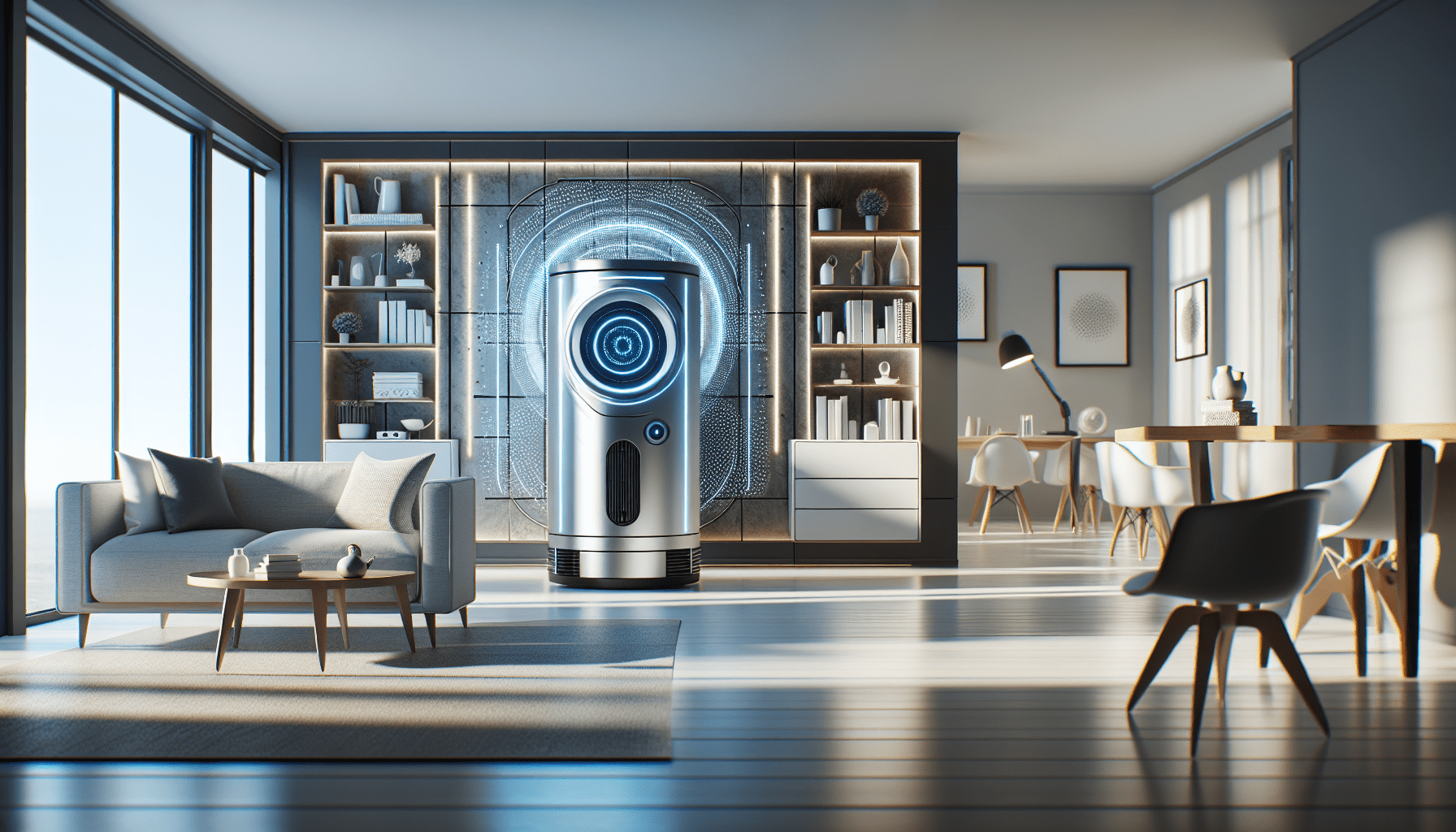
Are you tired of constantly inhaling polluted air in your home? Look no further! In this article, we will discuss the exciting world of home smart robotic air purifiers and how to import them into the USA. These innovative devices not only clean the air you breathe but also offer convenience and efficiency with their robotic features. So, if you are ready to improve your indoor air quality and simplify your life, keep reading to find out how to bring these state-of-the-art purifiers into your home.
Legal Requirements for Importing
Understanding Import Regulations
When importing home smart robotic air purifiers into the USA, it is essential to understand the import regulations applicable to such products. These regulations are put in place to ensure the safety and compliance of imported goods. Familiarize yourself with the specific import regulations for air purifiers, including any relevant certifications or standards that must be met.
Applying for Import Licenses
To legally import home smart robotic air purifiers into the USA, you may need to apply for import licenses or permits. These licenses are necessary to comply with customs regulations and facilitate the smooth passage of your products through the import process. Research the specific licenses required for importing air purifiers and ensure that all necessary paperwork is in order before initiating the import process.
Complying with Safety Standards
Safety is a top priority when importing home smart robotic air purifiers into the USA. It is crucial to ensure that the products meet the required safety standards and certifications set by regulatory bodies. Conduct thorough research to understand which safety standards are applicable to air purifiers and take the necessary steps to ensure compliance. This may include obtaining certifications from recognized organizations or conducting product testing to demonstrate compliance.
Choosing the Right Supplier
Researching Top Manufacturers
Finding a reliable and reputable supplier is crucial when importing home smart robotic air purifiers into the USA. Research and identify top manufacturers that produce high-quality products in line with your import requirements. Consider factors such as manufacturing capabilities, reputation, and customer reviews to evaluate the manufacturers and their suitability for your business.
Verifying Product Quality
Before finalizing a supplier, it is essential to verify the quality of the home smart robotic air purifiers they produce. Request product samples and thoroughly assess them for their functionality, durability, and overall performance. Inspect the materials used, the manufacturing processes employed, and any other relevant factors that contribute to the quality of the products. This step ensures that you choose a supplier that meets your quality standards.
Assessing Supplier’s Reliability
Reliability is crucial when selecting a supplier for home smart robotic air purifiers. Assess the supplier’s reliability by considering their track record, industry reputation, and ability to deliver products on time. A reliable supplier will have a proven record of fulfillment and a commitment to customer satisfaction. Consider reaching out to other businesses or individuals who have worked with the supplier to gather their feedback and experiences.
Shipping and Logistics
Selecting a Freight Forwarder
Once you have chosen a supplier for your home smart robotic air purifiers, you need to determine the best way to transport and ship the products to the USA. Selecting a reliable and experienced freight forwarder is essential for smooth and efficient logistics. Research different freight forwarders, comparing their services, pricing, and track records. Choose a freight forwarder that specializes in importing goods to the USA and has a strong reputation for reliability and customer service.
Understanding Shipping Options
To effectively ship your home smart robotic air purifiers, it is crucial to understand the various shipping options available. Research different modes of transportation, such as air freight, sea freight, or land transportation, and compare their costs, transit times, and suitability for your specific needs. Consider factors such as urgency, volume, and budget to determine the most appropriate shipping option for your products.
Arranging Customs Clearance
When importing home smart robotic air purifiers into the USA, customs clearance is a vital step in the import process. Ensure that you are familiar with the customs regulations and documentation requirements for air purifiers. Work closely with your chosen freight forwarder to arrange for the necessary customs documentation, such as shipping invoices, bills of lading, and import licenses. This will help facilitate a smooth customs clearance process and avoid delays in the delivery of your products.
Tariffs and Duties
Determining Applicable Tariffs and Duties
Importing home smart robotic air purifiers into the USA involves understanding and addressing tariffs and duties. It is essential to determine the specific tariff codes applicable to air purifiers. Consult the Harmonized System (HS) codes and cross-reference them with the relevant government regulations to ascertain the correct tariff rates. This information will help you estimate and plan for the import costs associated with your products.
Calculating Import Costs
Import costs are an important consideration when importing home smart robotic air purifiers into the USA. Take into account various factors, such as the cost of the products, shipping fees, customs duties, and any additional charges associated with importation. Accurately calculate these costs to ensure that your pricing and profit margins are properly aligned. Consult with professionals or use specialized software to simplify the calculation process.
Navigating Trade Agreements
The USA has entered into various international trade agreements that may affect the importation of home smart robotic air purifiers. Understand and navigate these trade agreements to potentially benefit from lower tariffs or other trade-related advantages. Research and determine if your products are eligible for any preferential treatment under these agreements. This knowledge will help you optimize your import process and ensure compliance with relevant regulations.
Product Certification
Ensuring Compliance with FCC Regulations
Importing home smart robotic air purifiers into the USA requires compliance with Federal Communications Commission (FCC) regulations. Verify that your suppliers’ products meet the necessary electromagnetic compatibility (EMC) and radio frequency (RF) requirements set by the FCC. Ensure that the products have undergone the required testing and carry the appropriate FCC certifications or labels.
Obtaining Safety Certifications
Safety certifications are vital for importing home smart robotic air purifiers into the USA. Confirm that your suppliers’ products comply with relevant safety standards established by organizations such as Underwriters Laboratories (UL) or Intertek. Obtain the necessary safety certifications or labels to demonstrate compliance with these standards and ensure the safety of the products for consumers.
Securing Energy Efficiency Certificates
Energy efficiency is an important aspect of home smart robotic air purifiers. Ensure that the products you import are energy-efficient and meet the requirements set by organizations such as the Environmental Protection Agency (EPA) or the Department of Energy (DOE). Obtain the requisite energy efficiency certificates or labels to showcase the eco-friendly nature of your products and appeal to environmentally-conscious consumers.
Marketing and Distribution
Identifying Target Market Segments
To successfully market and distribute home smart robotic air purifiers in the USA, it is crucial to identify the target market segments. Conduct market research to understand the preferences, needs, and demographics of potential customers. Determine the specific market segments that are most likely to be interested in and benefit from your products. This knowledge will help tailor your marketing efforts and effectively reach your target audience.
Creating Effective Marketing Strategies
Developing effective marketing strategies is essential for gaining traction in the competitive market of home smart robotic air purifiers. Craft a comprehensive marketing plan that includes various tactics such as online advertising, social media campaigns, influencer partnerships, and traditional marketing channels. Consider collaborating with marketing professionals or agencies to ensure that your strategies align with your business goals and resonate with your target customers.
Establishing Distribution Channels
Establishing robust distribution channels is crucial for the successful importation and sale of home smart robotic air purifiers in the USA. Identify and partner with distributors, retailers, or e-commerce platforms that specialize in home appliances or smart technology products. Strategically choose channels that have a strong presence in your target market segments and ensure that their logistics and fulfillment processes align with your requirements. Building strong relationships with your distribution partners will help ensure smooth product availability and maximize sales potential.
Customer Support and Warranty
Providing Product Support
Excellent customer support is essential when importing home smart robotic air purifiers into the USA. Establish a customer support system that can address any inquiries, concerns, or technical issues that customers may have after purchasing your products. Train your support team to provide prompt and helpful assistance, ensuring customer satisfaction and loyalty. Offering efficient product support will also contribute to a positive brand reputation in the market.
Setting up Warranty Policies
Warranty policies play a significant role in attracting customers and building trust in your products. Define and implement clear warranty policies for your home smart robotic air purifiers. Determine the duration and coverage of warranties and clearly communicate these terms to customers. Ensure that your warranty policies comply with relevant regulations and take into account any unique circumstances specific to your products.
Handling Returns and Repairs
Addressing returns and repairs is an important aspect of customer support for imported home smart robotic air purifiers. Establish a streamlined process for handling returns, exchanges, or repairs, ensuring that it is convenient for customers and meets their expectations. Collaborate with your suppliers or partners to facilitate efficient returns and repairs, reducing any potential negative impact on customer satisfaction.
After-sales Service and Maintenance
Offering Troubleshooting Assistance
Providing troubleshooting assistance is invaluable when it comes to after-sales service for home smart robotic air purifiers. Develop comprehensive troubleshooting guides or manuals that address common issues or concerns that customers may encounter. Train your support team to provide step-by-step assistance in resolving problems and ensuring that customers can fully utilize and enjoy the functionalities of the products.
Arranging Maintenance and Upgrades
Regular maintenance and upgrades are essential for ensuring the longevity and optimal performance of home smart robotic air purifiers. Collaborate with your suppliers or service partners to establish maintenance schedules or plans for the products you import. This will help customers maintain their air purifiers and take advantage of any upgrades or improvements that may become available over time.
Ensuring Spare Part Availability
Availability of spare parts is crucial for addressing any repair or maintenance needs that may arise with home smart robotic air purifiers. Work closely with your suppliers to ensure a ready supply of spare parts for the products you import. Maintain an inventory of commonly required spare parts to facilitate prompt repairs and minimize any disruptions in customer satisfaction. Communicate clearly with customers about spare part availability and ensure that they can easily access spare parts when needed.
Competitor Analysis
Identifying Key Competitors
Analyzing the competitive landscape is essential for importing home smart robotic air purifiers into the USA. Identify and closely study your key competitors to understand their market presence, product offerings, pricing strategies, and overall strengths and weaknesses. Conduct in-depth research on their marketing tactics, customer reviews, and any unique selling points they possess. This information will help you position your products effectively and differentiate them from the competition.
Analyzing Their Market Position
Analyzing the market position of your competitors provides valuable insights into the dynamics of the industry. Identify the market segments or niches that your competitors target and assess their level of success in those areas. Evaluate their market share, brand positioning, and customer perception to identify areas of opportunity or potential competitive advantages for your home smart robotic air purifiers. This analysis will assist in formulating effective marketing and sales strategies.
Differentiating Your Product
To stand out in a competitive market, it is essential to differentiate your home smart robotic air purifiers from those offered by competitors. Identify unique selling points or features that set your products apart and appeal to your target customers. Emphasize these differentiators in your marketing messages and product presentations to capture the interest and loyalty of consumers. Continuous innovation and staying ahead of industry trends can also contribute to maintaining a competitive edge.
Navigating Intellectual Property Rights
Researching Existing Patents
Intellectual property rights are crucial when importing home smart robotic air purifiers into the USA. Conduct thorough research to ensure that the products you import do not infringe upon existing patents. Explore patent databases and consult legal professionals to ascertain the patent landscape related to home smart robotic air purifiers. This research will help avoid potential legal issues and protect your business interests.
Filing for Patent Protection
If you have developed unique features or technologies for your home smart robotic air purifiers, consider filing for patent protection. Consult with patent attorneys to understand the process and requirements for filing patents in the USA. Protecting your intellectual property will safeguard your competitive advantage and provide legal recourse against potential infringement by competitors.
Protecting Trademarks and Copyrights
In addition to patents, trademarks, and copyrights play a crucial role in protecting your brand and intellectual property. Register your trademarks and copyrights with the appropriate US agencies to establish legal ownership and protection. This step ensures that your brand identity, product names, logos, and other creative elements associated with your home smart robotic air purifiers are safeguarded from unauthorized use by others.
In conclusion, importing home smart robotic air purifiers into the USA involves understanding and complying with legal requirements, choosing the right supplier, managing shipping and logistics effectively, navigating tariffs and duties, obtaining the necessary product certifications, implementing robust marketing and distribution strategies, providing excellent customer support and warranty services, ensuring after-sales service and maintenance, conducting competitor analysis, and protecting intellectual property rights. By following these comprehensive guidelines, you can successfully import and establish a strong presence in the US market with your home smart robotic air purifiers.