
Customs Clearance For Apparel
In the world of international trade, customs clearance plays a critical role in ensuring the smooth flow of goods. This is particularly true when it comes to the apparel industry, where strict regulations and procedures must be followed to navigate through the complex web of customs requirements. From verifying the accuracy of documents to assessing the appropriate tariffs and duties, customs clearance for apparel requires meticulous attention to detail. In this article, we will explore the key considerations and challenges that businesses face when it comes to customs clearance for apparel, shedding light on crucial aspects and providing insights to streamline the process for seamless import and export operations.
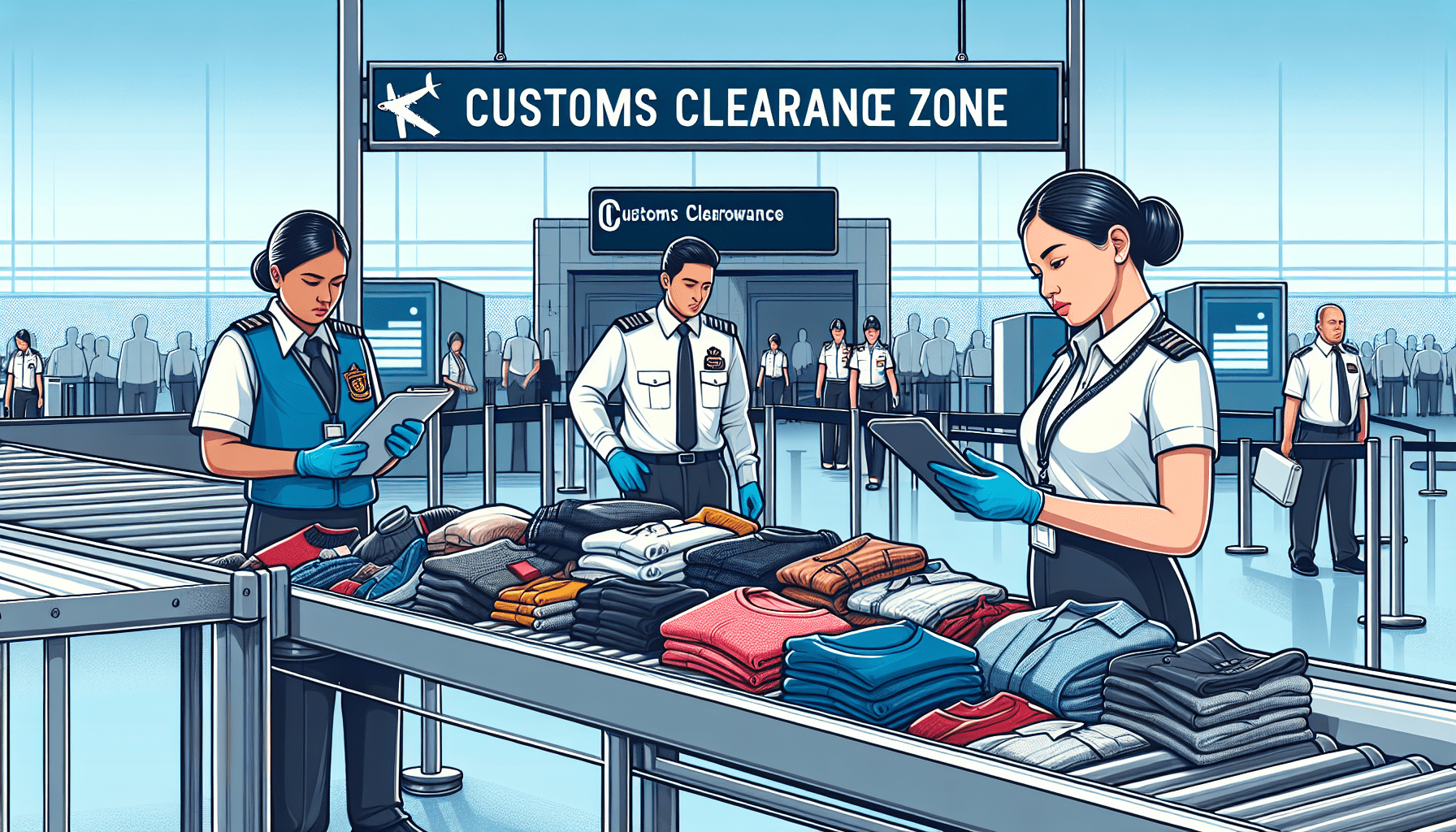
Customs Clearance Process
Customs clearance is an essential step in the import and export of apparel. It involves a series of procedures and requirements that ensure compliance with customs regulations and facilitate the smooth movement of goods across borders. Understanding the customs clearance process is crucial for apparel businesses to avoid delays, penalties, and other potential issues that may arise during international trade.
Documentation
Proper documentation is the foundation of the customs clearance process for apparel. It is imperative to prepare and submit all the necessary paperwork accurately and in a timely manner. The key documents required for customs clearance of apparel include:
Commercial Invoice
The commercial invoice is a crucial document that provides detailed information about the goods being imported or exported. It includes the description of the apparel, quantity, value, and other relevant information such as the exporter and importer’s details.
Packing List
The packing list outlines the contents of each package or container and provides information on the dimensions, weight, and type of packaging used. It helps customs officials verify the accuracy of the shipment and ensures that the goods are appropriately classified and valued.
Bill of Lading/Airway Bill
The bill of lading or airway bill is a document issued by the carrier that confirms the receipt of the goods and serves as evidence of the contract of carriage. It is essential for customs clearance as it provides information on the origin, destination, and the parties involved in the transportation of the apparel.
Import/Export License
An import/export license may be required depending on the country of import or export. It is issued by the relevant government authority and grants the holder the permission to engage in international trade activities.
Insurance Certificate
While not always mandatory, an insurance certificate is often required for customs clearance. It provides proof that the goods are insured during transportation and protects the parties involved in the event of loss or damage.
Customs Entry
The customs entry, also known as the customs declaration, is a formal document that provides detailed information about the imported or exported goods. It includes the classification, value, quantity, and other relevant data required by customs authorities.
Classification of Apparel
The classification of apparel is a critical aspect of customs clearance. It determines the specific category or subcategory under which the apparel falls, based on the Harmonized System (HS) codes. The correct classification is essential for accurate duty and tax calculation and compliance with trade regulations.
HS Codes
HS codes are internationally recognized codes that classify goods for customs purposes. Each product, including apparel, is assigned a specific code that reflects its characteristics, materials used, and intended use. The correct HS code is crucial for accurate tariff determination and adherence to specific import or export regulations.
Tariff Regulations
Tariff regulations specify the duty rates applicable to different categories of apparel. These rates may vary depending on factors such as the country of origin, the preferential trade agreements in place, and any specific trade policies or restrictions. It is essential to stay up-to-date with the latest tariff regulations to ensure compliance and avoid any unexpected costs or penalties.
Quota Restrictions
Some countries impose quota restrictions on specific types of apparel. Quotas limit the quantity of certain products that can be imported or exported within a specified period. Apparel businesses must be aware of any quota restrictions that may apply to their products and ensure compliance with the prescribed limits.
Rules of Origin
Rules of origin determine the country of origin for apparel products and are essential for customs clearance. The rules specify the criteria that a product must meet to be considered as originating from a particular country. This designation impacts the application of preferential tariff rates and eligibility for trade agreements such as free trade agreements or trade preference programs.
Valuation of Apparel
The valuation of apparel is a critical step in the customs clearance process as it determines the customs value of the goods. The customs value, in turn, influences the calculation of duty and taxes payable. Accurate valuation is essential to ensure compliance with customs regulations and avoid potential disputes or penalties.
Transaction Value Method
The transaction value method is the primary method used for valuing apparel for customs purposes. It involves determining the value based on the actual price paid or payable for the goods when sold for exportation. The transaction value should include all costs up to the point of importation, such as transport and insurance costs.
Customs Valuation Methods
In situations where the transaction value method cannot be applied, customs authorities may use alternative valuation methods. These methods, outlined by the World Trade Organization (WTO), provide guidelines for determining the customs value based on factors such as comparable sales, deductive value, or computed value. It is essential to understand the specific customs valuation methods applicable to apparel to facilitate smooth customs clearance.
Related Party Transactions
Customs authorities closely scrutinize transactions between related parties, such as affiliated companies or business partners. The transaction value method may be subject to additional scrutiny to ensure that the price paid is reflective of the true value of the apparel. It is crucial to keep documentation and records that support the pricing and demonstrate that the transaction between related parties is at arm’s length.
Currency Conversion
When valuing apparel for customs purposes, it is important to convert the transaction value into the local currency of the importing country. The customs authorities typically use the prevailing exchange rate on the date of importation. Accurate and consistent currency conversion is essential to avoid discrepancies and ensure compliance with customs requirements.

Duty and Tax Calculation
The calculation of duties and taxes is a vital component of customs clearance for apparel. It determines the financial obligations and impacts the overall cost of importing or exporting apparel. Understanding the factors that affect duty and tax calculation is essential to avoid any surprises and effectively manage costs.
Tariff Rates
Tariff rates vary depending on the specific classification of apparel and the country of importation or exportation. Tariffs can be ad valorem (a percentage of the customs value) or specific (a fixed amount per unit of measurement). Keeping track of the applicable tariff rates is crucial for estimating costs accurately and ensuring compliance with customs regulations.
VAT and Sales Tax
Value Added Tax (VAT) or Sales Tax may be applicable to apparel imports or exports, depending on the country’s tax laws. VAT or sales tax is a consumption tax levied on the value of goods or services. The tax rate and the specific procedures for VAT or sales tax calculation may vary among countries. Understanding the VAT or sales tax requirements is important to ensure compliance and accurately calculate the total duty and tax payable.
Excise Duty
Excise duty may also apply to certain categories of apparel, particularly those classified as luxury or environmentally sensitive items. Excise duties are often specific to each country and are in addition to regular customs duties. It is crucial to determine if any excise duties are applicable and factor them into the overall cost of importing or exporting apparel.
Duty Exemptions or Preferences
Some countries offer duty exemptions or preferential tariff rates for certain categories of apparel. These exemptions or preferences may be granted to products originating from specific countries or as part of trade agreements. Apparel businesses should explore opportunities for duty exemptions or preferences to optimize cost savings and facilitate competitive pricing.
Customs Inspection
Customs inspections are conducted to verify the accuracy and compliance of the apparel being imported or exported. Inspections may be carried out in various forms, ranging from document inspections to physical examinations. Understanding the different types of inspections and the associated requirements is crucial to ensure a smooth customs clearance process.
Document Inspection
Document inspections involve a thorough review of the accompanying paperwork, including invoices, packing lists, and other relevant documents. Customs officials assess the documentation for accuracy, completeness, and compliance with customs regulations. It is important to ensure that all necessary documents are prepared correctly and readily available for inspection.
Physical Inspection
Physical inspections involve the visual inspection of the apparel by customs officials. They may examine the goods to ensure that they correspond to the documentation, verify the marking and labeling requirements, and check for any signs of damage or irregularities. Apparel businesses should prepare their shipments in a manner that facilitates efficient and expedited physical inspections.
Sampling and Testing
In some cases, customs authorities may conduct sampling and testing of the apparel to ensure compliance with safety, quality, or regulatory standards. This is particularly relevant for products that may pose health or safety risks, such as children’s clothing or textiles. Understanding the specific requirements for sampling and testing is essential to avoid delays and ensure compliance with applicable regulations.
Customs Bonds
Customs bonds are financial guarantees that ensure the payment of duties, taxes, and other financial obligations to customs authorities. They may be required in certain circumstances, such as for temporary importation, transit shipments, or bonded warehousing. Apparel businesses should be aware of the conditions under which customs bonds are required to avoid any delays or complications during customs clearance.
Licenses and Permits
Certain licenses and permits may be necessary for the customs clearance of apparel, depending on the specific requirements of the importing or exporting country. These licenses and permits are granted by the relevant government authorities and serve as evidence of compliance with specific regulations.
Import License
An import license may be required in some countries to permit the importation of apparel. The import license is issued by the designated government authority and outlines the conditions and restrictions applicable to the importation of the goods. Apparel businesses should verify if an import license is required and obtain one in advance to ensure smooth customs clearance.
Export License
Similarly, an export license may be necessary in certain situations, especially for the exportation of restricted or sensitive apparel products. The export license specifies the conditions and requirements for the exportation of the goods and is issued by the relevant government authority.
Quota Permit
For apparel products subject to quota restrictions, a quota permit may be necessary to allocate and track the permitted quantity. The quota permit is issued by the government authority responsible for monitoring and regulating the importation or exportation of quota-controlled apparel.
Labeling and Marking Requirements
Many countries have specific labeling and marking requirements for apparel products. These may include information such as country of origin, fiber content, care instructions, and safety warnings. Failure to comply with these requirements can result in delays or rejection of the goods during customs clearance. Apparel businesses should ensure that all labeling and marking requirements are met to avoid any compliance issues.
Customs Broker
Navigating the customs clearance process can be complex and time-consuming, especially for small or inexperienced apparel businesses. Engaging the services of a customs broker can greatly facilitate the process and ensure compliance with all customs regulations.
Role and Importance
A customs broker is a licensed professional who specializes in customs regulations and procedures. They act as intermediaries between the apparel businesses and customs authorities, providing expertise and assistance in preparing and submitting the required documentation, classifying the apparel, calculating duties and taxes, and ensuring compliance with all applicable regulations.
Benefits of Hiring a Customs Broker
Hiring a customs broker offers several benefits for apparel businesses. Firstly, it saves time and resources by outsourcing the complex customs clearance process to professionals who are well-versed in customs regulations. Secondly, a customs broker can provide expert advice and guidance, ensuring that all documentation and procedures are in order to avoid any delays or penalties. Lastly, a customs broker can help optimize costs by identifying duty exemptions or preferential rates that may apply to the apparel being imported or exported.
Finding a Reliable Customs Broker
When choosing a customs broker, it is important to select a reliable and experienced professional. Recommendations from industry peers or trade associations can be a good starting point. Conducting due diligence and verifying the qualifications and certifications of the customs broker is crucial. Additionally, a customs broker specializing in apparel or textile products may have specific expertise that is relevant to the industry.
Common Challenges During Customs Clearance
While customs clearance is a necessary process, it is not without its challenges. Apparel businesses should be aware of these challenges to mitigate potential issues and ensure a smooth customs clearance experience.
Delays in Processing
Delays in customs processing can occur due to various factors, including high volumes of incoming shipments, customs officials’ workload, or incomplete or incorrect documentation. Apparel businesses should allow for additional time when planning their import or export activities to account for potential delays.
Incorrect or Incomplete Documentation
Inaccurate or incomplete documentation is a common issue that can lead to customs clearance delays or even rejections. It is important to double-check all paperwork and ensure that all required documents are prepared accurately and completely.
Discrepancies in Valuation
Valuation discrepancies, such as undervaluing or misrepresenting the price of the apparel, can lead to disputes with customs authorities. It is essential to accurately determine the customs value and ensure consistency with the transaction value and other valuation methods.
Non-compliance with Regulations
Failure to comply with customs regulations can result in penalties, fines, or even seizure of the goods. It is crucial to stay informed about the latest customs regulations, tariff rates, and other requirements to ensure compliance and avoid unnecessary complications.
Tips for Smooth Customs Clearance
To facilitate smooth customs clearance for apparel, consider the following tips:
Plan Ahead
Proper planning is key to avoiding delays and ensuring a smooth customs clearance process. Allow sufficient time for documentation preparation, validation, and submission. Anticipate potential challenges or issues and have contingency plans in place.
Ensure Accurate Documentation
Accuracy and completeness of documentation are crucial for a seamless customs clearance experience. Verify that all required documents are prepared accurately and in accordance with customs regulations. Double-check the information provided, such as the classification, value, and descriptions of the apparel.
Engage a Customs Expert
Consider hiring a customs expert or customs broker to navigate the complex customs clearance process. Their expertise and experience can help ensure compliance, streamline procedures, and mitigate potential issues that may arise during customs clearance.
Stay Informed
Stay updated with the latest customs regulations, tariff rates, and other relevant trade policies. Regularly consult official government websites, trade organizations, or seek professional advice to stay informed about changes that may impact the customs clearance process for apparel.
In conclusion, the customs clearance process for apparel involves a series of procedures, documentation requirements, and compliance with customs regulations. Accuracy, compliance, and proper planning are essential to facilitate smooth customs clearance and avoid delays, penalties, or disputes. By understanding the customs clearance process, engaging experts when needed, and staying informed about the latest trade regulations, apparel businesses can navigate the complexities of international trade with confidence.