
Shipping and Logistics
Importing Baby Nursery Window Curtains Into The USA

So, you’ve decided to decorate your baby’s nursery with some adorable window curtains from overseas. But wait, before you get too excited and start imagining how perfect they’ll look, there’s a little something you need to know – the process of importing baby nursery window curtains into the USA. In this article, we’ll guide you through the necessary steps and regulations, ensuring that you can bring those beautiful curtains home without any hassle. From understanding import duties to navigating through customs, we’ve got everything covered to make your nursery dreams come true. Make yourself comfortable and let’s get started!
Understanding Import Regulations
Researching Import Laws and Regulations
When considering importing baby nursery window curtains into the USA, it is crucial to familiarize yourself with the import laws and regulations. You need to understand the legal requirements and processes associated with importing goods into the country. This research will help you navigate the complex world of international trade and ensure compliance with the necessary regulations.
Identifying Import Restrictions on Baby Nursery Window Curtains
Before importing baby nursery window curtains, it is essential to identify any import restrictions that may apply. The United States has certain restrictions on goods related to safety standards, flammability, and labeling requirements. Familiarize yourself with these restrictions to ensure that the curtains you intend to import meet all the necessary criteria for entry into the USA.
Understanding Tariffs and Custom Duties
Tariffs and custom duties are charges imposed on imported goods. They serve as a means to protect local industries and generate revenue for the country. Understanding these import taxes is crucial for calculating the overall cost of importing baby nursery window curtains. Research and familiarize yourself with the applicable tariffs and custom duties to ensure that your import venture remains financially viable.
Finding Importing Agents or Customs Brokers
Navigating the import process can be overwhelming, especially for newcomers. Hiring an importing agent or customs broker can simplify and expedite the process. These professionals have the experience and knowledge to assist you with the necessary paperwork, ensuring compliance with regulations, and facilitating smooth customs clearance. Research and find reliable importing agents or customs brokers who specialize in the importation of baby nursery window curtains.
Product Compliance and Safety Standards
Identifying Safety Standards for Baby Nursery Window Curtains
When importing baby nursery window curtains, ensuring that they meet safety standards is crucial. Familiarize yourself with the safety standards applicable to these curtains, such as those related to fabric quality, cord safety, and structural integrity. Ensuring compliance with these standards will not only safeguard the end-users but also protect your business from potential liabilities.
Ensuring Compliance with Flammability Regulations
Flammability is a critical aspect when it comes to baby nursery window curtains. It is important to ensure that the curtains you import adhere to flammability regulations set by organizations such as the Consumer Product Safety Commission (CPSC). These regulations are in place to minimize the risk of fire accidents. Ensure that your chosen supplier can provide flammability test reports and certifications to demonstrate compliance.
Checking for Lead and Phthalates Limits
Another important aspect of product compliance is checking for lead and phthalates limits. Lead and phthalates can be harmful to infants and young children if present in excessive amounts. Make sure that the baby nursery window curtains you import adhere to the limits set by organizations such as the CPSC. Request test reports from your supplier to ensure compliance and the safety of the end-users.
Understanding Product Labeling Requirements
Proper labeling is essential when importing baby nursery window curtains. Familiarize yourself with the product labeling requirements set by regulatory bodies such as the Federal Trade Commission (FTC) and the CPSC. These requirements typically include information such as fiber content, care instructions, safety warnings, and country of origin. Ensure that your chosen supplier can provide curtains with appropriate labeling to meet these requirements.
Obtaining Certifications and Test Reports
Obtaining the necessary certifications and test reports for your imported baby nursery window curtains is crucial. These certifications and reports demonstrate compliance with safety standards and regulations. Work closely with your supplier to ensure that they can provide the required certifications, such as those for flammability and lead content. Obtain test reports from accredited laboratories to validate the safety and quality of your products.
Choosing a Reliable Supplier
Researching Baby Nursery Window Curtain Manufacturers
Choosing the right supplier is vital for a successful import venture. Start by researching baby nursery window curtain manufacturers to identify potential suppliers. Look for manufacturers known for producing high-quality products and having experience in exporting to the USA. Explore online directories, industry associations, and trade shows to find a list of reputable manufacturers that meet your requirements.
Evaluating Supplier’s Experience and Reputation
Once you have a list of potential suppliers, evaluate their experience and reputation in the industry. Consider factors such as how long they have been in business, their track record, and customer feedback. Look for reviews and testimonials from other importers who have worked with the supplier. Aim to choose a supplier with a proven track record of delivering quality products and excellent customer service.
Checking Product Samples and Quality
Before committing to a supplier, it is essential to request product samples to assess the quality of their baby nursery window curtains. Inspect the samples thoroughly for any defects or issues that may impact their marketability. Pay attention to details such as fabric quality, stitching, and overall craftsmanship. Consult third-party quality control experts to ensure the samples meet your expectations and comply with the necessary standards.
Verifying Supplier’s Legal and Ethical Practices
Verifying the legal and ethical practices of your chosen supplier is crucial to avoid any negative repercussions for your business. Conduct due diligence to ensure that the supplier follows labor and environmental regulations and adheres to ethical business practices. Request certifications or audits that demonstrate their commitment to fair labor practices and responsible sourcing. Choose a supplier that aligns with your values and ethics.
Negotiating Pricing and Terms
Once you have identified a reliable supplier and are satisfied with the quality of their products, it is time to negotiate pricing and terms. Discuss the pricing structure, including any bulk order discounts or future pricing adjustments. Clarify payment terms, such as deposit requirements and acceptable methods of payment. Consider factors such as shipping costs and delivery timelines when evaluating the overall pricing and terms offered by the supplier.
Shipping and Logistics
Determining the Best Shipping Method
Choosing the most suitable shipping method is crucial when importing baby nursery window curtains. Consider factors such as the size of your shipment, urgency, and budget. Common shipping methods include air freight, ocean freight, and express courier services. Evaluate the pros and cons of each option based on your specific requirements and choose the method that ensures timely and cost-effective delivery of your goods.
Calculating Shipping Costs and Transit Time
Before finalizing the shipping arrangements, it is important to calculate the shipping costs and estimated transit time. Factors such as the weight and volume of your shipment, distance, and shipping method will affect the shipping costs. Request detailed quotes from freight forwarders or shipping agents and compare the rates and services offered. Consider the transit time and factor it into your overall logistics planning.
Arranging Freight Forwarding or Shipping Agent
To streamline your shipping and logistics process, engage a reliable freight forwarding or shipping agent. These professionals have the expertise and network to manage the transportation of your goods effectively. Work with them to arrange the transportation, customs clearance, and delivery of your baby nursery window curtains. Provide them with the necessary documentation and information to ensure a smooth and hassle-free shipping experience.
Understanding Incoterms and Insurance Coverage
Understanding Incoterms (International Commercial Terms) is essential when it comes to international trade. Incoterms define the roles and responsibilities of buyers and sellers regarding the delivery, risk, and cost of the goods. Familiarize yourself with the commonly used Incoterms, such as FOB (Free On Board) and CIF (Cost, Insurance, and Freight). Additionally, consider obtaining insurance coverage to protect your shipment against loss or damage during transit.
Preparing Shipping Documentation
Proper documentation is crucial for a smooth shipping process. Prepare the necessary shipping documents, such as the commercial invoice, packing list, and bill of lading. Ensure that the information provided in these documents is accurate and matches the actual shipment. Work closely with your freight forwarder or shipping agent to understand the specific requirements and deadlines for preparing and submitting the shipping documentation.
Customs Clearance Process
Applying for an Importer ID
Before importing baby nursery window curtains into the USA, you need to apply for an importer ID. The importer ID, also known as an EIN (Employer Identification Number) or IRS number, is required to conduct business with the customs authorities. Apply for an importer ID through the U.S. Internal Revenue Service (IRS) to ensure compliance with the necessary regulations and facilitate a smooth customs clearance process.
Preparing Required Customs Forms
Properly completing the required customs forms is essential for a successful customs clearance process. The specific forms you need to submit may vary depending on factors such as the value and nature of your shipment. Ensure that you have accurately completed forms such as the Customs Declaration (Form 3461) and the Entry Summary (Form 3461). Consult with your customs broker or shipping agent for guidance on the correct completion and submission of these forms.
Checking Product Valuation and Classification
Accurate product valuation and classification are crucial for determining the correct customs duties and taxes applicable to your imported baby nursery window curtains. Work with your customs broker or shipping agent to determine the Harmonized System (HS) code for the curtains. This code is used to classify the product and calculate the customs duties. Provide accurate information regarding the value of the curtains to avoid any issues during customs clearance.
Managing Import Taxes and Duties
Import taxes and duties can significantly impact the overall cost of your imported baby nursery window curtains. Be prepared to manage these expenses by understanding the applicable rates and ensuring compliance with the necessary regulations. Work closely with your customs broker or shipping agent to calculate the estimated import taxes and duties. Develop a strategy to minimize the impact of these costs on your import venture.
Engaging a Customs Broker or Clearing Agent
Engaging a customs broker or clearing agent can greatly simplify the customs clearance process. These professionals have the expertise and knowledge to navigate the complex customs procedures and regulations. They will assist you in preparing the necessary documentation, submitting customs forms, and ensuring compliance with the customs requirements. Consider hiring a customs broker or clearing agent to streamline your customs clearance and avoid potential delays or penalties.
Product Packaging and Labeling
Ensuring Proper Packaging to Protect Curtains
Proper packaging is crucial to ensure that the baby nursery window curtains arrive at their destination in excellent condition. Work closely with your supplier to determine the most suitable packaging materials and methods. Consider factors such as protection against moisture, damage, and potential transit hazards. Ensure that the packaging adequately safeguards the curtains during transportation to minimize the risk of any damage.
Labeling Requirements for Country of Origin
Accurate labeling of the country of origin is essential when importing baby nursery window curtains into the USA. The country of origin denotes where the product was manufactured or produced. Ensure that the curtains are labeled with the correct country of origin in accordance with the regulations set by the customs authorities. This labeling requirement helps consumers make informed purchasing decisions and ensures compliance with import regulations.
Providing Required Product Information
Properly providing the required product information is crucial for compliance and transparency. Provide accurate and complete information about the baby nursery window curtains, such as dimensions, materials, and care instructions. Consider any specific requirements set by the regulatory bodies, such as the CPSC. Providing detailed and precise product information will help consumers make informed choices and prevent any potential safety or quality issues.
Including Safety and Care Instructions
Safety and care instructions are essential components of product labeling, especially when it comes to baby nursery window curtains. Include clear and concise safety instructions, highlighting any potential hazards or risks associated with the product’s use. Additionally, provide care instructions that outline how to properly clean, maintain, and store the curtains. Compliance with safety and care labeling requirements ensures that consumers can use the curtains safely and prolong their lifespan.
Meeting Barcode and Labeling Standards
Complying with barcode and labeling standards is important when importing baby nursery window curtains into the USA. Barcode labels facilitate inventory management and tracking of the products throughout the supply chain. Work with your supplier to ensure that the curtains are labeled with accurate and scannable barcodes that meet the industry standards. Adhering to these labeling requirements streamlines logistics operations and enhances product traceability.
Risk Assessment and Quality Control
Inspecting Product Quality and Specifications
To ensure the quality of the baby nursery window curtains, conduct thorough inspections of the products and their specifications. Develop detailed quality control criteria and guidelines in collaboration with your supplier. Regularly inspect the curtains to ensure they meet the required quality standards and match the agreed-upon specifications. Any variances or non-compliance should be addressed promptly to maintain product quality and customer satisfaction.
Conducting Supplier Audits and Factory Visits
Conducting supplier audits and factory visits is an effective way to assess the capabilities and practices of your chosen supplier. Regularly visit the supplier’s manufacturing facilities to observe their production processes, quality control measures, and labor conditions. Conduct audits to verify that the supplier adheres to applicable standards and regulations. These visits and audits provide insight into the supplier’s commitment to quality, compliance, and ethical practices.
Implementing Quality Control Measures
Implement robust quality control measures to ensure that the baby nursery window curtains meet the required standards consistently. Establish quality control checkpoints throughout the production process to identify and address any issues promptly. Utilize quality control tools and techniques such as statistical process control (SPC) and random sampling inspections. Continuous monitoring and improvement of product quality solidify your reputation as a reliable importer of high-quality curtains.
Performing Product Testing and Compliance Checks
Regular product testing and compliance checks are essential to verify that the baby nursery window curtains meet the required safety and quality standards. Engage accredited testing laboratories to conduct comprehensive tests, such as flammability and lead content tests. Regularly monitor and enforce compliance with the applicable regulations to ensure that the curtains you import are safe for use and comply with all relevant standards.
Managing Product Recalls and Returns
In the unfortunate event of product defects or safety concerns, it is crucial to have a robust system in place to manage product recalls and returns. Develop a proactive approach to handle such situations promptly and transparently. Establish clear procedures for communicating with consumers, coordinating recalls, and processing returns. Swift and effective management of product recalls and returns minimizes any negative impact on your business and builds trust with customers.
Distribution and Sales
Identifying Target Market and Channels
Identifying your target market and selecting the most appropriate distribution channels are essential steps in successfully importing baby nursery window curtains into the USA. Conduct market research to understand the preferences and needs of your target customers. Determine the most effective channels to reach them, such as online platforms, retail stores, or specialty baby and nursery stores. Tailor your distribution strategy to maximize your reach and sales potential.
Creating Marketing and Promotional Strategies
Developing effective marketing and promotional strategies is crucial to generate awareness and demand for your baby nursery window curtains. Craft compelling marketing messages that highlight the unique features and benefits of your products. Utilize various marketing channels, such as social media, online advertising, and influencer partnerships, to reach your target audience. Implement promotions, discounts, and loyalty programs to incentivize purchases and encourage repeat business.
Establishing Relationships with Retailers and Wholesalers
Building relationships with retailers and wholesalers is key to expanding the distribution network for your baby nursery window curtains. Identify potential retailers and wholesalers that align with your target market and product positioning. Reach out to them to introduce your products and discuss potential collaboration opportunities. Provide comprehensive product information, samples, and pricing details to facilitate their decision-making process and encourage partnerships.
Managing Inventory and Order Fulfillment
Efficient inventory management and order fulfillment processes are critical to ensure timely delivery of the baby nursery window curtains to your customers. Utilize reliable inventory management software to monitor stock levels, receive real-time updates, and facilitate seamless order processing. Implement a system that enables you to efficiently fulfill orders, manage returns, and update inventory levels. Streamlining these processes enhances customer satisfaction and operational efficiency.
Providing Customer Support
Providing excellent customer support is essential for building long-term relationships and fostering customer loyalty. Offer multiple channels for customers to reach out, such as phone, email, or live chat. Train your customer support team to respond promptly and professionally to inquiries, concerns, and complaints. Aim to resolve issues effectively and surpass customer expectations. Exceptional customer support strengthens your brand reputation and encourages positive word-of-mouth recommendations.
Dealing with Customer Feedback and Complaints
Implementing a Feedback Management System
To continuously improve your products and services, it is essential to implement a comprehensive feedback management system. Encourage customers to provide feedback on their experience with your baby nursery window curtains. Utilize customer surveys, online reviews, and social media monitoring to gather feedback. Analyze the data to identify areas for improvement and track customer satisfaction. Act upon the feedback received to enhance your products and overall customer experience.
Addressing Customer Complaints and Issues
Addressing customer complaints promptly and effectively is crucial for maintaining customer satisfaction and loyalty. Develop clear procedures to handle and resolve customer complaints. Provide your customer support team with the necessary tools and training to address issues professionally and empathetically. Listen to your customers’ concerns, offer solutions, and strive to exceed their expectations. Resolving complaints efficiently demonstrates your commitment to customer satisfaction.
Resolving Product Returns and Exchanges
Handling product returns and exchanges in a seamless and customer-friendly manner is essential for maintaining goodwill with your customers. Establish clear return and exchange policies that provide a fair and straightforward process. Ensure that your customer support team is well-versed in handling returns and exchanges, providing assistance to customers, and facilitating the process efficiently. Streamlining returns and exchanges enhances customers’ trust and satisfaction with your brand.
Implementing Continuous Improvement Measures
Continuous improvement is vital for maintaining competitiveness and meeting the evolving needs of your customers. Regularly analyze customer feedback, market trends, and industry best practices to identify areas for improvement. Engage in product development and innovation to stay ahead of the competition. Actively seek feedback from suppliers, retailers, and other stakeholders to explore opportunities for optimization. Consistent improvement ensures that your baby nursery window curtains remain relevant and competitive in the market.
Maintaining Compliance and Documentation
Keeping Track of Regulatory Changes
Regulatory changes can have a significant impact on the importation of baby nursery window curtains into the USA. Stay informed about any updates or revisions to import regulations, safety standards, labeling requirements, or customs procedures. Regularly monitor updates from regulatory bodies such as the CPSC, FTC, and FDA. Engage industry associations and networks to stay updated on emerging trends and regulatory developments.
Renewing Certifications
To maintain compliance, regularly review the expiration dates of your certifications and renew them in a timely manner. Stay aware of any changes in the certification requirements and ensure that your products and processes continue to meet the necessary criteria. Collaborate closely with your supplier to obtain updated certifications and test reports as needed. Demonstrating continued compliance gives you a competitive edge and instills confidence in your customers.
Maintaining Product Records and Documentation
Properly maintaining product records and documentation is crucial for compliance and traceability. Keep detailed records of all relevant documents, including product specifications, test reports, invoices, and shipping documentation. Organize these records in a systematic manner for easy retrieval and reference. Maintaining comprehensive documentation facilitates audits, compliance checks, and product recalls, if necessary.
Conducting Internal Audits
Regular internal audits provide an opportunity to review and validate your company’s compliance with regulations, standards, and best practices. Conduct periodic audits of your import processes, product quality control, and documentation management. Identify any areas for improvement and take corrective actions as required. Internal audits demonstrate your commitment to maintaining compliance and achieving operational excellence.
Staying Updated on Safety and Quality Standards
Staying updated on safety and quality standards is essential for maintaining the integrity and reputation of your baby nursery window curtains. Monitor changes in safety regulations, industry guidelines, and quality standards to ensure ongoing compliance. Participate in industry conferences, trade shows, and webinars to stay informed and learn from industry experts. Active engagement in knowledge-sharing platforms helps you stay ahead of the curve and adapt to changing safety and quality requirements.
In conclusion, importing baby nursery window curtains into the USA requires a comprehensive understanding of import regulations, compliance with safety standards, careful supplier selection, effective logistics management, and a strong focus on quality control. By following the outlined steps and considering each aspect of the import process, you can successfully navigate the complexities and establish a reliable and compliant supply chain for your baby nursery window curtains. Remember to maintain compliance, prioritize customer satisfaction, and continuously strive for improvement to thrive in the competitive marketplace.
Importing Computer Gaming Chair Leg Extenders Into The USA
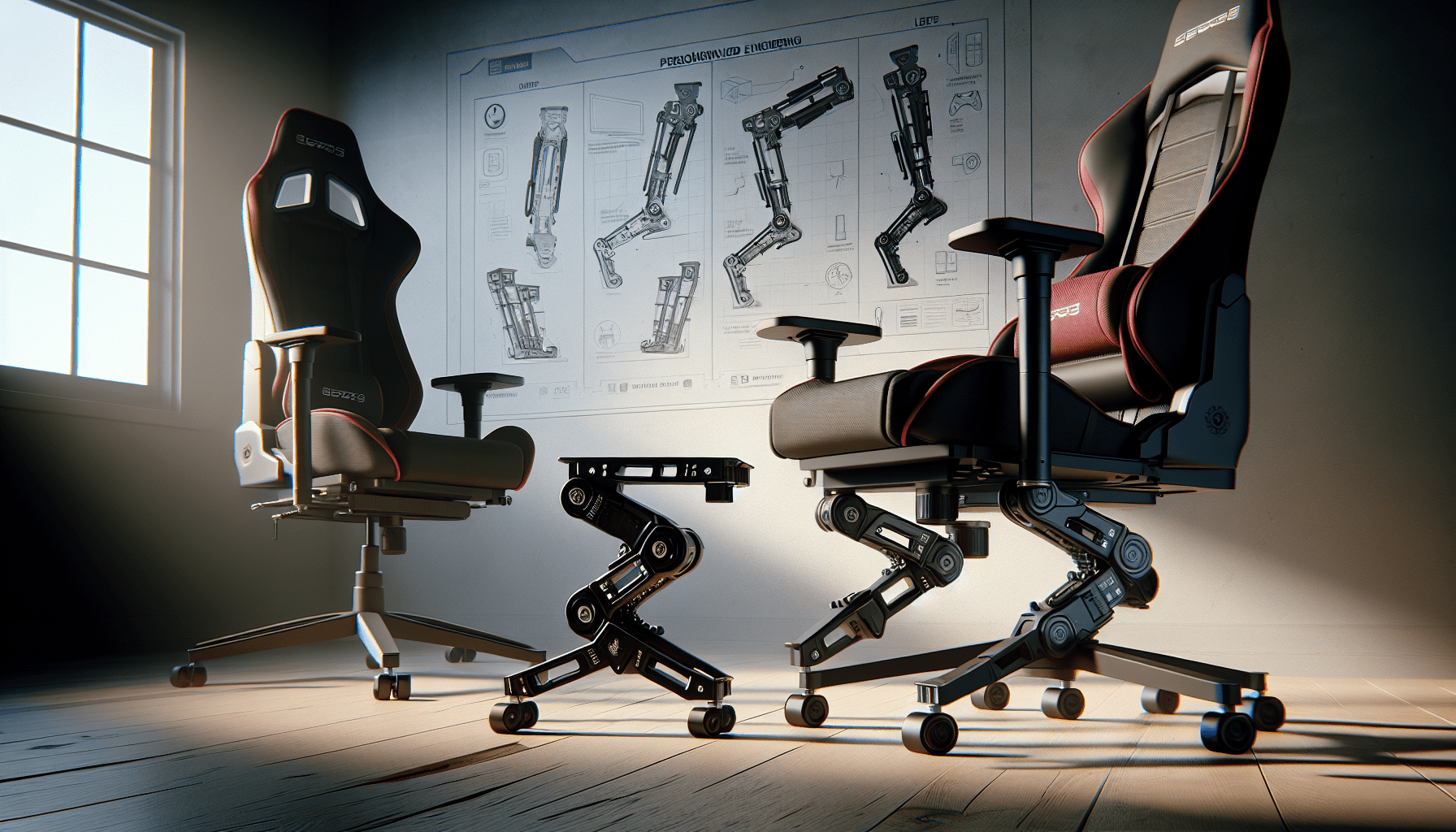
Are you tired of your computer gaming chair being too low and uncomfortable? Well, we have a solution for you – importing computer gaming chair leg extenders into the USA! These handy accessories are designed to elevate your gaming chair, allowing you to find the perfect height and enjoy hours of comfortable gameplay. In this article, we will explore the benefits of using chair leg extenders and discuss the process of importing them into the USA. So, get ready to level up your gaming experience with these fantastic additions to your chair!
Understanding the Market Demand
Before delving into the process of importing computer gaming chair leg extenders into the USA, it is crucial to understand the market demand for such products. Computer gaming has increasingly become a popular pastime, with a growing number of individuals investing in quality gaming equipment. As gamers strive to optimize their gaming experience, the demand for convenient and ergonomic accessories, such as gaming chair leg extenders, is on the rise. These leg extenders allow gamers to adjust the height of their chairs, resulting in improved comfort and posture during long gaming sessions. Recognizing this demand is key to successfully entering the market and fulfilling consumer needs.
Researching Import Regulations
Importing goods into any country requires adhering to specific regulations and procedures. In the case of importing computer gaming chair leg extenders into the USA, it is important to research and comply with the import regulations set by the United States Customs and Border Protection (CBP). This includes understanding the necessary documentation, tariff classifications, and any applicable licenses or permits required. Familiarizing yourself with these regulations will ensure a smooth and compliant import process, preventing any delays or issues at customs.
Identifying and Selecting Suppliers
The next step in importing computer gaming chair leg extenders is identifying and selecting reliable suppliers. This entails researching manufacturers or distributors who can provide high-quality products at competitive prices. Online platforms such as Alibaba, Made-in-China, or Global Sources can be valuable resources for finding potential suppliers. It is important to thoroughly vet these suppliers, considering factors such as their reputation, production capabilities, product quality, and ability to meet your specific requirements. Building strong, mutually beneficial relationships with suppliers is crucial for a sustainable and successful import business.
Negotiating Pricing and Terms
Once suitable suppliers have been identified, the next phase involves negotiating pricing and terms. This step is crucial in ensuring a fair and profitable partnership. While price is a significant factor, it is also important to negotiate other terms such as minimum order quantities, payment terms, delivery schedules, and any applicable warranties or guarantees. Building open and transparent communication with suppliers is key to finding common ground and establishing a mutually beneficial agreement. Be mindful that negotiation is not solely focused on achieving the lowest price, but also on aligning expectations and fostering a long-term partnership.
Arranging Packaging and Shipping
After securing a deal with the supplier, the next important aspect is arranging the packaging and shipping of the imported goods. Proper packaging is essential to ensure that the computer gaming chair leg extenders arrive in the USA in good condition. This may involve discussing packaging requirements with the supplier and providing clear guidelines. Selecting a reliable shipping carrier, such as DHL, FedEx, or UPS, is crucial to ensuring safe and timely delivery. It is advisable to obtain multiple quotes from different carriers to compare prices and services. Properly coordinating the packaging and shipping process will help ensure a smooth and efficient transit of the goods.
Dealing with Customs and Documentation
When importing goods into the USA, dealing with customs and the associated documentation is an integral part of the process. It is essential to prepare the required documents accurately and in compliance with the regulations set by the CBP. Some of the key documents include a commercial invoice, bill of lading or airway bill, packing list, import-export declaration, and any additional certificates or licenses if applicable. Ensuring that all documentation is complete and accurate will facilitate customs clearance and minimize the risk of any delays or penalties.
Calculating Import Duties and Taxes
Importing goods into the USA also entails calculating and paying import duties and taxes. The Harmonized System (HS) code assigned to the computer gaming chair leg extenders will determine the applicable duty rate. It is essential to consult the CBP’s Harmonized Tariff Schedule to determine the correct code and associated duty rates. Additionally, the value of the goods, including the cost of the products and shipping charges, will influence the calculation of import duties and taxes. Failure to accurately calculate and pay these fees may result in additional costs or penalties. Seeking professional advice from a customs broker or trade consultant can ensure compliance and minimize financial implications.
Complying with Safety and Quality Standards
When importing computer gaming chair leg extenders into the USA, it is crucial to comply with safety and quality standards to ensure consumer satisfaction and maintain product integrity. Familiarize yourself with the applicable standards, such as those set by the Consumer Product Safety Commission (CPSC) and relevant industry organizations. Ensure that the leg extenders meet these standards and acquire any necessary certifications or test reports. Complying with safety and quality standards not only protects consumers but also enhances your reputation as a reliable and responsible importer.
Marketing and Selling Your Product
Once the computer gaming chair leg extenders have successfully arrived in the USA and passed customs clearance, it is time to market and sell your product. Develop a comprehensive marketing strategy that targets the gaming community through various platforms and channels, such as e-commerce websites, social media, and gaming forums. Utilize engaging visuals, compelling product descriptions, and customer testimonials to showcase the unique benefits of your leg extenders. Collaborating with influencers or sponsoring gaming events can also help increase brand awareness and credibility. Implement effective sales techniques, such as competitive pricing and excellent customer service, to attract and retain customers.
Managing Customer Service and Warranty
Providing exceptional customer service and a reliable warranty program is essential for maintaining customer satisfaction and loyalty. Establish clear communication channels to address any inquiries or concerns promptly. Offer after-sales support, such as technical assistance or troubleshooting guides to customers. Implement a robust warranty policy that covers any manufacturing defects or damages. A strong commitment to customer service and warranty will not only instill confidence in buyers but also differentiate you from competitors and contribute to long-term success.
In conclusion, importing computer gaming chair leg extenders into the USA involves understanding the market demand, complying with import regulations, selecting reliable suppliers, negotiating terms, arranging packaging and shipping, dealing with customs and documentation, calculating import duties and taxes, complying with safety and quality standards, marketing and selling the product, and managing customer service and warranty. By following these steps and conducting thorough research and planning, you can navigate the import process with confidence and establish a successful business in this growing market.
Importing Video Game Streaming Equipment Into The USA

Are you an avid video game streamer looking to expand your setup? Perhaps you’re considering importing some state-of-the-art streaming equipment into the USA to enhance your gaming experience. Well, you’re in luck! This article will provide you with valuable information on the process of importing video game streaming equipment into the USA. From understanding the necessary documentation to navigating customs regulations, we’ve got you covered. So, prepare to level up your streaming game as we explore the ins and outs of importing video game streaming equipment into the USA.
Understanding the regulations on importing video game streaming equipment
Researching import regulations for video game streaming equipment
When it comes to importing video game streaming equipment into the USA, it is essential to have a clear understanding of the regulations governing this process. Researching import regulations is the first step towards a successful import. You can start by visiting the official websites of the US Customs and Border Protection (CBP) and the Department of Commerce to get accurate and up-to-date information.
Identifying the specific regulations for importing video game streaming equipment into the USA
After conducting your initial research, you need to determine the specific regulations that apply to importing video game streaming equipment into the USA. Different categories of products may have varying requirements, so it’s crucial to identify the specific regulations that pertain to video game streaming equipment. This can include regulations related to product safety, intellectual property rights, labeling, and documentation.
Understanding the documentation requirements for importing video game streaming equipment
Documentation plays a crucial role in the import process for video game streaming equipment. It is essential to familiarize yourself with the specific documentation requirements to ensure a smooth customs clearance. Some common documents you may need include the commercial invoice, packing list, bill of lading or airway bill, and any necessary permits or licenses. Being aware of the required documentation and ensuring its accuracy can help prevent delays or penalties during the import process.
Choosing the right shipping method for importing video game streaming equipment
Comparing different shipping methods for importing video game streaming equipment
Choosing the right shipping method is a critical decision when importing video game streaming equipment. There are various options available, including air freight, ocean freight, and express courier services. Each method has its advantages and disadvantages in terms of cost, speed, and reliability. By comparing the different shipping methods, you can determine which one best suits your needs and requirements.
Considering factors like cost, speed, and reliability when selecting a shipping method
When evaluating shipping methods, it is essential to consider factors such as cost, speed, and reliability. Air freight, for example, may be significantly faster but also more expensive compared to ocean freight. On the other hand, ocean freight can be cost-effective for larger shipments but may have longer transit times. Assessing these factors and weighing them against your specific needs can help you make an informed decision.
Determining the best shipping method based on individual needs and requirements
Ultimately, the best shipping method for importing video game streaming equipment depends on your individual needs and requirements. If you have time-sensitive shipments or small quantities, express courier services might be the most suitable option. For larger quantities or less time sensitivity, ocean freight may be more cost-effective. Carefully considering your priorities and assessing the pros and cons of each shipping method can guide you towards making the right choice.
Ensuring compliance with customs requirements for video game streaming equipment
Understanding the customs duties and taxes associated with importing video game streaming equipment
Compliance with customs requirements is crucial to avoid delays or penalties when importing video game streaming equipment. One aspect of compliance involves understanding the customs duties and taxes associated with your import. Customs duties are fees imposed on imported goods, while taxes may include goods and services tax (GST) or value-added tax (VAT). Researching and calculating these costs in advance can help you budget properly for your import.
Preparing the necessary customs documentation for importing video game streaming equipment
Ensuring compliance with customs requirements also involves the preparation of necessary documentation. Properly completing customs documentation is essential for a smooth customs clearance. This may include accurately providing information about the goods, their value, and their origin. It’s crucial to double-check the accuracy of all documentation to avoid any discrepancies or delays.
Complying with customs regulations and requirements to avoid delays or penalties
To avoid any potential delays or penalties, it is vital to comply with all customs regulations and requirements when importing video game streaming equipment. Keep yourself informed about any changes or updates in the regulations, as non-compliance can lead to seized shipments or fines. Staying up-to-date with customs regulations will ensure a smooth import process and help you maintain a good relationship with customs authorities.
Dealing with potential issues during the import process
Addressing potential customs inspections or examinations of video game streaming equipment
During the import process, it is possible that customs authorities may conduct inspections or examinations of your video game streaming equipment. This can be a regular part of the import process to ensure compliance with regulations. Addressing potential inspections or examinations involves cooperating with customs authorities, providing any requested information or documents, and ensuring the equipment meets all relevant standards.
Resolving any discrepancies or issues with customs authorities
In some cases, discrepancies or issues may arise during the import process, requiring resolution with customs authorities. It is important to promptly address any concerns or questions raised by customs officials. This may involve providing additional information, rectifying any errors in documentation, or providing evidence of compliance with regulations. Maintaining open communication and a cooperative attitude with customs authorities can help resolve any issues efficiently.
Seeking assistance from customs brokers or import experts when needed
If you encounter complex issues or face challenges during the import process, it can be beneficial to seek assistance from customs brokers or import experts. These professionals have the expertise and knowledge to navigate through import regulations and provide guidance on compliance. They can help ensure that your video game streaming equipment import goes smoothly and minimize any potential risks or complications.
Managing the logistical aspects of importing video game streaming equipment
Organizing and tracking shipments of video game streaming equipment
Managing the logistical aspects of importing video game streaming equipment involves effectively organizing and tracking shipments. This includes arranging transportation, coordinating with suppliers and logistics providers, and monitoring the progress of shipments. By establishing a robust logistical system and utilizing tracking tools, you can ensure that your equipment is delivered on time and in good condition.
Coordinating with shipping carriers and logistics providers
Coordinating with shipping carriers and logistics providers is crucial for a successful import of video game streaming equipment. Establishing clear communication channels and providing accurate information about your shipment’s requirements can help prevent misunderstandings or delays. Regularly communicating with carriers and logistics providers throughout the import process allows you to stay updated on the status of your shipment and address any issues proactively.
Anticipating potential delays and developing contingency plans
Importing video game streaming equipment involves various factors that can potentially cause delays, such as customs inspections, transportation disruptions, or unforeseen circumstances. Anticipating these potential delays and developing contingency plans is important to ensure a smooth import process. Having backup options for transportation or alternate suppliers can help mitigate the impact of any unexpected delays and keep your import on track.
Understanding import duties and taxes for video game streaming equipment
Researching the applicable import duties and taxes for video game streaming equipment into the USA
Understanding import duties and taxes is crucial for calculating the potential costs associated with importing video game streaming equipment into the USA. It is essential to research and determine the applicable rates, exemptions, or any special provisions that may apply to your specific product category. This information can be obtained from government websites or by consulting with customs experts.
Calculating the potential costs associated with import duties and taxes
Calculating the potential costs associated with import duties and taxes for video game streaming equipment requires accurate knowledge of the applicable rates and factors influencing the calculation. By considering factors such as the value of the goods, the country of origin, and any applicable trade agreements, you can estimate the potential costs involved. This information allows you to plan and budget effectively for your import.
Considering strategies to minimize import costs and maximize savings
Minimizing import costs and maximizing savings is a common goal for importers. There are various strategies you can consider to achieve this. For example, you can explore opportunities to take advantage of free trade agreements that may offer reduced or waived import duties. Additionally, optimizing your supply chain and consolidating shipments can help reduce transportation costs. Implementing these strategies can lead to significant cost savings in the long run.
Ensuring product quality and safety standards for imported video game streaming equipment
Verifying the quality and safety certifications required for video game streaming equipment
Ensuring product quality and safety is crucial when importing video game streaming equipment. Verifying the required quality and safety certifications is vital to ensure that the equipment meets the necessary standards. This may include certifications such as CE (Conformité Européene), FCC (Federal Communications Commission), or RoHS (Restriction of Hazardous Substances). It is essential to work with reputable suppliers and manufacturers who prioritize product quality and safety.
Ensuring compliance with relevant product safety standards and regulations
To comply with product safety standards and regulations, it is important to thoroughly understand the requirements set forth by regulatory bodies. Familiarize yourself with the safety standards specific to video game streaming equipment, such as electrical safety, electromagnetic compatibility, and radiation emissions. Being proactive in ensuring compliance with these standards is crucial to guarantee the safety and reliability of the imported equipment.
Choosing reputable suppliers and manufacturers with a track record of meeting quality standards
Selecting reputable suppliers and manufacturers is a fundamental aspect of ensuring the quality and safety of imported video game streaming equipment. Look for suppliers who have a proven track record of meeting quality standards and who prioritize quality control during manufacturing processes. Conducting thorough due diligence, including requesting references and inspecting samples, can help you verify the credibility of potential suppliers and manufacturers.
Considering the potential advantages and disadvantages of importing video game streaming equipment
Weighing the cost savings of importing video game streaming equipment against potential risks and hassles
One of the primary reasons for importing video game streaming equipment is the potential cost savings compared to purchasing from domestic suppliers. However, it is important to weigh these cost savings against potential risks and hassles associated with the import process. Consider factors such as transportation costs, customs regulations, and the need for additional documentation. By performing a comprehensive cost-benefit analysis, you can make an informed decision about whether importing is the right choice for you.
Evaluating the availability and variety of video game streaming equipment in the domestic market
Before importing video game streaming equipment, it is essential to evaluate the availability and variety of similar products in the domestic market. Assessing the domestic market can give you insights into potential competition, pricing, and customer preferences. It might be more convenient and cost-effective to source equipment locally, especially if a wide range of options is readily available.
Assessing the compatibility and warranty support for imported video game streaming equipment
Another consideration when importing video game streaming equipment is assessing compatibility with local standards and warranty support. Ensure that the equipment is compatible with the necessary voltage, plug types, and network requirements. Additionally, verify the warranty terms and conditions, as well as the availability of after-sales support or repairs. Evaluating these factors will help you determine the long-term viability and value of importing the equipment.
Exploring alternative options to importing video game streaming equipment
Researching local retailers and distributors that offer video game streaming equipment
Exploring alternative options to importing video game streaming equipment involves researching local retailers and distributors who offer similar products. Investigate the availability of video game streaming equipment in your region and identify reputable sellers. By purchasing from local retailers, you can potentially bypass the complexities of import processes, benefit from reliable after-sales support, and build relationships within your local gaming community.
Considering the benefits of purchasing from domestic sellers with established customer support
Purchasing from domestic sellers can offer several benefits, including established customer support. Domestic sellers often have a better understanding of local market preferences and can provide personalized assistance. They may offer warranty services, troubleshooting support, and easier product returns or exchanges. Considering these benefits may outweigh the advantages of importing, especially if the domestic market meets your requirements.
Exploring the potential advantages of partnering with authorized resellers or distributors
Partnering with authorized resellers or distributors can be an alternative to both importing and purchasing from local retailers. Authorized resellers often have access to a wide range of products and can provide specialized support and expertise. They have established relationships with manufacturers and can offer competitive pricing and reliable warranty services. Exploring this option can provide you with a middle ground between importing and relying solely on the domestic market.
Anticipating future trends and changes in video game streaming equipment import industry
Staying updated on emerging technologies and advancements in video game streaming equipment
The video game streaming equipment industry is constantly evolving, with emerging technologies and advancements shaping the market. Staying updated on these trends is crucial to identify potential opportunities or changes that may impact the import industry. Regularly follow industry news, attend conferences or trade shows, and engage with experts to stay informed about emerging technologies and innovations.
Monitoring changes in import regulations and trade agreements that may impact the industry
Import regulations and trade agreements can have a significant impact on the video game streaming equipment import industry. It is important to monitor and stay updated on any changes or developments in these areas. Changes in regulations or trade agreements can affect import costs, customs procedures, and market access. By staying informed, you can anticipate potential challenges or opportunities and adapt your import strategies accordingly.
Adapting import strategies to align with evolving market trends and opportunities
To thrive in a constantly changing market, it is essential to adapt import strategies to align with evolving trends and opportunities. This can include optimizing your supply chain, exploring new sourcing options, or evaluating changes in product demand. Embracing innovation and being open to new approaches can help you stay competitive and take advantage of emerging trends within the video game streaming equipment import industry.
In conclusion, importing video game streaming equipment into the USA involves a comprehensive understanding of regulations, selecting the right shipping methods, ensuring compliance with customs requirements, managing logistical aspects, considering import duties and taxes, maintaining product quality and safety standards, evaluating the advantages and disadvantages, exploring alternative options, and anticipating future trends. By following these guidelines and implementing effective import strategies, you can successfully navigate the import process and optimize your business operations in the video game streaming equipment industry.
Importing Automotive Audio Systems Into The USA

Hey there! So, you’ve been thinking about upgrading your car’s audio system, but you’re not quite sure where to start. Well, look no further! In this article, we’re going to talk about the ins and outs of importing automotive audio systems into the USA. Whether you’re a car enthusiast looking for the latest cutting-edge technology or simply in search of better sound quality on your daily commute, this article has got you covered. So sit back, relax, and get ready to learn all about importing automotive audio systems into the USA!
Researching Import Regulations
Importing automotive audio systems into the USA can be a complex process that requires a thorough understanding of import regulations. It is crucial to familiarize yourself with customs regulations, import duties and taxes, as well as import documentation requirements. By conducting proper research and ensuring compliance, you can navigate the import process smoothly and avoid any legal issues.
Understanding Customs Regulations
Customs regulations govern the importation of goods into a country. In the case of importing automotive audio systems into the USA, it is important to understand the specific regulations set by the US Customs and Border Protection (CBP). These regulations outline the requirements for declaring and clearing goods through customs, as well as any restrictions or prohibitions that may apply. Familiarizing yourself with these regulations will help you ensure smooth customs clearance and avoid any delays or penalties.
Checking Import Duties and Taxes
Importing goods into the USA typically involves the payment of import duties and taxes. These fees are calculated based on the value of the goods being imported and are collected by CBP. It is important to check the applicable duty rates for automotive audio systems to accurately estimate your import costs. Additionally, you will need to determine if any other taxes, such as sales tax, or fees apply to your imported goods. By understanding these financial obligations in advance, you can better plan and budget for your import venture.
Familiarizing with Import Documentation
Importing automotive audio systems into the USA requires specific import documentation to be prepared and submitted. This documentation includes commercial invoices, bills of lading or airway bills, and cargo insurance coverage. Commercial invoices detail the value and description of the imported goods, while bills of lading or airway bills serve as proof of shipment. Cargo insurance coverage is essential to protect your goods during transit. Familiarizing yourself with these import documentation requirements ensures that you are well-prepared to complete the necessary paperwork and facilitate a smooth import process.
Selecting Suppliers
Choosing reliable suppliers is crucial when importing automotive audio systems into the USA. By identifying manufacturers with a solid reputation, comparing product features and quality, and verifying supplier credibility, you can ensure the success of your import venture.
Identifying Reliable Manufacturers
When selecting suppliers for automotive audio systems, it is essential to work with manufacturers that are known for producing high-quality products. Conduct thorough research and seek recommendations from industry experts or trusted sources to identify reliable manufacturers. Look for manufacturers with a proven track record in producing automotive audio systems that meet or exceed industry standards.
Comparing Product Features and Quality
To offer competitive and high-quality products to consumers in the USA, it is important to compare the features and quality of different automotive audio systems. Pay close attention to specifications such as audio output, compatibility with various vehicle models, and user-friendly interfaces. By doing so, you can ensure that the products you import meet the demands and expectations of the US market.
Verifying Supplier Reputation
Before finalizing any supplier agreements, it is recommended to verify the reputation and credibility of potential suppliers. Consider conducting background checks, exploring online reviews and ratings, and contacting references provided by the manufacturers. This due diligence will help you assess the reliability and trustworthiness of the suppliers, ensuring a smooth and successful partnership.
Determining Product Compliance
Ensuring that the automotive audio systems you import comply with relevant regulations and standards is vital. By meeting Federal Communications Commission (FCC) and Environmental Protection Agency (EPA) standards, ensuring compatibility with US vehicle models, and obtaining necessary certifications, you can confidently import and distribute your products in the USA.
Meeting FCC and EPA Standards
In the USA, electronic devices such as automotive audio systems must comply with FCC regulations to guarantee that they meet electromagnetic interference standards. Additionally, products need to adhere to EPA standards to ensure environmental compatibility and energy efficiency. It is essential to work closely with manufacturers and suppliers who have undergone the necessary testing and certification processes to confirm compliance with these regulatory requirements.
Ensuring Compatibility with US Vehicle Models
Automotive audio systems imported into the USA must be compatible with US vehicle models. Different vehicle manufacturers may have specific requirements and standards for audio systems used in their vehicles. Ensure that the products you import meet the necessary compatibility criteria and are suitable for the target market.
Obtaining Certifications and Testing Reports
Obtaining the required certifications and testing reports for automotive audio systems is crucial for import compliance. Look for products that have received certifications from reputable organizations such as Underwriters Laboratories (UL) and Consumer Product Safety Commission (CPSC). These certifications indicate that the products have undergone rigorous testing and meet the necessary safety and quality standards.
Preparing Import Documentation
Accurate and complete import documentation is essential for a smooth import process. When importing automotive audio systems into the USA, make sure to prepare commercial invoices, generate bills of lading or airway bills, and arrange cargo insurance coverage in a timely manner.
Preparing Commercial Invoice
A commercial invoice is a crucial document that contains details about the imported goods, including their description, quantity, value, and origin. It serves as a basis for assessing customs duties and taxes. Make sure to prepare a commercial invoice accurately, providing all necessary information in compliance with customs regulations. Errors or omissions in the invoice can lead to delays in customs clearance or potential penalties.
Generating Bill of Lading/Airway Bill
A bill of lading or airway bill serves as proof of shipment and is required for transporting goods. It provides essential information about the consignor, the consignee, the goods being transported, and the terms of the shipment. Generating a bill of lading or airway bill correctly ensures that your goods are transported and delivered to the designated location without any issues.
Arranging Cargo Insurance Coverage
Arranging cargo insurance coverage is crucial to protect your imported goods during transit. Accidents or unforeseen events can occur, and having insurance coverage ensures that any damages or losses are compensated. Choose a reputable insurance provider and specify the coverage requirements for your automotive audio systems. By arranging cargo insurance coverage, you can have peace of mind knowing that your products are protected throughout the transportation process.
Understanding Tariffs and Taxes
Tariffs and taxes are significant factors to consider when importing automotive audio systems into the USA. Identifying the correct tariff classifications, calculating customs duties, and reviewing any additional taxes or fees are crucial for accurate cost estimation and compliance with financial obligations.
Identifying Tariff Classifications
Tariff classifications determine the applicable duty rates for imported goods. It is important to identify the correct tariff classifications for your automotive audio systems to accurately calculate customs duties. You can consult the Harmonized System (HS) code, which is an internationally recognized system for classifying traded products, to determine the appropriate tariff classifications for your products.
Calculating Customs Duties
Customs duties are calculated based on the value of the imported goods and the applicable duty rates. To accurately calculate customs duties for your automotive audio systems, you need to know the customs value of the goods (including the purchase price, freight, insurance, and any other costs incurred prior to importation) and the duty rates associated with the identified tariff classifications. Properly calculating customs duties helps you estimate your import costs and plan your budget accordingly.
Reviewing Additional Taxes or Fees
In addition to customs duties, there may be additional taxes or fees that apply to imported automotive audio systems. These could include sales taxes, excise taxes, or any other fees imposed by local or state authorities. It is important to review and understand these additional financial obligations to accurately estimate your total import costs.
Arranging Shipping and Logistics
Arranging the transportation and logistics of your imported automotive audio systems is crucial for a successful import venture. By choosing a suitable transportation mode, arranging customs clearance, and coordinating delivery and distribution, you can ensure timely and efficient movement of your goods.
Choosing Suitable Transportation Mode
When selecting a transportation mode for your imported automotive audio systems, consider factors such as cost, speed, and the nature of your products. Options include sea freight, air freight, or land transportation. Assess the advantages and disadvantages of each mode and choose the one that best suits your needs. Work closely with your logistics provider to ensure smooth coordination and timely delivery.
Arranging Customs Clearance
Customs clearance involves the process of declaring and ensuring compliance of your imported goods with customs regulations and requirements. This process includes submitting required documentation, paying any applicable duties and fees, and obtaining customs approval. It is essential to work with a reliable customs clearance provider or customs broker to navigate this process smoothly and avoid any delays or penalties.
Coordinating Delivery and Distribution
Coordinating the delivery and distribution of your imported automotive audio systems ensures that they reach their final destination efficiently. Collaborate with your logistics provider to establish a clear delivery timeline and coordinate any necessary customs inspections or other clearance processes. Effective coordination minimizes delays and ensures that your products reach customers or distribution centers in a timely manner.
Addressing Legal and Safety Requirements
Compliance with legal and safety requirements is critical when importing automotive audio systems into the USA. By ensuring compliance with the National Highway Traffic Safety Administration (NHTSA) regulations, understanding state laws and regulations, and handling product liability and warranty issues appropriately, you can protect yourself legally and ensure the safety of your products.
Ensuring Compliance with NHTSA Regulations
The NHTSA regulates the safety and performance standards of motor vehicles and motor vehicle equipment in the USA. Automotive audio systems are considered motor vehicle equipment and must comply with the applicable NHTSA requirements. Familiarize yourself with these regulations and work closely with manufacturers who have obtained the necessary certifications and approvals from the NHTSA.
Understanding State Laws and Regulations
In addition to federal regulations, it is important to understand and comply with state laws and regulations related to automotive audio systems. Different states may have specific requirements regarding product safety, labeling, warranties, or installation. Be aware of these additional legal obligations to avoid any legal complications or penalties.
Handling Product Liability and Warranty
Importing automotive audio systems into the USA comes with the responsibility of ensuring product liability and providing appropriate warranties. It is essential to work with manufacturers who provide warranties for their products and offer support in case of any product-related issues or defects. Consulting with legal experts can help you establish the necessary safeguards to protect your business and customers in the event of product liability claims or warranty disputes.
Taking Care of Labeling and Packaging
Proper labeling and packaging of automotive audio systems are essential for both legal compliance and consumer satisfaction. Meeting labeling and marking requirements, ensuring product packaging safety, and including all required product information contribute to a positive customer experience.
Meeting Labeling and Marking Requirements
Labeling and marking requirements vary depending on the specific regulations and standards applicable to automotive audio systems. Make sure to accurately label your products with the necessary information, such as product specifications, safety warnings, and manufacturing details. Compliance with these requirements ensures that your products are easily identifiable, safe, and in line with relevant guidelines.
Ensuring Product Packaging Safety
The safety of product packaging is crucial to protect the automotive audio systems during transit and handling. Adequate packaging should effectively protect the products from damage and minimize the risk of accidents during transportation or storage. Working with packaging experts or consulting industry standards can help you design and implement packaging solutions that meet safety requirements for your products.
Including Required Product Information
Including all necessary product information in the packaging is vital for consumer understanding and satisfaction. This information may include product manuals, warranty information, installation instructions, and any other relevant details. By providing customers with comprehensive product information, you enhance their experience and ensure they have the necessary guidance for using and maintaining the automotive audio systems correctly.
Navigating Intellectual Property Issues
Intellectual property (IP) issues can pose challenges when importing automotive audio systems into the USA. Understanding trademark and copyright laws, verifying the authenticity of products, and avoiding counterfeit products are essential to protect your business and maintain the integrity of your imported goods.
Understanding Trademark and Copyright Laws
When importing automotive audio systems, it is important to respect and adhere to trademark and copyright laws. Ensure that the products you import do not infringe on any trademarks or copyrights held by other companies. Familiarize yourself with relevant laws and consult legal experts if you have any doubts or concerns about potential intellectual property violations.
Verifying Authenticity of Products
Counterfeit products pose a significant risk to both businesses and consumers. To protect your business reputation and ensure the quality of your imported automotive audio systems, it is crucial to verify the authenticity of the products before importing them. Conduct thorough research, work with trusted suppliers, and perform regular audits and inspections to minimize the possibility of counterfeit goods entering your supply chain.
Avoiding Counterfeit Products
To avoid counterfeit products, it is essential to implement robust quality control measures throughout the import process. This includes conducting factory audits, inspecting shipments upon arrival, and working closely with reputable manufacturers and suppliers who prioritize product authenticity. By taking proactive steps, you can mitigate the risk of counterfeit products and maintain the trust of your customers.
Managing Import Costs and Expenses
Proactively managing import costs and expenses is crucial for the success and profitability of your automotive audio systems import venture. By budgeting for customs broker fees, calculating freight and shipping costs accurately, and estimating warehousing and storage expenses, you can make informed financial decisions and optimize your import operations.
Budgeting for Customs Broker Fees
Enlisting the services of a customs broker is often necessary to navigate the complex import regulations and ensure compliance. However, it is important to consider these fees when budgeting for your import venture. Customs broker fees can vary depending on the services provided, so it is advisable to obtain quotes from multiple brokers before making a decision. By including these fees in your budget, you can plan your import costs more accurately.
Calculating Freight and Shipping Costs
Freight and shipping costs directly impact your overall import expenses. When importing automotive audio systems, accurately calculate these costs by considering factors such as the weight and dimensions of your products, the chosen transportation mode, and the distance to the final destination. Obtain quotes from multiple freight forwarders or shipping companies to ensure competitive rates and account for these costs in your import budget.
Estimating Warehousing and Storage Expenses
Warehousing and storage expenses should also be taken into account when importing automotive audio systems into the USA. Determine the duration of storage needed, consider any handling or storage fees imposed by logistics providers, and assess the costs associated with storing your products. By estimating these expenses upfront, you can plan your logistics operations efficiently and avoid any unexpected financial burdens.
Importing automotive audio systems into the USA requires careful research, supplier selection, compliance with regulations, and effective management of costs and logistics. By following these guidelines and seeking professional advice when needed, you can establish a successful import venture and provide high-quality products to the US market. Remember to stay informed, adapt to changes in regulations, and prioritize customer satisfaction to thrive in the competitive automotive audio systems industry.
Importing Musical Instrument Tuners Into The USA

Are you a musician looking to import musical instrument tuners into the USA? Look no further! This article will provide you with all the necessary information and guidelines you need to smoothly navigate the process. From understanding the regulations and documentation required to ensuring your tuners meet the necessary standards, we’ve got you covered. So, get ready to enhance your musical journey by bringing in the perfect tuner for your instruments.
Understanding the Import Process
Basic import requirements
When it comes to importing musical instrument tuners into the USA, there are several basic requirements that you need to be aware of. Firstly, you will need to have the necessary import documentation in order to clear customs. This includes documents such as a commercial invoice, packing list, and bill of lading or airway bill. It is important to ensure that these documents are accurate and complete to avoid any delays or issues during the import process.
Import documentation
Importing musical instrument tuners into the USA requires specific documentation to comply with customs regulations. The commercial invoice details the value of the tuners being imported, including the unit price and total amount. A packing list provides a detailed breakdown of the contents of the shipment. Additionally, the bill of lading or airway bill serves as proof of ownership and transport for the tuners. It is essential to carefully prepare and submit these documents to facilitate a smooth import process.
Customs duties and fees
Importing musical instrument tuners into the USA also involves customs duties and fees that need to be considered. These costs vary depending on the value and classification of the tuners. Customs duties are typically calculated as a percentage of the tuners’ value, while fees may include customs processing fees and merchandise processing fees. It is important to research and calculate these costs beforehand to accurately determine the total import expenses.
Import restrictions and regulations
Before importing musical instrument tuners into the USA, it is crucial to be aware of any import restrictions and regulations. Certain materials or components used in tuners may be subject to restrictions or bans due to environmental or safety concerns. Additionally, there may be labeling and packaging requirements that need to be met. Researching and understanding these regulations will help ensure compliance and prevent any issues or delays during the import process.
Researching and Selecting Musical Instrument Tuners
Identifying different types of tuners
Before importing musical instrument tuners into the USA, it is important to understand the different types of tuners available. There are various types, including clip-on tuners, pedal tuners, and rack-mounted tuners, each designed for different instruments and purposes. By identifying the specific types of tuners you are interested in, you can narrow down your search and focus on finding suppliers that specialize in those types.
Exploring popular tuner brands
When researching and selecting musical instrument tuners, it is beneficial to explore popular tuner brands. Established brands often offer a wide range of high-quality tuners and have a reputation for producing reliable and accurate products. Some well-known tuner brands include Boss, Korg, and Peterson. Exploring the offerings of these brands and reading reviews from musicians and experts can give you valuable insights into their performance and reliability.
Comparing features and specifications
To make an informed decision when importing musical instrument tuners, it is essential to compare the features and specifications of different models. Pay attention to factors such as accuracy, display type, tuning modes, and compatibility with different instruments. By comparing these characteristics, you can select tuners that best meet your specific needs and preferences.
Considering pricing and budget
When researching and selecting musical instrument tuners, it is important to consider pricing and your budget. Prices can vary significantly depending on the brand, model, and features of the tuner. It is helpful to set a budget range and prioritize the features that are most important to you. Remember to factor in the costs of importing, including customs duties, fees, and transportation, when determining the total cost of the tuners.
Finding Reliable Suppliers and Manufacturers
Searching for overseas suppliers
To find reliable suppliers and manufacturers of musical instrument tuners, it is beneficial to search for overseas suppliers. Countries such as China and Taiwan are known for their production of musical instrument components and accessories. Online platforms and directories can help you find suppliers that specialize in tuners. By conducting thorough research and verifying their credibility, you can establish business relationships with trustworthy suppliers.
Evaluating supplier credibility and reputation
When importing musical instrument tuners, it is crucial to evaluate the credibility and reputation of potential suppliers. Look for suppliers with a solid track record in terms of product quality, on-time delivery, and customer satisfaction. Reading reviews and testimonials from other buyers can provide valuable insights into the supplier’s reliability and professionalism.
Verifying product quality and authenticity
To ensure that you import high-quality and authentic musical instrument tuners, it is important to verify the product quality. Request samples or ask for references from other customers to assess the performance and durability of the tuners. Additionally, check if the suppliers have the necessary certifications or compliance with quality control standards, such as ISO 9001. By verifying the product quality and authenticity, you can minimize the risk of receiving subpar or counterfeit tuners.
Ensuring compliance with regulations
When selecting suppliers and manufacturers of musical instrument tuners, it is vital to ensure they comply with import regulations. Specifically, check if they have any certifications or documentation to prove compliance with regulations related to materials, labeling, and product safety standards. Working with suppliers who prioritize regulatory compliance will help you avoid potential legal issues or penalties in the import process.
Understanding Import Regulations and Restrictions
Researching import regulations for musical instrument tuners
To import musical instrument tuners into the USA successfully, it is essential to research and understand the import regulations. Familiarize yourself with the Harmonized System (HS) codes and classifications for tuners to determine the applicable customs duties and fees. Additionally, check if there are any specific regulations or requirements related to the materials or components used in the tuners.
Checking for any import restrictions or bans
In addition to import regulations, it is important to check for any import restrictions or bans on musical instrument tuners. Some materials or components used in tuners may be subject to restrictions due to environmental or safety concerns. By being aware of these restrictions in advance, you can avoid potential issues and ensure compliance with customs regulations.
Understanding labeling and packaging requirements
Before importing musical instrument tuners, it is crucial to understand the labeling and packaging requirements. Ensure that the tuners are properly labeled with accurate information, including country of origin, product specifications, and any required safety markings or certifications. Pay attention to packaging requirements to prevent any damage during transportation and facilitate efficient customs inspections.
Complying with product safety standards
Compliance with product safety standards is another important aspect when importing musical instrument tuners. Different countries may have specific safety regulations that tuners need to meet to ensure consumer safety. It is essential to work with suppliers and manufacturers who prioritize product safety and can provide the necessary certifications or documentation to prove compliance.
Obtaining Necessary Import Permits and Licenses
Identifying required permits and licenses
To import musical instrument tuners into the USA, you may need to obtain certain permits and licenses. The specific requirements vary depending on factors such as the country of origin and the type of tuners being imported. Research the import regulations and consult with relevant government agencies or trade associations to determine the permits and licenses you need to acquire.
Contacting relevant government agencies
To obtain the necessary import permits and licenses, it is important to contact the relevant government agencies in the USA. Agencies such as U.S. Customs and Border Protection (CBP) and the Food and Drug Administration (FDA) may be involved depending on the nature of the tuners. Reach out to these agencies to inquire about the specific requirements and procedures for obtaining the required permits and licenses.
Submitting applications and required documents
After identifying the required permits and licenses, you need to submit applications along with the required documents to the respective government agencies. The application process may involve submitting forms, providing information about the tuners, and paying appropriate fees. Make sure to carefully complete all paperwork and provide accurate and up-to-date information to avoid any delays in the licensing process.
Completing the licensing process
Once you have submitted the applications and required documents, it is necessary to complete the licensing process. This may involve waiting for a response from the government agencies, providing additional information or documentation if requested, and paying any outstanding fees. Stay organized and promptly respond to any inquiries or requests from the agencies to ensure a smooth and timely completion of the licensing process.
Calculating Import Costs and Taxes
Understanding customs duties and tariffs
When importing musical instrument tuners into the USA, it is important to understand customs duties and tariffs. Customs duties are taxes imposed on imported goods and are based on factors such as the value and classification of the tuners. Tariffs, on the other hand, are specific taxes imposed on certain goods. Familiarize yourself with the applicable customs duties and tariffs to accurately calculate the import costs.
Calculating import taxes and fees
In addition to customs duties and tariffs, there are other import taxes and fees that need to be considered. These may include customs processing fees, merchandise processing fees, and any other applicable taxes or fees. It is crucial to calculate these costs accurately to determine the total import expenses for the musical instrument tuners.
Estimating transportation and logistics costs
Importing musical instrument tuners into the USA also involves transportation and logistics costs. These costs can vary depending on factors such as the distance, transportation method, and the size and weight of the shipment. Obtain quotes from freight forwarders or shipping agents to estimate the transportation and logistics costs and factor them into your overall import budget.
Considering currency exchange rates
When calculating import costs, it is important to consider currency exchange rates. If you are purchasing tuners from a different country, fluctuations in currency exchange rates can impact the total cost of the tuners. Monitor exchange rates and plan your purchases accordingly to minimize any potential negative effects on your import expenses.
Arranging International Shipping and Logistics
Finding reliable freight forwarders or shipping agents
To arrange international shipping and logistics for the import of musical instrument tuners, it is crucial to find reliable freight forwarders or shipping agents. Look for companies with a proven track record in handling international shipments, particularly in the transportation of musical instruments or related products. Discuss your specific needs and requirements with potential service providers to ensure they can meet your expectations.
Choosing suitable transportation methods
There are various transportation methods to choose from when shipping musical instrument tuners internationally. The most common methods include air freight, ocean freight, and land transportation. Consider factors such as cost, speed, and the specific requirements of your shipment when selecting the most suitable transportation method. Consult with your chosen freight forwarder or shipping agent to determine the best option for your import needs.
Arranging packaging and labeling
Proper packaging and labeling are essential for the safe and secure transportation of musical instrument tuners. Work with your chosen freight forwarder or shipping agent to arrange suitable packaging materials that provide adequate protection for the tuners. Ensure that the tuners are labeled correctly with all necessary information to comply with customs regulations, facilitate easy identification, and prevent any damage during transit.
Tracking and managing the shipment
Once the shipment is arranged, it is important to track and manage the progress of the shipment. Stay in regular communication with your freight forwarder or shipping agent to receive updates on the shipment’s location and estimated time of arrival. This information will help you plan for customs clearance and make necessary arrangements for receiving and distributing the musical instrument tuners.
Clearing Customs in the USA
Preparing import documents for customs clearance
To clear customs in the USA and ensure a smooth import process for musical instrument tuners, it is important to prepare the necessary import documents in advance. These include the commercial invoice, packing list, and bill of lading or airway bill. Ensure that these documents are accurate, complete, and readily accessible to facilitate the customs clearance process.
Filing the necessary paperwork
When clearing customs in the USA, it is crucial to file the necessary paperwork accurately and according to the provided instructions. Ensure that all required forms and declarations are completed correctly and submitted on time. A small error in the paperwork can lead to delays or even rejection of the import, so double-check all information before submission.
Paying customs duties and fees
As part of the customs clearance process, it is necessary to pay the applicable customs duties and fees for the imported musical instrument tuners. The amount will depend on factors such as the value and classification of the tuners. Be prepared to make the payment in a timely manner to avoid any unnecessary delays in the clearance process.
Cooperating with customs inspections
During the customs clearance process, it is possible that your shipment may be selected for inspection by customs officials. It is important to cooperate fully and provide any requested information or documentation in a timely manner. By being prepared and responsive, you can help expedite the inspection process and ensure that your musical instrument tuners are cleared without any issues.
Handling Customs Delays and Issues
Dealing with customs delays or holds
Sometimes, despite thorough preparation and cooperation, customs delays or holds may occur during the import process. If you encounter such delays or holds, remain patient and proactive in addressing the issue. Contact your freight forwarder or shipping agent to understand the reason for the delay and work together to resolve it. Providing any additional information or documentation requested by customs can help expedite the clearance process.
Resolving customs-related issues
In the event of customs-related issues, it is important to be proactive and seek timely resolutions. If there are any discrepancies or concerns raised by customs officials, work closely with your freight forwarder, shipping agent, or customs broker to resolve the issue. Be prepared to provide any necessary information or documentation to address the concerns and ensure compliance with customs regulations.
Consulting with customs brokers or legal experts
If you encounter complex customs issues or face challenges in the import process, it may be beneficial to seek the expertise of customs brokers or legal experts. These professionals specialize in navigating customs procedures and can provide guidance and support in resolving any issues. Consulting with them can help ensure that you meet all necessary requirements and overcome any obstacles in the import of musical instrument tuners.
Appealing customs decisions if necessary
In the event of unfavorable customs decisions, such as increased duties or rejections, it is possible to appeal the decision if you believe it to be incorrect or unjust. Understand the appeals process and the necessary steps to submit a formal appeal. Provide supporting evidence or documentation to strengthen your case and work closely with your customs broker or legal expert to navigate the appeals process effectively.
Ensuring Product Quality and Customer Satisfaction
Inspecting received tuners for quality assurance
Once the imported musical instrument tuners are received, it is important to conduct thorough inspections to ensure product quality. Carefully examine the tuners for any physical defects or damages that may have occurred during transportation. Test the functionality and accuracy of the tuners to ensure they meet the required standards and specifications.
Addressing any product defects or damages
In the event of product defects or damages, it is essential to address the issue promptly to ensure customer satisfaction. Contact the supplier or manufacturer to report the problem and request a resolution. Depending on the specific circumstances, this may involve returning the tuners for repair or replacement, negotiating a partial refund, or pursuing other appropriate solutions.
Implementing effective customer service policies
To ensure customer satisfaction, it is crucial to implement effective customer service policies. Provide clear channels of communication for customers to report any issues or provide feedback. Respond promptly to inquiries and concerns, and take appropriate actions to resolve any problems. By prioritizing customer satisfaction, you can build a strong reputation and foster positive relationships with your customers.
Seeking customer feedback for improvement
An important aspect of ensuring product quality and customer satisfaction is seeking feedback from your customers. Encourage them to provide feedback on the tuners’ performance, durability, and overall satisfaction with their purchase. This feedback can help identify areas for improvement and guide future import decisions to meet the needs and preferences of your customers.
In conclusion, importing musical instrument tuners into the USA involves understanding the import process, researching and selecting the right tuners, finding reliable suppliers, complying with import regulations, obtaining necessary permits and licenses, calculating import costs, arranging international shipping and logistics, clearing customs, handling delays and issues, and ensuring product quality and customer satisfaction. By following the outlined steps and taking a comprehensive approach to importing tuners, you can navigate the import process successfully and deliver high-quality tuners to your customers.
Importing Computer Gaming Chair Armrest Pads With Cooling Gel, Adjustable Straps, Memory Foam Cushioning, Detachable Covers, 4D Armrest Adjustments, And Compatibility With Different Chair Models Into The USA
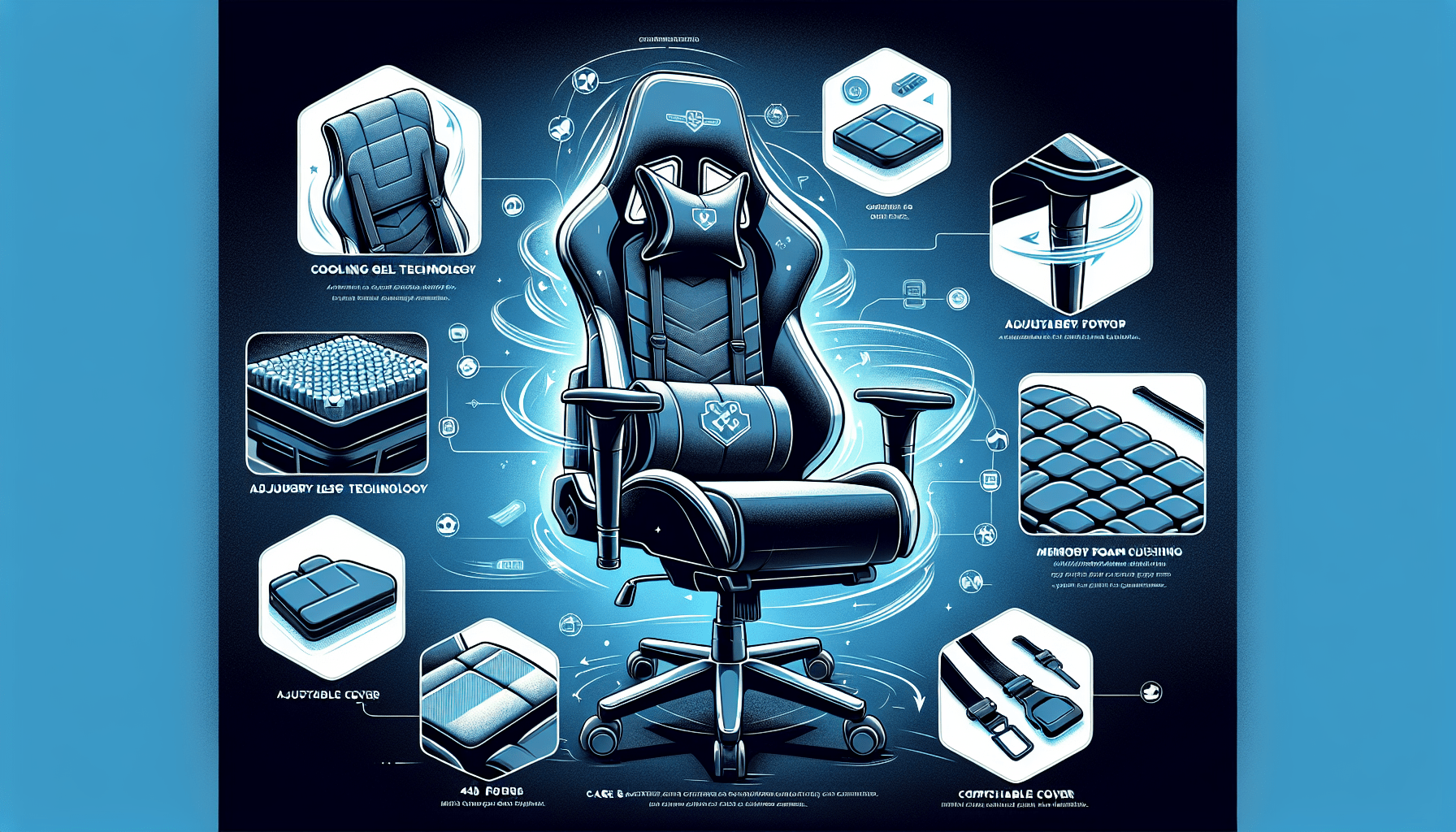
Are you tired of sitting in your computer gaming chair for hours, only to find that your arms are sore and uncomfortable? Well, we have the perfect solution for you! Introducing our new line of computer gaming chair armrest pads, imported straight from the latest trends overseas. These pads are equipped with cooling gel to keep your arms cool and comfortable, adjustable straps for a perfect fit, memory foam cushioning for ultimate support, and detachable covers for easy cleaning. Not only that, but they also come with 4D armrest adjustments, allowing you to find the perfect position for your arms. Plus, they are compatible with different chair models, ensuring that you can enjoy the benefits no matter what chair you have. Say goodbye to uncomfortable gaming sessions and hello to hours of comfort with our imported armrest pads.

Introduction
Computer gaming chair armrest pads are a must-have accessory for gamers who spend long hours immersed in gameplay. These armrest pads are designed to provide comfort, support, and ergonomic benefits, allowing gamers to have an enhanced gaming experience. The armrest pads come with a range of features, including cooling gel technology, adjustable straps, memory foam cushioning, detachable covers, 4D armrest adjustments, and compatibility with different chair models. In this article, we will explore the benefits of using these armrest pads and discuss the importance of importing them into the USA.
Understanding the Features
Cooling gel technology for comfort and temperature regulation
One of the notable features of these armrest pads is the cooling gel technology incorporated into their design. This gel helps regulate the temperature, keeping your arms cool and preventing discomfort caused by excessive heat. The cooling effect provided by the gel ensures that even during intense gaming sessions, you can maintain a comfortable and enjoyable experience.
Adjustable straps for secure attachment to different chair models
The armrest pads come equipped with adjustable straps that allow for easy and secure attachment to various gaming chair models. These straps ensure that the armrest pads stay in place, providing stability and preventing any sliding or movement during use. This adjustable feature makes the armrest pads compatible with a wide range of gaming chairs, so you don’t have to worry about compatibility issues.
Memory foam cushioning for ergonomic support and pressure relief
To provide optimal comfort and support, these armrest pads are equipped with memory foam cushioning. The memory foam molds to the shape of your arms, providing a custom fit and ensuring ergonomic support. This cushioning helps alleviate pressure on your arms and shoulders, reducing the risk of strain and discomfort that can occur during long gaming sessions.
Detachable covers for easy cleaning and maintenance
Keeping your gaming setup clean and well-maintained is essential, and the armrest pads understand this. They are designed with detachable covers that can be easily removed for cleaning. This feature allows you to keep your armrest pads fresh and free from dirt, sweat, and odors. Simply remove the covers, wash them, and place them back on, ensuring that your armrest pads are always in pristine condition.
4D armrest adjustments for customizable positioning
The armrest pads are equipped with 4D armrest adjustments, allowing you to customize the positioning according to your preferences and comfort. This feature enables you to find the perfect angle, height, and width for your arms, providing optimal support and reducing strain. With the ability to adjust the armrests, you can ensure that your arms and shoulders are in the most comfortable and natural position during gameplay.
Compatibility with different chair models for versatile use
The armrest pads are designed to be compatible with a wide range of gaming chair models. Whether you have a high-end gaming chair or a more budget-friendly option, these armrest pads can easily be attached, enhancing the comfort and ergonomics of your gaming experience. This compatibility feature makes it easier for gamers to upgrade their current gaming setup without having to invest in a new chair.
Benefits of Armrest Pads
Enhanced comfort during extended gaming sessions
Long gaming sessions can take a toll on your body, causing discomfort and fatigue. However, with the armrest pads, you can enjoy extended gameplay without sacrificing comfort. The cooling gel, memory foam cushioning, and adjustable straps work together to provide a comfortable and supportive experience, allowing you to focus on your game without distractions.
Improved posture and reduced strain on arms and shoulders
Maintaining proper posture is crucial, especially during long hours of gaming. The armrest pads help promote proper posture by providing ergonomic support to your arms and shoulders. This reduces the strain on these areas, minimizing the risk of discomfort and injury. By using the armrest pads, you can keep your body in a more natural position, which contributes to better overall gaming performance.
Prevention of pressure sores and discomfort
Extended periods of resting your arms on a hard surface can lead to pressure sores and discomfort. The armrest pads, with their memory foam cushioning, distribute the pressure more evenly, reducing the risk of developing pressure sores. The gel technology also helps regulate the temperature, preventing sweat and moisture buildup that can cause irritation and discomfort.
Increased productivity and focus
When you’re comfortable, it’s easier to stay focused and productive. With the armrest pads providing the necessary support and comfort, you can concentrate better on your gameplay, leading to improved performance. By reducing distractions and discomfort, the armrest pads contribute to a more immersive and enjoyable gaming experience.
Market Analysis
Demand for ergonomic gaming accessories in the USA
The gaming industry is growing rapidly, with more and more people engaging in gaming activities. As the popularity of gaming increases, so does the demand for gaming accessories that enhance the gaming experience. Ergonomic accessories, like the armrest pads, are particularly sought after by gamers who want to optimize their comfort and performance. In the USA, where the gaming culture is thriving, there is a significant demand for high-quality and ergonomic gaming accessories.
Competitor analysis and existing product offerings
When importing armrest pads into the USA, it’s essential to be aware of the competition and existing product offerings in the market. Conducting a thorough competitor analysis allows you to identify key players, their product features, pricing strategies, and market positioning. This information can help you differentiate your imported armrest pads and identify unique selling points that appeal to your target market.
Identification of target market and potential customers
To effectively market and sell your imported armrest pads, it’s crucial to identify your target market and potential customers. Gamers of all ages and skill levels can benefit from the comfort and support provided by these armrest pads. However, it may be particularly appealing to professional gamers, avid enthusiasts, and individuals who spend a significant amount of time gaming. Understanding your target market’s demographics, preferences, and pain points will guide your marketing efforts and ensure maximum customer engagement.
Importing Process
Researching suppliers and manufacturers of armrest pads
To import armrest pads into the USA, thorough research should be conducted to identify reliable suppliers and manufacturers. Look for suppliers that offer high-quality products, competitive pricing, and the desired features you are looking for. Consider factors such as production capacity, manufacturing standards, and delivery timelines to ensure a smooth importing process.
Understanding import regulations and requirements for the USA
Importing goods into the USA requires compliance with specific regulations and requirements. Familiarize yourself with the import regulations, including documentation, labeling, and safety standards. It’s crucial to ensure that the armrest pads meet all the necessary standards and certifications for importation into the USA. Working with a reliable customs broker or import agent can help navigate the complexities of the import process.
Negotiating terms of importation with suppliers
Once you have identified potential suppliers, it’s time to negotiate the terms of importation. Discuss pricing, payment terms, shipping arrangements, and any other specific requirements. Ensure that you have a clear understanding of the terms and conditions before finalizing any agreements. Establishing a mutually beneficial partnership with your supplier is essential for a successful importing process.
Logistics and shipping considerations
Logistics and shipping play a vital role in the importing process. Coordinate with your supplier to determine the most efficient and cost-effective shipping methods. Consider factors such as transportation modes, shipping routes, and customs clearance procedures. Proper planning and coordination will help ensure that the armrest pads are shipped timely and safely to their destination in the USA.
Ensuring compliance with customs and legal procedures
To import armrest pads into the USA, it’s essential to comply with customs procedures and legal requirements. Prepare all the necessary documentation, including commercial invoices, packing lists, and import licenses. Ensure that the armrest pads meet all applicable safety and labeling standards. Working with a customs broker or import agent can help navigate the intricacies of customs procedures and ensure compliance with all legal requirements.
Cost Analysis
Price range of armrest pads with desired features
The price range of armrest pads with the desired features can vary depending on the quality, brand, and additional functionalities. Conduct market research to determine the average price range for armrest pads with cooling gel, adjustable straps, memory foam cushioning, detachable covers, 4D armrest adjustments, and compatibility with different chair models. This will help you understand the pricing landscape and set a competitive yet profitable price for your imported armrest pads.
Import duties, taxes, and additional costs
Importing goods into the USA incurs costs such as import duties, taxes, and additional fees. Research the applicable import duties and taxes for armrest pads to estimate the additional costs involved. Factor in any handling fees, storage charges, or customs brokerage fees that may apply. Conduct a thorough cost analysis to determine the total landed cost of the imported armrest pads and incorporate it into your pricing strategy.
Calculating the total landed cost of imported armrest pads
Calculating the total landed cost of the imported armrest pads involves considering all the costs associated with the importing process. This includes the cost of goods, freight charges, insurance, customs duties, taxes, and any additional fees. Summing up these costs will give you a clear understanding of the total expenses incurred in importing the armrest pads. It’s important to ensure that the pricing structure allows for healthy profit margins while remaining competitive in the market.
Evaluation of pricing strategies and competitiveness
Once you have determined the total landed cost of the imported armrest pads and analyzed the market pricing, evaluate your pricing strategy. Consider factors such as product differentiation, target market affordability, and competitive positioning. It’s important to strike a balance between profitability and competitiveness to ensure the success of your imported armrest pads in the market. Regularly monitor market trends and adjust your pricing strategy accordingly to remain competitive.
Marketing and Distribution
Creating a branding and marketing strategy for armrest pads
To successfully market the imported armrest pads, it’s essential to develop a branding and marketing strategy. Consider your target market’s preferences, values, and aspirations when crafting your brand identity. Develop a compelling marketing message that highlights the unique features and benefits of the armrest pads. Utilize various marketing channels, such as social media, influencer partnerships, and targeted online advertising, to reach your target audience effectively.
Identifying sales channels for distribution
Identifying the right sales channels for distribution is crucial for reaching your target market effectively. Consider selling directly through your own e-commerce platform or partnering with popular gaming retailers, both online and brick-and-mortar. Online marketplaces, such as Amazon or eBay, can also be viable distribution channels. Explore partnerships with gaming influencers or content creators who can promote and endorse your armrest pads to their followers.
Building partnerships with retailers or e-commerce platforms
Building partnerships with retailers or e-commerce platforms can expand the reach of your imported armrest pads. Approach gaming retailers or online marketplaces that align with your target market and branding. Present the unique selling points of your armrest pads and negotiate terms for distribution. Building strong relationships with retailers or e-commerce platforms can help boost sales and establish a strong presence in the gaming accessories market.
Promotional activities and advertising campaigns
Promotional activities and advertising campaigns are essential for generating awareness and driving sales of the imported armrest pads. Consider offering special promotions, such as discounts or bundle deals, to incentivize purchases. Collaborate with gaming influencers or content creators to showcase your armrest pads and reach a wider audience. Leverage social media platforms, online advertisements, and email marketing to engage with potential customers and promote your product effectively.
Customer Feedback and Reviews
Gathering customer feedback on the imported armrest pads
Customer feedback is valuable for assessing the performance and satisfaction of your imported armrest pads. Encourage customers to provide feedback by implementing a review system on your website or through follow-up emails. Actively listen to customer feedback and use it to improve your product and service. Identify areas for enhancement and address any concerns or issues raised by customers promptly and effectively.
Monitoring product reviews and ratings
In addition to gathering direct customer feedback, monitor product reviews and ratings on various platforms. Regularly assess the feedback left by customers on e-commerce websites, social media platforms, and gaming forums. This will provide insight into the overall perception of your armrest pads and help identify areas for improvement. Pay attention to any recurring feedback themes and take proactive measures to address them.
Addressing customer concerns and improving product quality
Customer satisfaction should be a top priority. When concerns or issues are raised, it’s crucial to address them promptly and satisfactorily. Listen to customer concerns, investigate the root causes, and take corrective actions to mitigate similar issues in the future. Continuous improvement in product quality and customer service will not only strengthen customer loyalty but also contribute to positive word-of-mouth and reputation building.
Future Growth and Expansion
Potential for product line diversification
As the demand for gaming accessories continues to grow, there is a potential opportunity for product line diversification. Consider expanding your offerings to include other gaming accessories that complement the armrest pads, such as lumbar supports, keyboard wrist rests, or gaming mouse pads. This diversification can help cater to a broader range of customer needs and preferences, further establishing your brand as a trusted provider of quality gaming accessories.
Expanding into related gaming accessories
In addition to diversifying the product line, consider expanding into related gaming accessories that align with your target market’s interests and needs. Keep an eye on emerging trends in the gaming industry and identify accessory categories that show promising growth potential. Conduct market research and assess consumer demand to ensure that your expansion strategies align with the opportunities presented by the market.
Considering customization options and special editions
To further enhance customer appeal and engagement, consider offering customization options and special editions of your armrest pads. Allow customers to personalize their armrest pads with various color options, embroidery, or custom branding. Limited edition or collector’s editions can also create exclusivity and drive higher demand. By offering customization and special editions, you can cater to the preferences and tastes of individual customers and create a sense of uniqueness.
Exploring international markets beyond the USA
While the USA presents a significant market for gaming accessories, don’t limit your potential to just one country. Explore opportunities to expand into international markets beyond the USA. Conduct market research to identify regions with a growing gaming culture and demand for gaming accessories. Adapt your marketing strategies and distribution plans to cater to the preferences and cultural nuances of each international market.
Conclusion
In conclusion, importing computer gaming chair armrest pads with cooling gel, adjustable straps, memory foam cushioning, detachable covers, 4D armrest adjustments, and compatibility with different chair models into the USA is a venture that has immense potential. These armrest pads provide enhanced comfort, improved posture, and prevention of discomfort, ultimately increasing productivity and focus during gaming sessions. With the demand for ergonomic gaming accessories on the rise, businesses have a unique opportunity to tap into the growing gaming industry and cater to the needs of avid gamers. By understanding the features, conducting market analysis, navigating the importing process, ensuring cost competitiveness, implementing effective marketing and distribution strategies, and valuing customer feedback, businesses can maximize the potential and success of their imported armrest pad offerings. Embrace this opportunity, make your mark in the gaming accessories market, and provide gamers with the ultimate comfort and support they deserve.
Importing Office Desk Cable Management Raceways With Adhesive Backing, Adjustable Lengths, And Color Options Into The USA

Are you tired of the tangled mess of cables and cords cluttering your office desk? Look no further! We have found the perfect solution for you. Introducing office desk cable management raceways with adhesive backing, adjustable lengths, and a variety of color options. These innovative raceways are designed to neatly organize and hide your cables, providing a clean and organized workspace. Whether you are a small business owner looking to upgrade your office or a freelance professional seeking a more aesthetically pleasing work environment, these cable management raceways are the answer to all your needs. Say goodbye to the frustration of untangling cords and hello to a tidy and efficient workspace.
Importing office desk cable management raceways
Office desk cable management raceways are essential for maintaining a clean and organized workspace. They provide a solution to the common problem of messy and tangled cables, ensuring that your office space remains free from hazards and visually pleasing. However, not all cable management raceways are created equal. By importing office desk cable management raceways with adhesive backing, adjustable lengths, and color options into the USA, you can greatly enhance the functionality and aesthetics of your workspace.
Overview of cable management raceways
Cable management raceways are channels or conduits that are used to contain and conceal cables, wires, and cords. They can be installed along the bottom or sides of the office desk, allowing for efficient organization and routing of cables. Cable management raceways come in various materials, such as plastic or metal, and offer different features to meet specific needs. Importing raceways with adhesive backing, adjustable lengths, and color options will give you a wide range of choices to ensure a tailored solution for your office space.
Benefits of using cable management raceways
Using cable management raceways offers numerous advantages for both the functionality and aesthetics of an office space. One of the key benefits is the prevention of cable tangling and tripping hazards. By neatly containing and guiding cables, raceways eliminate the risk of accidents, improving workplace safety. Cable management raceways also promote better cable organization, making it easier to identify and access specific cables when needed. Additionally, they help to maintain the overall cleanliness and professionalism of the office environment, enhancing productivity and creating a positive impression on clients or visitors.
Adhesive backing
One of the essential features to consider when importing office desk cable management raceways is adhesive backing. Adhesive backing refers to the sticky surface on the back of the raceway, allowing for easy and secure installation without the need for additional tools or hardware.
Explanation of adhesive backing
With adhesive backing, the cable management raceways can be effortlessly attached to various surfaces, such as the underside of office desks or walls. The adhesive material provides a strong grip, ensuring that the raceways stay firmly in place even with the weight of cables. It also allows for flexibility in installation locations, as the raceways can be mounted vertically, horizontally, or at angles to suit specific requirements.
Advantages of adhesive backing
The advantages of using office desk cable management raceways with adhesive backing are numerous. Firstly, the installation process becomes quick and hassle-free, saving you time and effort. The adhesive backing eliminates the need for drilling holes or using screws, reducing the risk of damaging the furniture or office walls. Additionally, adhesive backing offers a clean and seamless appearance, as there are no visible brackets or fasteners. This contributes to a more professional and polished look for your office space.
Considerations for using adhesive backing
While adhesive backing provides a convenient installation method, it is important to consider a few factors. The adhesive strength may vary depending on the manufacturer and product quality. It is crucial to choose raceways with reliable adhesive properties to ensure long-lasting attachment. Additionally, be mindful of the type of surface you will be adhering the raceway to. Some surfaces may not be suitable for adhesive backing and may require alternative installation methods. It is recommended to test the adhesive on a small area before fully committing to the installation.
Adjustable lengths
Another crucial feature to consider when importing office desk cable management raceways is adjustable lengths. Adjustable lengths allow for customization and flexibility in accommodating different cable lengths and office configurations.
Importance of adjustable lengths
The ability to adjust the length of the cable management raceways is essential as it ensures a neat and tailored cable management solution for your specific office desk setup. It allows you to route cables precisely and avoid any unnecessary slack or tightness. Adjustable lengths also enable future expansion or modifications to the cable setup without the need to replace the entire raceway.
Different length options available
Imported office desk cable management raceways typically offer a wide range of length options to suit different office desk sizes and cable requirements. These options may range from shorter lengths suitable for small workstations to longer lengths for larger office setups. By importing cable management raceways with adjustable lengths, you can choose the most suitable size for your office space and ensure optimal cable organization.
Benefits of using adjustable lengths
Using adjustable lengths in office desk cable management raceways provides numerous benefits. Firstly, it allows for a clean and clutter-free workspace by eliminating excessive slack or cables hanging loosely. This not only enhances the visual appeal of the office but also minimizes the risk of accidents caused by tripping over cables. Adjustable lengths also contribute to efficient cable routing, making it easier to trace specific cables or reorganize them when necessary. Ultimately, office desk cable management raceways with adjustable lengths provide a versatile solution that adapts to your evolving cable management needs.

Color options
In addition to adhesive backing and adjustable lengths, color options are another important factor to consider when importing office desk cable management raceways. Color options provide customization and aesthetic appeal, allowing you to seamlessly integrate the raceways into your office decor.
Importance of color options
The color of cable management raceways plays a significant role in the overall aesthetics of the office space. By choosing raceways that match or complement the existing color scheme, you can create a cohesive and visually pleasing environment. Color options also offer the opportunity to differentiate or highlight specific areas or cable types, improving cable identification and organization.
Variety of color choices
When importing office desk cable management raceways, you can find a wide variety of color choices to suit your preferences and office design. From classic options like black or white to vibrant or metallic finishes, there are options available for every style. By exploring the diverse color options, you can enhance the overall ambiance of your office while maintaining a cohesive and organized appearance.
Aesthetics and organization
By importing cable management raceways with color options, you can achieve both visual appeal and functional organization. The chosen color can seamlessly blend with the office decor while effectively concealing and routing cables. This not only enhances the aesthetics of the space but also reinforces the professional and organized image of your business. The combination of color options, adhesive backing, and adjustable lengths allows you to create a cable management solution that effortlessly integrates into your office environment.
Importing process
Importing office desk cable management raceways into the USA requires careful attention to the import regulations, documentation requirements, and customs duties and taxes.
Understanding import regulations
Before importing cable management raceways, it is important to have a clear understanding of the import regulations set by the United States. Familiarize yourself with any specific requirements or restrictions that may apply to the type of raceways you intend to import. This may include compliance with safety standards, labeling requirements, or certifications.
Required documentation
To ensure a smooth importing process, certain documentation is typically required. This may include invoices, packing lists, bill of lading or airway bill, and a commercial invoice. Additionally, ensure that you have any necessary product certifications or test reports that may be required to meet import regulations.
Customs duties and taxes
Importing office desk cable management raceways may be subject to customs duties and taxes. It is essential to understand the applicable customs duties and taxes for your specific product category and country of origin. Consult with a customs broker or research the Harmonized System (HS) codes and duty rates to determine the expected costs.
Finding reliable suppliers
When importing office desk cable management raceways, finding reliable suppliers is crucial to ensure product quality, competitive pricing, and timely delivery.
Researching suppliers
Begin by conducting thorough research to identify potential suppliers that specialize in manufacturing and exporting cable management raceways. Utilize online directories, industry trade shows, and networking platforms to gather a list of suppliers.
Evaluating supplier qualifications
Evaluate the qualifications of each potential supplier to ensure their credibility and reliability. Consider factors such as their experience in the industry, production capacity, quality control measures, and certifications. Request product samples or visit their manufacturing facilities if possible to assess the quality of their cable management raceways.
Negotiating terms and conditions
Once you have narrowed down your list of potential suppliers, initiate negotiations to establish favorable terms and conditions. Discuss pricing, minimum order quantities, lead times, payment methods, and any other specific requirements you may have. Ensure that all agreements are clearly outlined in a written contract to avoid misunderstandings or disputes in the future.
Quality standards
When importing office desk cable management raceways, ensuring product quality is of utmost importance. By adhering to quality standards and certifications, you can guarantee the reliability and durability of the raceways.
Importance of quality control
Quality control is essential in maintaining the integrity of imported cable management raceways. It involves consistent inspection and testing of the raceways during the production process to ensure they meet specified standards. By prioritizing quality control, you can minimize the risk of defective or substandard raceways reaching your customers.
Certifications to look for
When selecting suppliers for office desk cable management raceways, consider their certifications. Look for suppliers who comply with internationally recognized quality management standards such as ISO 9001. Additionally, specific certifications related to cable management products, such as UL certification, can provide reassurance of product safety and performance.
Ensuring product reliability
To ensure the reliability and durability of imported cable management raceways, it is crucial to establish clear product specifications and requirements with your suppliers. Clearly communicate your expectations regarding material quality, strength, flexibility, and any other relevant factors. Conduct periodic product inspections and testing to verify that the raceways meet the agreed-upon standards before shipment.
Distribution channels
Imported office desk cable management raceways can be distributed through various channels to reach end consumers effectively.
Identifying potential distribution channels
Identify potential distribution channels based on your target market and customer segments. This may include wholesalers, retailers, e-commerce platforms, or even partnerships with office furniture manufacturers.
Partnering with wholesalers and retailers
Wholesalers and retailers can serve as valuable distribution partners, allowing your products to reach a wider customer base. Establish relationships with reputable wholesalers or retailers who specialize in office supplies or furniture. Collaborate with them to ensure proper product placement, marketing, and timely fulfillment of orders.
E-commerce platforms
Leverage the power of e-commerce platforms to sell your imported cable management raceways directly to end consumers. Create an online storefront or partner with established e-commerce platforms to showcase your products to a global audience. Invest in digital marketing strategies and optimize your online presence to maximize sales.
Market demand and competition
Analyzing market demand and understanding your competitors is crucial for the successful importation and sales of office desk cable management raceways.
Analyzing market demand
Conduct thorough market research to gauge the demand for cable management raceways in the USA. Identify industry trends, consumer preferences, and the overall market size. This information will help guide your product selection, pricing, and marketing strategies.
Identifying competitors
Identify your competitors in the office desk cable management raceway market. Study their product offerings, pricing strategies, distribution channels, and marketing tactics. This will enable you to identify gaps in the market and differentiate your product from competitors.
Differentiating product from competitors
To stand out from competitors, focus on unique selling propositions (USPs) that make your imported cable management raceways superior or distinct. Highlight features such as adhesive backing, adjustable lengths, and color options as key differentiators. Emphasize the benefits and functionality of your product to effectively communicate its value to potential customers.
Marketing and sales strategies
Implementing effective marketing and sales strategies is vital for promoting and driving sales of office desk cable management raceways.
Identifying target audience
Identify your target audience by considering factors such as industry, company size, office setup, and specific cable management needs. Understanding your target audience will allow you to tailor your marketing messages and product positioning accordingly.
Effective marketing techniques
Utilize a mix of traditional and digital marketing techniques to reach your target audience. This may include print advertisements, trade shows, social media marketing, content marketing, and search engine optimization (SEO). Consider partnering with influencers or industry experts to promote your products and build brand awareness.
Strategies for increasing sales
Implement strategies aimed at increasing sales, such as offering promotional deals or discounts, creating bundled packages, or providing incentives for repeat customers or referrals. Utilize customer reviews and testimonials to build trust and credibility. Continuously monitor market trends and gather customer feedback to adapt your marketing and sales strategies accordingly.
By importing office desk cable management raceways with adhesive backing, adjustable lengths, and color options into the USA, you can create an efficient, organized, and visually appealing workspace. Understanding the import process, finding reliable suppliers, ensuring product quality, identifying appropriate distribution channels, and implementing effective marketing and sales strategies will contribute to the success of your cable management product line. Embrace the benefits of office desk cable management raceways and elevate your office space to new levels of functionality and aesthetics.
Importing Alcoholic Beverages Into The USA
Are you a curious connoisseur in search of the perfect imported alcoholic beverage? Well, look no further, because this article is here to guide you through the process of importing these delightful libations into the United States. From understanding the legal requirements to navigating through the complex customs regulations, we will provide you with a clear and concise overview of the steps involved in bringing your favorite beverages across the borders. So, sit back, relax, and let us help you unlock a world of flavors from around the globe.
Regulations for Importing Alcoholic Beverages
Importing alcoholic beverages into the USA involves navigating various regulations and requirements to ensure a smooth and legal process. Whether you are an individual or a business looking to import these beverages, it’s important to familiarize yourself with the following key points.
Age Requirements
The first and foremost requirement when it comes to importing alcoholic beverages is the age restriction. In the United States, the legal drinking age varies from state to state, but it is generally set at 21 years old. Therefore, to import alcoholic beverages, you must be of legal drinking age in the state where the beverages will be imported.
Importer’s Permit
Obtaining an importer’s permit is another critical step when importing alcoholic beverages. The Alcohol and Tobacco Tax and Trade Bureau (TTB) is the governing body responsible for regulating the importation of these products. To acquire an importer’s permit, you must complete an application, pay a fee, and meet the TTB’s requirements, which include providing information such as your business structure, location, and financial information.
Federal Label Approval
Before importing alcoholic beverages, it is essential to ensure that the labels comply with federal regulations. The TTB requires that all imported alcoholic beverages have their labels approved prior to importation. This approval process verifies that the labels meet all necessary requirements, including accurate alcohol content, health warnings, and proper language usage.
Customs Requirements
When importing alcoholic beverages, you must adhere to specific customs requirements. These requirements involve properly declaring the imported goods, ensuring the accuracy of documentation, and paying any applicable customs duties and taxes. It is crucial to work closely with a customs broker or a freight forwarder who can assist you in navigating the complex customs clearance process.
Restrictions and Prohibited Items
While importing alcoholic beverages, you must be aware of various restrictions and prohibited items to avoid any potential legal issues.
Quantity Limits
There are quantity limits imposed on the importation of alcoholic beverages. For personal use, residents of the United States can bring in a certain amount, typically one liter, duty-free. However, anything exceeding this limit may be subject to customs duties and taxes.
Alcohol Content Limits
Certain states have restrictions on the permissible alcohol content of imported beverages. It is essential to research and understand the specific regulations in the state where you intend to import your alcoholic beverages. By adhering to these limits, you can ensure compliance and avoid any legal complications.
Illegal or Banned Items
Importing illegal or banned alcoholic beverages is strictly prohibited. It is crucial to familiarize yourself with the list of prohibited items to avoid potential penalties and legal consequences. Examples of banned beverages include those with counterfeit labels, unregistered brands, or those containing substances that are forbidden for consumption.
Taxation and Duties
Importing alcoholic beverages into the USA also involves taxation and duties that must be paid to the appropriate authorities.
Federal Excise Tax
The federal excise tax is levied on alcoholic beverages imported into the country. The tax rates vary based on alcohol type and volume, with different rates for beer, wine, spirits, and other specialty beverages. It is essential to consult the TTB’s regulations and seek professional guidance to understand the specific tax rates applicable to the beverages you are importing.
State and Local Taxes
In addition to federal excise taxes, each state may apply its own taxes on the importation of alcoholic beverages. These taxes can vary significantly from state to state and may include sales tax, excise tax, or special licensing fees. It is necessary to research and understand the tax requirements of the state in which you plan to import your beverages.
Customs Duties
Customs duties are imposed on imported goods, including alcoholic beverages, by the U.S. Customs and Border Protection (CBP). The duties are calculated based on the value of the goods, including shipping costs. The CBP provides detailed information on how to calculate customs duties, and it is essential to consult their guidelines or work with a customs broker to ensure compliance.
Packaging and Labeling Requirements
Proper packaging and labeling of alcoholic beverages are critical to ensure compliance with regulations and consumer safety.
Bottle Sizes and Materials
Alcoholic beverages must be packaged in approved bottle sizes and materials as specified by the TTB. These regulations ensure uniformity, safety, and proper seal integrity. It is essential to verify the acceptable bottle sizes and materials for the specific type of beverage you are importing.
Alcohol Content Labels
Accurate labeling of alcohol content is mandatory for imported alcoholic beverages. The labels must clearly indicate the percentage of alcohol by volume (ABV) of the product. Additionally, labels must be designed in such a way that they do not mislead consumers regarding the true nature and quality of the beverage.
Warning Statements
To promote responsible drinking and consumer safety, warning statements are required on the labels of alcoholic beverages. These statements typically include warnings about the potential health risks associated with alcohol consumption and the need to drink responsibly. It is crucial to ensure that the warning statements comply with federal regulations and are prominently displayed on the labels.
Certificate of Origin and Documentation
When importing alcoholic beverages into the USA, it is necessary to provide certain certificates of origin and other documentation to comply with legal requirements.
Country of Origin Certificate
A valid country of origin certificate is required to prove the origin of the imported alcoholic beverages. This certificate verifies that the products originated from a particular country and may be subject to preferential trade agreements or specific regulations.
Commercial Invoice
A commercial invoice is a crucial document that provides details about the imported goods, such as their description, quantity, value, and shipment terms. This invoice is prepared by the exporter and must be presented to customs authorities for proper clearance and assessment of duties and taxes.
Proforma Invoice
A proforma invoice is used to provide an estimated cost of the imported alcoholic beverages. It is typically issued before the commercial invoice and serves as an initial quote or agreement between the buyer and seller. Customs authorities may require a proforma invoice for import valuation purposes.
Transportation and Shipping Methods
Choosing the appropriate transportation and shipping methods for importing alcoholic beverages requires careful consideration and compliance with regulations.
Importation by Individuals
Individuals importing alcoholic beverages may choose shipping methods such as international couriers or freight forwarders. It is important to ensure that the selected shipping method complies with all regulations, including packaging requirements and customs clearance processes.
Importation by Businesses
Businesses involved in importing alcoholic beverages often utilize more extensive shipping methods, such as container shipping or air freight. Following proper documentation, packaging, and labeling requirements are critical for importing businesses to ensure a smooth and efficient transportation process.
Shipping Options
There are various shipping options available for importing alcoholic beverages into the USA, including door-to-door delivery services or shipping to a specific port of entry. It is essential to evaluate each option based on factors like cost, delivery time, and the ability to meet regulatory requirements.
Customs Clearance Process
Navigating the customs clearance process is a crucial step when importing alcoholic beverages into the USA.
Customs Entry
To import alcoholic beverages legally, you must complete a customs entry, which is a formal declaration of the goods being imported. This declaration includes detailed information about the products, their origin, value, and any applicable duties and taxes.
Port of Entry
The port of entry is the designated location where the imported alcoholic beverages enter the USA. To clear customs, the goods must be properly documented, and the required fees must be paid. It is important to choose a port of entry that is convenient and accessible for efficient customs clearance processes.
Customs Duties Payment
Upon customs clearance, any applicable customs duties and taxes must be paid. The payment is typically made to the U.S. Customs and Border Protection before the goods are released for further distribution. Proper documentation and compliance with regulations are crucial to avoid delays or penalties during the customs duties payment process.
Applying for Licenses and Permits
Importing alcoholic beverages often requires obtaining licenses and permits from relevant authorities.
Alcohol and Tobacco Tax and Trade Bureau (TTB) Permit
As mentioned earlier, obtaining an importer’s permit from the TTB is necessary to legally import alcoholic beverages into the USA. The permit application process involves providing detailed information about your business and complying with the TTB’s requirements.
State Licenses
In addition to the TTB permit, you may also need to obtain specific licenses from the state in which you intend to import alcoholic beverages. Each state has its own licensing requirements, such as obtaining a liquor license or a wholesaler license, to ensure compliance with local regulations.
Importer of Record Designation
Designating an “Importer of Record” is essential when importing alcoholic beverages. This person or entity assumes responsibility for compliance with all applicable laws and regulations. By designating an Importer of Record, you ensure that you have a responsible party that will address any issues that may arise during the importation process.
Excise Tax Returns and Reporting
Importing alcoholic beverages also involves the responsibility of filing excise tax returns and reporting relevant information to the appropriate authorities.
Filing Excise Tax Returns
After importing alcoholic beverages, you must file excise tax returns with the TTB. These returns report the quantity and value of the imported beverages and calculate the applicable excise taxes owed. Timely and accurate filing of excise tax returns is crucial to avoid penalties or fines.
Reporting Inventory and Sales
To ensure compliance, you may be required to report detailed information about your imported alcoholic beverages inventory and sales. This information helps authorities monitor the movement of alcoholic beverages and ensures accurate tax assessment.
Record-Keeping Requirements
It is crucial to maintain accurate records related to the importation of alcoholic beverages. These records should include invoices, shipping documents, customs declarations, and any other relevant documentation. Retaining these records for a specified period is necessary to demonstrate compliance and facilitate auditing processes.
Resources and Additional Information
For further information and assistance with importing alcoholic beverages into the USA, several resources can provide guidance and support.
Alcohol and Tobacco Tax and Trade Bureau (TTB)
The TTB is the primary governing body responsible for regulating the importation of alcoholic beverages. Their website provides comprehensive information, guidelines, and resources related to importing, labeling, and taxation of alcoholic beverages.
Customs and Border Protection (CBP)
The CBP website offers valuable information regarding customs requirements, duties, and clearance processes. Their resources can help you navigate the intricacies of importing alcoholic beverages.
State Alcoholic Beverage Control Boards
Each state has its own Alcoholic Beverage Control Board or similar authority responsible for regulating alcoholic beverages within its jurisdiction. Consulting these boards’ websites can provide state-specific regulations, licensing requirements, and other important information.
In conclusion, understanding and adhering to the regulations, restrictions, and requirements for importing alcoholic beverages into the USA is vital to ensure a legal and seamless process. By familiarizing yourself with age requirements, obtaining the necessary permits and licenses, complying with packaging and labeling regulations, and fulfilling tax and reporting obligations, you can navigate the importation process successfully and enjoy the benefits of bringing a variety of delightful beverages to the American market.
Importing Kitchen Countertop Appliances Into The USA

Are you a fan of international cuisines and have always dreamt of importing unique and innovative kitchen countertop appliances into the USA? Well, your dream is about to become a reality! This article will provide you with valuable insights and guidelines on how to successfully import these appliances, ensuring that you can enjoy the flavors of cuisines from around the world right in your own kitchen. So get ready to embark on a culinary journey like no other as we explore the exciting world of importing kitchen countertop appliances into the USA.
Research Import Laws and Regulations
When importing kitchen countertop appliances into the USA, it is important to familiarize yourself with the import laws and regulations. Understanding these regulations will help ensure a smooth and legal import process. One aspect to consider is import duty rates. These rates are imposed by customs authorities and vary depending on the type of appliance and its country of origin. It is essential to research and understand the duty rates applicable to your specific products in order to accurately calculate costs.
Another crucial aspect of import regulations is product safety standards. Different countries have specific safety standards that appliances must meet in order to be imported and sold. In the USA, appliances must comply with the safety regulations set by the Consumer Product Safety Commission (CPSC). It is vital to research and understand these standards to ensure that the appliances you are importing meet all the necessary safety requirements.
Additionally, certain appliances may be restricted or prohibited from being imported into the USA. These restrictions can be related to health, safety, or environmental concerns. It is important to be aware of these restrictions to avoid any legal issues or complications. Researching and understanding import laws and regulations is an essential first step in successfully importing kitchen countertop appliances into the USA.
Determine Product Eligibility for Import
Once you have familiarized yourself with the import laws and regulations, the next step is to determine the eligibility of your products for import into the USA. One important aspect to consider is FDA approval. The Food and Drug Administration (FDA) regulates the importation of certain appliances that contain electronic components or come into contact with food. It is important to check if your products require FDA approval and go through the necessary approval process before importing them.
Another consideration is the acceptance of electrical standards and specifications. Appliances imported into the USA must meet the electrical standards set by the National Electrical Manufacturers Association (NEMA). It is crucial to verify if your products comply with these standards to ensure their eligibility for import.
Furthermore, it is important to confirm compliance with energy efficiency standards. The USA has specific energy efficiency requirements for appliances, and it is essential to ensure that the products you are importing meet or exceed these standards. By determining the eligibility of your products for import, you can avoid any issues with customs and ensure that your appliances meet all the necessary requirements.
Find a Reliable Supplier and Manufacturer
Finding a reliable supplier and manufacturer is crucial when importing kitchen countertop appliances into the USA. Research established manufacturers and brands that have a good reputation for producing high-quality products. A reliable manufacturer will ensure that the appliances meet all necessary standards and regulations, reducing the risk of potential issues.
In addition to researching manufacturers, it is important to check product reviews and ratings. Gathering feedback from customers who have purchased and used the appliances can provide valuable insights into the product’s quality, functionality, and durability. Positive reviews and high ratings indicate that the appliances are likely to meet customer expectations and perform well in the market.
When evaluating suppliers, consider their reliability and reputation. Look for suppliers with a track record of delivering products on time and as promised. A reliable supplier will ensure that the appliances are shipped in a timely manner, reducing any potential delays or disruptions to your import process. Additionally, a supplier with a good reputation will be more likely to provide excellent customer service and support throughout the import process.
By finding a reliable supplier and manufacturer, you can ensure that the kitchen countertop appliances you import into the USA are of high quality, meet all necessary standards, and are delivered on time.
Understand Packaging and Labelling Requirements
Packaging and labelling requirements are essential aspects to consider when importing kitchen countertop appliances into the USA. Fulfilling language and content requirements is crucial to ensure that the product information is accurately communicated to consumers. Packaging and labels must be provided in English, with all necessary information clearly stated, such as product name, features, specifications, and safety warnings.
In addition to language requirements, it is important to include warning labels and safety instructions on the packaging and appliances themselves. These labels should provide clear and concise instructions on how to safely and effectively use the appliances, as well as any potential hazards or risks associated with their use. Adhering to these requirements helps ensure consumer safety and compliance with regulations.
Another important consideration is to comply with weight and volume specifications. Packaging must accurately reflect the weight and volume of the appliances. This information is important for shipping purposes and for calculating import costs accurately. Non-compliance with weight and volume specifications can lead to additional fees, delays, or rejections by customs authorities.
By understanding and adhering to packaging and labelling requirements, you can ensure that the kitchen countertop appliances you import into the USA meet all regulatory standards and are properly communicated to consumers.
Calculate Import Costs and Logistics
Calculating import costs and planning logistics is a crucial step when importing kitchen countertop appliances into the USA. It is essential to determine the most suitable shipping methods and associated costs. Factors to consider include the size, weight, and quantity of the appliances, as well as the urgency of the shipment. Options such as air freight, sea freight, or a combination of both should be evaluated to determine the most cost-effective and efficient method.
Customs brokerage fees and taxes must also be taken into account. Customs brokerage services assist with handling customs procedures, documentation, and clearance. The fees for these services vary and can impact the overall import costs. Additionally, taxes such as customs duties and value-added tax (VAT) may apply and should be factored into the import cost calculations.
Warehousing and distribution should also be planned to ensure a smooth flow of the imported appliances. Determining suitable warehousing facilities and distribution channels will help streamline the process of getting the appliances from the port of entry to the end customers. Proper planning and coordination with logistics providers will minimize delays and ensure efficient delivery.
By accurately calculating import costs and planning logistics, you can effectively manage the financial aspects and operational considerations of importing kitchen countertop appliances into the USA.
Submit Required Import Documentation
Submitting the required import documentation is a critical step in the import process. The following documents are commonly required when importing kitchen countertop appliances into the USA:
- Commercial Invoice: This document provides details about the transaction, including the value of the appliances, shipping terms, and payment information. It is used for customs clearance and determines the customs duties and taxes.
- Bill of Lading or Airway Bill: These documents serve as evidence of the contract of carriage between the shipper and the carrier. They provide information about the shipment, such as the origin, destination, and quantity of appliances.
- Packing List: This document details the contents of each package or container, specifying the quantity, weight, and dimensions of the appliances. It helps customs authorities verify the accuracy of the shipment.
- Customs Declaration: This document provides information about the imported appliances, including their description, quantities, value, and origin. It is used by customs authorities to assess the applicable duties and taxes.
Ensuring that these documents are accurately prepared and submitted in a timely manner is crucial for a smooth import process. Any inaccuracies or delays in providing the required documentation can result in customs clearance issues or even the rejection of the shipment.
Arrange Customs Clearance and Inspections
Arranging customs clearance and inspections is an important step in the import process. Engaging a licensed customs broker can greatly facilitate this process. A customs broker will handle the necessary paperwork, communicate with customs authorities on your behalf, and ensure compliance with all regulatory requirements.
It is important to be prepared for customs inspections. Customs authorities may inspect the imported appliances to verify compliance with safety standards and documentation. Ensuring that the appliances are properly packaged, labelled, and readily accessible for inspection will help expedite the process. Cooperating with customs authorities and promptly addressing any issues or requests for further documentation will help prevent delays or complications.
Depending on the type of kitchen countertop appliances being imported, certain permits and licenses may be required. It is essential to research and obtain any necessary permits or licenses prior to importing the appliances. This ensures compliance with all legal requirements and regulations.
By arranging customs clearance and inspections in a proactive and organized manner, you can facilitate the smooth entry of kitchen countertop appliances into the USA.
Address Product Safety and Warranty
Product safety and warranty are important considerations when importing kitchen countertop appliances into the USA. Ensuring compliance with product safety standards is crucial to protect consumers from potential hazards or risks associated with the appliances. It is essential to research and understand the safety standards set by the Consumer Product Safety Commission (CPSC) and ensure that the appliances meet all necessary requirements.
Obtaining necessary certifications and testing is essential to demonstrate compliance with safety standards. Some certifications may be mandatory for specific types of appliances. Conducting proper testing and obtaining the required certifications from recognized testing laboratories will provide further assurance of product safety and compliance.
Providing comprehensive warranty and customer support information is also important. A warranty demonstrates confidence in the quality and reliability of the appliances, giving customers peace of mind. Additionally, clearly communicating the warranty terms and providing accessible customer support channels will enhance customer satisfaction and loyalty.
By addressing product safety and warranty requirements, you can ensure that the kitchen countertop appliances you import into the USA meet all necessary safety standards and provide a positive customer experience.
Plan Sales and Marketing Strategies
Planning sales and marketing strategies is essential for successfully launching and promoting the imported kitchen countertop appliances in the USA. It is important to identify the target market and competition. Researching and understanding consumer preferences, trends, and buying behaviors will help tailor the marketing efforts to effectively reach and capture the target audience.
Establishing price points and profit margins is a crucial step to ensure a profitable import business. Thoroughly analyzing the costs associated with importing, including purchase costs, import duties, transportation, and marketing expenses, will help determine the appropriate pricing strategy. Balancing competitive pricing with profit margins is key to success in the market.
Developing marketing campaigns and distribution channels is vital for generating awareness, attracting customers, and driving sales. Utilize various marketing channels such as social media, online advertising, and traditional advertising to reach the target audience. Partnering with distributors, retailers, and online marketplaces will expand the reach and availability of the appliances to potential customers.
By carefully planning sales and marketing strategies, you can effectively position and promote the imported kitchen countertop appliances in the USA market, maximizing their potential for success.
Stay Updated on Regulatory Changes
Staying updated on regulatory changes is essential for successfully importing kitchen countertop appliances into the USA. Monitoring updates from regulatory bodies such as the FDA and the Consumer Product Safety Commission (CPSC) will help you stay informed about any changes or new requirements that may affect your import business.
Additionally, it is important to be aware of trade agreement and tariff changes. International trade agreements and tariff policies can impact import costs and trade relationships between countries. Being aware of these changes will help you adapt your import strategy accordingly and stay competitive in the market.
Adapting to shifting import policies is crucial for maintaining compliance and mitigating risks. Import regulations and requirements can change over time, and it is important to stay updated and adjust your import processes accordingly. Failing to comply with regulatory changes can result in penalties, delays, or even the suspension of imports.
By staying updated on regulatory changes, you can proactively adapt your import strategy and ensure continued compliance with all relevant regulations and requirements.
Importing Pet Toys And Play Accessories Into The USA

If you’re a pet lover who’s looking to bring some joy to furry friends across the United States, then you’ve come to the right place. In this article, we will explore the process of importing pet toys and play accessories into the USA. From understanding the regulations and requirements to navigating the customs procedures, we’ll guide you through every step of the way. So, grab a cup of tea, sit back, and get ready to embark on an exciting journey to bring wagging tails and playful purrs to pets all over the country.
Regulations and Requirements
Product Safety Standards
When importing pet toys and play accessories into the USA, it is crucial to adhere to product safety standards. These standards are put in place to ensure that the products are safe for pets to use and do not pose any risks to their health. This includes regulations on materials used, small parts that could be a choking hazard, and any potential toxic substances. Before importing, make sure to research and comply with the relevant regulations and standards set by the U.S. Consumer Product Safety Commission (CPSC) and other relevant organizations.
Import Documentation
Importing goods into any country requires the proper documentation, and the USA is no exception. To bring pet toys and play accessories into the country, you will need to provide the necessary import documentation. This includes a commercial invoice, bill of lading or airway bill, packing list, and any required permits or licenses. Working with a freight forwarder or customs broker can help ensure that all the required documentation is completed accurately and submitted on time, saving you from any potential delays or penalties.
Customs Duties and Taxes
Before importing pet toys and play accessories, it is essential to understand the customs duties and taxes that may apply. The amount you will need to pay will depend on the value of the goods, the country of origin, and the product category. Familiarize yourself with the Harmonized System (HS) codes for pet toys and play accessories to determine the applicable duty rates. Additionally, be aware of any sales taxes or value-added taxes (VAT) that may be incurred. Consulting with a customs broker can help ensure that you accurately calculate and pay the required duties and taxes.
Choosing Suppliers
Researching Manufacturers and Distributors
When importing pet toys and play accessories, it is vital to research and carefully select reliable manufacturers and distributors. Look for suppliers with a good track record, positive reviews, and experience in producing high-quality pet products. Research their reputation in the market, their production capabilities, and their adherence to ethical and sustainable practices. Seeking recommendations from other pet product businesses or joining industry forums can also provide valuable insights and recommendations.
Checking Quality Certifications
To ensure that the pet toys and play accessories you import meet the necessary quality standards, it is essential to check for relevant certifications. Look for certifications such as ISO 9001 for quality management systems, ISO 14001 for environmental management systems, and certifications specific to the pet industry, such as those related to non-toxic materials or durability. These certifications not only guarantee the quality of the products but also demonstrate your commitment to providing safe and reliable pet toys to your customers.
Negotiating Terms and Pricing
When working with suppliers, negotiate terms and pricing that align with your business goals and budget. Consider factors such as minimum order quantity, lead time, payment terms, and any potential discounts for volume purchases. Don’t hesitate to discuss your specific requirements and expectations, as well as any customization options you may be looking for. Building a strong and mutually beneficial relationship with your suppliers is crucial for long-term success and consistent product quality.
Shipping and Logistics
Containerization and Packaging
Proper containerization and packaging are essential when shipping pet toys and play accessories. Ensure that the products are safely packed into appropriate containers that protect them from damage during transit. Consider the size and weight of the products to optimize container space and minimize shipping costs. Additionally, invest in sturdy packaging materials that can withstand handling and protect the product from potential moisture or impact damage. Taking these precautions ensures that the products arrive at their destination in excellent condition.
Freight Forwarding and Customs Brokers
To navigate the complexities of international shipping, it is advisable to work with a reliable freight forwarder and customs broker. These professionals can assist with arranging transportation, managing documentation, and ensuring compliance with customs regulations. Freight forwarders can help you choose the most cost-effective and efficient shipping methods, while customs brokers ensure that all clearance procedures are followed accurately. Their expertise can save you time, effort, and potential customs-related issues.
Transportation Modes
Consider different transportation modes when shipping pet toys and play accessories. Depending on the urgency, budget, and specific requirements, you can choose between air freight, sea freight, or a combination of both. Air freight is faster but more expensive, making it suitable for time-sensitive shipments. Sea freight, on the other hand, is more cost-effective and suitable for larger quantities. Assess your needs, budget, and lead time to select the most suitable transportation mode for your business.
Product Compliance
Testing and Certification
Ensuring product compliance is crucial to meet safety standards and legal requirements. Before importing pet toys and play accessories, have them tested by accredited laboratories to confirm their compliance with relevant regulations. This includes testing for factors such as material safety, durability, and performance. Once the products pass the necessary tests, obtain proper certification to demonstrate their compliance. This step is vital in building trust with customers and regulatory authorities.
Labeling and Packaging Requirements
Proper labeling and packaging are not only required by regulations but also play a vital role in informing consumers about your products. Make sure to include all necessary information on the labels, such as product name, ingredients/materials used, country of origin, and any safety warnings or instructions. Additionally, ensure that the packaging is attractive, informative, and reflects your brand identity. Engaging packaging can capture consumers’ attention and contribute to the overall appeal of your products.
Promoting Pet Health and Safety
Importing and selling pet toys and play accessories go beyond simply providing entertainment for pets. It is important to prioritize pet health and safety when choosing and promoting these products. Research and select toys made from non-toxic materials that are safe for pets to chew on or play with. When promoting your products, highlight any features that contribute to pet health and well-being, such as dental benefits or mental stimulation. By prioritizing pet health and safety, you can build trust and establish your brand as a reliable source of pet care products.
Marketing and Branding
Unique Selling Proposition
Differentiate your pet toys and play accessories by identifying and highlighting your unique selling proposition. Determine what sets your products apart from competitors and emphasize those qualities in your marketing efforts. This could be factors such as durability, innovative designs, eco-friendly materials, or specific features that cater to different pet breeds or sizes. A well-defined unique selling proposition helps create a strong brand identity and attracts customers who value your specific offerings.
Target Market Research
Conduct thorough research to identify your target market and understand their preferences and needs. Consider factors such as pet demographics, pet owner lifestyles, and current market trends. By gaining insights into your target market, you can tailor your products and marketing messages to resonate with their interests and motivations. This targeted approach maximizes the effectiveness of your marketing efforts and allows you to connect with potential customers on a deeper level.
Creating Engaging Product Packaging
Invest in visually appealing and engaging product packaging to capture consumers’ attention and differentiate your products from the competition. Design packaging that reflects your brand image and appeals to pet owners. Consider utilizing vibrant colors, appealing visuals, and concise information that highlights the key features and benefits of the product. Engaging packaging not only attracts potential customers but also enhances the overall product experience, driving repeat purchases.
Market Trends and Analysis
Demand for Sustainable and Eco-Friendly Products
One of the significant market trends driving the pet toy industry is the increasing demand for sustainable and eco-friendly products. Pet owners are becoming more conscious of their environmental footprint and seek products made from recycled or organic materials. Consider incorporating sustainable practices into your supply chain, such as using eco-friendly packaging or partnering with suppliers who prioritize sustainable manufacturing processes. By meeting this demand, you can position your brand as environmentally responsible and cater to the preferences of eco-conscious pet owners.
Innovative and Interactive Toy Designs
Pet owners are constantly looking for innovative and interactive toys to keep their pets engaged and mentally stimulated. Stay ahead of the market by offering products with unique designs and features that challenge pets and provide entertainment. This could include puzzle toys, treat-dispensing toys, or toys that mimic natural behaviors. By staying innovative and keeping up with the latest trends in pet toy design, you can attract pet owners who value engaging products that enhance their pets’ overall well-being.
Emerging Pet Toy Preferences
Stay informed about emerging pet toy preferences to ensure that your product offerings align with the evolving market demands. Pay attention to factors such as the increasing popularity of certain pet breeds and their specific toy preferences. For example, certain dog breeds may have a preference for chew toys, while others may enjoy interactive plush toys. By offering a diverse range of toys that cater to different pet preferences, you increase the likelihood of capturing a wider customer base.
Competitor Analysis
Identifying Key Competitors
Conduct a thorough competitor analysis to identify the key players in the pet toy market. Research and analyze both direct and indirect competitors. Direct competitors are those who offer similar products, while indirect competitors are those who address the same customer needs but with different products or solutions. Identify their strengths and weaknesses, their product range, pricing strategies, and market share. This analysis provides valuable insights into the competitive landscape and enables you to position your products effectively.
Analyzing Their Product Range and Pricing
Analyze your competitors’ product range and pricing to identify any gaps or opportunities in the market. Look for areas where you can differentiate yourself and offer unique products or pricing models. Consider how you can provide better value for customers by offering higher quality, better features, or more competitive pricing. By understanding the pricing strategies of your competitors, you can develop pricing models that are attractive to customers while also ensuring profitability for your business.
Differentiating Your Offerings
Differentiation is key to standing out in a competitive market. Identify unique selling points or features that set your pet toys and play accessories apart from those of your competitors. This could include factors such as superior quality, customization options, sustainable materials, or specific designs tailored to different pet needs. By emphasizing these points of differentiation in your marketing efforts, you can appeal to customers who are seeking something unique and compelling in their pet toy purchases.
Distribution Channels
Pet Specialty Stores
Consider partnering with pet specialty stores as a distribution channel for your pet toys and play accessories. These stores cater specifically to pet owners and can provide a focused platform to showcase your products. Collaborate with store owners to develop promotional strategies and ensure that your products are prominently displayed. Additionally, offer training sessions or product demonstrations to store staff to increase their knowledge and confidence in recommending your products to customers.
Online Marketplaces
Leverage the power of online marketplaces to reach a wider customer base. Platforms such as Amazon, eBay, and Chewy are ideal for showcasing and selling your pet toys and play accessories. Create compelling product listings with high-quality images and detailed descriptions. Consider utilizing search engine optimization techniques to improve product visibility on these platforms. With the growing trend of online shopping, an effective presence on online marketplaces can significantly expand your reach and increase sales.
B2B and Wholesale Distributors
Explore partnerships with B2B and wholesale distributors to expand your distribution network. These distributors can help get your products into various retail outlets, including pet stores, gift shops, and department stores. Offer competitive pricing and incentives to attract distributors and ensure that your products are featured prominently in their catalogs. Establishing strong relationships with distributors can help increase your market reach and drive sales across multiple channels.
Brand Promotion
Building Local and Online Presence
Building a strong local and online presence is essential for brand promotion. In addition to traditional marketing channels, invest in creating an engaging website and online store to showcase your pet toys and play accessories. Optimize your website for search engines and ensure that it provides a seamless and user-friendly experience. Consider partnering with local pet-related businesses, such as pet groomers or veterinarians, to cross-promote your products and increase visibility within the local community.
Utilizing Social Media and Influencer Marketing
Social media platforms offer a cost-effective and powerful way to connect with pet owners and promote your brand. Create engaging content that showcases your products and resonates with your target audience. Utilize platforms such as Instagram, Facebook, and TikTok to share photos, videos, and stories of pets enjoying your toys. Collaborate with pet influencers to reach a wider audience and leverage their influence to create buzz around your products. Engaging with followers, hosting giveaways, and responding to comments or inquiries help build a loyal following and increase brand awareness.
Participating in Trade Shows and Events
Participating in trade shows and events relevant to the pet industry provides an opportunity to showcase your products and connect with potential customers and industry professionals. Research and identify trade shows and events focused on pet products and secure a booth to display your offerings. Prepare visually appealing displays and engaging demonstrations to captivate attendees. This face-to-face interaction allows for valuable networking, direct customer feedback, and exposure to industry trends, making trade shows and events a valuable marketing opportunity.
Building Customer Relationships
Providing Excellent Customer Service
Building strong customer relationships starts with providing excellent customer service. Ensure that your customer service team is knowledgeable, friendly, and responsive to customer inquiries or concerns. Strive to exceed customer expectations by addressing issues promptly and offering solutions that satisfy their needs. By providing exceptional customer service, you not only create a positive experience for individual customers but also establish a reputation for reliability and trustworthiness.
Offering Warranty and Return Policies
To instill confidence in your customers, offer warranty and return policies that protect their investment in your pet toys and play accessories. Clearly communicate these policies on your website and product packaging. A generous warranty policy demonstrates your commitment to product quality and customer satisfaction. Make the return process simple and straightforward, ensuring that customers can easily return or exchange products if necessary. Providing these assurances builds trust and loyalty among your customer base.
Collecting Feedback and Reviews
Actively seek feedback and reviews from your customers to gain valuable insights into your products and business. Send follow-up emails or surveys after purchases to gather feedback on product satisfaction, customer experience, and any potential areas for improvement. Encourage customers to leave reviews on your website or social media platforms. Positive reviews can serve as social proof, attracting new customers, while negative feedback provides an opportunity to address and rectify any issues. Actively engaging with customer feedback helps foster a sense of community and encourages customer loyalty.
In conclusion, importing and selling pet toys and play accessories in the USA requires careful consideration of regulations and requirements, choosing reliable suppliers, efficient shipping and logistics, product compliance, effective marketing and branding strategies, market trends analysis, competitor analysis, distribution channels, brand promotion, and building strong customer relationships. By understanding and excelling in each of these areas, you can build a successful business that provides pet owners with high-quality and enjoyable products for their beloved pets.