
Import Permit
How To File ISF For Cycling Jackets

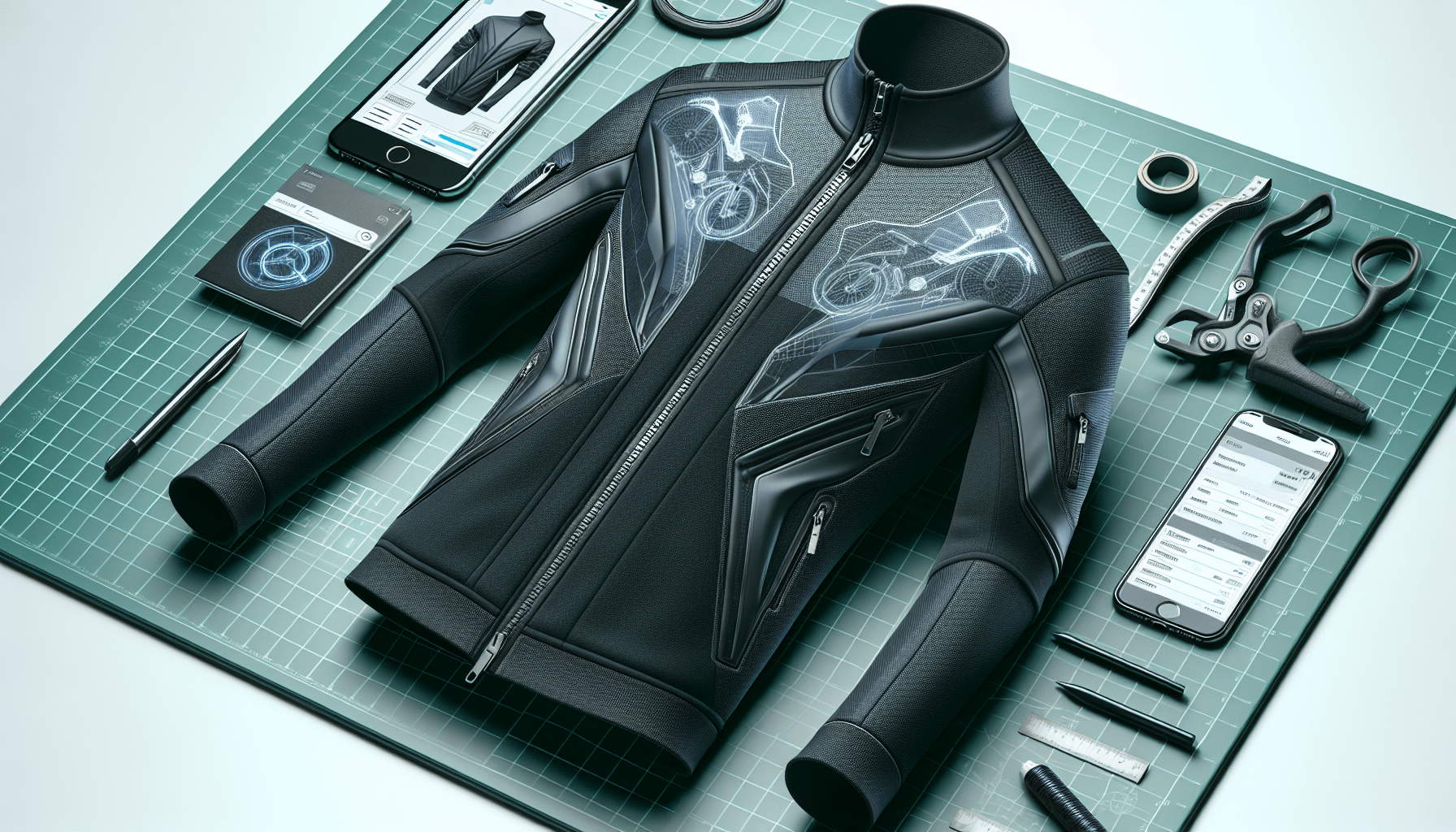
Are you importing Cycling Jackets?
So you’ve decided to import cycling jackets for your business! That’s an exciting venture to embark on. However, before you can bring those jackets into the country, there are some important steps you need to take care of. One of these crucial steps is filing an Importer Security Filing (ISF). In this article, we will guide you through the process of filing ISF specifically for cycling jackets. Let’s get started!
What is an Importer Security Filing (ISF)?
First things first, let’s understand what an Importer Security Filing (ISF) is. ISF, also known as 10+2, is a mandatory U.S. Customs and Border Protection (CBP) regulation that requires importers to provide specific information about their shipments before they arrive in the United States. This information helps CBP assess the security risk of the cargo coming into the country.
Why is ISF Important for Cycling Jackets?
You might be wondering why ISF is necessary for your cycling jackets. While it may seem like an additional bureaucratic requirement, filing ISF is crucial for the smooth processing of your import shipments. By providing accurate and timely information through ISF, you reduce the risk of delays, penalties, and other complications during the customs clearance process.
Gathering Required Information for ISF Filing
Before you can file ISF for your cycling jackets, you need to gather specific information to include in the filing. Here are the key details you will need:
1. Seller Information
Include the full name and address of the seller of the cycling jackets. This could be the manufacturer or the supplier from whom you are purchasing the jackets.
2. Buyer Information
Provide your full legal name and address as the buyer of the cycling jackets. This is the information that identifies you as the importer responsible for the shipment.
3. Manufacturer Information
Include the full name and address of the manufacturer of the cycling jackets. This information helps CBP verify the origin of the goods.
4. Supplier Information
If the supplier is different from the manufacturer, include their full name and address as well. This distinction is important for tracing the chain of custody for the jackets.
5. Ship-to Party
Specify the party to whom the cycling jackets will be shipped. This could be your own business address or a third-party logistics provider.
6. Country of Origin
Provide the country where the cycling jackets were manufactured. The country of origin determines the applicable duty rates and trade agreements.
7. HTSUS Number
The Harmonized Tariff Schedule of the United States (HTSUS) number classifies the cycling jackets for customs purposes. Make sure you have the correct HTSUS number for accurate duty assessment.
8. Container Stuffing Location
Indicate the location where the cycling jackets were loaded into the shipping container. This information verifies the security of the cargo.
How to File ISF for Cycling Jackets
Now that you have all the necessary information gathered, it’s time to file ISF for your cycling jackets. Here’s a step-by-step guide to help you through the process:
1. Obtain a Customs Bond
Before you can submit an ISF, you need to have a customs bond in place. A customs bond is a financial guarantee that ensures you will fulfill all obligations related to importing goods into the United States. You can obtain a customs bond from a surety company or a customs broker.
2. Choose Your Filing Method
There are two ways to file ISF: self-filing or using a licensed customs broker. If you have experience in customs compliance and the necessary resources, you can opt to file ISF on your own. However, if you are new to the import process or prefer to have expert assistance, hiring a licensed customs broker is a wise choice.
3. Submit ISF Information
Once you have determined your filing method, it’s time to submit the ISF information to CBP. Whether you are filing electronically through the Automated Broker Interface (ABI) or using the online ISF portal, make sure all the information is accurate and complete.
4. Monitor Compliance Deadlines
ISF must be filed at least 24 hours before the cargo is loaded onto the vessel destined for the United States. Failure to comply with this deadline can result in penalties and delays. Stay vigilant and monitor the compliance deadlines to ensure smooth processing of your cycling jackets.
5. Update ISF as Necessary
If there are any changes to the information provided in the ISF filing, such as delays or modifications to the shipment, make sure to update the filing accordingly. Keeping CBP informed of any changes helps prevent discrepancies during customs clearance.
Common Mistakes to Avoid When Filing ISF for Cycling Jackets
While filing ISF for your cycling jackets, there are some common mistakes that importers often make. Here are a few errors to avoid:
1. Inaccurate Information
Providing incorrect or incomplete details in the ISF filing can lead to penalties and delays in customs clearance. Double-check all the information before submission to ensure accuracy.
2. Missing Compliance Deadlines
Failing to file ISF within the prescribed time frame can result in significant penalties. Make sure to monitor the deadlines and submit the required information on time.
3. Lack of Communication
Effective communication with all parties involved in the import process is essential. Keep your suppliers, customs broker, and shipping partners informed of any changes or updates to avoid complications.
Conclusion
Filing ISF for your cycling jackets is an essential step in the import process that should not be overlooked. By providing accurate information and complying with CBP regulations, you can ensure a smooth customs clearance process for your shipments. Remember to gather all the necessary details, choose the appropriate filing method, and monitor compliance deadlines to avoid any issues. If you’re unsure about filing ISF on your own, don’t hesitate to seek the assistance of a licensed customs broker. Happy importing!
Why Should I File ISF For Jewelry Tools & Equipment

What is ISF and Why is it Necessary for Jewelry Tools & Equipment?
You might be wondering, “Why should I bother with filing an ISF for my jewelry tools and equipment?” Well, the Importer Security Filing (ISF) is a vital step in the customs clearance process for items being imported into the United States. By submitting an ISF, you are providing crucial information to Customs and Border Protection (CBP) about your shipment before it arrives, allowing for greater security and efficiency in the importation process.
What is ISF?
The Importer Security Filing (ISF), also known as 10+2, is a requirement by CBP that mandates importers provide specific information about their shipments to improve cargo security and facilitate the clearance process. The ISF must be filed at least 24 hours before the vessel departs for the U.S. It includes details such as the shipper, consignee, commodity information, and more.
Why is ISF Necessary for Jewelry Tools & Equipment?
For jewelry tools and equipment specifically, filing an ISF is crucial due to the high value and potential for theft or misuse of these items. By providing detailed information upfront, you can ensure that your shipment is processed smoothly and reaches its destination without delays or complications. Additionally, complying with ISF requirements can help you avoid penalties and fines for non-compliance.
What Information is Required for ISF Filing?
Now that you understand the importance of filing an ISF for your jewelry tools and equipment, let’s delve into the specific information that is required for the filing process.
Shipper Information
The shipper information includes details about the party responsible for sending the shipment, such as the name, address, and contact information. It is essential to provide accurate and up-to-date information to ensure that your shipment is properly identified and processed by CBP.
Consignee Information
The consignee information pertains to the party receiving the shipment in the U.S. It should include the name, address, and contact information of the consignee to facilitate the delivery process once the items arrive at their destination.
Commodity Information
Commodity information refers to details about the jewelry tools and equipment being imported, such as the description, quantity, value, and Harmonized System (HS) code. Providing accurate commodity information is crucial for determining duties, taxes, and other regulatory requirements for your shipment.
Vessel and Voyage Information
Vessel and voyage information includes details about the vessel carrying your shipment, such as the name, voyage number, and port of loading. This information helps CBP track and monitor the movement of cargo to ensure compliance with import regulations and security measures.
Benefits of Filing ISF for Jewelry Tools & Equipment
Filing an ISF for your jewelry tools and equipment offers several benefits that can streamline the importation process and enhance security measures.
Expedited Customs Clearance
By submitting an ISF in advance, you can expedite the customs clearance process for your shipment, reducing the risk of delays or additional inspections. This can help ensure that your jewelry tools and equipment reach their destination on time and in good condition.
Enhanced Security Measures
Filing an ISF provides CBP with essential information about your shipment, allowing them to assess potential security risks and take appropriate measures to mitigate threats. This enhances the security of your jewelry tools and equipment during the importation process.
Compliance with Regulatory Requirements
Complying with ISF filing requirements demonstrates your commitment to following import regulations and ensures that your jewelry tools and equipment meet all necessary compliance standards. This can help you avoid penalties, fines, or other consequences for non-compliance.
Improved Supply Chain Management
Filing an ISF for your jewelry tools and equipment can improve your supply chain management by providing clarity and transparency throughout the importation process. This can help you track and monitor your shipment more effectively, enabling better decision-making and resource allocation.

Consequences of Not Filing ISF for Jewelry Tools & Equipment
While filing an ISF can offer numerous benefits for your jewelry tools and equipment shipments, failing to comply with the requirement can result in severe consequences.
Penalties and Fines
CBP may impose penalties and fines for non-compliance with ISF filing requirements, which can result in significant financial setbacks for your business. By neglecting to file an ISF, you risk incurring costly penalties that can impact your bottom line.
Delayed Customs Clearance
Not filing an ISF can lead to delays in the customs clearance process for your jewelry tools and equipment, resulting in missed deadlines, upset customers, and disruptions to your supply chain. Delayed shipments can also incur additional costs and logistical challenges.
Security Risks
Without filing an ISF, your jewelry tools and equipment may be at a higher risk of security threats, theft, or misuse during the importation process. By providing CBP with essential information upfront, you can help mitigate these risks and protect your valuable assets.
Reputational Damage
Failing to comply with ISF filing requirements can damage your reputation as an importer and supplier of jewelry tools and equipment. Customers and business partners may lose trust in your reliability and professionalism, leading to potential business losses and damaged relationships.
How to File ISF for Jewelry Tools & Equipment
To ensure smooth and successful ISF filing for your jewelry tools and equipment, follow these steps to navigate the process effectively.
Obtain a Customs Broker
Hiring a licensed customs broker to assist you with ISF filing can streamline the process and ensure compliance with CBP regulations. A customs broker has the knowledge and expertise to help you submit accurate and timely information for your jewelry tools and equipment shipments.
Gather Required Information
Collect all necessary information for ISF filing, including shipper details, consignee information, commodity specifics, and vessel and voyage data. Ensure that the information is accurate and up-to-date to avoid delays or complications in the filing process.
Submit ISF Electronically
File your ISF electronically through the Automated Broker Interface (ABI) or the Automated Commercial Environment (ACE) portal. Electronic filing ensures fast and secure transmission of information to CBP and allows for real-time updates and notifications on the status of your filing.
Monitor and Update Information
Monitor the status of your ISF filing and update any changes or modifications as needed. Stay informed about any updates or alerts from CBP regarding your jewelry tools and equipment shipment to ensure compliance with regulatory requirements.
Conclusion
In conclusion, filing an ISF for your jewelry tools and equipment is a critical step in the importation process that offers numerous benefits for importers and suppliers. By providing essential information to CBP in advance, you can enhance security measures, expedite customs clearance, and ensure compliance with regulatory requirements. Remember to consult with a customs broker and follow the necessary steps for ISF filing to protect your valuable assets and maintain a smooth supply chain.
How To File ISF For Training Wheels

How To File ISF For Training Wheels
Have you ever wondered how to file an ISF for training wheels? It can be a confusing process, but with the right information and guidance, you can easily navigate through it. In this article, we will break down the steps for filing an ISF for training wheels so that you can do it with ease. Let’s get started!

Understanding ISF (Importer Security Filing)
Import Security Filing (ISF), also known as 10+2, is a U.S. Customs and Border Protection (CBP) regulation that requires importers to provide specific information about their goods before they are imported into the United States. This information helps CBP assess the security risk of the cargo and prevent any potential threats.
What is the Purpose of ISF?
The main purpose of ISF is to improve the security of the international supply chain and enhance the CBP’s ability to identify high-risk shipments. By providing detailed information about the goods being imported, CBP can better assess any security risks associated with the cargo.
ISF Requirements for Training Wheels
Now that we’ve discussed the basics of ISF, let’s dive into the specific requirements for filing ISF for training wheels. Before you can import training wheels into the U.S., you must ensure that you comply with the following ISF requirements:
Provide Manufacturer Information
When filing an ISF for training wheels, you must provide accurate and detailed information about the manufacturer. This includes the name and address of the manufacturer, as well as any other identifying information that may be required by CBP.
Describe the Cargo
You must also provide a detailed description of the training wheels you are importing. This description should include the quantity, weight, dimensions, and any other relevant information about the cargo. This information will help CBP assess the security risk of the shipment.
Identify the Importer of Record
As the importer of record, you are responsible for filing the ISF for the training wheels. You must provide your name, address, and other identifying information to CBP. Make sure that the information you provide is accurate and up to date.
Hiring a Customs Broker
Filing an ISF can be a complex process, especially if you are unfamiliar with customs regulations. To ensure that your ISF for training wheels is filed correctly and on time, consider hiring a licensed customs broker to assist you.
What Does a Customs Broker Do?
A customs broker acts as an intermediary between you and CBP, helping you navigate the complexities of customs regulations and ensure that your ISF is filed accurately. They will help you gather the necessary information, complete the required documentation, and submit the ISF on your behalf.
How to Find a Customs Broker
When looking for a customs broker to help you file an ISF for training wheels, make sure to choose a licensed and experienced professional. You can search for customs brokers online or ask for recommendations from other importers. Be sure to interview potential brokers to ensure they have the expertise you need.
Steps to File ISF for Training Wheels
Now that you understand the requirements and the role of a customs broker, let’s walk through the steps to file an ISF for training wheels.
Step 1: Gather Required Information
Before you can file an ISF for training wheels, you must gather all the required information, including details about the manufacturer, importer, and cargo. Make sure that the information you provide is accurate and up to date to avoid any delays or complications.
Step 2: Complete the ISF Form
Once you have gathered all the necessary information, you can begin filling out the ISF form. The form will require you to provide details about the shipment, including the manufacturer, importer, cargo description, and other relevant information. Double-check the form to ensure that all information is accurate and complete.
Step 3: Submit the ISF to CBP
After you have completed the ISF form, you can submit it to CBP through the Automated Broker Interface (ABI) or the Automated Commercial Environment (ACE) system. Make sure to submit the ISF at least 24 hours before the cargo is loaded onto the vessel to avoid any penalties or delays.
Step 4: Monitor the Status of the ISF
Once you have submitted the ISF for training wheels, make sure to monitor its status to ensure that it has been accepted by CBP. You can track the status of your ISF through the ACE system or by contacting your customs broker. If there are any issues or discrepancies, address them immediately to avoid any complications.
Potential Penalties for Non-Compliance
It is essential to comply with ISF requirements when importing training wheels into the U.S. Failure to file an ISF correctly or on time can result in severe penalties from CBP. These penalties can include fines, delays in cargo clearance, and even seizure of the cargo.
Fines for Non-Compliance
CBP can impose fines ranging from $5,000 to $10,000 per ISF for non-compliance. These fines can quickly add up if you have multiple violations, so it is crucial to ensure that your ISFs are filed correctly and on time.
Cargo Delays
Failure to file an ISF can result in delays in the clearance of your cargo. CBP may place your shipment on hold until the ISF is filed correctly, which can lead to storage fees and other additional costs. To avoid delays, make sure to file your ISF on time and accurately.
Seizure of Cargo
In extreme cases of non-compliance, CBP may seize the cargo being imported. If your ISF is not filed correctly or if there are significant discrepancies in the information provided, CBP has the authority to seize the cargo and initiate legal action against the importer.
Final Thoughts
Filing an ISF for training wheels can be a complicated process, but with the right information and guidance, you can ensure that your cargo arrives safely and on time. By understanding the requirements, hiring a customs broker, and following the steps outlined in this article, you can file an ISF for training wheels with ease. Remember to comply with ISF regulations to avoid penalties and delays in the importation process.
Where To File ISF For Billiard Three Finger Gloves

Are ISF Filings Required for Billiard Three Finger Gloves?
If you are importing billiard three finger gloves into the United States, you may be wondering whether you need to file an Importer Security Filing (ISF). ISF, also known as 10+2, is a requirement by U.S. Customs and Border Protection (CBP) to improve the security of imported goods. Keep reading to find out if ISF filings are required for billiard three finger gloves.
ISF Filing Requirements for Billiard Three Finger Gloves
When importing billiard three finger gloves into the United States, you are required to file an ISF if the shipment is being sent by ocean transport. The ISF must be filed at least 24 hours before the cargo is loaded onto the vessel departing for the U.S. Failure to comply with ISF filing requirements can result in penalties and delays in clearing your goods through customs.

Where to File ISF for Billiard Three Finger Gloves
Now that you know ISF filings are required for billiard three finger gloves, the next step is figuring out where to file the ISF. ISF can be filed electronically through the Automated Broker Interface (ABI) or through the online portal of a licensed customs broker. Let’s take a closer look at the options available to you for filing ISF for your billiard three finger gloves.
Filing ISF Through ABI
The Automated Broker Interface (ABI) is a system developed by U.S. Customs and Border Protection (CBP) that allows for the electronic transmission of information required for the entry of goods into the United States. You can file your ISF through ABI by working with a licensed customs broker who has access to the system. This is a convenient and efficient way to submit your ISF and ensure compliance with CBP regulations.
Filing ISF Through a Licensed Customs Broker
If you do not have access to ABI or prefer to work with a professional, you can file your ISF through a licensed customs broker. Customs brokers are trained and experienced in navigating the complexities of customs regulations and can help ensure that your ISF is filed accurately and on time. By partnering with a customs broker, you can have peace of mind knowing that your ISF filing is in good hands.
Information Required for ISF Filing for Billiard Three Finger Gloves
When filing an Importer Security Filing (ISF) for billiard three finger gloves, you will need to provide certain information to U.S. Customs and Border Protection (CBP). This information is essential for CBP to assess the security risk of your imported goods and facilitate the clearance process. Here is the information required for ISF filing for billiard three finger gloves.
Bill of Lading Number
The bill of lading number is a unique identifier assigned to each shipment of goods transported by sea. It is a critical piece of information that must be included in the ISF filing for billiard three finger gloves. The bill of lading number allows CBP to track the movement of your shipment and ensure that all required security measures are in place.
Manufacturer/Supplier Information
You will need to provide details about the manufacturer or supplier of the billiard three finger gloves in your ISF filing. This information includes the name, address, and contact information of the entity responsible for producing the goods. CBP uses this information to verify the origin of the goods and assess any security risks associated with the supplier.
Importer of Record Number
The importer of record number is assigned to the individual or entity responsible for bringing the billiard three finger gloves into the United States. This number is used by CBP to track shipments and ensure compliance with customs regulations. Including the importer of record number in your ISF filing is essential for accurately identifying the party responsible for the imported goods.
Container Stuffing Location
The container stuffing location is the place where the billiard three finger gloves are loaded into the shipping container for transportation. This information is required in the ISF filing to help CBP determine the integrity of the shipment and assess any potential security risks. Providing accurate and detailed information about the container stuffing location can help expedite the clearance process for your goods.
Penalties for Non-Compliance with ISF Filing Requirements
Failure to comply with Importer Security Filing (ISF) requirements for billiard three finger gloves can result in penalties and delays in clearing your goods through customs. U.S. Customs and Border Protection (CBP) takes ISF filings seriously and enforces strict regulations to ensure the security of imported goods. Here are some of the penalties you may face for non-compliance with ISF filing requirements.
Monetary Penalties
One of the most common penalties for non-compliance with ISF filing requirements is monetary fines imposed by CBP. These fines can vary depending on the severity of the violation and may range from a few hundred dollars to thousands of dollars per shipment. Failure to file an ISF or submitting inaccurate information can result in significant financial penalties that can impact your bottom line.
Cargo Holds and Inspections
In addition to monetary penalties, non-compliance with ISF filing requirements can result in your cargo being placed on hold or subject to additional inspections by CBP. Cargo holds and inspections can lead to delays in receiving your goods, increased storage costs, and potential damage to your billiard three finger gloves. To avoid these consequences, it is essential to ensure that your ISF filings are accurate and submitted on time.
Loss of Importing Privileges
Repeated non-compliance with ISF filing requirements can result in the loss of your importing privileges and even suspension or revocation of your customs bond. Losing your importing privileges can have a significant impact on your ability to conduct business internationally and may result in financial losses for your company. It is crucial to take ISF filing requirements seriously and ensure that you are in compliance with CBP regulations.
Tips for Successful ISF Filing for Billiard Three Finger Gloves
Filing an Importer Security Filing (ISF) for billiard three finger gloves can be a complex process, but with careful planning and attention to detail, you can ensure a successful filing experience. Here are some tips to help you navigate the ISF filing process and avoid common pitfalls.
Plan Ahead
Start preparing for your ISF filing as soon as you know the details of your shipment. By planning ahead and gathering the required information early, you can avoid last-minute errors and ensure that your ISF is filed on time. Keep in mind that ISF must be filed at least 24 hours before the cargo is loaded onto the vessel, so don’t wait until the last minute to start the filing process.
Work with a Licensed Customs Broker
If you are new to importing billiard three finger gloves or find the ISF filing process overwhelming, consider working with a licensed customs broker. Customs brokers are experts in navigating customs regulations and can help ensure that your ISF filing is accurate and compliant. By partnering with a customs broker, you can save time and avoid costly mistakes in the filing process.
Double-Check Your Information
Before submitting your ISF filing for billiard three finger gloves, double-check all the information you have entered to ensure accuracy. Even a small mistake or typo can lead to penalties and delays in clearing your goods through customs. Take the time to review each field in your ISF filing and verify that all information is correct before finalizing the submission.
Stay Informed
Keep yourself informed about changes to ISF regulations and requirements to stay compliant with U.S. Customs and Border Protection (CBP). Regulations and guidelines for ISF filings can change, so it is essential to stay up to date on any updates that may affect your billiard three finger gloves shipments. By staying informed, you can avoid compliance issues and ensure a smooth clearance process for your goods.
Conclusion
Filing an Importer Security Filing (ISF) for billiard three finger gloves is a crucial step in ensuring the security of your imported goods and complying with U.S. Customs and Border Protection (CBP) regulations. By understanding the requirements for ISF filings, knowing where to file, and following best practices for successful filing, you can navigate the process with confidence and avoid potential penalties. Remember to plan ahead, work with a licensed customs broker if needed, double-check your information, and stay informed to make your ISF filing experience a smooth and hassle-free one.
How Can I Avoid ISF Penalties For Garden Netting


Understanding ISF Penalties
So you’ve recently purchased some garden netting for your backyard, but now you’re worried about the potential ISF penalties that could come with it. Don’t worry, I’m here to help you navigate through this process and avoid any unnecessary fines.
What is ISF?
ISF stands for Importer Security Filing, also known as 10+2. It’s a requirement enforced by U.S. Customs and Border Protection (CBP) that mandates importers to provide specific information about their incoming shipments before they arrive in the United States.
Why are ISF Penalties Imposed?
ISF penalties are imposed to ensure compliance with CBP regulations and to enhance national security by screening incoming cargo for potential risks. Importers who fail to accurately file their ISF in a timely manner may face penalties, which can range from thousands to tens of thousands of dollars.
Garden Netting and ISF Compliance
Now that you understand the basics of ISF penalties, let’s dive into how it specifically relates to your garden netting purchase.
Is Garden Netting Subject to ISF?
Yes, garden netting is subject to ISF requirements if it is being imported into the United States from another country. Whether you purchased the netting for personal use or for resale, you are still responsible for ensuring that the necessary paperwork is filed correctly.
How Can I Determine the ISF Requirements for My Garden Netting?
To determine the ISF requirements for your garden netting, you will need to assess various factors such as the value of the netting, the country of origin, and the intended use of the netting. Consulting with a customs broker or a CBP representative can also help clarify any specific requirements that apply to your situation.
Avoiding ISF Penalties for Garden Netting
Now that you know the importance of ISF compliance for your garden netting, let’s discuss some tips on how you can avoid potential penalties.
Tip 1: Know Your Filing Deadline
One of the most crucial aspects of ISF compliance is meeting the filing deadline. Importers are required to submit their ISF at least 24 hours before the cargo is loaded onto the vessel bound for the United States. Failure to meet this deadline can result in significant penalties.
Tip 2: Provide Accurate and Timely Information
When filing your ISF for garden netting, make sure to provide accurate and timely information to CBP. This includes details such as the manufacturer of the netting, the material used, the value of the netting, and the intended use. Any discrepancies or inaccuracies in this information can lead to penalties.
Tip 3: Work with a Licensed Customs Broker
If you’re unsure about how to properly file your ISF for garden netting, consider working with a licensed customs broker. These professionals have the expertise and knowledge to ensure that your ISF is filed correctly and on time, reducing the risk of potential penalties.
Tip 4: Keep Detailed Records
It’s essential to keep detailed records of all your ISF filings for garden netting. This includes maintaining copies of all documentation, communications with customs officials, and any other relevant information. By keeping organized records, you can easily prove your compliance in case of an audit.
Sample ISF Checklist for Garden Netting
To make the ISF filing process easier for you, here’s a sample checklist you can use when preparing your garden netting shipment for import:
| Checklist Item | Description |
|---|---|
| Obtain Manufacturer Info | Gather details about the manufacturer of the netting |
| Determine Country of Origin | Identify the country where the netting was produced |
| Calculate Netting Value | Determine the value of the garden netting |
| Provide Intended Use | Specify whether the netting is for personal use or resale |
| Submit ISF on Time | Ensure that the ISF is filed at least 24 hours before the vessel departs |
| Keep Records | Maintain detailed records of all ISF filings |
By following this checklist and ensuring that all necessary information is accurately provided, you can greatly reduce the risk of facing ISF penalties for your garden netting shipment.
Conclusion
Navigating through ISF requirements can be intimidating, especially when it comes to specific items like garden netting. However, by understanding the basics of ISF compliance, knowing your filing deadlines, providing accurate information, working with professionals when needed, and keeping detailed records, you can successfully avoid potential penalties and ensure a smooth import process for your garden netting.
Remember, ISF compliance is crucial for enhancing national security and maintaining the integrity of the import process. By taking the necessary steps to comply with ISF regulations, you can enjoy your garden netting without any worries about facing costly penalties.
Why Should I File ISF For Badges

Why Should I File ISF For Badges
You may be wondering why it’s important to file an Importer Security Filing (ISF) for badges when bringing them into the country. In this article, we will discuss the reasons why filing ISF for badges is essential for smooth customs clearance and compliance with customs regulations.

Understanding ISF
Before we delve into the reasons for filing ISF for badges, let’s first understand what ISF is.
ISF is a mandatory electronic filing that importers or their agents are required to submit to U.S. Customs and Border Protection (CBP) for ocean shipments arriving by vessel into the United States. The purpose of ISF is to provide CBP with advance information about the goods being imported, which helps enhance border security and facilitate the clearance process.
What Information is Required in an ISF Filing?
When filing ISF for badges, you will need to provide specific information about the shipment, including the shipper’s name and address, consignee’s name and address, manufacturer’s name and address, importer of record number, and HTSUS code for the goods being imported.
Failing to provide accurate and timely ISF information can result in penalties imposed by CBP, so it is crucial to ensure that your ISF filing is complete and accurate.
Ensuring Compliance with Customs Regulations
Filing ISF for badges is essential for ensuring compliance with customs regulations. By submitting the required information to CBP in advance, you are demonstrating your commitment to following the rules and regulations set forth by the agency.
Avoiding Penalties
One of the main reasons why you should file ISF for badges is to avoid potential penalties imposed for non-compliance. CBP takes ISF filings seriously, and failing to submit the required information or submitting inaccurate information can result in costly penalties.
Penalties for violations of ISF requirements can range from $5,000 per violation to $10,000 per violation, so it is in your best interest to file ISF correctly and on time to avoid these penalties.
Expedited Customs Clearance
Filing ISF for badges can also help expedite the customs clearance process. By providing CBP with advance information about the goods being imported, you are helping customs officers make informed decisions about the shipment, which can speed up the clearance process and reduce delays.
Mitigating Security Risks
Another reason why you should file ISF for badges is to mitigate security risks associated with importing goods into the United States. By providing CBP with advance information about the shipment, you are helping to enhance border security and reduce the risk of smuggling or other illicit activities.
Enhancing Border Security
ISF filings play a crucial role in enhancing border security by allowing CBP to screen shipments for potential security risks before they arrive in the United States. By filing ISF for badges, you are contributing to efforts to strengthen border security and protect the country from various threats.
Preventing Contraband Entry
Filing ISF for badges can also help prevent the entry of contraband into the country. By providing CBP with detailed information about the goods being imported, you are helping customs officers identify any potential risks and take appropriate action to prevent illegal goods from entering the country.
Importance of Accurate Information
When filing ISF for badges, it is crucial to provide accurate and complete information to CBP. Inaccurate or incomplete ISF filings can lead to delays in customs clearance, as well as potential penalties for non-compliance.
Double-Checking Information
Before submitting your ISF filing for badges, be sure to double-check all the information provided to ensure its accuracy. Review the shipper’s name and address, consignee’s name and address, manufacturer’s name and address, importer of record number, and HTSUS code to make sure everything is correct.
Avoiding Data Discrepancies
Data discrepancies in ISF filings can lead to delays in customs clearance and potential penalties from CBP. To avoid these issues, make sure that all the information provided in your ISF filing for badges is accurate and matches the information on the commercial invoice.
When to File ISF
It is essential to file ISF for badges in a timely manner to avoid penalties and delays in customs clearance.
Timely Filing
ISF filings must be submitted to CBP at least 24 hours before the goods are loaded onto a vessel destined for the United States. Failure to file ISF within the required timeframe can result in penalties and delays in customs clearance, so it is crucial to submit your ISF filing on time.
Early Preparation
To ensure that you can file ISF for badges on time, it is recommended to start preparing your ISF filing as soon as you have all the necessary information about the shipment. By starting early, you can avoid last-minute issues and ensure that your ISF filing is complete and accurate.
Hiring a Customs Broker
If you are unsure about how to file ISF for badges or do not have the resources to do it in-house, you can hire a customs broker to assist you with the process.
Benefits of Hiring a Customs Broker
A customs broker can help you navigate the complex customs clearance process and ensure that your ISF filing for badges is done correctly. They have the knowledge and expertise to handle ISF filings on your behalf, saving you time and effort while ensuring compliance with CBP regulations.
Conclusion
In conclusion, filing ISF for badges is crucial for ensuring compliance with customs regulations, mitigating security risks, and avoiding penalties for non-compliance. By providing CBP with advance information about the goods being imported, you are helping to enhance border security and expedite the customs clearance process. Make sure to file your ISF for badges accurately and on time to avoid potential issues and penalties.
How To File ISF For Linear Robots

How To File ISF for Linear Robots
So, you’ve got yourself a linear robot and now you need to file an ISF. Not sure where to start? Don’t worry, I’ve got you covered! In this guide, I’ll walk you through the process step by step so you can get your linear robot up and running in no time. Let’s get started!
Understanding ISF for Linear Robots
ISF stands for Importer Security Filing, and it’s a requirement by U.S. Customs and Border Protection (CBP) for shipments entering the United States by ocean vessel. The purpose of ISF is to enhance cargo security and increase transparency in the import supply chain. When it comes to linear robots, filing ISF is crucial to ensure a smooth customs clearance process.
Components of ISF for Linear Robots
Before you begin filing ISF for your linear robot, it’s important to understand the components required for a successful submission. Here are the key elements you need to include:
Manufacturer or Supplier Information
This section should include detailed information about the manufacturer or supplier of the linear robot, such as their name, address, and contact details. Providing accurate and up-to-date information is essential for customs clearance and compliance purposes.
Importer of Record Number
The Importer of Record (IOR) is the party responsible for ensuring that the linear robot complies with all applicable laws and regulations. You’ll need to provide your IOR number when filing ISF to establish accountability for the import shipment.
Container Stuffing Location
The container stuffing location refers to the place where the linear robot was loaded into the shipping container for transport. This information helps CBP track the movement of goods and verify the authenticity of the shipment.
Consolidator Name and Address
If your linear robot is part of a consolidated shipment, you’ll need to provide the name and address of the consolidator responsible for assembling and shipping multiple goods in a single container. This information is crucial for customs clearance and cargo tracking purposes.
Country of Origin
The country of origin is where the linear robot was manufactured or produced. This information is essential for determining applicable tariffs and duty rates, as well as ensuring compliance with trade agreements and regulations.
HTSUS Number
The Harmonized Tariff Schedule of the United States (HTSUS) number is a standardized system for classifying goods based on their composition, function, and origin. You’ll need to provide the HTSUS number for your linear robot to determine the correct duty rates and customs regulations.
Estimated Arrival Date
The estimated arrival date is the projected date when the linear robot will reach its destination port in the United States. Providing an accurate arrival date helps CBP schedule inspections and expedite the customs clearance process.
Bill of Lading Number
The bill of lading number is a unique identifier assigned to the linear robot shipment by the carrier or shipping agent. This number is used to track the movement of goods from the point of origin to the final destination port.
Container Number
The container number is a unique alphanumeric code assigned to the shipping container carrying the linear robot. This information is important for tracking the container’s location, verifying the shipment contents, and ensuring proper handling during transportation.
Seal Number
The seal number is a security seal placed on the container doors to prevent unauthorized access and tampering. You’ll need to provide the seal number for your linear robot shipment to confirm the integrity of the container and its contents.

Filing ISF for Linear Robots
Now that you have all the necessary information for your linear robot shipment, it’s time to file ISF with U.S. Customs and Border Protection. Here’s a step-by-step guide to help you through the process:
-
Log in to the ACE Secure Data Portal: The Automated Commercial Environment (ACE) Secure Data Portal is the official platform for filing ISF and other import documents with CBP. Create an account if you don’t have one already and log in to get started.
-
Select “Importer Security Filing (ISF)”: Once you’re logged in, navigate to the ISF section of the portal and select the option to initiate a new filing for your linear robot shipment.
-
Enter Required Information: Fill out the ISF form with all the relevant details about your linear robot, including manufacturer information, container details, and estimated arrival date. Double-check for accuracy before submitting the form.
-
Submit ISF Filing: Once you’ve completed the ISF form, review the information one last time and submit the filing to CBP for processing. You’ll receive a confirmation of submission and a unique ISF reference number for tracking purposes.
-
Monitor ISF Status: Keep an eye on the status of your ISF filing through the ACE portal to ensure timely approvals and resolve any issues that may arise during the customs clearance process. Stay proactive and responsive to CBP requests for additional information or documentation.
-
Coordinate with Customs Broker: If you’re working with a customs broker to handle your linear robot shipment, communicate regularly to coordinate ISF filings, document submissions, and customs compliance requirements. Your broker can provide guidance and support throughout the import process.
Common Mistakes to Avoid
When filing ISF for your linear robot, it’s important to be thorough and accurate to prevent delays and compliance issues at the border. Here are some common mistakes to avoid:
Inaccurate Information
Providing incorrect or incomplete details in your ISF filing can lead to delays, penalties, and customs holds. Double-check all the information before submitting to ensure accuracy and compliance with CBP regulations.
Late Filing
Missing the deadline for filing ISF can result in fines, cargo exams, and shipment delays. Make sure to submit your ISF at least 24 hours before the linear robot leaves its origin port to avoid penalties and expedite customs clearance.
Lack of Communication
Failure to communicate with your customs broker, freight forwarder, or shipping agent can cause confusion and errors in the ISF filing process. Stay in touch with all stakeholders involved in the import shipment to ensure smooth coordination and compliance with CBP requirements.
Incorrect HTSUS Classification
Choosing the wrong HTSUS number for your linear robot can result in misclassification, duty discrepancies, and compliance issues. Consult with a customs expert or trade specialist to determine the correct classification and tariff code for your import goods.
Missing Shipping Documents
Neglecting to include essential shipping documents, such as the bill of lading, commercial invoice, or packing list, can hinder the customs clearance process and delay the release of your linear robot shipment. Keep all relevant paperwork organized and accessible for CBP inspections and verifications.
Benefits of Filing ISF for Linear Robots
While filing ISF for your linear robot may seem like an additional administrative burden, it offers several benefits that can streamline the import process and enhance supply chain security:
Enhanced Cargo Security
By providing advance information about your linear robot shipment to CBP through ISF, you contribute to enhancing cargo security and mitigating potential risks associated with international trade. This proactive approach helps CBP identify high-risk shipments and allocate resources more efficiently for inspections and enforcement actions.
Faster Customs Clearance
Filing ISF for your linear robot enables CBP to review and process the import information in advance, reducing the likelihood of delays and disruptions at the port of entry. By complying with ISF requirements, you can expedite customs clearance and ensure timely delivery of your goods to their destination.
Improved Compliance
Meeting the ISF filing requirements demonstrates your commitment to compliance with U.S. customs regulations and trade laws. By accurately reporting the necessary information for your linear robot shipment, you avoid penalties, fines, and enforcement actions that may result from non-compliance or violation of CBP rules.
Supply Chain Visibility
Submitting ISF for your linear robot allows you to track the movement of goods through the import supply chain and monitor their progress from origin to destination. This increased visibility enables you to plan effectively, manage inventory levels, and respond promptly to any issues that may arise during transit.
Cost Savings
Efficient ISF filing for your linear robot shipment can help reduce costs associated with customs delays, fines, and detention fees. By proactively addressing compliance requirements and streamlining the import process, you can minimize financial risks and maximize the value of your trade operations.
Conclusion
Filing ISF for your linear robot is a critical step in ensuring a smooth and compliant import process. By understanding the requirements, components, and benefits of ISF, you can navigate the customs clearance process with confidence and efficiency. Remember to stay informed, proactive, and detail-oriented when filing ISF for your linear robot to achieve successful importation and delivery to your doorstep. Happy importing!
How Can I Avoid ISF Penalties For BBQ Tools
How Can I Avoid ISF Penalties for BBQ Tools
When importing BBQ tools, it’s essential to ensure you comply with the Importer Security Filing (ISF) requirements to avoid penalties. Failure to comply can result in fines and delays in clearing your goods through customs. In this article, we’ll discuss how you can avoid ISF penalties for BBQ tools.
Understanding ISF Requirements for BBQ Tools
Before we dive into how to avoid ISF penalties, let’s first understand what ISF requirements are when importing BBQ tools. ISF, also known as 10+2, requires importers to provide specific information about the goods they are importing to the US Customs and Border Protection (CBP) at least 24 hours before loading the cargo onto a vessel bound for the United States.
Providing Accurate and Timely Information
One of the critical ways to avoid ISF penalties for BBQ tools is to ensure you provide accurate and timely information to CBP. It’s essential to accurately describe the BBQ tools you are importing, including the quantity, weight, dimensions, and value of the goods. Any discrepancies or inaccuracies in the information provided can lead to penalties.
Working with a Licensed Customs Broker
Navigating the complexities of ISF requirements can be challenging, especially for first-time importers. Working with a licensed customs broker can help ensure you comply with ISF regulations and avoid penalties. A customs broker can help you accurately complete the ISF filing and submit it to CBP on time.
Ensuring Compliance with Additional Regulations
In addition to ISF requirements, importers of BBQ tools must also ensure compliance with other regulations, such as product safety standards, labeling requirements, and tariffs. Failure to comply with these regulations can also result in penalties and delays in clearing your goods through customs.
Keeping Records of ISF Documentation
To avoid ISF penalties for BBQ tools, it’s essential to keep detailed records of all ISF documentation, including the ISF filing confirmation number and any communication with CBP regarding the filing. Having organized records can help you demonstrate compliance in case of an audit or penalty assessment.
Monitoring ISF Compliance Status
Regularly monitoring your ISF compliance status is crucial to avoid penalties for BBQ tools. You can use CBP’s ACE Secure Data Portal to check the status of your ISF filings and ensure all required information has been submitted accurately and on time. Monitoring your compliance status can help you identify and address any issues proactively.
Implementing Internal Compliance Policies
Establishing internal compliance policies within your organization can help prevent ISF penalties for BBQ tools. By creating standardized procedures for filing ISF, training staff on compliance requirements, and conducting regular audits of your import processes, you can minimize the risk of errors that could lead to penalties.
Seeking Guidance from Trade Associations
Trade associations can be valuable resources for importers of BBQ tools looking to avoid ISF penalties. By joining industry-specific trade associations, you can access valuable information, resources, and guidance on compliance with ISF requirements and other import regulations.
Using Technology Solutions for ISF Compliance
Utilizing technology solutions for ISF compliance can streamline the filing process and help you avoid penalties for BBQ tools. Automated ISF filing software can help you accurately complete and submit ISF filings to CBP, reducing the risk of errors and ensuring compliance with regulatory requirements.
Regularly Reviewing ISF Filing Process
Regularly reviewing your ISF filing process is essential to avoid penalties for BBQ tools. By conducting periodic reviews of your ISF filing procedures, you can identify areas for improvement, address any issues or errors, and ensure ongoing compliance with regulatory requirements.
Establishing a Relationship with CBP
Building a relationship with CBP can help importers of BBQ tools avoid ISF penalties. By establishing open lines of communication with CBP officials, attending industry meetings and events, and seeking guidance on compliance issues, you can demonstrate your commitment to compliance and minimize the risk of penalties.
Conclusion
In conclusion, avoiding ISF penalties for importing BBQ tools requires a thorough understanding of ISF requirements, providing accurate and timely information, working with a licensed customs broker, ensuring compliance with additional regulations, keeping detailed records, monitoring compliance status, implementing internal compliance policies, seeking guidance from trade associations, using technology solutions, regularly reviewing the filing process, and establishing a relationship with CBP. By following these best practices, you can effectively navigate the complexities of ISF requirements and avoid penalties when importing BBQ tools.
How And When To File ISF For Packaging Labels

How And When To File ISF For Packaging Labels
Are you unsure about the process of filing an ISF for Packaging Labels? Let’s break it down for you in this detailed guide on how and when to file ISF for your packaging labels.
What is ISF and Why is it Important for Packaging Labels?
Before we dive into the details of filing an ISF for packaging labels, let’s first understand what ISF is and why it is important in the context of packaging labels.
When importing goods into the United States, the Importer Security Filing (ISF) is a requirement by U.S. Customs and Border Protection (CBP) to enhance the security of shipments coming into the country. This filing provides CBP with advance information on the goods being imported, allowing them to assess any potential risks associated with the shipment.
For packaging labels, filing an ISF is crucial as it ensures that CBP has all the necessary information about the packaging materials accompanying the goods. This helps CBP in identifying any potential security risks or compliance issues related to the packaging labels.
Understanding the ISF Filing Process for Packaging Labels
Now that you know why ISF is important for packaging labels, let’s delve into the details of the ISF filing process specifically for packaging labels.
Step 1: Determine if ISF Filing is Required for Your Packaging Labels
The first step in filing an ISF for packaging labels is to determine whether ISF filing is required for the shipment containing your packaging labels. ISF filing is mandatory for all shipments entering the United States by ocean vessel, with a few exceptions.
If your packaging labels are being imported by ocean vessel, you will most likely need to file an ISF for the shipment. It’s important to verify this requirement with your customs broker or freight forwarder to ensure compliance with CBP regulations.
Step 2: Gather Required Information for ISF Filing
Once you have confirmed that ISF filing is required for your packaging labels, the next step is to gather all the necessary information for the filing. This information typically includes details about the importer, consignee, seller, buyer, and other parties involved in the shipment, as well as specific information about the packaging labels being imported.
Make sure to have all the relevant information handy before proceeding with the ISF filing to avoid any delays or compliance issues.
Step 3: Submit ISF Filing for Packaging Labels
After gathering all the required information, you can proceed to submit the ISF filing for your packaging labels. This can be done through ACE (Automated Commercial Environment) Secure Data Portal, which is the primary system for filing ISF with CBP.
It’s important to ensure that the information provided in the ISF filing is accurate and up to date to avoid any penalties or delays in the clearance of your shipment. Working with a knowledgeable customs broker or freight forwarder can help you navigate the ISF filing process more effectively.

When to File ISF for Packaging Labels
Now that you understand the ISF filing process for packaging labels, let’s discuss the timeline for filing ISF and when it should be submitted for your packaging labels.
12-24 Hours Before Vessel Loading
ISF filing for packaging labels should ideally be done 12-24 hours before the vessel carrying your shipment is loaded at the foreign port. This advance filing allows CBP to review the information provided and assess any potential risks associated with the shipment before it arrives in the United States.
Filing the ISF within this timeframe ensures compliance with CBP regulations and helps in expediting the clearance process for your packaging labels upon arrival.
Filing Deadline and Penalties
It’s important to note that failure to file the ISF for your packaging labels within the required timeframe can result in penalties imposed by CBP. The maximum penalty for late filing of ISF is $5,000 per violation, with additional penalties for inaccurate or incomplete filings.
To avoid these penalties, it’s crucial to adhere to the filing deadlines set by CBP and ensure that the information provided in the ISF filing is accurate and complete.
Common Mistakes to Avoid When Filing ISF for Packaging Labels
To ensure a smooth and hassle-free ISF filing process for your packaging labels, it’s important to be aware of some common mistakes that importers often make during the filing process.
Inaccurate Information
One of the most common mistakes when filing ISF for packaging labels is providing inaccurate information in the filing. This can lead to compliance issues with CBP and potential penalties for the importer.
Make sure to double-check all the information provided in the ISF filing to ensure its accuracy and completeness before submission.
Late Filing
Another common mistake is failing to file the ISF for your packaging labels within the required timeframe. Late filing can result in penalties imposed by CBP, as mentioned earlier, and can also cause delays in the clearance of your shipment.
To avoid this mistake, it’s essential to be proactive in the ISF filing process and submit the required information well before the deadline.
Not Working with a Customs Broker or Freight Forwarder
Filing an ISF for packaging labels can be a complex process, especially for first-time importers. Not working with a knowledgeable customs broker or freight forwarder can lead to errors in the filing and compliance issues with CBP.
By partnering with a trusted customs broker or freight forwarder, you can ensure that your ISF filing for packaging labels is done accurately and in a timely manner, minimizing the risk of penalties and delays.
Conclusion
Filing an ISF for packaging labels is an essential step in the importation process to the United States. By understanding the ISF filing process, knowing when to file, and avoiding common mistakes, you can ensure compliance with CBP regulations and smooth clearance of your packaging labels upon arrival.
If you have any further questions or need assistance with ISF filing for your packaging labels, don’t hesitate to reach out to a customs broker or freight forwarder for guidance. Happy importing!
How And When To File ISF For Spindle Moulders

Understanding ISF for Spindle Moulders
So, you’ve got a spindle moulder and now you’re wondering about this thing called ISF. What is it and when do you need to file it? Let’s break it down for you in simple terms so you can get back to creating beautiful woodwork with your spindle moulder.
What is ISF?
ISF stands for Importer Security Filing. It’s a requirement by U.S. Customs and Border Protection (CBP) for all goods being imported into the United States. The purpose of ISF is to enhance the security of the supply chain by providing CBP with advance information about shipments. This helps CBP identify potential high-risk shipments before they arrive in the U.S.
Why is ISF Important for Spindle Moulders?
Now, you might be wondering why ISF matters for your spindle moulder. Well, if you’re importing a spindle moulder into the U.S., you’ll need to file ISF to comply with CBP regulations. Failure to file ISF correctly and on time can result in penalties, delays, and even the refusal of entry of your spindle moulder into the U.S.

When to File ISF for Spindle Moulders
Now that you understand what ISF is and why it’s important, let’s dive into when you need to file ISF for your spindle moulder.
Timing of ISF Filing
ISF must be filed at least 24 hours before the goods are loaded onto the vessel that will bring them to the U.S. This advance filing requirement ensures that CBP has enough time to review the information and assess the risk level of the shipment.
Exceptions to the 24-Hour Rule
In some cases, ISF can be filed up to 48 hours before the goods are loaded onto the vessel. These exceptions include transshipments, when the goods are loaded at a foreign port for transit through the U.S. to another foreign port, and other specific circumstances outlined by CBP.
Late ISF Filing
If you fail to file ISF in a timely manner, CBP may issue you penalties for non-compliance. These penalties can range from fines to additional scrutiny of your future shipments. It’s crucial to ensure that you file ISF within the required timeframe to avoid any issues with your spindle moulder shipment.
How to File ISF for Spindle Moulders
Now that you know when to file ISF for your spindle moulder, let’s discuss how you can go about actually filing it.
Obtaining ISF Information
Before you can file ISF for your spindle moulder, you’ll need to gather certain information about the shipment. This includes details such as the manufacturer of the spindle moulder, the country of origin, the shipper’s name and address, and the consignee’s name and address.
Using a Customs Broker
Filing ISF can be a complex process, especially if you’re new to importing goods into the U.S. Many importers choose to work with a customs broker to handle the ISF filing on their behalf. A customs broker has the knowledge and experience to ensure that your ISF is filed correctly and on time, reducing the risk of penalties or delays.
Self-Filing ISF
If you prefer to file ISF yourself for your spindle moulder, you can do so through the Automated Broker Interface (ABI) of CBP’s Automated Commercial Environment (ACE) system. This online platform allows importers to submit electronic ISF filings directly to CBP. However, keep in mind that self-filing requires a good understanding of CBP regulations and may be time-consuming for first-time importers.
Information Required for ISF Filing
When filing ISF for your spindle moulder, you’ll need to provide specific details about the shipment to CBP. Here’s a breakdown of the information required for ISF filing:
Manufacturer Information
- Name and address of the manufacturer of the spindle moulder
- Manufacturer’s Internal Revenue Service (IRS) number or Dun & Bradstreet (DUNS) number
Consignee Information
- Name and address of the consignee receiving the spindle moulder in the U.S.
- IRS number or DUNS number of the consignee
Shipper Information
- Name and address of the shipper sending the spindle moulder to the U.S.
- IRS number or DUNS number of the shipper
Vessel Information
- Name of the vessel carrying the spindle moulder
- Voyage number
Goods Description
- Detailed description of the spindle moulder, including dimensions, weight, and value
- Harmonized Tariff Schedule (HTS) code for the spindle moulder
Bill of Lading Number
- Bill of Lading (B/L) number assigned to the shipment
Container Stuffing Location
- Location where the spindle moulder was loaded into the container for shipment
Consolidator Information
- Name and address of the party who loaded multiple shipments into a container to be transported together
Other Parties’ Details
- Details of any other parties involved in the shipment, such as the freight forwarder or booking party
Importer Security Filing Agent
- Name and contact information of the party responsible for filing the ISF, whether it’s the importer, customs broker, or other designated agent
Common Mistakes to Avoid When Filing ISF
Filing ISF for your spindle moulder can be a straightforward process if you have all the necessary information and follow the guidelines provided by CBP. However, there are some common mistakes that importers often make when filing ISF. Here’s a list of the most common mistakes to avoid:
Missing or Incorrect Information
- Double-check all the information you provide in the ISF filing to ensure accuracy. Missing or incorrect details can lead to delays in customs clearance and potential penalties.
Late Filing
- Don’t wait until the last minute to file ISF for your spindle moulder. Plan ahead and make sure you submit the ISF at least 24 hours before the vessel departure to avoid penalties.
Using Incorrect HTS Codes
- The Harmonized Tariff Schedule (HTS) code you provide for your spindle moulder must be accurate. Using the wrong code can result in additional scrutiny of your shipment by CBP.
Not Updating ISF Information
- If any of the information you provided in the ISF filing changes before the vessel departure, make sure to update the filing with the correct details. Failure to do so can lead to penalties for inaccurate information.
Ignoring CBP Communications
- Keep an eye on any communications you receive from CBP regarding your ISF filing. Respond promptly to any requests for additional information or clarification to avoid delays in customs clearance.
Failure to Retain ISF Records
- Make sure to retain copies of your ISF filings and associated records for at least five years, as required by CBP regulations. Being able to provide documentation of your ISF compliance can help in case of any audits or inquiries by CBP.
Conclusion
Now that you have a better understanding of how and when to file ISF for your spindle moulder, you can ensure that your importation process goes smoothly. Remember, ISF compliance is essential for the timely and secure arrival of your spindle moulder in the U.S. By following the guidelines provided by CBP and avoiding common mistakes, you can navigate the ISF filing process with confidence. Happy woodworking!