
Posts by Scarlett Jones
Customs Clearance Vs. Declaration Simplified
Have you ever wondered why your shipment stops at the border even though you’ve already sent paperwork?

Customs Clearance Vs. Declaration Simplified
You’ll get a clear, practical comparison between customs clearance and customs declaration, tailored to ISF requirements so you can manage U.S. ocean imports with confidence. This piece focuses on what you need to know about timing, responsibilities, penalties, and how ISF fits into the start-to-finish process.
What is a customs declaration?
A customs declaration is the data set you submit to customs authorities describing the goods you import. You’ll provide details like commodity codes, quantities, value, origin, and party information. The declaration is primarily informational but drives duty assessments and risk targeting.
What is customs clearance?
Customs clearance is the process by which customs authorities review the declaration and supporting documents, assess duties and taxes, and decide whether to release the goods for entry. You’ll need to satisfy regulatory checks, pay fees or bonds if required, and resolve holds before cargo can move inland.
Key differences at a glance
You should think of the declaration as the content and clearance as the outcome. The declaration is the submission; clearance is the approval. The declaration determines whether clearance will be smooth, flagged, or delayed.
Where ISF fits into this picture
ISF (Importer Security Filing) is a U.S. Customs and Border Protection (CBP) requirement for ocean shipments arriving into U.S. ports. You must file the ISF at least 24 hours before the cargo is loaded at the foreign port. ISF is a security-focused filing; it’s separate from your commercial declaration but can affect clearance timing if missing or inaccurate.
Start-to-finish ISF and import process
You’ll follow these general steps to ensure ISF and customs clearance happen smoothly:
- Prepare and confirm commercial documents (invoice, packing list, bill of lading).
- Collect ISF data elements at origin (HTS, manufacturer/supplier info, consignee, seller, buyer).
- File ISF electronically 24 hours before loading. Accurate data is crucial.
- Merchandise arrives at U.S. port; CBP cross-checks ISF and cargo manifest.
- Submit entry/entry summary (e.g., CBP Form 3461/7501) for customs clearance.
- Pay duties, secure release, and arrange inland transport.
Common edge cases and how you should handle them
You’ll face scenarios where ISF errors cause delays:
- If you get ISF rejected for missing HTS or manufacturer details, correct and refile immediately.
- If goods are transshipped, make sure you understand which carrier is responsible for ISF submission.
- If the consignee or importer of record changes, you must update ISF to reflect the correct party prior to loading where possible.
Penalties and risk management
ISF penalties can be stiff. You should know:
- Late or missing ISF can trigger fines, increased inspections, and cargo holds.
- Inaccurate ISF entries can lead to penalties even if filed on time.
- You can mitigate risk with pre-shipment audits, standardized ISF data collection, and using customs brokers for filings.
Compliance tips you’ll want to follow
To keep your shipments moving:
- Create a standardized checklist to capture all ISF elements early in the supply chain.
- Maintain audit trails for ISF submissions and any amendments.
- Use a bond or duty deferral mechanism if you expect complex entries; it helps with clearance liquidity.
- Communicate with your carrier and customs broker daily during transit.
Frequently asked practical questions
You might ask when to use a customs broker vs. filing ISF yourself. If you’re not familiar with CBP rules and software, you should engage a broker. They’ll help ensure that ISF and the customs declaration are aligned to avoid holds.
Final perspective for your operations
If you treat ISF as an integral part of the clearance workflow rather than a separate formality, you’ll reduce delays and compliance costs. Plan ISF data capture early, validate it against commercial documents, and coordinate with your broker and carrier to close gaps before the vessel sails.
Included service note: If you need a single-provider solution handling ISF Filing, Bond, Clearance, and Trucking Support, consider packaged offerings from experienced brokers that bundle the entire import lifecycle to reduce handoffs and errors.
?Are you clear on how a template can reduce your ISF headaches?
Customs Clearance Vs. Declaration Simplified
You’ll learn how using templates and standardized workflows improves accuracy for ISF and the wider customs process. This article emphasizes a user journey completion approach so you can see the process from document creation to cargo release.
Why templates matter for ISF
You’ll want reliable templates because ISF requires precise data for seven mandatory elements and additional optional ones. Templates help you capture consistent fields such as seller, buyer, importer of record, and HTS numbers, reducing transcription errors.
The difference between declaration and clearance in daily practice
When you prepare a customs declaration, you’re compiling duty and regulatory information for assessment. When you obtain clearance, you’ve passed CBP checks and can move the goods inland. Proper ISF submission reduces the chances that a declaration will be scrutinized or delayed.
Building a repeatable ISF process
You should adopt an ISF Template Services approach to sustain quality across shipments. A template-based workflow lets you:
- Capture the necessary fields systematically.
- Build validation rules around HTS formats and party identifiers.
- Generate audit logs to prove timely filing.
Your step-by-step journey from origin to delivery
You’ll follow these stages:
- Pre-shipment: collect ISF elements from supplier using the template.
- Filing: file ISF electronically 24 hours before loading.
- Port arrival: ensure the commercial entry aligns with ISF fields.
- Clearance: work with the broker to resolve duties, permits, and holds.
- Post-release: archive records and refine the template based on lessons learned.
Edge cases you should prepare for
You’ll sometimes face:
- Supplier late changes requiring urgent ISF amendments.
- Split consignments where multiple ISFs or amended entries are needed.
- Non-standard goods with special permit requirements.
Compliance best practices you’ll appreciate
To strengthen compliance:
- Validate HTS codes against tariff databases.
- Maintain supplier master data and manufacturer lists.
- Use electronic signatures and timestamps for proof of submission.
How templates support audits and continuous improvement
A template saves you time during audits because you’ll have consistent fields and change logs. You should review template exceptions monthly and update validation rules based on audit findings.
Practical advice on selecting template services
If you’re evaluating providers, prioritize those offering:
- Integration with your TMS/ERP systems.
- Validation rules and error reporting.
- Historical filing records for audit readiness.
You’ll gain operational efficiency and reduce clearance friction when the ISF and customs declaration align and are standardized through ISF Template Services.
?Do you know how California-specific rules affect your ISF approach?

Customs Clearance Vs. Declaration Simplified
This article gives you a fresh perspective value by adding state-level considerations for ISF processes, especially if you import through West Coast ports. You’ll understand how local operational realities influence filing and clearance.
Why U.S. state context matters for ISF
Although ISF is a federal CBP requirement, port operations, carrier practices, and local trucker availability can affect timing. If your cargo lands in California, you’ll face certain operational rhythms and potential congestion that influence when and how you file.
Differences between a declaration and the clearance timeline in California
A declaration is submitted once your entry data is ready, but California ports can experience terminal dwell and inspection backlogs that extend the time until full clearance. You’ll need to coordinate ISF timing carefully to avoid compounded delays.
California-specific ISF considerations
If you use an ISF Template in California, pay attention to:
- Port-specific carrier cutoffs and loading windows.
- Local documentation requirements for certain commodities (e.g., agriculture inspections).
- High traffic periods (seasonal surges that affect gates and drayage availability).
Step-by-step process tailored for California entries
You should follow these steps:
- Confirm vessel schedule and carrier filing cutoffs at the specific California port.
- Ensure ISF is filed 24 hours before loading and that your template includes any state-adjacent info required by the drayage provider.
- Coordinate with local brokers who know port-specific exam and release patterns.
- Arrange trucking and container pickup, considering terminal appointment systems.
Edge cases at West Coast ports and how to handle them
You may experience:
- Port congestion leading to cargo being rolled to later sailings—notify your customs broker immediately and check ISF alignment.
- Inspection holds triggered by agricultural concerns; prepare supporting phytosanitary or FDA documents.
- Trucking shortages that delay container pickup; maintain backup drayage providers.
Compliance tips relevant to California
To reduce disruptions:
- Keep updated on port advisories and terminal operating changes.
- Align ISF fields (e.g., container numbers, consignee addresses) with drayage bookings.
- Use local broker relationships to speed exam coordination and appointment scheduling.
Operational checklist you’ll use for California entry
Use this list to prepare:
- Verify vessel and carrier cutoffs.
- Confirm ISF filed and validated.
- Check for any pre-arrival permits or registrations.
- Schedule drayage appointments ahead of gate opening.
- Maintain contingency carrier/drayage contacts.
If your supply chain relies on West Coast logistics, an ISF Template in California that captures port-specific elements will help you maintain clearance flow and reduce unexpected holds.
?Would having a single compact guide to ISF improve your import routine?
Customs Clearance Vs. Declaration Simplified
This focused guide gives you an actionable view on the distinctions between declaration and clearance, plus a compact ISF checklist you can use right away. You’ll get basic definitions and practical next steps so you can act immediately.
Basic definition reminders
You should remember:
- Declaration: data and documents submitted for duty, classification, and regulatory review.
- Clearance: the administrative and procedural result that permits movement of goods.
The role of ISF in preventing delays
ISF is a preventive measure for maritime security checks. You must file it timely to avoid penalties and to keep customs clearance from being complicated by missing or mismatched data.
Compact, start-to-finish ISF checklist for you
Use this list before every ocean shipment to the U.S.:
- Collect required ISF elements: buyer, seller, importer of record, consignee, HTS, manufacturer, container numbers, and bill of lading.
- Validate HTS and commodity descriptions.
- File ISF electronically at least 24 hours before loading.
- Confirm acceptance with the carrier and record filing timestamp.
- Cross-check ISF data against commercial invoice and packing list for the customs declaration.
- If revisions are needed, amend ISF promptly and track changes.
How declaration accuracy drives smooth clearance
When the declaration matches ISF and other supporting documents, customs clearance is likely to be faster and less costly. You should align invoice values, country of origin, and party data to minimize triggers for exams.
Common mistakes you should avoid
Avoid these errors:
- Late ISF submissions—filing after cutoff increases risk of fines.
- Inconsistent party names between ISF and entry documents.
- Missing manufacturer information or incorrect HTS codes.
Quick compliance tips you can implement now
You can immediately reduce risk by:
- Standardizing your supplier data intake.
- Using one responsible party (importer of record) to streamline communication.
- Running a pre-filing validation checklist 48 hours before vessel departure.
When to engage professionals
If you face complex commodity controls, multiple consignments, or frequent amendments, you should engage a customs broker to manage ISF and the customs declaration end-to-end. Their experience reduces risk and frees you to focus on business operations.
Included note: For organizations that need a ready-to-use ISF Template, you can adopt a standardized form that integrates with your shipment booking and billing systems so filing becomes routine rather than an ad-hoc task.
?Do you want a fresh perspective on preventing ISF-related releases and fines?
Customs Clearance Vs. Declaration Simplified
Here you’ll get deeper expertise depth that covers edge cases, compliance tips, and practical ways to reconcile ISF filings with customs declarations. This piece is written for you to apply immediately to international shipping or import logistics.
Why you should care about the ISF and declaration alignment
Misalignment creates friction points—CBP can hold cargo for security checks or for discrepancies. You’ll reduce inspections and fines by ensuring ISF and the customs declaration are consistent and complete.
Typical process and responsibilities
You’ll typically interact with:
- Supplier / manufacturer: provides origin and manufacturer details.
- Carrier: manages vessel loading and manifest submission; often responsible for some parts of the manifest filing.
- Importer of record: responsible for ISF timeliness and accuracy if they agreed to handle it.
- Customs broker: usually files entry and can file ISF if authorized.
Start-to-finish process covering edge cases
Follow this comprehensive workflow:
- Pre-shipment data capture: collect ISF elements and cross-validate with the supplier.
- ISF filing: submit 24 hours prior to loading. Keep confirmation and timestamps.
- Manifest matching: confirm carrier manifest entries match ISF; if not, contact the carrier immediately.
- Arrival and entry: file the customs entry with accurate commercial info.
- Exam and release: if selected for exam, coordinate with broker and terminal to expedite inspection.
- Post-release recordkeeping: retain ISF confirmation, entry documents, and communications for five years as required.
Edge cases to handle:
- Split shipments needing multiple ISFs: ensure each container and bill of lading is correctly represented.
- Transshipment: verify which vessel leg triggers ISF filing and who is responsible for the filing.
- Perishable or regulated goods: align ISF with FDA, USDA, or other agency filings to avoid compounded holds.
Compliance tips you must implement
You should apply these controls:
- Pre-validated HTS lists: keep a master list of HTS codes and update it with tariff changes.
- Role-based access: limit who can amend ISF and who can authorize corrections.
- Automated alerts: set up notifications for ISF rejection or carrier-manifest mismatches.
- Audit-ready records: store filings and change logs in a secure, searchable system.
What penalties look like and how to prevent them
Penalties for ISF violations can include monetary fines, the need for reinspection, and potential cargo holds. Avoid them by:
- Filing on time.
- Ensuring accuracy across HTS, manufacturer, and consignee fields.
- Responding quickly to CBP requests and broker inquiries.
Final actionable steps for your team
Implement these to lower risk:
- Train suppliers on the specific ISF data you require.
- Use technology to pre-populate ISF templates from your ERP to reduce manual entry.
- Conduct quarterly ISF audits to identify recurring errors and remediate root causes.
If you need a simple starting point, build an ISF Template that enforces mandatory fields and validation rules. That way, you’ll reduce errors at scale and make customs clearance a predictable outcome rather than a source of disruption.
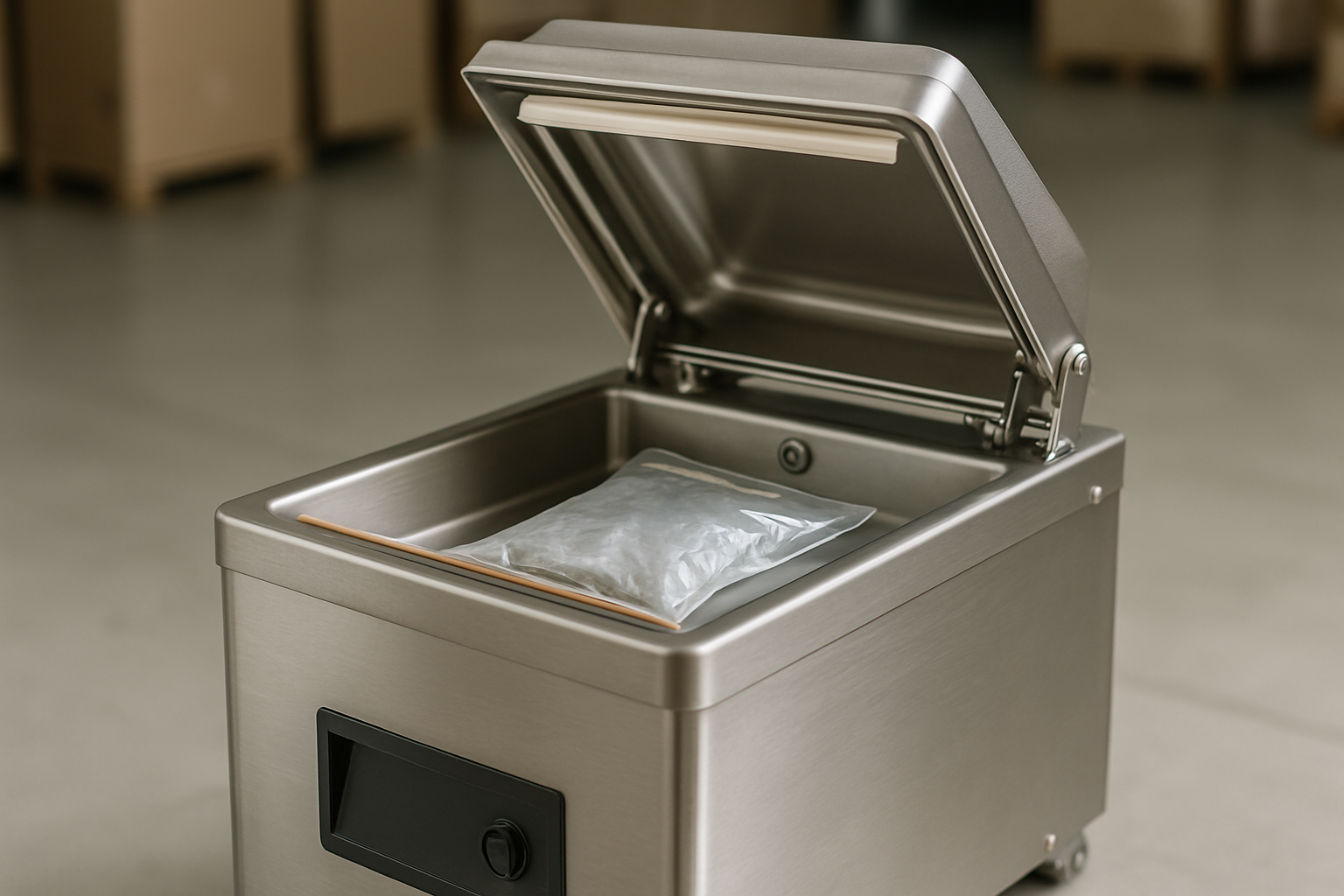
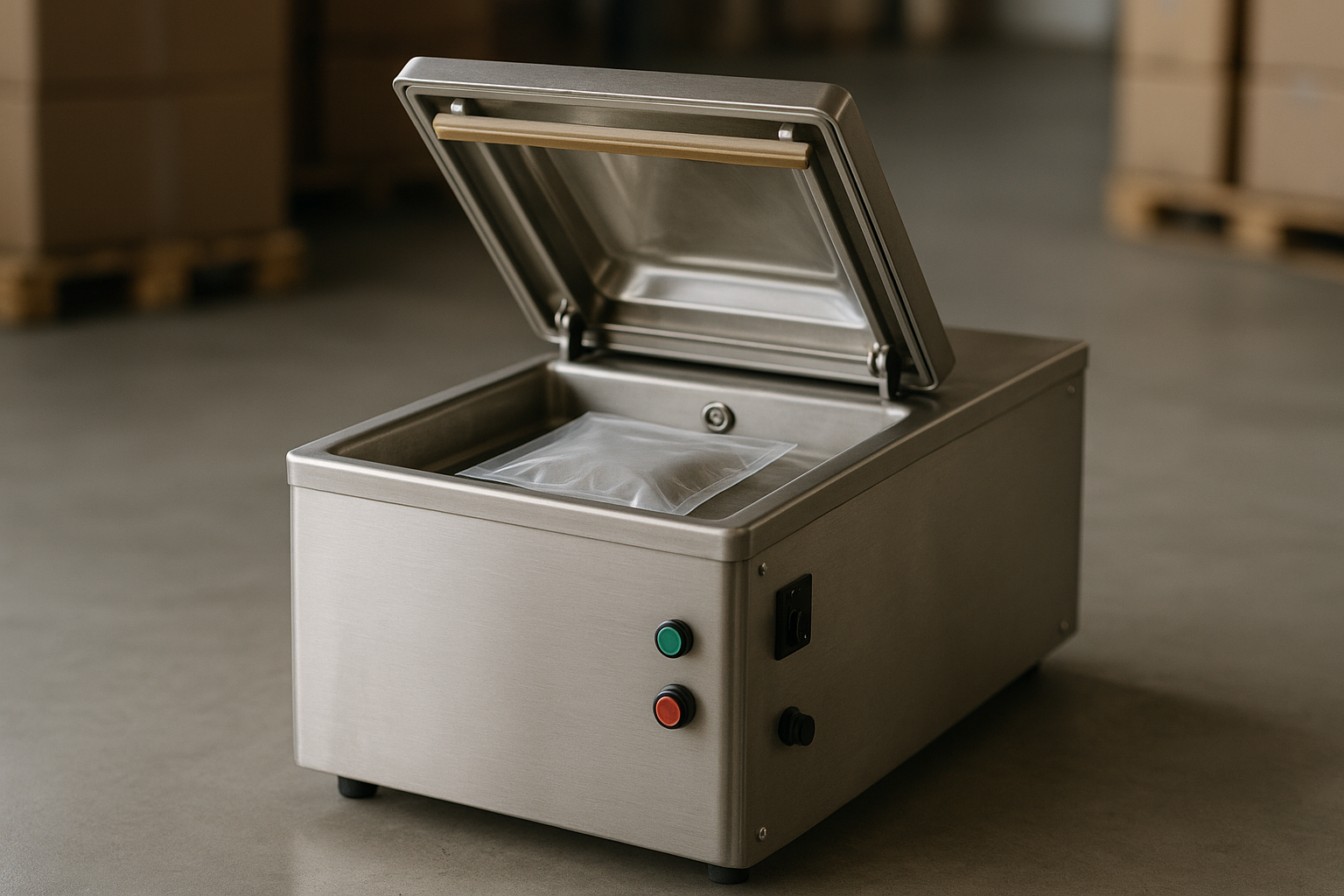
How And When To File ISF For Vacuum Packing Machines
? Do you want to know how and when to file ISF for vacuum packing machines so your shipment moves without trouble?
What is ISF and why it matters to you
ISF stands for Importer Security Filing. It is a list of details that you must give to U.S. Customs and Border Protection (CBP) for ocean shipments headed to the United States. This list helps customs know what is coming and who is bringing it in. When you are importing a vacuum packing machine, ISF helps protect the supply chain and lets your goods clear ports faster if done right.
Who must file the ISF
You, as the importer of record, are responsible for filing the ISF. If you hire a customs broker, they can file it for you, but the job is still yours. This means you need to make sure the information is correct and filed on time. If you don’t file, or file wrong, you can get fines and delays.
When to file ISF for vacuum packing machines
You need to file the ISF at least 24 hours before the cargo is loaded onto the vessel that will sail to the U.S. This is called the 24-hour rule. You must send the ISF early enough so customs gets it before the ship leaves the foreign port. If the ship delays or the loading changes, you may need to update the ISF.
What counts as “24 hours before loading”
“Loading” means when the first ocean carrier puts any part of your container or cargo on the vessel. You should file before that moment. If the carrier changes the loading plan, the ISF may need correction.
What details you must include for a vacuum packing machine
You must provide ten key data elements for an ISF. These are simple facts about the shipment. They include who is bringing the goods, who sent them, and where they will go. For a vacuum packing machine, add details that show what the machine is and where it belongs.
- Importer of record (your name and address)
- Consignee or buyer name and address
- Seller (exporter) name and address
- Buyer (if different) name and address
- Manufacturer name and address (who made the machine)
- Country of origin (where the machine was made)
- Harmonized Tariff Schedule (HTS) number (the code for the machine)
- Container stuffing location (where the cargo was put into the container)
- Consolidator (if used) name and address
- Bill of lading number (the ship’s paperwork number)
Make sure each of these is correct. If any is wrong, CBP might delay your machine or give you a fine.
How to find the HTS number for your vacuum packing machine
The HTS number is a code that tells customs what the product is. You can look up HTS codes online, ask your supplier, or ask your customs broker. Pick the code that best matches vacuum packing machines, such as machinery for packaging, and include the correct digits. If you use the wrong HTS, you might pay the wrong duty or face a hold.
Step-by-step process to file ISF
Here is a simple step-by-step list to help you file ISF for your vacuum packing machine:
- Gather information early. Get all ten data elements from your seller and freight forwarder.
- Decide who will file. You can file yourself or hire a broker or forwarder to submit the ISF.
- Prepare the ISF form or electronic submission. Use the CBP-approved channel or your broker’s system.
- Submit at least 24 hours before loading. Make sure the submission reaches CBP in time.
- Monitor confirmation. You will get a response that the ISF is accepted or rejected.
- Correct errors quickly. If CBP asks for corrections, fix them right away and resubmit.
- Keep records for five years. Save all ISF filings and related documents.
Following these steps helps your shipment go through customs smoothly and avoids penalties.
Common mistakes and how you can avoid them
Here are mistakes importers make and simple ways for you to avoid them:
- Wrong HTS code. Ask your broker or use an HS lookup tool.
- Missing manufacturer or country of origin. Confirm with your seller in writing.
- Late filing. Set reminders and get documents well before the shipment date.
- Incorrect bill of lading number. Use the correct number from the carrier.
- Typos in names or addresses. Double-check spellings and addresses.
By checking each item twice, you lower the chance of trouble.
Edge cases and special situations to watch for
Sometimes shipments have odd details. Here is how to handle those situations:
- Multiple manufacturers: List the manufacturer for each part if the machine has major parts made in different places.
- Used machines: You still file ISF and provide the country of origin and HTS, but you may also need to note that the item is used.
- Split shipments: If your vacuum packing machine comes in multiple containers, either file one ISF per bill of lading or follow your carrier’s instruction for multiple containers.
- Repacked goods: If the exporter repacks the machine into different containers after the original loading, update the ISF to show the new stuffing location.
- Missing data: Don’t guess. If you don’t have a piece of required information, ask the seller or freight forwarder right away.
What happens when the ISF is rejected
If CBP rejects your ISF, they will send a message with the reason. You must fix the problem and resubmit. If you wait too long, customs can stop the shipment from entering, or they can penalize you. Always watch for acceptance messages and act quickly on rejections.
Penalties for late or missing ISF filings
If you miss the ISF deadline, you may face monetary fines and shipment delays. For repeated problems, CBP can give larger fines or require extra checks on your shipments. Save yourself time and money by filing on time and keeping accurate records.
How a customs broker or forwarder can help
A customs broker or freight forwarder can file the ISF for you. They often have systems that talk directly with CBP and can handle corrections fast. Use a broker who knows machinery imports and who is clear about fees and responsibilities. When you hire one, write down who will do what so you both know the plan.
Documents to keep with your ISF filing
Keep these documents safe. They help prove your ISF was correct:
- Contract or purchase order for the machine
- Commercial invoice from the seller
- Packing list showing parts and weights
- Bill of lading and shipping instructions
- Manufacturer certificates or origin documents
- Any emails that confirm details like manufacturer or stuffing location
You should keep files for five years in case customs asks for proof.
Tips that make filing easier for you
Here are simple tips you can use:
- Ask your seller for the machine’s manufacturer info and HTS code before the ship is loaded.
- Use a checklist to confirm the 10 data elements.
- Save common phrases (like seller name) in your system to reduce typos.
- Use an established customs broker for first-time imports.
- Build a timeline from purchase to shipment and mark the ISF 24-hour deadline.
These small steps help prevent big problems.
How to handle updates and corrections
If something changes after you file ISF, such as a different bill of lading number or a different container stuffing location, you must submit a corrected ISF. Your broker usually can send corrections quickly. Keep your records showing when and why you made corrections.
How ISF links to your overall clearance process
ISF is one step in the chain of customs clearance. After ISF, the carrier sends the cargo details and the bill of lading to CBP. CBP may release the cargo if all documents match and no risks are found. If CBP wants to inspect the machine, they will hold it for examination. The ISF helps customs decide which shipments need checks.
What to do if customs inspects your vacuum packing machine
If CBP inspects, you may need to provide documents and allow the physical inspection. Keep paperwork ready so you can show the invoice, manufacturer certificate, and test results if needed. If parts are sealed, be prepared for an inspector to open them. Inspections may take time and cost money, so good ISF accuracy reduces this risk.
How to plan timing with shipping partners
Talk with your carrier and forwarder about the loading date. Ask them to confirm when the container will be stuffed and when it will be loaded. Then set the ISF filing at least 24 hours before that moment. Make sure everyone knows who files ISF so the filing is not missed.
What if your vacuum packing machine is air shipped or trucked instead
ISF is only required for ocean shipments entering the U.S. If your machine comes by air or by truck from Canada or Mexico, ISF is not required. But those shipments still need other customs forms. Confirm with your customs broker what rules apply for the mode of transport you choose.
How much does ISF filing cost you
Costs vary. If you file yourself, there is no CBP fee for ISF, but you must pay your broker or forwarder if they file for you. Brokers charge filing fees for their service. Ask for a clear price before you hire someone so you know what the total shipping cost will be.
Record keeping and audits
CBP can ask to see records for up to five years. Keep copies of ISF filings, invoices, bills of lading, and communications with your seller and broker. If you keep your files organized and complete, you will make audits easy and reduce stress.
Want to improve your ISF success rate
You can make ISF filing stronger by standardizing how you collect seller information, having templates for required data, and training your team on ISF rules. When everyone knows the list of ten elements and the filing timeline, you will file correctly and avoid delays.
When you should get help from experts
Get help when you import a complex machine with parts from many countries, when you are unsure about HTS codes, or when the shipment is urgent. A good customs broker can spot problems early and save you time and money. If you face a penalty or a customs hold, professional help is smart.
Final checklist before loading your vacuum packing machine
Before the container is loaded, check this list to make sure your ISF is ready:
- All ten ISF data elements collected and accurate
- Correct HTS code verified
- Manufacturer and country of origin confirmed
- Bill of lading number reserved or confirmed
- Filing party assigned (you or a broker)
- ISF submitted at least 24 hours before loading
- Confirmation of acceptance from CBP received
- Records stored for future review
Follow this checklist and your machine should move smoothly.
How this ties to final delivery and local services
After the machine clears customs, it still needs trucking, unloading, and possibly local permits. Work with your freight forwarder and carriers to book final delivery. Some vendors offer bundled services like ISF Filing, Bond, Clearance, and Trucking Support to handle the whole process for you. If you use a bundle, make sure you understand fees and which tasks they cover.
Short recap for you
You must file ISF at least 24 hours before your vacuum packing machine is loaded on a ship to the U.S. Provide ten specific data elements correctly, keep good records, and get help if you need it. Doing this right helps your machine arrive without delays.
If you want more detail about a specific part of this process—like picking an HTS code, choosing a broker, or handling inspections—ask and I will explain it in a simple way.
Who File ISF For Hair Claws
?Are you unsure who should file the Importer Security Filing (ISF) when you import hair claws into the United States and what steps you must take to stay compliant?

Understanding the ISF requirement and why it matters for hair claws
You’re bringing small fashion accessories — hair claws — into the U.S., and the ISF (Importer Security Filing) requirement may feel like an extra layer of complexity. The ISF is designed to secure the U.S. supply chain by collecting advance cargo information before goods ship to the United States by vessel. Because hair claws are consumer goods that often move in consolidated containers and through complex supply chains, you need to know who is responsible for filing, what data elements are required, timing rules, exceptions, and how to manage common edge cases.
What is ISF and who is the importer of record?
ISF is a U.S. Customs and Border Protection (CBP) advance filing that must be submitted for ocean cargo at least 24 hours before the cargo is loaded onto a vessel bound for the U.S. The filing collects specific elements about the shipment, seller, buyer, consignee, manufacturer, container stuffing location, and more. Typically, the importer of record (the party legally responsible for the import and payment of duties) is the one required to ensure the ISF is filed. That could be you if you’re the importer of record, or it could be your customs broker, freight forwarder, or an authorized agent acting on your behalf.
Key players who commonly file ISF for hair claws
- You as the importer of record: If you are the legal importer, you can file the ISF or direct an agent to file on your behalf. You remain accountable for the information’s accuracy.
- Your customs broker: Many importers authorize brokers to file ISF because brokers have the systems and experience to meet timing and data requirements.
- Freight forwarders or NVOCCs: These agents often manage ISF filings when they control the logistics and movement of containers.
- Sellers or foreign suppliers: In rare cases, sellers or manufacturers may offer to file the ISF; you should only accept this if you have confirmed they will file accurate data and accept responsibility, or they’ll file under an authorized agent arrangement.
Required ISF data elements you must gather
You need ten mandatory carrier-side elements and two additional ones commonly called the “10+2.” Collecting accurate data early will reduce late filings and amendments.
The 10 mandatory elements you must provide
You should be able to supply the following:
- Seller (owner of the goods prior to shipment)
- Buyer (owner of the goods after shipment)
- Importer of record number / consignee number
- Consignee or notify party
- Country of origin (for each commodity)
- HTSUS/HS Tariff Number (or best estimate if not final)
- Container stuffing location (where the container was packed)
- Consolidator (entity who arranged the consolidation)
- Vessel name and voyage number
- Other party information as required
The “+2” (carrier) elements
Carriers must provide:
- Vessel stow plan and container status messages (carrier responsibility)
- Bill of lading number (usually provided by carrier)
You must coordinate with carriers and brokers to ensure these are captured and submitted accurately.
Timing, submission methods, and who signs off
You must submit ISF at least 24 hours before the cargo is loaded on the vessel at the foreign port. If you don’t meet this timing, you risk penalties or denied loading.
How you submit ISF
- Through your customs broker or forwarder using their automated systems.
- Directly via the Automated Broker Interface (ABI) if you have the technical capability and are an approved filer.
- Via a service provider’s portal or API if you’ve contracted ISF filing as a service.
Who signs off and is responsible
Even when an agent files on your behalf, you remain responsible as the importer of record for ensuring the information is correct. Make sure you have a written agreement with any agent outlining responsibilities and liability for errors and late filings.
Step-by-step process for ISF filing when importing hair claws
You can think of the ISF process as a workflow you must complete every time you import. Below is a start-to-finish framework you can follow.
Step 1 — Gather complete shipment information as early as possible
Ask your supplier for key data (seller, shipper, country of origin, HS classification, container stuffing location). If hair claws are assembled/finished abroad, verify the manufacturer and supplier information.
Step 2 — Confirm importer of record and consignee codes
If you use a customs broker, provide your IRS EIN or CBP-assigned importer number and make sure consignee or “notify party” details match your business records.
Step 3 — Coordinate with your freight forwarder and carrier
Confirm vessel name, voyage number, and expected loading date. If your cargo will be consolidated (LCL), identify the consolidator and confirm the stuffing location.
Step 4 — File the ISF at least 24 hours before loading
Have the filer (your broker or forwarder) submit the ISF to CBP. Monitor the submission for acceptance or rejection messages, and correct any errors immediately.
Step 5 — Track container status and manage the arrival process
Once at the U.S. port, verify container arrivals, manifest data, and whether the port has additional local requirements. Coordinate inland trucking and delivery.
Step 6 — Handle post-arrival tasks: customs clearance and release
Work with your customs broker to clear the goods, pay duties and taxes, and schedule pickup. If CBP requires inspection, be ready to provide packaging, sampling, and testing information for hair claws (materials, chemical tests if applicable).

Common edge cases and how to handle them
Importing small goods like hair claws introduces typical edge cases. Here’s how you can manage them proactively.
Consolidated shipments and multiple suppliers
If your container is consolidated with multiple sellers or suppliers:
- Ensure the consolidator’s details are accurately reported in the ISF.
- Provide separate HS classifications and country-of-origin info for each SKU.
- Confirm how your supplier will identify your goods on packing lists and commercial invoices so the broker files correctly.
Split shipments and partial container loads
When goods are split across containers or shipments:
- File separate ISFs when the cargo information differs by vessel, container, or stuffing location.
- Keep detailed internal records tying each PO to a specific container and ISF reference number.
Changes after filing (amendments)
If information changes (e.g., vessel voyage, container number, or consignee), you must file an ISF amendment. Amendments are allowed but repeated or late amendments can trigger audits or penalties. Make amendments promptly and document reasons for changes.
Express shipments and mail
Express carriers and mail shipments follow different rules; often, ISF is required for ocean vessel cargo only. If your hair claws arrive by air or courier, consult your broker on alternate arrival reporting obligations.
When the supplier offers to file ISF for you
If the foreign supplier offers to file the ISF:
- Confirm whether they’ll file on behalf of the importer of record and whether they’ll use your importer number.
- Obtain written confirmation that they will submit accurate information and accept responsibility for the filing.
- It’s safest to have your customs broker control the filing even if you accept supplier assistance.
Compliance risks, penalties, and how to mitigate them
CBP enforces strict ISF regulations. Non-compliance can result in civil penalties, delays, or cargo being denied loading.
Typical penalties and consequences
- Failure to file ISF or filing late can result in penalties up to several thousand dollars per violation.
- False or inaccurate filings can result in fines, cargo holds, or forensic audits.
- Repeated non-compliance can lead to higher scrutiny, longer clearance times, and increased inspections.
Practical mitigation strategies
- Build standard operating procedures (SOPs) that specify who collects and enters ISF data.
- Use checklists for each shipment to validate country of origin, HS classification, and party details.
- Keep digital copies of invoices, purchase orders, packing lists, and communications to evidence data provenance.
- Maintain an audit trail for every ISF submission and amendment.
- Use bonded warehouses, ISF paid entries, and consult with customs counsel for complex shipments.
Documentation and recordkeeping you must maintain
CBP requires importers to retain import documentation for five years. You should keep:
- Commercial invoices
- Packing lists and bills of lading
- ISF submission acknowledgements and confirmations
- Amended filings and explanations
- Correspondence with carriers and suppliers
How classification and country of origin affect your ISF and customs clearance
HS classification and country of origin influence duty rates, quota eligibility, and potential labelling or safety requirements. For hair claws, material composition (metal, plastic, coated metal, coatings containing restricted substances) may also trigger additional compliance needs like chemical content declarations, flammability or toy regulations (if marketed for children), or labelling.
Practical steps
- Get accurate HTSUS numbers from your customs broker or classification specialist.
- Confirm material composition and manufacturer declarations of origin.
- Address any product safety or chemical testing requirements up front.
When to get a customs broker and what to expect from them
A competent broker reduces your compliance risk and handles ISF filings efficiently. When choosing a broker, look for:
- Experience with consumer accessories and small goods.
- Transparent ISF filing processes and SLA (service level agreements) for timing and error handling.
- Clear fee structures and liability terms.
- Access to real-time filing confirmations and status updates.
Self-filing vs using a service provider
You can file ISF yourself if you have direct ABI access and the technical capacity. However, most importers find brokers and trusted forwarders more efficient. If you use a third party, ensure you have a written agreement that clarifies filing responsibilities and indemnification for errors.
Best practices checklist for importing hair claws
- Confirm importer of record and who will sign ISF.
- Collect full supplier, manufacturer, and packaging info well ahead of shipment.
- Classify products correctly and get HS codes in writing.
- Ensure the consolidator and container stuffing location are clearly documented.
- Authorize a trusted broker or forwarder to file and monitor ISF acknowledgements.
- Keep records for five years and have SOPs for amendments.
- Monitor arrival times, inspections, and any CBP correspondence.
Final compliance tips and practical advice
You deserve a predictable clearance process for your hair claws. Treat ISF filing as an integral part of the procurement and logistics timeline — not an afterthought. Communicate expectations clearly with suppliers and partners, verify data early, and use experienced brokers who provide transparent reporting and fast corrections. If you maintain robust documentation, proactive communication, and standardized procedures, you’ll reduce the risk of fines and delays and keep your product flow steady.
If you’d like, you can request a simple checklist or sample email template to send to suppliers and brokers to gather the required ISF information in a timely manner. That will help you reduce last-minute problems and keep your imports moving smoothly.
Note: For related services that can handle multiple aspects of your import process, including ISF Filing, Bond, Clearance, and Trucking Support, talk to a licensed customs broker who can offer a bundled service tailored to small consumer goods like hair claws.
Do I Have To File ISF For Frame Mouldings
?Are you wondering whether you need to file an Importer Security Filing (ISF) when importing frame mouldings into the United States, and what that process really means for your shipment?

Do I Have To File ISF For Frame Mouldings: Quick answer
You probably do need to file an ISF if your frame mouldings arrive by vessel into a U.S. port. The ISF requirement generally applies to ocean imports and is meant to give U.S. Customs and Border Protection (CBP) advanced information about cargo. If you’re acting as the importer of record or your supplier designates you as the importer, the obligation typically falls on you or your authorized agent to submit the ISF timely.
What ISF means and why it matters to you
ISF stands for Importer Security Filing. It’s a declaration submitted to CBP before your ocean shipment reaches the U.S., intended to improve maritime supply chain security. For you, this isn’t just a bureaucratic step — non-compliance can lead to hefty penalties, cargo delays, or even seizure. Filing accurately helps ensure smoother release of your frame mouldings and better predictability for downstream logistics.
Who is considered the importer and who files the ISF
You are the importer of record if you’re the party responsible for bringing goods into the U.S. That responsibility might be explicitly stated in your purchase agreement or assigned by customs law. If you act as the importer, you’re responsible for ISF unless you appoint an authorized customs broker or agent to file on your behalf. Even when someone files as your agent, you remain accountable for accuracy.
Common scenarios made clearer
- If your supplier (seller/exporter) is designated as the importer, they must ensure an ISF is filed.
- If you purchase CIF or DDP and the contract places import responsibility on you, then you file.
- If you engage a customs broker, confirm they will submit the ISF and verify the data before filing.

Which goods require ISF: are frame mouldings included?
ISF generally applies to ocean cargo imports, not by commodity type. Thus, frame mouldings — whether wooden, metal, or composite — are subject to ISF if they arrive via ocean vessel. There are some exemptions (e.g., in-bond shipments under certain circumstances, household goods arriving as personal effects, or goods entering via other modes), but typical commercial shipments of frame mouldings require ISF.
What information is required on an ISF and how it applies to frame mouldings
You must supply specific data elements for the ISF. These include manufacturer details, seller, buyer, importer of record, consignee, country of origin, and the HTSUS (Harmonized Tariff Schedule) classification. For frame mouldings you’ll need to gather accurate descriptions, quantities, weights, and the correct HTS classification to avoid misclassification issues that can delay clearance.
Required ISF data elements (what you should collect)
- Manufacturer name and address (where the mouldings are produced)
- Seller name and address
- Buyer name and address
- Importer of record name and address
- Consignee/stated party to be notified at arrival
- Country of origin for the mouldings
- Harmonized Tariff Schedule (HTS) number(s) and description
- Container stuffing location (where cargo was loaded into the container)
- Consolidator name and address (if applicable)
- Bill of Lading number and vessel voyage details
Timing: when you must file the ISF
CBP requires the ISF to be filed no later than 24 hours before the cargo is loaded onto the vessel at the foreign port. For you, that means coordinating with suppliers, forwarders, and carriers well ahead of vessel departure to ensure all necessary details are available and correct.
Practical timing tips
- Start collecting manufacturer and product details at purchase order stage.
- Confirm container stuffing location and consolidator details as soon as they’re known.
- If information changes after filing, file an ISF amendment promptly.

How to file: options and best practices
You can file through a licensed customs broker, a freight forwarder, or electronically via CBP-approved software if you are authorized. Many importers use brokers for simplicity and to reduce risk. If you file yourself, ensure you have access to the Automated Broker Interface (ABI) or an approved electronic filing method.
Best practices for your ISF filing process
- Use a written checklist to gather all eight required ISF data elements.
- Confirm HTS numbers and product descriptions before filing.
- Keep documentation and communications with suppliers in a centralized location.
- Use a trusted broker or provider if you lack internal customs expertise.
Compliance risks and penalty exposure
Non-compliance with ISF requirements can lead to civil penalties, and CBP can issue fines of up to several thousand dollars per violation depending on circumstances. In addition, failures often result in cargo holds, which add storage and demurrage fees—significant costs for frame mouldings where margins may be tight.
Examples of common violations
- Missing or inaccurate manufacturer address
- Late filing (after the 24-hour before loading deadline)
- Incorrect HTS classification or country of origin declarations
Edge cases you should be aware of
There are several situations that can complicate ISF obligations for frame mouldings:
- Mixed shipments: If your container holds multiple commodities, you still need to include all appropriate details for each shipment line.
- Drop-shipping from a third-country manufacturer to the U.S. with you as buyer: ISF still applies and accurate manufacturer details must be provided.
- Transshipments: If your goods are transshipped through an intermediate port, you may still need to file depending on the final vessel and routing.
- In-bond entries: Certain in-bond movements can be exempt, but you must meet strict conditions and paperwork; speak with your broker before assuming exemption.

Practical example: filing for wooden frame mouldings
Imagine you import wooden frame mouldings from a manufacturer in Vietnam to New York. To meet ISF requirements you would:
- Identify the Vietnamese manufacturer’s full name and address.
- Confirm seller and buyer information as stated in your contract.
- Provide the HTS classification for wooden mouldings (ensure the correct subheading).
- Provide the container stuffing location (factory location or consolidation warehouse).
- Provide the bill of lading and voyage information as soon as available.
- File the ISF no later than 24 hours before the vessel’s departure from the foreign port.
How to handle amendments and corrections
Mistakes happen. If you identify an error after filing, amend the ISF immediately. Timely corrections reduce the chance of penalties or holds. Track amendment confirmations and keep a record of changes and communications.
Documentation and records you should keep
Maintain records for at least five years, as CBP can audit ISF filings. Keep purchase orders, bills of lading, invoices, packing lists, and communications regarding manufacturer and seller information.
Working with service providers: what to ask and verify
When you engage a customs broker, freight forwarder, or a provider offering ISF assistance, verify the scope:
- Will they file the ISF on your behalf, and do they accept liability for filing errors?
- What data they require from you and when.
- Their process for amendments and for responding to CBP inquiries.
- Whether their service covers related logistics such as ISF Filing, Bond, Clearance, and Trucking Support (this combination can simplify your end-to-end process).
Cost considerations and operational impact
Filing ISF is relatively low in direct fees but can have indirect costs from penalties, delays, and administrative overhead. Budget for broker fees, potential amendment charges, and time to gather accurate information. If you handle a high volume of shipments, consider integrating ISF procedures into your procurement and logistics workflows to reduce last-minute scramble.
Fresh perspective: proactive compliance as a business advantage
Treating ISF as a compliance necessity rather than merely an administrative burden can improve your supply chain reliability. When you collect ISF data early in your sourcing process, you reduce delays, improve predictability, and can better plan inventory and customer commitments. That proactive mindset often reduces costs and preserves customer trust when shipments are time-sensitive.
Checklist: start-to-finish process you can follow today
- Confirm whether your shipment is ocean-bound to a U.S. port.
- Determine who is importer of record and who will file the ISF.
- Gather all required ISF data elements: manufacturer, seller, buyer, importer, consignee, country of origin, HTS, container stuffing location, consolidator, B/L and voyage details.
- File the ISF no later than 24 hours before vessel loading and verify confirmation.
- Monitor for any required amendments and submit promptly if needed.
- Keep records for at least five years and audit internal processes periodically.
Common questions you might still have
- What if the supplier won’t provide manufacturer details? If a supplier resists, escalate contractual requirements and consider withholding shipment until proper data is provided. A broker can sometimes assist with supplier engagement.
- Can I delegate filing to a freight forwarder? Yes, but ensure you have written confirmation of who files and how they will ensure accuracy.
- Are wood-specific rules relevant? Wooden goods may be subject to phytosanitary requirements; ensure compliance with USDA/APHIS if applicable, in addition to ISF.
Final compliance tips to protect your shipment of frame mouldings
- Start collecting ISF-required details at the time of purchase.
- Use structured data templates to capture manufacturer, HTS, and stuffing location consistently.
- Choose experienced customs brokers and confirm their processes.
- Keep clear audit trails for any ISF amendments or communications with CBP.
- Factor potential delays into lead times and logistics plans.
If you need assistance
If you feel uncertain about filing properly or need verification of classification and origin, consult a licensed customs broker or an import compliance specialist. They can help you avoid delays, reduce risk, and ensure your frame mouldings clear customs smoothly.
You’re not alone in this — by organizing information early, working with reliable partners, and following the checklist above, you’ll reduce stress and keep your imports moving efficiently.
When To File ISF For Tobacco Processing Machinery
?Are you confident you know exactly when to file your ISF for tobacco processing machinery shipments to the United States?
When To File ISF For Tobacco Processing Machinery
This article explains when you must submit the Importer Security Filing (ISF) for tobacco processing machinery, what information is required, common pitfalls, and practical compliance measures. You’ll find guidance that covers the start-to-finish process, edge cases, and tips to avoid fines or delays.

What is an ISF and why it matters for tobacco machinery
An ISF is a U.S. Customs and Border Protection (CBP) requirement for ocean shipments arriving in the United States. You must submit certain data elements before the cargo is loaded at the foreign port so CBP can perform risk assessments. When your shipment involves tobacco processing machinery, the stakes are higher because the product category may trigger additional scrutiny related to excise taxes, regulatory permits, and licensing.
Who must file the ISF
You, as the importer of record or your authorized agent (like a customs broker), are responsible for filing the ISF. If you contract a freight forwarder or agent to manage filings, make sure you maintain clear responsibility for accuracy and timing. CBP can assess penalties against the importer even when an agent submitted the filing.
Timing: When to submit the ISF
You must submit the ISF at least 24 hours before the cargo is loaded onto the vessel at the foreign port. For shipments from certain countries or where the vessel is a U.S.-bound feeder, additional timing nuances may apply. The 24-hour requirement is the standard, but you need to confirm the vessel departure and ensure your submission is accepted by CBP in advance.
- Submit the ISF no later than 24 hours prior to vessel departure from the last foreign port.
- If the shipment is transshipped or moved via a bonded carrier, verify whether the primary vessel or feeder rules change the filing timeline.
- If the cargo is coming via a container on a vessel that will call multiple foreign ports, the 24-hour window applies relative to when the container is loaded.
Core ISF data elements you must provide
The ISF requires 10 core data elements. For tobacco processing machinery, pay special attention to the commodity description and manufacturer details because these can influence classification, permits, and whether CBP refers the shipment to other agencies.
Key data elements include:
- Importer of record number (IRS or EIN)
- Consignee and notify party
- Seller, buyer, and ship-to party
- Manufacturer name and country
- Country of origin
- Bill of lading number
- Container stuffing location and consolidator (if applicable)
- Container number and seal (if known at filing)
Make sure each field is accurate. Incomplete or incorrect data often leads to an ISF “additional information” request or hold.
Specific considerations for tobacco processing machinery shipments
Tobacco-related equipment can attract more scrutiny from CBP, the Food and Drug Administration (FDA), Alcohol and Tobacco Tax and Trade Bureau (TTB), or other regulatory bodies depending on the equipment use and the product it will process.
- Provide a precise commodity description: “industrial tobacco processing machinery — model X — for cigarette manufacturing” is better than “machinery.”
- Include manufacturer details: Many checks rely on manufacturer origin to determine country of origin and possible anti-dumping or quota issues.
- Indicate whether parts are included: Complete machines versus spare parts have different classifications and possible permit requirements.
- Note intended end-use and whether the machinery will be used for nicotine-containing products, which may require coordination with other agencies.
Filing workflow and who does what
A clear user journey helps avoid missed deadlines. Typical steps you should follow:
- Contract negotiation and sale: Obtain all product, manufacturer, and trade details.
- Freight booking: Confirm vessel and port of loading dates.
- Document collection: Gather invoices, packing lists, manufacturer statements, and certificates.
- ISF preparation: Either you or your broker prepares the ISF using the 10 required data elements.
- ISF submission: File at least 24 hours before vessel loading. Receive an acceptance code or rejection from CBP.
- Pre-arrival coordination: Arrange for any permits, licenses, or inspections.
- Arrival and clearance: Work with customs broker to clear cargo after vessel arrival.
- Inland delivery: Coordinate trucking, drayage, or intermodal movement.
Common error scenarios and edge cases
Certain situations frequently cause ISF complications. You should anticipate these and plan mitigations.
- Late or missing manufacturer data: If manufacturer name or country isn’t provided in time, request an MFN statement from your vendor or temporarily delay loading until the info is available.
- Consolidated shipments: If multiple shippers are consolidated, ensure the consolidator name and container stuffing location are accurate.
- Split shipments: If one container contains multiple consignments, create separate ISFs or include appropriate party data to reflect each consignment accurately.
- Transshipments and feeder vessels: Confirm vessel details because filing must be tied to the vessel carrying the container from the foreign port to the U.S.
- Bill of lading changes: If the BL number changes after filing, update the ISF immediately to avoid mismatches noted at U.S. arrival.

Penalties and consequences for late or incorrect ISF
CBP imposes penalties for failure to submit timely and accurate ISFs. Civil penalties vary depending on the severity, and repeated violations increase enforcement likelihood.
- Late filing: Fines may apply for missing the 24-hour deadline.
- Inaccurate filing: Misstated manufacturer or country of origin can lead to fines and holds.
- No filing: If no ISF is filed, CBP may require the cargo to remain on the vessel or subject it to secondary inspection.
Beyond fines, noncompliance can lead to:
- Release delays
- Increased inspections for future shipments
- Denied entry until discrepancies are resolved
How to prepare your documentation to ensure a smooth ISF
Document quality and organization are central to ISF compliance. You should create a checklist to confirm that you have everything needed before filing.
Essential documents to have:
- Commercial invoice with detailed commodity description
- Packing list showing containers and content breakdown
- Purchase order and contract terms
- Manufacturer’s declaration or supplier statement
- Bill of lading and booking confirmations
Create standardized templates for repeated shipments of similar machinery to reduce manual errors. Use digital document storage so you can quickly retrieve manufacturer certifications and origin statements.
Role of customs brokers and service providers
A licensed customs broker often handles ISF submissions on your behalf, and working with an experienced broker reduces risk. When selecting a broker, verify their experience with tobacco-related equipment and ask about audit trails and filing error rates.
If you rely on 3PLs, freight forwarders, or import logistics providers, ensure contract terms specify responsibilities for ISF accuracy, who is the importer of record, and how discrepancies will be handled.
Note: some service providers advertise packages that include ISF submissions along with other services. Make sure you read the service descriptions carefully to know who is legally responsible for filings.
Compliance tips and best practices
To minimize compliance risk, apply these recommendations:
- Start early: Collect manufacturer and shipment details well ahead of vessel loading.
- Use standardized descriptions: Maintain a consistent, precise commodity description format.
- Automate where possible: Digital ISF filing systems reduce typos and speed submissions.
- Verify parties: Ensure EIN/IRS numbers and consignee details are accurate.
- Track acceptance: Confirm CBP acceptance and store acknowledgement for audit purposes.
- Prepare for inspections: Have technical manuals and manufacturer declarations ready if CBP references another agency.
- Keep records: CBP requires retention of relevant records—maintain them for the period required by law.
Special compliance for tobacco-related products
Because tobacco products and manufacturing equipment can be regulated by other U.S. agencies, you should:
- Check TTB requirements for machinery used to process alcohol or tobacco analogs.
- Reach out to FDA if the machinery touches consumable or biologically active components that could fall under their jurisdiction.
- Ensure any required permits or licenses are procured before arrival to prevent detention or seizure.
Handling corrections and post-arrival amendments
If you discover an error after filing, you should correct the ISF as soon as possible. CBP allows certain amendments, but the ability to change fields depends on the timing and the nature of the modification.
- Immediately submit an amendment for incorrect manufacturer or consignee data.
- If your amendment is after arrival, coordinate with your customs broker to explain and document the reason.
- For major changes (e.g., vessel or container reassignment), contact CBP or your broker to manage the correction and document communications.
Practical scenarios and user journey examples
Here are a few realistic examples that show how timing and detail affect filing.
Example 1 — Standard import of machinery:
- You buy a completed tobacco processing machine from a manufacturer in Country A.
- You book ocean freight and receive a confirmed vessel sailing in 10 days.
- You collect manufacturer name, country, and serial number; your broker files the ISF 48 hours before loading.
- CBP accepts the ISF; you receive documentation confirming acceptance.
- Machine arrives and clears with routine checks.
Example 2 — Consolidated parts shipment:
- You import spare parts from multiple suppliers consolidated into one container.
- The consolidator provides container stuffing location and consolidator number.
- You provide a detailed parts list and supplier names so the ISF accurately reflects multiple manufacturers.
- You coordinate with the consolidator to ensure the ISF contains correct party data.
Example 3 — Transshipment via feeder vessel:
- Your container is loaded on a feeder vessel in a regional port and later transshipped to the main vessel.
- The ISF must reference the vessel that carries the container to the U.S. Verify the carrier’s instructions and file with the correct voyage and vessel identifiers.
Edge cases to watch for
A few less common situations require extra attention:
- Reverse logistics: If you return or repair tobacco machinery in the U.S. and re-export, verify whether an ISF is required on re-import.
- Temporary imports: Temporary importation under bond for demonstration or trade shows may have different filing and bond requirements.
- Imports via U.S. territories: Different rules may apply if the port of arrival is in Puerto Rico or Guam—confirm local procedures.
How to reduce risk of detention or delays
Implement a compliance framework that includes pre-shipment checks, training for procurement and logistics staff, and routine audits.
- Pre-shipment audit: Review documentation before booking shipping space.
- Training: Educate vendors and internal teams about manufacturer data requirements.
- Audit trail: Keep records of communications, ISF acceptance notices, and invoices.
- Contingency planning: Have backup suppliers of documentation and a rapid-response plan for amendments.
Final checklist before filing
Use this practical checklist to ensure you’re ready to file:
- Confirm vessel and loading date.
- Secure manufacturer name, model, and country of origin.
- Obtain importer of record number and consignee details.
- Collect packing list and bill of lading.
- Validate container numbers and seal information.
- Ensure broker contact and responsibilities are agreed.
- File ISF at least 24 hours before loading and confirm CBP acceptance.
Closing thoughts and next steps
By understanding the ISF requirements specific to tobacco processing machinery and building strong operational processes, you reduce the risk of fines, delays, and reputational harm. Make accurate, timely filings a routine part of your import workflow and partner with experienced brokers or providers when necessary. If you need a managed solution, look for providers that can offer a full-service blend of ISF submission, licensing checks, and cargo coordination like ISF Filing, Bond, Clearance, and Trucking Support — but confirm responsibilities and liabilities in writing before you sign up.
When To File ISF For Used Beauty Care
?Are you confident about when to file your ISF for used beauty care products so your shipment clears U.S. customs without delays or penalties?
When To File ISF For Used Beauty Care
You need clarity on timing and accuracy when importing used beauty care products because cosmetics and personal care items have specific labeling, safety, and admissibility concerns. This guide explains when to file the Importer Security Filing (ISF) for used beauty care, walks you through the full process, highlights edge cases, and provides compliance tips so you can avoid fines and interruptions.

What is ISF and why it matters for used beauty care
ISF, often called the 10+2, is a U.S. customs requirement that gathers advance shipment data before cargo arrives. For used beauty care items, accurate ISF submission matters because certain used or refurbished items can trigger additional inspection, refusal, or regulatory review by agencies like the FDA or the Consumer Product Safety Commission. Filing the ISF correctly reduces the chance of a cargo hold, sampling, or rejection.
When to file: timing rules you must follow
You must transmit the ISF to U.S. Customs and Border Protection (CBP) at least 24 hours before the cargo is loaded onto a vessel that will load for the U.S. If you’re importing by sea, that 24-hour rule is absolute. For shipments from certain foreign ports with earlier deadlines, follow the carrier’s loading cutoffs which may be stricter. File early enough to allow corrections and document collection.
- For containerized ocean shipments: submit ISF at least 24 hours before vessel loads the container.
- For non-containerized shipments: confirm the carrier’s specific loading deadlines and file accordingly.
- If you’re transshipping or consolidating shipments, ensure the ISF is filed for the first port of lading that will carry the goods toward the U.S.
Required ISF data elements for used beauty care imports
You must provide the standard 10 importer security filing elements plus the 2 carrier elements. The most critical fields for used beauty care include:
- Importer of Record Number: your EIN or IRS number.
- Seller/Manufacturer/Shipper/Buyer: accurate legal names and addresses.
- Container stuffing location and Consolidator: necessary for consolidated shipments.
- Country of origin: clearly state the origin even for used items; refurbishment location matters.
- Harmonized Tariff Schedule (HTS) number and descriptions: be precise to reflect used status if tariff rulings differ.
Provide truthful descriptions. If the product is “used,” include that in the commercial description and ensure HTS classification aligns with used goods if applicable.

Journey from purchase to arrival: start-to-finish process
This section walks you through each step so you can complete the import process.
- Pre-purchase due diligence: confirm regulatory status of the used beauty items in the U.S., check ingredient restrictions, and request MSDS or ingredient lists from the seller.
- Purchase and documentation: collect commercial invoice, packing list, bill of lading, country-of-origin certificates if needed, and any refurbishment records.
- Book carrier and determine vessel departure details: obtain the vessel’s ETA and the port of loading.
- Prepare ISF data: compile the 10+2 elements, double-check legal names and IDs.
- File ISF at least 24 hours before loading: ensure timely submission to CBP electronically via your broker or an approved filing party.
- Monitor status and respond to CBP queries: be ready to provide additional documents or amend ISF if needed.
- Arrival and clearance: work with customs broker to clear the goods, pay duties, and handle any agency inspections.
- Post-entry compliance: retain ISF records and supporting documents for five years, and address any audit requests.
Edge cases and special situations
Used beauty care imports can present unique challenges. Here are common edge cases and how to handle them:
- Mixed shipments with new and used items: classify and describe each line item separately; the ISF should reflect the consolidated cargo’s content accurately.
- Refurbished in third country: indicate both original origin and country of refurbishment in documentation; certain duties or special rules may apply.
- Samples or personal effects: if items are truly personal effects or non-commercial samples, check exemption criteria and document value and intent clearly.
- Shipments routed through multiple consolidators: include the consolidator and container stuffing location details for the relevant segment.
- Cargo arriving by rail or truck after vessel discharge: ensure inland conveyance details are accurate and the correct filing party submitted the ISF.
Compliance tips to reduce risk and penalties
Mistakes in ISF submission can result in penalties up to several thousand dollars and increased inspections. Use these practical tips:
- File early rather than at the 24-hour mark to have time for amendments.
- Work with a licensed customs broker with experience in cosmetics and used goods.
- Keep detailed documentation proving used status, refurbishment steps, and ingredient safety.
- Use precise HTS classifications and truthful commercial descriptions that state “used” where appropriate.
- Verify Importer of Record and Consignee names match the broker and entry documents, to avoid entry rejections.
- Maintain digital and hard copies of all ISF-related files for at least five years.
Interaction with other agencies (FDA, CPSC, FTC)
Used beauty care often touches regulated areas:
- FDA: cosmetics are regulated if they contain restricted ingredients or make claims. Ensure ingredient lists are available and truthful.
- CPSC: products like applicators or devices may need to meet safety standards.
- FTC: marketing claims about efficacy or safety must be substantiated even for used products.
Notify your customs broker if items may attract non-CBP agency reviews so they can ensure required permits or prior notifications are in place.
Practical checklist before filing ISF for used beauty care
A checklist saves time and reduces errors. Complete these steps:
- Confirm whether the goods are classified as cosmetics, medical devices, or other regulated items.
- Obtain supplier documentation that verifies used condition and any refurbishing performed.
- Determine the correct HTS codes and duty rates, considering used goods differentials.
- Secure carrier booking and vessel loading schedule.
- Compile the 10 ISF elements and the 2 carrier elements.
- File ISF electronically at least 24 hours before loading.
- Keep proof of filing and be ready to produce supporting documents upon CBP request.
Working with service providers
You may choose to hire assistance to manage ISF and related logistics. Whether you contract a broker, freight forwarder, or third-party compliance provider, make sure they understand cosmetics regulations and used-good nuances. If you require comprehensive handling—covering customs entry, compliance, and logistical handoffs—you might package services that include ISF filing with cargo coordination and delivery. This is where coordinated service offerings like ISF Filing, Bond, Clearance, and Trucking Support can simplify the process and reduce handoffs.
Final compliance reminders
You are responsible for ensuring ISF accuracy, even when a third party files on your behalf. Mistakes are often discovered during entry and can lead to penalties. Prioritize documentation, transparent supplier communication, and proactive filing. With proper preparation, you can reduce delays and ensure a smoother importation of your used beauty care products.
Why Should I File ISF For Knitted Scarves
?Do you know why you should file ISF when you bring knitted scarves into the United States?

Why Should I File ISF For Knitted Scarves
You are about to import knitted scarves. Filing the right paperwork helps you avoid trouble, get your scarves fast, and keep your business safe. This article explains everything you need to know in simple words. You will learn what ISF is, why it matters for knitted scarves, how to file, what information you need, what can go wrong, and how to fix problems.
What is ISF?
ISF stands for Importer Security Filing. It is a government rule that asks you to tell U.S. Customs and Border Protection (CBP) about certain details of your incoming shipment before it arrives. This helps customs know what is coming and keeps the border safe.
You may hear adults talk about the “10+2” rule. That means you must give ten data items about your shipment and the carrier must give two more. Together, these pieces of information help customs decide if your boxes are safe to let into the country.
Why ISF matters for knitted scarves
Knitted scarves are simple things, but they still need the right paperwork. If you do not file ISF, customs can delay your shipment, charge you fines, or even seize the goods. For small packages it still matters, and for big importers it is very important. Filing ISF helps you avoid last-minute surprises.
You might think scarves are harmless, but incorrect filing can cause big delays. Scarves may be seasonal or time-sensitive. If they arrive late, you could lose sales or need to pay extra fees to store them.
Who must file ISF?
If you are the importer of record for the knitted scarves, you are usually the one who must file ISF. This is the person or company legally responsible for bringing the goods into the U.S. Sometimes you hire a customs broker or a freight forwarder to file the ISF for you.
If you are not sure whether you are the importer of record, check your sales documents or your buyer-supplier agreement. You must know who will file before the ship leaves the foreign port.
When should you file ISF?
You must file the ISF no later than 24 hours before the ship leaves the foreign port for the United States. That means you should file early, not at the last minute. If your shipment comes by air or truck from Canada or Mexico, there are different rules, but for ocean shipments the 24-hour rule is key.
Filing early gives customs time to review the data and to alert you if something looks wrong. If customs needs more information, you will have time to fix it before the ship sails.
What information do you need to file?
You will need several data points. Think of them like a recipe: every piece must be correct to bake the cake. Here are the main things you must provide:
- Importer of record name and address. This is who is responsible for the goods.
- Seller name and address. This is the person who sold the scarves to you.
- Buyer name and address. This is the person who bought the shipment (if different).
- Consignee number and country. This tells customs who is receiving the goods.
- Manufacturer name and address. This is where the scarves were made.
- Country of origin. For knitted scarves, this is where the fibers were made or where the scarves were knitted, depending on your situation.
- Ship-to party name and address. This is where the goods will be delivered in the U.S.
- Container stuffing location. Where the containers were loaded.
- Consolidator name. If a freight forwarder put together many shipments.
- Bill of Lading number or House Bill number. This is the shipment identifier.
You must also give details about the goods like the Harmonized System (HS) code. The HS code helps customs know what the knitted scarves are. If you use the wrong HS code, you might pay the wrong duty or get delayed.
Step-by-step: How to file ISF for knitted scarves
Follow these steps so you do not miss anything.
- Confirm you are the importer of record. Make sure your company name and address are exact.
- Collect seller, manufacturer, and shipper details. Ask your supplier for exact names and addresses.
- Get the schedule B/HS code for knitted scarves. Scarves often fall under textile codes. Use the right 8- or 10-digit number.
- Verify country of origin. This can affect duties and import rules.
- Ask your carrier or freight forwarder for the Bill of Lading number. You need it to file.
- Prepare the description of goods. Write “knitted scarves” and add more detail like fiber type (wool, acrylic, cotton, blended), size, and whether they are handmade.
- Complete the ISF data in the CBP portal or through your customs broker. Enter the ten importer data items.
- Confirm the filing 24 hours before vessel departure. Watch for acceptance or rejection messages.
- If rejected, fix the data quickly and refile. Common rejections are wrong names, wrong Bill of Lading, or missing HS codes.
- Keep records for five years. Store all ISF filings, invoices, and shipping documents.
How to choose the HS code for knitted scarves
The HS code tells customs what the product is. For knitted scarves, look under chapter 61 or 62 for knitted or crocheted apparel and accessories. Chapter 61 is knitted or crocheted articles, and chapter 62 is woven. Scarves often fit in chapter 61.
You should be careful because different fibers and designs can change the code. If the scarves are primarily made of wool or animal hair, the code might differ. If you give the wrong code, customs may demand correction, or you may pay more duty than needed.
If you are unsure, ask a customs broker to help. It is better to check than to guess.
Common mistakes and how to avoid them
People often make simple errors that cause big problems. Here are common mistakes and how you can prevent them:
- Wrong ship departure date. Ask your carrier for the exact sail date and confirm it.
- Incorrect party names. Always use legal company names, not trade names or nicknames.
- Missing or wrong HS code. Verify with your supplier or broker.
- Missing manufacturer address. Get the street address, not just city and country.
- Filing too late. File early so you can correct any errors.
- Not keeping copies. Keep electronic and paper copies for five years.
If you watch for these mistakes, your scarves will move more smoothly.
Penalties if you don’t file or file late
If you do not file ISF on time or you file false information, customs can charge you civil penalties. These can be thousands of dollars per shipment. Customs can also hold your goods at the port and charge you storage fees. If the error is serious, they may start an investigation.
You do not want to pay fines or lose your inventory. Filing correctly saves money and peace of mind.
What happens at U.S. port arrival?
When the ship arrives, customs uses your ISF information to screen the shipment. If something looks risky, customs may inspect the container. An inspection means opening boxes and checking the goods. Inspections take time and money.
If your ISF is complete and accurate, and the cargo matches the description, you are less likely to be inspected. If an inspection is required, you might need to get additional documents like invoices, packing lists, and country of origin proof.
How to prove country of origin for knitted scarves
Country of origin can affect duty rates and labeling rules. To prove origin, keep documents like:
- Manufacturer invoices showing production details.
- Bills of materials if fibers were imported and then knitted.
- Production records or garment tags showing where knitting took place.
If you can show that knitting and substantial transformation happened in one country, that country is often the origin. Keep clear records to avoid questions.
Edge cases: When knitted scarves are part of a larger shipment
Sometimes scarves are packed with other items like hats or gloves. Each type of product may have a different HS code or country of origin. When you file ISF, list accurate descriptions and classification for each item, or at least a clear combined description that customs can understand.
If scarves are in a mixed container with many shippers (a consolidated container), the consolidator or freight forwarder must provide certain details as well. Make sure you coordinate with them.
What if your knitted scarves are low value or samples?
Even low-value shipments and samples often require ISF when arriving by ocean. Do not assume a small value means no ISF. Check the rule for the mode of transport and ask your customs broker or carrier.
If your shipment is officially marked as “air” or “express” and comes by air, different rules apply. But for ocean, ISF is typically needed.
Working with a customs broker or freight forwarder
If you are new to importing, a customs broker can help you. A broker knows the rules and can file ISF on your behalf. You must give them accurate information and sign authorization to let them act for you.
Ask the broker:
- Do you file ISF for me, or does the carrier file?
- How will you protect my information?
- What fees do you charge?
- Will you monitor the ISF acceptance and notify me?
A good broker saves time and prevents mistakes.
How to fix an ISF error
If customs rejects your ISF or if you spot a mistake, correct it immediately. You can file an amendment to fix things. Do this as soon as you know about the error. The faster you correct, the less chance of fines or delays.
Common fixes are corrected HS codes, corrected manufacturer address, or matching the bill of lading number.
Tips to keep your imports smooth
Here are simple tips you can follow:
- Start early. Gather data as soon as you place your order.
- Keep a checklist with all ISF items.
- Use consistent legal names for each party.
- Keep digital copies of invoices and shipping documents.
- Work with reliable carriers and brokers.
- Track the vessel and watch for sail date changes.
Following these tips will keep your scarves moving.
Record keeping and audits
You must keep ISF records for five years. Customs may ask for documents during an audit. Keep invoices, packing lists, production records, and ISF filings organized. If you can show clear records, audits are easier.
Make a folder for each shipment and save it in a safe place.
Quick checklist before filing ISF
- Do you have the importer of record name and address?
- Do you have the manufacturer’s name and street address?
- Is the HS code for knitted scarves correct?
- Do you know the vessel sail date and bill of lading number?
- Is the country of origin correctly stated?
- Have you confirmed the shipper and consignee details?
- Will you file at least 24 hours before vessel departure?
If you answer yes to these, you are ready.
Example scenario
Imagine you import 1,000 knitted scarves from a factory overseas. You are the importer of record. The ship sails in five days. You ask the factory for its full address and the fiber details (wool blend). You confirm the HS code for knitted scarves made of mostly wool. You give this information to your customs broker. The broker files the ISF the next day. CBP accepts the filing. When the ship arrives, customs checks some containers but does not stop your scarves. You get your scarves without big delays.
This shows why being prepared matters.
Final thoughts
Filing ISF for knitted scarves is not hard if you prepare. You must collect correct information, file early, and keep records. When you do this, you avoid delays and fines. You also help your customers get their scarves on time.
If you are ever unsure, ask a trusted customs broker or freight forwarder to help. Good paperwork makes importing easier and safer.
Note: If you work with a logistics team who offers combined services like ISF Filing, Bond, Clearance, and Trucking Support they can handle many parts of the import process for you.
?Do you want a simple way to make sure your knitted scarves get through U.S. customs without problems?
Why Should I File ISF For Knitted Scarves
You are bringing knitted scarves into the United States. Filing ISF helps the government know about your shipment before it arrives. This keeps things safe and helps your scarves get released faster. This guide will walk you through why it matters, how to file, and how to avoid mistakes. It will also give you little tips that make the whole process easier.
What ISF means in plain words
Think of ISF as telling customs a short list about your boxes before they arrive. This list includes who made the scarves, where they are from, who sold them, and where they will go in the U.S. You must give this list before the ship sails.
The rule that makes you do this is sometimes called the “10+2.” You must give ten pieces of information, and the carrier gives two more.
Why knitted scarves need ISF
Even though scarves are small, they are still taxable and must follow import rules. If you do not file ISF, customs might delay the boxes or fine you. Missing a holiday season or a big sale can hurt your business. Filing ISF lowers those risks.
Customs uses the ISF to decide whether to inspect the container. If the information is good, inspections are less likely.
Who files ISF for scarves?
Usually you, the importer of record, file the ISF. If you hire a customs broker or freight forwarder, they might file it for you. Make sure someone is responsible so it is not forgotten.
If you are the seller or the buyer, check your contract to see who files. The importer of record is the one with legal responsibility.
When you must file
For ocean shipments you must file at least 24 hours before the ship leaves the foreign port. That means filing early, especially if schedules change. If you file too late, your supplier or carrier may be stuck.
Air shipments and shipments from Canada or Mexico follow different rules. For ocean, the 24-hour timeline is strict.
The 10 pieces of data you need
Here are the main items you must provide:
- Importer of record (name and address)
- Seller (name and address)
- Buyer (name and address)
- Consignee (name and address)
- Manufacturer (name and physical address)
- Country of origin
- Ship-to party name and address
- Container stuffing location
- Consolidator name (if used)
- Bill of Lading or House Bill number
Plus the carrier gives two items: the vessel stow plan and container status. Together these are the “10+2.”
What documents to collect
Before you file, collect:
- Commercial invoice
- Packing list
- Purchase order
- Manufacturer’s address and proof of production
- Bill of Lading or booking confirmation
- Any certificates of origin
Having these ready speeds up the ISF process.
Step-by-step filing process
- Gather all the data items above.
- Confirm the HS code for knitted scarves. This may be in chapter 61 for knitted items.
- Check the country of origin carefully.
- Make sure the ship’s sailing date is correct.
- File ISF through CBP’s system or ask your customs broker to file.
- Monitor acceptance or rejection messages from CBP.
- If rejected, correct and refile right away.
- Keep a record of the filing for future audits.
Choosing the right HS code
The HS code is important for duties and statistics. Knitted scarves usually use chapter 61 codes. If the scarves are mostly wool, the subheading will reflect wool content. If they are synthetic, the code will be different.
If you misclassify the scarves, customs may ask for a correction and you might owe more duty.
Edge cases and tricky situations
Here are a few tricky things that happen and how to handle them:
- Mixed container: If your scarves share a container with other goods, make sure the consolidator gives accurate details. Label and document everything clearly.
- Multiple manufacturers: If scarves come from many factories, include the main manufacturer or list multiple makers as needed.
- Back-to-back shipments: If two shipments are consolidated and the Bill of Lading changes, check that your ISF matches the final bill.
- Samples or returns: Samples usually still need ISF. Returns may have special rules; keep proof they were exported originally.
What to do if customs inspects your scarves
If customs inspects a container, they might ask for invoices, packing lists, and production proof. Be ready to provide clear records. Inspections cost time and possibly money for unloading and reloading. Accurate ISF reduces inspection chances.
Avoiding penalties
Customs can fine you for incorrect or missing ISF. Penalties can be severe. File correct information and keep copies. The fastest way to avoid penalties is to file early and accurately.
How a customs broker helps
A customs broker can file ISF for you and manage the paperwork. They know the rules and the codes. When you hire a broker, make sure they:
- Are licensed
- Explain their fees
- Confirm they will file on time
- Provide copies of the filing
A reliable broker saves you trouble.
Real-life example
Picture you import 2,000 wool scarves for winter. You sign a contract with a factory and get the factory address and invoice. You choose the correct HS code for wool scarves and give the data to your freight forwarder. They file ISF three days before the ship sails. Customs accepts the filing and the shipment clears quickly when it arrives. You sell scarves on time and your customers are happy.
This shows how filing helps.
Frequently asked questions (simple answers)
- Do small shipments need ISF? Often yes for ocean freight. Check your mode of transport.
- What if the manufacturer isn’t sure of the HS code? Ask a broker or use a trusted classification tool.
- How long should I keep ISF records? Keep them for at least five years.
- Can the carrier file ISF for me? The importer of record is usually responsible, but carriers can file some parts. Confirm who files in writing.
Small tips to make filing easier
- Use consistent names across documents.
- Keep a folder for each shipment with all files.
- Use electronic documents when possible.
- Train your supplier to give full manufacturer details.
- Set reminders for ISF deadlines.
Final reminder
You want your knitted scarves to arrive on time and without problems. Filing ISF correctly helps you do that. If you ever feel unsure, ask a trustworthy customs broker for help. They can guide you and file the form.
If you need a service that helps you format your details quickly, consider ISF Template Services your tool to make the process faster.
?Are you trying to bring knitted scarves into the U.S. and want to make sure everything goes smoothly?

Why Should I File ISF For Knitted Scarves
You are reading this because you want your knitted scarves to cross the ocean without problems. Filing ISF helps customs know about your shipment before it arrives. This makes things safer and faster. You will get clear steps, practical tips, and ideas about tricky cases. Everything is written simply so you can understand quickly.
What ISF is and why it exists
ISF is a rule by U.S. Customs to get certain shipment details before a vessel arrives. The rule helps customs spot risks, collect data, and manage imports. You must submit these details at least 24 hours before the vessel leaves the foreign port.
ISF is part of the border security process. It keeps the supply chain predictable.
Why knitted scarves need ISF
Knitted scarves are common imports, but they still need correct paperwork. Without ISF, customs can delay your shipment and charge you fines. Scarves might be seasonal, so delays hurt your sales. Filing ISF reduces that risk and can speed up release when your shipment lands.
Who is responsible to file
The importer of record usually files ISF. If you hire a customs broker, they can file for you. Make sure the role is clear before the shipment sails.
You should know the importer of record’s legal name and address for the form.
What must be provided
You need to provide ten data elements about the shipment and the consignee. Key items include:
- Importer of record (complete name and address)
- Seller and buyer information
- Manufacturer or supplier details and street address
- Country of origin
- Bill of Lading number
- Container stuffing location
- Consolidator name
Plus the carrier supplies two data items, forming the “10+2.”
How to prepare the data
Gather this information well before sail date:
- Ask your supplier for exact manufacturer addresses and details.
- Get invoices and packing lists showing item descriptions and values.
- Confirm HS codes for knitted scarves.
- Record the vessel sail date and Bill of Lading.
When you have these ready, filing will be easier.
Filing steps you can follow
- Identify who will file (you, broker, or forwarder).
- Gather all supplier, manufacturer, and shipment details.
- Choose the correct HS code for knitted scarves based on fiber content.
- File the ISF electronically no later than 24 hours before the vessel leaves.
- Watch for acceptance or rejection and act if needed.
- Maintain records for five years.
These simple steps keep your shipment moving.
How classification affects duties
HS codes decide duty rates. For knitted scarves, classification often falls under chapter 61. The fiber content (wool, cotton, synthetic) changes the exact subheading. Correct classification helps you pay the right duty and avoid adjustments.
You may ask a customs broker if you are uncertain.
Handling mixed and consolidated shipments
If your scarves are in a consolidated container with many shippers, work closely with the freight forwarder. They need to provide accurate consolidator details and ensure each party’s data is correct. Labeling and packing lists must be clear.
Consolidated loads can increase the chance of an inspection, so be precise.
Special cases: handknit, custom-dyed, or mixed materials
- Handknit scarves: If they are handmade, provide clear manufacturing details. Handcrafting sometimes needs special descriptions.
- Custom-dyed scarves: If dyeing happened in a different country than knitting, origin rules may get complex. Keep production records.
- Mixed materials: If multiple fibers are used, describe the dominant fiber. If unsure, document the composition.
These details can affect origin determination and duties.
What to do if you get a rejection
If CBP rejects the ISF, read why it was rejected. Common reasons include wrong Bill of Lading, wrong names, or missing manufacturer info. Fix the issue quickly and refile. Fast correction prevents delays.
Avoid storage costs and demurrage
If customs holds your container, demurrage and storage fees can climb fast. Timely ISF filing and correct details reduce the chance of holds. If a container is held, work with your logistics team to resolve issues quickly.
How to keep proofs of origin
Proofs may include manufacturer invoices, production logs, purchase orders, and photos. Keep clear evidence that shows where the scarves were made. Customs may ask for this during inspections or audits.
Working with a customs broker
A customs broker can be your helper. They file ISF, submit entries, and manage customs release. Choose a broker who:
- Knows textile classification
- Has good communication
- Shares filing confirmations
- Offers clear fees
Good brokers make importing simpler.
Small business tips
If you are a small importer, use templates and checklists. Prepare a standard information request to send to suppliers so you always get manufacturer addresses and fiber details. Save past HS classifications to use again, but verify they still apply.
Standard templates can reduce mistakes and speed up filings.
Example timeline
- Day 0: You place order with factory.
- Day 10: Factory gives invoice and manufacturer address.
- Day 15: Book vessel and get expected sail date.
- Day 16: File ISF at least 24 hours before vessel departure.
- Day 30: Vessel arrives; if ISF was accurate, your scarves are released faster.
This timeline shows why early preparation matters.
Common FAQs (short answers)
- Q: Does air freight need ISF? A: Air shipments follow different rules; ISF is mostly for ocean shipments.
- Q: How long to keep records? A: At least five years.
- Q: Can carrier file ISF? A: The importer is responsible, but carriers or brokers can file parts. Confirm responsibility.
- Q: What if manufacturer changes? A: File an amendment quickly with the new manufacturer info.
Final advice
You want your knitted scarves to reach customers on time. Filing ISF helps protect you from fines and delays. Gather accurate data, file early, and keep good records. A customs broker can help if you need assistance.
If you want a ready form that makes filling faster, look for an ISF Template in California or similar resources that match your location to streamline the process.
?Would you like to know the easiest steps to file ISF so your knitted scarves arrive without hassle?
Why Should I File ISF For Knitted Scarves
You are about to import knitted scarves. Filing ISF tells customs about your shipment before it gets to the U.S. This helps keep your cargo safe and moving. This guide gives clear steps, explains tricky bits, and helps you complete the whole import journey from ordering to delivery.
ISF in simple terms
ISF is a filing that tells U.S. customs ten important facts about your ocean cargo. The carrier gives two more facts, making the “10+2.” The goal is security and smoother inspections.
Even if the scarves are cheap, ISF usually applies for ocean shipments.
Why scarves specifically need attention
Knitted scarves are easy to ship but still need proper classification and origin information. If you file ISF wrong, your shipment can be delayed, which can cost you money for storage or lost sales. Good ISF reduces these risks.
Who files ISF and how
Usually, you or your customs broker files the ISF. The importer of record is legally responsible. If you hire a broker, give them full and accurate information and authorization to file.
Always check who will file before the ship leaves the foreign port.
Key data required
Prepare these items:
- Importer of record name and address
- Seller and buyer details
- Manufacturer name and full address
- Country of origin
- Bill of Lading number
- Container stuffing location
Plus item descriptions and HS codes for knitted scarves.
The filing timeline
ISF must be filed at least 24 hours before the vessel departs the foreign port. Filing earlier is safer. Late filings can be rejected or fined.
Monitor the shipping schedule for changes and update ISF if needed.
How to pick the right HS code
Knitted scarves typically have codes under chapter 61. Choose the code that matches the main fiber type. For example, wool, cotton, or synthetic fibers will lead to different subheadings. Check with your broker if you are unsure.
Correct classification avoids duty surprises.
Edge cases you should know
- Multiple factories: If scarves are made in more than one place, list them clearly.
- Repaired or altered goods: If scarves were altered after export, explain production steps.
- Imported fibers: If fibers were imported and then knitted, you may need special documentation about transformation.
These cases need careful record keeping.
What happens if customs inspects your container
An inspection means customs opens the container to check goods. Have invoices and packing lists ready. If your ISF matches your paperwork, inspections are less likely and faster.
Inspections can add time and costs, so be prepared.
How to correct ISF mistakes
If you make a mistake, file an ISF amendment immediately. Timely corrections reduce risk. Keep evidence of your correction in case customs asks later.
Checklist before shipping
- Confirm legal names and addresses for importer, seller, and manufacturer.
- Verify HS code and country of origin.
- Get the Bill of Lading and sail date.
- File at least 24 hours before vessel departure.
- Keep copies of all paperwork.
This checklist helps you avoid problems.
Working with a freight forwarder
Your freight forwarder can help book space and manage carriers. They often assist with ISF too. Make sure they coordinate with the customs broker and provide the exact stow plan or container data.
Good forwarders keep you updated and reduce surprises.
Sample scenario
You place an order for 500 cotton knitted scarves. The manufacturer gives you their address and a detailed invoice. You confirm the sail date and ask your broker to file the ISF. The broker files early and CBP accepts it. When the ship arrives, your scarves clear quickly and go to your warehouse on schedule.
This is how planning helps.
Why records matter
Keep files for five years. Customs may audit past imports. Keep invoices, ISF filings, packing lists, and production records in a safe digital folder.
Good records protect you and make audits easier.
Final tips
- Start the ISF process when you place your order.
- Use clear, legal names on all forms.
- Check fiber content and HS codes carefully.
- Keep a calm record of every document.
If you want a prebuilt form to guide your ISF data entry, consider an ISF Template to fill out the necessary fields quickly.
?Are you looking for clear steps so your knitted scarves pass through customs without surprises?

Why Should I File ISF For Knitted Scarves
You are importing knitted scarves and need to file ISF. This short guide will help you from start to finish. You will learn what to collect, when to file, how to handle odd situations, and how to stay compliant. Everything is written simply so you can follow each step.
What ISF is and how it helps you
ISF is a filing required for many ocean imports. It tells U.S. customs key facts before the cargo arrives. This helps customs work faster, and it helps you avoid delays and fines.
You must file the ISF at least 24 hours before the ship leaves the foreign port.
Why filing matters for knitted scarves
Scarves might be seasonal and time-sensitive. Filing ISF correctly makes it more likely your shipment will clear quickly. If your ISF has wrong data, your shipment may be held, costing you time and money.
Who must file
If you are the importer of record, you must file. If you hire a customs broker, they can file for you, but the legal responsibility remains with you.
Tell your broker all the correct information and confirm they will file.
What you need to gather
- Company names and addresses for importer, seller, buyer
- Manufacturer name and street address
- HS code for knitted scarves
- Country of origin
- Bill of Lading or booking number
- Container stuffing location
These items are the core of the ISF.
Filing steps
- Collect required information from supplier and forwarder.
- Confirm HS code and product description.
- File electronically at least 24 hours before the vessel sails.
- Track CBP replies and fix any rejections quickly.
- Keep all records.
Following this makes the journey simpler.
Common problems and fixes
- Wrong Bill of Lading: Update the ISF once you have the correct number.
- Missing manufacturer address: Ask your factory for full details.
- Wrong HS code: Amend the filing and keep a note of the reason.
Fix problems fast to avoid fines.
When inspections happen
Customs may inspect any container. If they do, you might need to present invoices and packing lists. Accurate ISF lowers the chance of inspection and speeds up release.
Small business advice
If you are just starting, keep a standard form to send suppliers asking for ISF details. Save past filings so you can repeat the right HS codes and descriptions.
This saves time and avoids mistakes.
Keep your records
Save ISF filings and supporting documents for five years. This helps during audits or if customs asks for proof.
Final takeaways
Filing ISF for knitted scarves is a simple step that helps prevent big problems. Be prepared, file early, work with a broker if needed, and keep records. With those steps you will bring in scarves with fewer delays and less stress.
If you often bring goods through ports in the U.S., consider checking local resources like an ISF Template in California to match regional requirements or to speed up repeated filings.
Where To File ISF For Glass Packaging
?Are you seriously still guessing where to file your ISF for glass packaging and risking fines and delays?

Understanding Where to File ISF for Glass Packaging
You need to get this right because glass packaging raises special concerns — breakage, hazardous classification if it contains substances, and extra scrutiny at ports. Filing the Importer Security Filing (ISF) properly protects you from penalties, seizure, and port holdups. This section explains the basics you must know.
What ISF Is and Why It Matters to You
You must treat ISF as a security declaration that U.S. Customs and Border Protection (CBP) requires for ocean shipments arriving into the United States. It reduces national security risks by giving CBP early visibility into cargo. If you handle glass packaging, CBP will expect accurate manufacturing, packaging, and shipper details because breakage and misdeclared contents trigger inspections.
Where to File: The Filing Point and Who Files It
You file the ISF electronically with CBP through the Automated Broker Interface or an approved ISF filing platform, and it must be submitted at least 24 hours before the cargo is loaded on the vessel destined for the U.S. You, as the importer of record, are responsible for compliance — though you can authorize your customs broker or ISF provider to file on your behalf. If you push filing to the last minute, you’re asking for trouble.
Filing Steps You Must Execute
You’ll need to gather these key data elements: bill of lading numbers, importer of record number (usually your EIN/FBP), consignee details, manufacturer name and address, seller, shipper, HTS codes, container stuffing location, and consolidated shipment IDs. Missing or incorrect data is a red flag, especially for fragile commodities like glass packaging. Get those data right and file timely.
Documentation and Evidence You Should Maintain
Keep packing lists, commercial invoices, manufacturer declarations, and photos of packaging integrity. You’ll need to prove that your glass packaging meets all import regulations and that the ISF was accurate. If an audit hits you, you don’t want to be fumbling with missing paperwork.
Common Filing Scenarios and Edge Cases
You need to anticipate and handle edge cases, because CBP doesn’t cut slack for inconsistent filings.
Partial Shipments and Consolidated Containers
If your glass packaging is shipped in a consolidated container with multiple shippers, you must coordinate with the consolidator to ensure the correct manufacturer/shipper names and details appear in the ISF. Don’t assume the consolidator will automatically include precise glass packaging details — confirm in writing.
Manufacturer Changes Midstream
If your supplier swaps manufacturing sites after the ISF is filed, you must update the ISF immediately and notify your broker. You’re liable for incorrect manufacturer information, so act fast or face fines.
Transshipments and Port Rotations
If your cargo transships through multiple ports, ensure the ISF reflects the final U.S.-bound vessel and correct bill of lading. Misreporting transshipment details is a frequent cause of holds and inspections.
Compliance Tips and Penalties You Must Avoid
You will be fined and delayed if you don’t comply — and you probably know that already.
Timeliness and Accuracy
File at least 24 hours before loading. Accuracy matters more than speed; don’t file a sloppy ISF to meet a deadline. Mistakes cost you far more than a few extra minutes of verification.
Audit Trail and Records Retention
Keep ISF confirmation receipts, broker authorizations, and supporting documents for at least five years. CBP can demand records, and you’ll wish you had them when they come knocking.
Working with Brokers and Service Providers
Authorize a reputable customs broker and insist on written confirmation that they will file on your behalf. If you must purchase extra services, consider ISF filing, cargo insurance, and port handling options bundled with logistics solutions. Don’t let a broker ghost you — get guarantees.
Note: If you want consolidated operational options including ISF Filing, Bond, Clearance, and Trucking Support, ensure the provider lists these services and backs them with SLA penalties for missed filings.
Practical Checklist: Your Must-Do Before Shipment
You can’t wing this. Use this checklist every time you deal with glass packaging imports:
- Confirm importer of record number (EIN/CBP ID).
- Verify exact manufacturer name and address.
- Obtain accurate shipper and consignee details.
- Collect commercial invoice, packing list, and HS codes.
- Confirm bill of lading and voyage information.
- File ISF at least 24 hours before loading.
- Retain ISF confirmation and supporting documents for five years.
- Coordinate with consolidators if using LCL or shared containers.
Final Warning and Action Steps
You need to act. Filing ISF for glass packaging is not optional or negotiable. If you try to shortcut the process, you’ll pay in fines, inspections, and lost reputation. Get your documentation right, file on time, and don’t let sloppy vendors or internal shortcuts ruin your shipment. If you’re unsure, escalate to a senior customs broker and demand proof of filing — and if the provider can’t deliver, replace them immediately.
How Can I Avoid ISF Penalties For Trade Show Tents
?Are you ready to stop getting hit with ridiculous ISF fines for your trade show tents and actually learn how to prevent them once and for all?
How Can I Avoid ISF Penalties For Trade Show Tents
You’re importing trade show tents — big, bulky, expensive — and you’re hemorrhaging money because someone in your supply chain can’t get the filing right. This section gives you an upfront reality check and sets the stage for a start-to-finish process so you don’t lose time or money.
What ISF (Importer Security Filing) Means for You
You know the acronym, but maybe you’re treating it like optional paperwork. It’s not optional. Importer Security Filing is the U.S. Customs and Border Protection (CBP) rule that requires advance electronic submission of specific shipment information for ocean cargo destined to the U.S. If you don’t submit what they want, when they want it, you pay — and I mean you personally, not “someone else in the chain.”
Why Trade Show Tents Are Risky
Trade show tents are bulky, often consolidated, and frequently move between vendors, contractors, and event managers — all the perfect conditions for mismatches in documentation. You need an ironclad process because one missing manufacturer ID or wrong weight can trigger a penalty.
Start-to-Finish Process: From Purchase Order to Unpacking
You want a step-by-step guide that actually works — here it is, with the edge cases and compliance tips that matter.
Step 1 — Buy Smart and Document Immediately
As soon as you place the order, demand complete manufacturer data, harmonized tariff numbers, containerized packing lists, and shipment terms. If you let your supplier send “details later,” that’s your first mistake. You are the importer of record; you’re responsible.
Step 2 — Lock Down Who Files and Who Is Responsible
Decide if you or your customs broker will submit the filing. If a third party files, get written confirmation and a SLA for timeliness and accuracy. No excuses. Create a shared checklist that includes:
- Manufacturer name and address
- Seller name and address
- Buyer name and address
- Importer of record number (IRS EIN)
- Consignee or party address
- Container stuffing location and country of origin
- Harmonized System (HS) code
- Bill of lading number and carrier
- Container numbers and seal numbers
Step 3 — Submit ISF Early, Not “On Time”
You must file 24 hours before the cargo is loaded at the foreign port. Yes, 24 hours. If your supply chain is chaotic, build in extra buffer time. File early, then verify. Filing late is where almost all penalties originate.
Step 4 — Reconcile Documents Before Arrival
Match the arrival documents against the ISF submission. If the bill of lading changes, fix the ISF immediately and notify your broker. If you wait until the container hits the U.S., your penalty is looming.
Compliance Tips That Actually Work
You want specifics — here they are, unvarnished.
Maintain a Single Source of Truth
Use a shared digital folder or import management system. Track:
- PO numbers
- Serial numbers or SKU lists
- Packing list with itemized weights
- Photos of container stuffing when feasible
This reduces errors and gives you proof if CBP audits.
Use Correct Tariff Codes and Country of Origin
Don’t guess HS codes. Misclassification costs you. If you’re wrong and CBP finds it, you get assessed duties and penalties and possibly audits. Hire a tariff expert or consultant if necessary.
Have Backups and Contingency Plans
If your original filer misses the deadline, your contingency plan should be pre-authorized to file on your behalf. Pre-authorize a second broker with access to your data to submit amendments when necessary.
Edge Cases and How to Handle Them
Stuff happens. Here’s how you handle unusual scenarios.
Consolidations and Multiple Bill of Ladings
When your tents are part of a consolidated container with unrelated goods, you must still submit an accurate ISF for your items. If your items move under a house bill of lading, get the master bill early and keep your packing list tied to container numbers and HBL numbers.
Shipper Changes or Manufacturer Substitutions
If the manufacturer changes after filing, amend the ISF immediately. If you don’t, CBP will fine you. Yes, amend — don’t wait.
Last-Minute Container Re-Loads
If cargo is re-stuffed or a container is reloaded, someone has to update the stuffing location and container content info immediately. If you don’t have an operational person watching this, hire one.
Penalty Triggers You Must Never Ignore
You want the list of exact screw-ups that get you fined — read it and don’t do any of them.
- Late filing (most common)
- Inaccurate or incomplete manufacturer or seller name/address
- Wrong container number or seal number
- Incorrect bill of lading number
- Missing HTS code or incorrect country of origin
- Failing to update material changes before arrival
Practical Checklist to Avoid Penalties
You want something you can follow every shipment — here’s the checklist you should enforce with no exceptions.
- Confirm detailed supplier info at PO issuance
- Assign filing owner and backup
- File ISF 24+ hours before ocean loading
- Reconcile ISF vs. BL before vessel departure and again before arrival
- Amend immediately for any changes
- Keep digital proof (emails, screenshots) of timely filings for at least five years
How to Handle a Penalty Notice
If CBP hits you, do not sit on it. Respond immediately.
Steps After You Receive a Notice
- Gather your ISF submission proof, timestamps, and communication logs
- Contact your broker immediately; get their filing logs
- If it was a good-faith error, file an appeal with supporting documentation
- Implement corrective actions so it never happens again
Using Professional Services Without Getting Burned
If you outsource, you still own the compliance. Vet any provider thoroughly.
What to Require from a Vendor
Ask for the following in writing:
- Proof of timely filings on previous projects
- SLA with penalties for missed filings
- Access to their submission logs for audit
- A contingency plan if their system fails
Include these terms in contracts; don’t accept vague promises.
Final Tough Truths
You are the importer of record. CBP doesn’t care if your freight forwarder, supplier, or event manager screwed up. You will be fined. If you don’t want to be angry every time a container arrives, fix your process and hold people accountable.
Bottom-Line Action Items
- Stop assuming someone else fixed the ISF.
- Lock down your data, your timeline, and your backup filer.
- File early. Reconcile. Amend quickly. Keep proof.
Get control of this or keep paying fines that make no sense. You can avoid penalties — but only if you act like the importer with skin in the game and stop treating ISF as an afterthought.
?Are you fed up with getting hit by customs penalties because your trade show tents are treated like afterthought cargo?
How Can I Avoid ISF Penalties For Trade Show Tents
You import tents for trade shows and events, and every shipment seems to come with a different headache. This piece tells you the whole process, the compliance traps, and specific resources so you can run a compliant import operation start-to-finish.
Quick Definition and Why It Matters
Importer Security Filing is the pre-departure data submission CBP requires for ocean-bound shipments to the U.S. If your filing is wrong, incomplete, or late, CBP fines you. That’s the short, infuriating truth.
Common Weaknesses in Trade Show Logistics
Trade show shipments often change consignees, cross multiple vendors, and require last-minute consolidations. Those circumstances create the exact conditions that cause ISF penalties. You must be rigid on documentation.
Step-By-Step Workflow You Can Implement Today
You want a process ready to be implemented by your operations team. Here’s a no-fluff workflow that covers the full user journey — from PO to delivery.
Pre-Shipment: Lock Information Immediately
As soon as the PO is issued, capture these details: seller, buyer, manufacturer, shipper, importer of record EIN, country of origin, HTS codes, and container stuffing info. If you don’t have them, don’t let the cargo move.
Submission: Who Files and When
Decide whether you or your broker will file. If your broker files, require immediate confirmation and timestamps. Make sure someone in your team verifies the 24-hour rule is met. Set alerts for vessel ETAs and filing confirmations.
Post-Submission: Monitor and Reconcile
Once filed, reconcile ISF against the actual bill of lading and packing list. Any mismatch requires immediate amendment. Keep logs and screenshots proving timely action.
Practical Compliance Tips and Edge Cases
You want hard-hitting recommendations that prevent common traps — here they are.
Use a Standardized Packing List Format
Force suppliers to use your packing list template. If you standardize that document, you reduce the risk of missing container or SKU data.
- PO number on every page
- Container number next to each SKU group
- Gross and net weight by SKU
- Seal numbers and stuffing photos when possible
Contingency for Manufacturer Substitutions
If the manufacturing source shifts, amend ISF immediately. If the country of origin changes, inform customs and recalculate duties. Don’t assume small changes are harmless — they’re not.
Keep Audit Trails for Five Years
When CBP audits, they’ll want records — and they won’t accept vague memories. Keep emails, timestamps, and filing confirmations for at least five years.
Who Bears the Responsibility and How to Split the Risk
You can assign responsibilities contractually, but the importer of record retains ultimate liability. If you want risk shifting, use bonds properly and document the chain of custody.
Practical Contract Clauses
Include clauses requiring suppliers and brokers to:
- Provide accurate shipping data within 48 hours of PO
- Indemnify against fines from known errors caused by them
- Share submission logs on request
Troubleshooting: What to Do When Things Go Wrong
When things break, act fast. Here’s a triage system for you.
If Filing Was Late
Gather proof of why it was late, who missed it, and what the timeline was. Submit supporting documentation to CBP and file an appeal if there’s a reasonable cause.
If Information Was Incorrect
Amend immediately. If CBP has issued a penalty, prepare mitigation documents and a corrective action plan showing how you’ll prevent recurrence.
One Concrete Resource to Use Right Now
If you need help building the right template and process, look at third-party platforms that offer automated validation of ISF data against BL info. Automating the validation step prevents most human errors.
Final Warning
If you keep treating ISF as a checkbox, you will keep getting fined. Start treating it like a legal and operational priority. Tighten your process, force responsibilities into contracts, and stop paying penalties that are completely avoidable.
?Are you sick of getting slapped with penalties because your tents ended up in a container with mismatched paperwork?
How Can I Avoid ISF Penalties For Trade Show Tents
Let’s cut to the chase: trade show tents are notorious for creating ISF errors due to consolidation, last-minute changes, and sloppy paperwork. This guide gives you the nitty-gritty compliance path, including start-to-finish steps and edge cases so you stop being the one who pays for other people’s mistakes.
What You Must Know About ISF and Timing
The ISF deadline is 24 hours before loading. That’s not negotiable. You need complete data from vendors well before that cutoff, and you need the person responsible to confirm filing well before the window shuts.
Where Most Importers Fail
You’re failing when you assume your supplier or forwarder “takes care of it.” If they file late, you, the importer of record, are the one getting penalties. Own it or get burned.
The Full Compliance Workflow You Need
Here’s the workflow that actually prevents penalties, designed for the chaotic nature of trade show logistics.
PO to Packing List: Capture Everything Upfront
Demand the following at PO time:
- Manufacturer full legal name and address
- HS code for each product
- Gross and net weights, quantities by SKU
- Container and seal numbers
- Bill of lading and carrier details
Don’t accept “will send later.”
Filing: Who Does It and How to Verify
Assign your broker or internal person to file, but require immediate proof of submission. If they miss it, you need a documented backup process that allows someone else to submit an amendment or the primary filing.
Arrival Reconciliation and Amendments
When the vessel sails, reconcile ISF against the final BL. Any discrepancy must be amended before arrival. If it’s after arrival, expect fines.
Edge Cases You’ll Run Into and How to Resolve Them
You deserve practical solutions for the weird situations that always occur.
Multiple Suppliers in a Single Container
If different suppliers’ goods are in one container, ensure each supplier’s packing lists map to container positions and that your ISF references the correct HTS codes and manufacturer addresses for your SKUs. Single incorrect manufacturer data in a consolidation gets you fined.
Last-Minute Changes (Reroutes, Re-Loads, Seal Breaks)
Track all physical container changes with photos and timestamps. Amend ISF instantly when a container is reloaded or resealed. If you don’t, the fine is on you.
Penalty Appeal: What Works and What Doesn’t
When you get a penalty, don’t assume the fight is over.
How to Appeal
Collect the sequence of filing logs, emails, and timestamps proving you acted in good faith or show systemic errors outside your control. Submit an appeal with a corrective action plan. If you can show documented processes and remediation, you stand a better chance.
Tools, Automation, and When to Use Them
You can’t rely on spreadsheets and hope. Use software to validate ISF data against BLs and packing lists automatically. Automation catches the most common human errors and saves you from fines.
Vendor Vetting Checklist
When choosing a software vendor or broker, require:
- Automated ISF validation
- Audit logs for every submission
- SLA guaranteeing notifications for any failed filing
- 24/7 support around ETA windows
Final Call to Action (Yes, You Have to Do This)
Stop treating ISF like a checkbox and start enforcing an actual process. Get your PO templates, your packing list template, your filing owner, and your backup filer. Require documented proof for every shipment and maintain records for audit. That’s how you stop paying ridiculous fines for avoidable mistakes.
Keyword used once in this output: Clearance
?Are you angry that your trade show tent shipments keep getting delayed or fined because someone “forgot” to handle trucking logistics and paperwork correctly?
How Can I Avoid ISF Penalties For Trade Show Tents
Trade show tents move through a messy logistics chain: vendor, consolidator, ocean carrier, port, trucker, event site. If you don’t control the paperwork and timing, ISF penalties and delays happen. This guide covers the full supply chain process, with compliance tips and edge-case solutions so you can get tents on site on time.
The Intersection of ISF and Ground Moves
ISF is filed prior to ocean loading, but errors created later in trucking and port handling can still cause fines and delays. You must coordinate trucking and documentation tightly to avoid surprises.
Why Trucking Coordination Is Non-Negotiable
If your container is offloaded and trucks are late, or stuffing changes occur during local moves, you may need to amend your ISF. That requires a process and a partner who responds quickly.
Complete Process: From Container Stuffing to Event Site Delivery
You want the complete user journey — here’s what it must include.
Pre-Loading: Lock Container Stuffing and Document It
When containers are stuffed, get signed stuffing reports, photos, and seal numbers. The stuffing location and parties involved go into the ISF. If stuffing info changes during land transport, amend the ISF.
On the Water: Monitor and Prepare for Port Handling
Track the vessel, confirm ETAs, and ensure your trucking partner is scheduled for timely pick-up. If container is transshipped and moves through a different port, verify that all BL and BOL references align and file amendments if needed.
Port to Event Site: Make Sure the Trucker Has the Right Docs
Make sure your trucking partner has the correct BL, ISF filing ID, and release paperwork. If the trucker submits inaccurate BOL data or mislabels consignee, you can be fined.
Practical Operational Controls to Implement
You need rules that enforce accountability and prevent the common breakdowns.
Standard Operating Procedures for Truckers and Handlers
Require these controls:
- Photo of seal number at pickup and drop-off
- Electronic BOL entry validation against ISF
- Real-time notifications for anything that changes
- Access to ISF reference number for truckers
Contract Clauses to Force Compliance
Include penalties in your trucking contracts for failure to supply documentation or for late communication that causes filing penalties.
Edge Cases Where Trucking Causes ISF Issues
You need to know about the weird situations that cause fines and how to handle them.
Cross-Dock Re-Stuffs
If goods are re-stuffed at a cross-dock, the stuffing location changes and that must be reflected in the ISF. Have your cross-dock provider confirm in writing and provide photos and timestamps for immediate amendment.
Trucking Consolidations or Split Deliveries
If your container is split into multiple deliveries, ensure the ISF references correct consignee and destination information. If multiple consignees appear, make sure each party’s info is correct to avoid fines.
How to Use Technology to Coordinate Trucking and ISF
Automation prevents human error. Integrate your TMS with your ISF filing system so that BOL and trucking status updates trigger validations or amendments.
What to Automate
- BOL to ISF data matching
- Seal and container number verification
- Shipment status alerts tied to filing windows
What to Do When CBP Issues a Penalty Because of a Trucking Mishap
You need a mitigation plan ready.
Triage Steps
- Collect trucking timestamps, photos, and BOLs
- Pull ISF submission logs and timestamps
- Show documented SOPs and where the breakdown occurred
- File appeal with corrective action plan
Final Enforcement and Accountability
You will continue to pay fines if you treat trucking as “just logistics.” Lock down processes, require validation, and ensure your trucking vendor is contractually bound to provide the proof that enables you to avoid or contest penalties.
Bottom-Line Action Items
- Integrate TMS and filing systems
- Standardize proof requirements for all parties
- Set up a backup filer with authority to amend filings
- Put contract penalties in place for non-compliance
You can stop losing money to preventable penalties — but only if you demand accountability from every link in your chain, especially trucking.
Keyword used once in this output: Trucking Support
?Are you done with inconsistent templates, late filings, and the same preventable ISF penalties that cripple your trade show schedule?
How Can I Avoid ISF Penalties For Trade Show Tents
You need an actionable template and process that your team actually follows, not a vague checklist buried in email threads. This article gives you a start-to-finish approach, covers edge cases, and points out where templates must be strict so you don’t get fined.
Why a Template Matters
A standardized ISF template removes guesswork. When your vendors use inconsistent packing lists or when your broker feeds incorrect data, penalties follow. A template builds discipline into the process.
What a Good Template Must Capture
Your ISF template must capture specific, non-negotiable data fields: manufacturer name/address, HTS codes, container numbers, seal numbers, stuffing locations, PO numbers, and more. Missing or ambiguous fields are the root cause of most fines.
Building a Robust ISF Template and Process
You want a template that prevents errors and an operational path that enforces usage. Here’s what your template and workflow should include.
The Template Core Fields
Your template must include:
- Importer of Record (EIN)
- Consignee or deliver-to party
- Seller and buyer legal names and addresses
- Manufacturer (or supplier) with full address and country
- Country of origin by SKU
- HTS code per SKU
- Container number(s) and seal number(s)
- Bill of lading number
- Stuffing location and date/time
- Itemized packing list with gross and net weights
Use the template for every shipment, without exception. If a vendor won’t comply, find another vendor.
Workflow Integration
Require that the template is completed and signed at PO issuance and that the filing owner has the completed file 72 hours before loading. That gives you time to validate and to file early. No last-minute chaos.
Edge Cases and How the Template Handles Them
Tents cause unique problems — here’s how your template needs to account for them.
Partial Shipments and Consolidations
Your template needs fields for house bill of lading and master bill references, and a section mapping which SKUs are under which HBL. That way, if containers carry multiple exporters’ goods, you have clarity and can avoid misfiling.
Substitutions and Manufacturer Changes
Add an amendment log section to the template so any change in manufacturer or country of origin is recorded with timestamp and reason, and the ISF is amended accordingly.
Compliance Tips Tied to the Template
A template is useless if no one enforces it. Here’s how to get compliance.
Enforce Through Contracts and Penalties
Add contract clauses requiring suppliers to return the completed template within 48 hours of PO acceptance. If they miss it, assess liquidated damages or hold shipments.
Audit and Continuous Improvement
Randomly audit 10% of shipments quarterly to ensure the template is being used correctly. Use findings to refine the template and processes.
How to Use the Template During Audits or Appeals
When CBP questions a filing, your template and its audit trail are your defense.
What to Produce to CBP
Provide the completed template, timestamps, emails showing submission and confirmation, and photos of stuffing if available. This evidence often reduces or eliminates penalties.
Implementing the Template Quickly
If you need to roll this out fast, follow these steps.
- Finalize template fields and get legal review
- Train suppliers and brokers on the template
- Require submission within 48 hours of PO
- Integrate template into your document management system
- Validate submissions automatically where possible
Final Warning and Call to Action
Stop tolerating sloppy documentation and excuses. Use a template that forces discipline and requires evidence. Enforce it contractually. Audit to ensure compliance. That’s how you stop paying preventable ISF penalties on your trade show tents.
Keyword used once in this output: ISF Template Services
How To File ISF For Modest Swimwear
Are you preparing to import modest swimwear into the United States and need a clear, compliant process for submitting your Importer Security Filing?
How To File ISF For Modest Swimwear
This guide walks you through ISF requirements specifically for modest swimwear, helping you meet timelines, avoid penalties, and ensure smooth release of your cargo. You will get step-by-step actions, required data elements, common edge cases, and compliance tips.

Overview of ISF and why it matters for modest swimwear
You must file an ISF (Importer Security Filing) for ocean shipments arriving in the U.S. because it provides customs and border protection the advance cargo information they require. Modest swimwear shipments often pose specific classification and valuation questions, so accurate ISF submission is essential for preventing holds and fines.
Expertise Depth
This section provides technical depth to help you anticipate classification and consignee issues. You will learn how tariff classification and country of origin influence ISF data and potential detentions.
Legal basis and timing requirements
You must submit ISF at least 24 hours before the vessel departs from the foreign port bound for the U.S. Late ISF can result in monetary penalties and potential refusal of unloading privileges. Ensure your logistics partners understand this timing requirement.
Required ISF data elements
You must supply ten standard ISF data elements. These include:
- Importer of record identification
- Consignee and seller information
- Country of origin of the goods
- HTS (Harmonized Tariff Schedule) number or commodity description
- Container stuffing location
- Consolidator (if applicable)
- Vessel and voyage details
- Bill of lading number
- Manufacturer/supplier contact
- ISF filer identity
Make sure each element is accurate and matches commercial invoices and packing lists.
Step-by-step ISF filing process
Follow these practical steps:
- Gather commercial invoice, packing list, purchase orders, and supplier declarations.
- Confirm HTS classification and country of origin for each product SKU.
- Assign an ISF filer—this can be you (the importer) or your customs broker.
- Prepare the ten data elements and validate them against shipping documents.
- File ISF electronically through your broker or through the Automated Broker Interface (ABI) if you have access.
- Receive ISF confirmation and monitor carrier for bill of lading updates.
- Amend immediately if new information arises before arrival.

Documentation checklist
You should collect these documents before filing:
- Commercial invoice with detailed descriptions
- Packing list with SKU-level details and container contents
- Purchase order and supplier contact
- Manufacturer’s declaration of origin (if needed)
- Transport documents (booking confirmation, B/L)
Handling common edge cases
You will face scenarios that require special handling:
- Multiple manufacturers in one shipment: provide distinct manufacturer entries per SKU.
- Consolidated shipments from multiple suppliers: list the consolidator and stuffing location accurately.
- Late changes to load or routing: file an ISF amendment promptly and document reasons.
Compliance tips to avoid penalties
To reduce risk:
- Use precise commodity descriptions rather than generic terms like “apparel.”
- Keep supplier contact details current and verifiable.
- Coordinate with your carrier to reconcile bill of lading numbers as early as possible.
- Retain ISF records for at least five years in case of audit.
Roles and responsibilities
You must determine who will file and who will maintain records. Typical responsibilities:
- You (importer): ensure accuracy, provide supporting documentation, and accept liability for inaccuracies unless delegated in writing.
- Customs broker: file ISF, advise on classification, and handle amendments.
- Carrier: provide arrival and bill of lading information.
Post-arrival clearance and follow-up
Once ISF is accepted and the vessel arrives, your entry must be filed and liquidation procedures completed. You must coordinate with your broker on entry type, bond requirements, and inspection scheduling if selected by Customs.
Service and support options
Your options for ISF-related services include self-filing, hiring a broker, or working with integrated providers that offer shipment management plus ISF. If you require comprehensive logistics assistance, consider providers that bundle ISF Filing, Bond, Clearance, and Trucking Support to simplify the end-to-end process.
Frequently asked questions
- What if I don’t know the HTS code at filing? Provide the best possible description and update via amendment when you have the HTS.
- Can the supplier file ISF? The filing party must be authorized; typically your broker or you file. Use written authorization if the supplier files on your behalf.
- How long after a filing can I amend? Amend anytime prior to arrival; do so immediately when you learn the information is incorrect.
Final compliance checklist
Before departure, validate:
- All ten ISF data elements are present and accurate.
- Supporting documents align with ISF entries.
- Filing confirmation has been received.
- Mechanism for amendments is in place.
You should now be equipped to file ISF for modest swimwear with confidence, reducing the risk of delays and fines. If complexities remain—such as multi-supplier consolidation or unusual product components—engage a customs broker early to confirm classification and documentation.