
Customs Clearance For Exports
In the world of international trade, exporting goods can be a complex process, requiring meticulous attention to detail and adherence to various regulations. One crucial step in this journey is customs clearance for exports. This process involves the necessary documentation and assessment of goods by customs authorities to ensure compliance with legal requirements, including the payment of duties and taxes. By understanding the intricacies of customs clearance, exporters can streamline their operations, avoid delays, and navigate the global market with confidence. Generating a smooth transition from production to delivery, customs clearance for exports is an indispensable element of successful trade ventures.
Importance of Customs Clearance
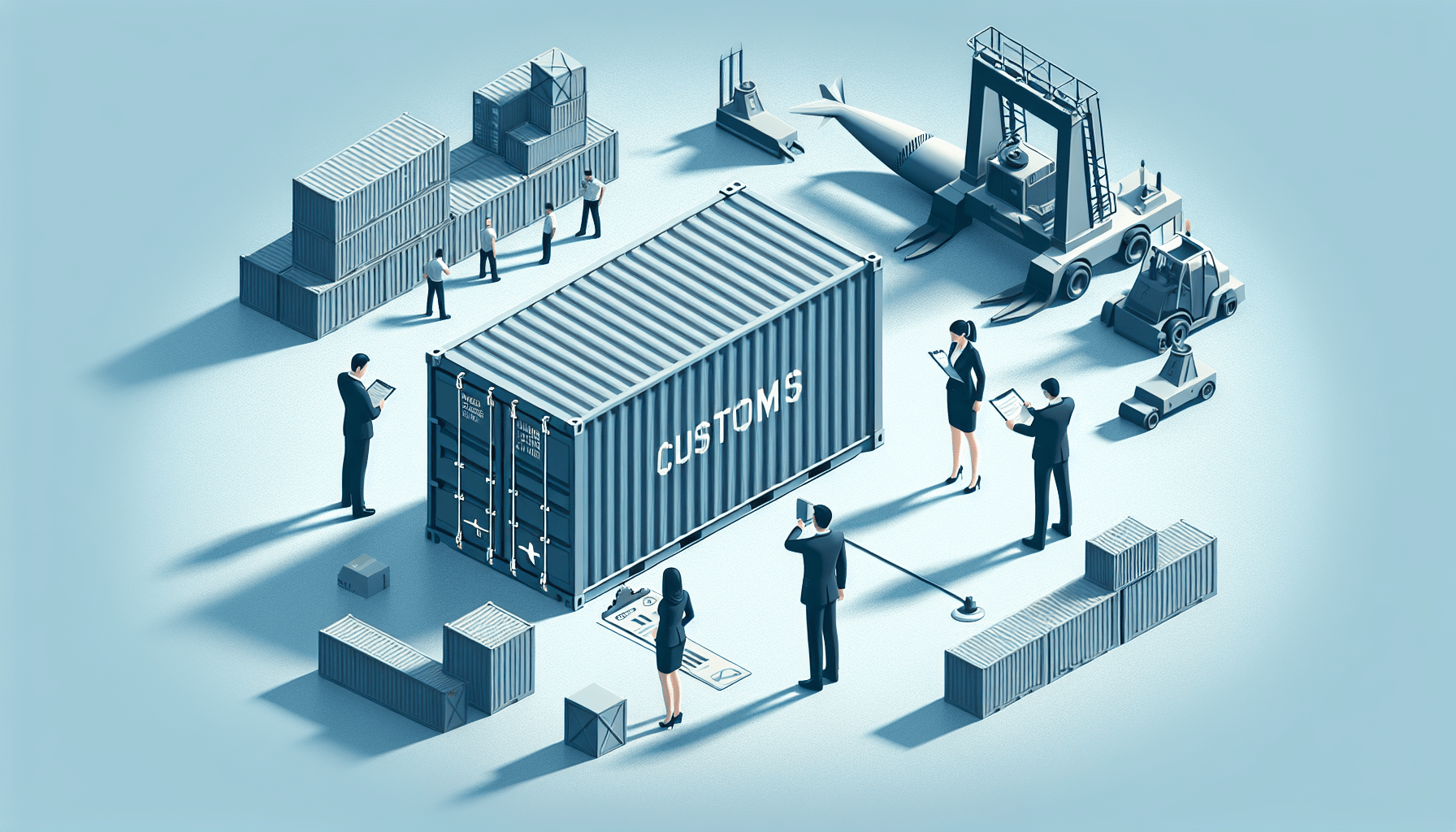
Customs clearance is an integral process in international trade that ensures the legality of exports and helps to steer clear of penalties and delays. Without proper customs clearance, exporters can face significant legal consequences and financial setbacks. This article will delve into the importance of customs clearance, the customs clearance process, the essential export documentation, customs declarations, inspections, duties and fees, the role of customs clearance agents, dealing with delays, the automation of customs clearance, and the importance of compliance.
Customs Clearance Process
The customs clearance process involves a series of steps that exporters must follow to comply with customs regulations. By understanding and adhering to this process, exporters can minimize the risk of penalties and ensure a smooth flow of goods across international borders.
-
Preparation of Export Documents: Before exporting goods, exporters must gather and prepare the necessary documentation. This includes documents such as a commercial invoice, bill of lading or airway bill, packing list, and certificate of origin. These documents provide relevant information about the goods, their value, and their origin.
-
Submission of Documents: Once all the required export documents are in order, exporters must submit them to the customs authorities for review. This is typically done electronically through a customs management system or in person at the designated customs office.
-
Customs Inspection and Evaluation: Customs authorities conduct inspections and evaluate the goods to verify their compliance with regulations, including proper classification, valuation, and adherence to any specific requirements or restrictions. This step ensures that the goods meet the necessary standards and comply with trade policies.
-
Payment of Customs Duties and Fees: After the customs authorities have assessed the goods, exporters must pay any applicable customs duties and fees. These charges are determined based on the classification and value of the goods being exported. Timely payment ensures the smooth release of the goods from customs control.
Export Documentation
Accurate export documentation is crucial for customs clearance and facilitates the smooth transition of goods across borders. Here are some essential export documents that exporters must prepare and submit during the customs clearance process:
-
Commercial Invoice: This document provides detailed information about the exported goods, including the description, quantity, unit value, and total value. It serves as evidence of the transaction between the exporter and the buyer and is used for customs valuation purposes.
-
Bill of Lading or Airway Bill: The bill of lading is a document issued by the shipping company or carrier, while the airway bill is for air shipments. These documents serve as evidence of the contract of carriage and provide details about the shipment, such as the origin, destination, and consignee. They are crucial for customs clearance and logistics purposes.
-
Packing List: A packing list provides a detailed breakdown of the contents of each package or container being shipped. It includes information about the quantity, weight, dimensions, and packaging description of the goods. This document assists customs authorities in verifying the accuracy of the shipment and helps in the inspection process.
-
Certificate of Origin: The certificate of origin is necessary to determine the origin of the goods being exported. It certifies that the goods were produced, manufactured, or assembled in a particular country. This document is crucial for customs purposes, as it may affect the applicable customs duties, tariffs, or trade agreements between countries.
Customs Declarations
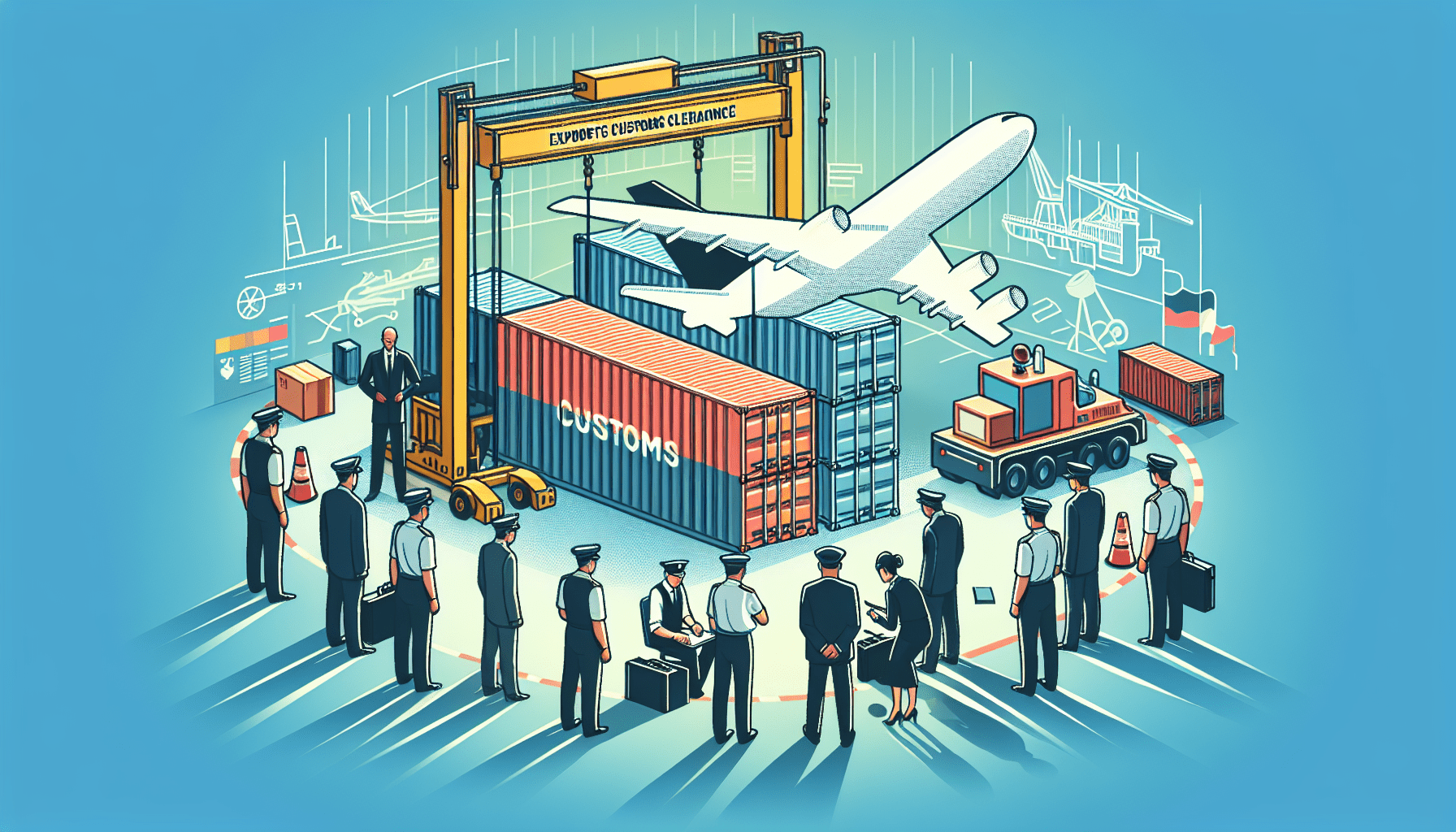
Customs declarations play a pivotal role in the customs clearance process, as they provide customs authorities with essential information about the goods being exported. Here are some important aspects to consider when completing customs declarations:
-
Types of Customs Declarations: There are various types of customs declarations, depending on the nature of the goods and the customs requirements of the exporting and importing countries. Some common types include entry summary declaration, export declaration, re-export declaration, and temporary export declaration. It is crucial to determine the appropriate type of declaration to accurately reflect the nature of the exported goods.
-
Required Information: Customs declarations require specific information about the goods, such as their description, quantity, value, weight, packaging, and intended use. Additionally, exporters may need to provide information related to the country of origin, the exporter’s details, and any applicable export licenses or permits.
-
Correct Classification of Goods: Goods are categorized into different harmonized system codes or commodity codes based on their characteristics and intended use. Accurate classification is essential for customs clearance, as it determines the applicable customs duties, taxes, and regulations. Exporters must ensure that they correctly classify their goods to avoid delays and potential penalties.
-
Valuation of Goods: Customs authorities determine the value of goods for customs clearance purposes. The value declared on the customs declaration should reflect the transaction value, which includes the price paid or payable for the goods, as well as any adjustments required by customs regulations. Proper valuation is crucial for assessing the correct customs duties, taxes, and fees.
Customs Inspections
Customs inspections are conducted to ensure compliance with regulations, verify the accuracy of documents, and assess the physical condition of the goods. Here are the main aspects of customs inspections in the clearance process:
-
Selection for Inspection: Customs authorities use risk-based selection methods to determine which shipments to inspect. These methods may consider factors such as the nature of the goods, the country of origin, the compliance history of the exporter, or specific intelligence on potential risks. Some shipments are selected for inspection randomly, while others are targeted based on certain criteria.
-
Physical Examination of Goods: Selected shipments undergo a physical examination, where customs officers inspect the goods to verify their accuracy and compliance with regulations. This may involve opening packages, checking labeling, verifying quantity and quality, and examining any seals or containers. Physical examinations help detect any discrepancies or inconsistencies in the documentation or actual goods being shipped.
-
Verification of Documents: Customs authorities compare the documentation provided by the exporter with the physical goods to ensure consistency and accuracy. They may cross-reference information on invoices, packing lists, and certificates of origin with the actual goods. Any discrepancies or irregularities can result in delays or additional scrutiny by customs authorities.
-
Sampling and Laboratory Testing: In some cases, customs authorities may take samples of the goods for laboratory testing or analysis. This is particularly relevant for certain products that require compliance with specific standards or safety regulations. Laboratory testing helps ensure that the goods meet the necessary requirements and do not pose any risks to public health or safety.
Customs Duties and Fees
Customs duties and fees are financial obligations that exporters must fulfill as part of the customs clearance process. Understanding and calculating these charges accurately is vital to avoid unnecessary expenses and delays. Here are some key aspects to consider:
-
Understanding Customs Duties: Customs duties are taxes levied on imported or exported goods by customs authorities. They are typically based on the value, quantity, or weight of the goods and are imposed to protect domestic industries, control imports, or generate revenue for the government. Exporters must be aware of the applicable customs duties in the destination country to factor them into their pricing and export planning.
-
Calculating Customs Duties: Customs duties can be calculated in different ways, depending on the customs regulations of the importing country. Some common methods include ad valorem duties (based on the value of the goods), specific duties (based on a specific unit, such as weight or quantity), or a combination of both. Exporters should consult the customs regulations and use the correct duty calculation method to determine the accurate amount.
-
Additional Fees and Charges: In addition to customs duties, exporters may also incur other fees and charges during the customs clearance process. These can include handling fees, administrative fees, customs broker fees, storage fees, and inspection fees. It is essential to account for these additional charges when estimating the overall cost of exporting goods.
Customs Clearance Agents
Employing a customs clearance agent can bring numerous benefits to exporters, given their expertise and knowledge in navigating the complexities of customs procedures. Here is an overview of the advantages, choosing a reliable agent, and the responsibilities of customs clearance agents:
-
Benefits of Employing an Agent: Customs clearance agents are well-versed in the customs clearance process and can provide valuable guidance and support to exporters. They have extensive knowledge of the documentation requirements, customs regulations, and potential pitfalls. Employing an agent can save time, avoid errors or omissions, and help ensure a smooth customs clearance experience.
-
Choosing a Reliable Agent: When selecting a customs clearance agent, exporters should consider several factors. These include the agent’s experience in the industry, their understanding of the specific export market, their reputation, and the services they offer. It is crucial to choose an agent with a proven track record and excellent communication skills to facilitate a seamless customs clearance process.
-
Agent’s Responsibilities and Role: Customs clearance agents are responsible for assisting exporters in preparing and submitting the necessary documentation, liaising with customs authorities on behalf of the exporter, coordinating inspections or laboratory tests, and dealing with any issues that may arise during the clearance process. They act as a bridge between exporters and customs authorities, ensuring compliance and efficiency.
Customs Clearance Delays
Customs clearance delays can be frustrating and costly for exporters. To avoid or minimize these delays, it is essential to understand their common causes and implement strategies to address them effectively. Here are some insights into the causes of delays and tips to mitigate them:
-
Common Causes of Delays: Customs clearance delays can stem from various factors, such as incomplete or inaccurate documentation, undeclared or misdeclared goods, non-compliance with regulations, inspections or laboratory testing requirements, customs system failures, or an overload of customs work. Exporters must anticipate these potential causes and take proactive measures to avoid delays.
-
Tips to Avoid Delays: To minimize customs clearance delays, exporters should adopt best practices, such as maintaining accurate and complete documentation, ensuring proper classification and valuation of goods, staying updated on customs regulations, partnering with reliable customs clearance agents, and establishing good communication with customs authorities. Regularly reviewing and streamlining internal processes and systems can also help expedite the clearance process.
-
Dealing with Delays Effectively: In situations where delays are unavoidable, exporters must adopt a problem-solving mindset. Promptly communicating and cooperating with customs authorities, providing any additional information or documentation required, and addressing any concerns or discrepancies can help resolve delays more efficiently. Seeking assistance from customs clearance agents or trade associations can also provide valuable support during challenging clearance situations.
Customs Clearance Automation
The automation of customs clearance processes through the use of advanced technologies has revolutionized the efficiency and effectiveness of international trade. Here are some insights into the advantages of automated systems, the challenges of implementation, and the current trends in automated customs clearance:
-
Advantages of Automated Systems: Automated customs clearance systems offer numerous advantages for exporters. They reduce the time and effort required for completing paperwork, minimize manual errors and inconsistencies, enhance data accuracy, enable quicker processing and clearance, provide real-time tracking of shipments, and improve transparency and visibility across the supply chain. Automated systems also facilitate better risk management and help detect and prevent fraud or smuggling.
-
Implementation Challenges: Implementing automated customs clearance systems can present certain challenges for exporters. These include the need for initial investment in technology and infrastructure, integration with existing systems, ensuring compatibility with customs authorities’ systems, data security concerns, and training employees to effectively utilize and manage the automated systems. Overcoming these challenges requires careful planning, collaboration with technology providers, and ongoing evaluation and optimization.
-
Current Trends in Automated Customs Clearance: The automation of customs clearance processes continues to evolve with emerging technologies and changing trade dynamics. Trends such as artificial intelligence, machine learning, blockchain, and data analytics are shaping the future of automated customs clearance. These technologies offer opportunities for improved risk assessment, streamlined processes, enhanced security, and increased efficiency in trade facilitation. Exporters should stay informed about these trends and assess their potential benefits for their own operations.
Importance of Compliance
Compliance with export regulations and staying abreast of customs changes are crucial for exporters to maintain the integrity of their operations and avoid legal consequences. Here’s why compliance is of utmost importance:
-
Adhering to Export Regulations: Export regulations are in place to ensure fair trade practices, protect national security interests, and control the movement of goods to prevent illegal activities. By complying with these regulations, exporters demonstrate their commitment to ethical business practices, maintain the reputation of their brand, and mitigate the risk of legal issues, penalties, or embargoes.
-
Keeping Up with Customs Changes: Customs regulations and requirements can change, sometimes unexpectedly. Exporters must stay informed about any changes in export control regulations, trade agreements, customs procedures, or documentation requirements that may affect their operations. By actively monitoring these changes and adjusting their practices accordingly, exporters can avoid delays, comply with new obligations, benefit from trade opportunities, and maintain the smooth flow of their export operations.
-
Avoiding Legal Consequences: Non-compliance with customs regulations can result in severe legal consequences, including financial penalties, shipment seizures, loss of export privileges, damage to business relationships, and even criminal charges. Compliance should be a priority for exporters to protect their business interests, minimize risks, and ensure sustainable growth in the international market.
In conclusion, customs clearance is a vital process for exporters to ensure the legality of their exports, avoid penalties and delays, and maintain compliance with international trade regulations. Proper preparation of export documentation, accurate customs declarations, adherence to customs inspections, understanding customs duties and fees, leveraging the expertise of customs clearance agents, addressing and avoiding delays, embracing automated systems, and prioritizing compliance are key elements in navigating the complex world of customs clearance. By following these best practices, exporters can streamline their operations, minimize risks, and reap the benefits of successful international trade.