
Customs Clearance Agents
If you are a business involved in international trade, it is crucial to understand the role of customs clearance agents. These highly skilled professionals serve as the bridge between importers and exporters, ensuring smooth and efficient movement of goods across borders. From navigating complex customs regulations to handling required paperwork and securing necessary permits, customs clearance agents play a vital role in minimizing delays, avoiding penalties, and ensuring compliance. In this article, we will explore the invaluable services provided by customs clearance agents and their importance in facilitating global trade.

What are Customs Clearance Agents?
Definition
Customs clearance agents, also known as customs brokers or freight forwarders, are professionals who specialize in helping individuals and businesses navigate the complex process of clearing goods through customs. They are knowledgeable about customs regulations and procedures and act as intermediaries between the importer/exporter and customs authorities. Customs clearance agents play a critical role in ensuring smooth and efficient cargo movement across international borders.
Roles and Responsibilities
The roles and responsibilities of customs clearance agents can vary depending on the specific needs of their clients. However, some common tasks and responsibilities include:
-
Document Preparation: Customs clearance agents are responsible for collecting and preparing all the necessary documentation required for customs clearance. This includes bills of lading, commercial invoices, packing lists, and any other relevant documents.
-
Customs Declaration: Customs clearance agents assist in accurately completing customs declaration forms, ensuring compliance with all applicable customs regulations. They also provide guidance on tariff codes, valuation, and other specific requirements.
-
Customs Inspection: In some cases, customs authorities may choose to inspect the goods being imported/exported. Customs clearance agents work closely with customs officials during the inspection process, ensuring compliance and addressing any issues that may arise.
-
Payment of Duties and Taxes: Customs clearance agents calculate and facilitate the payment of import duties, taxes, and other fees on behalf of their clients. They ensure that all payments are made in a timely manner to avoid any penalties or delays.
-
Release of Goods: Once all the necessary requirements have been fulfilled and payments made, customs clearance agents arrange for the release of the goods from customs custody. They coordinate with transportation providers, warehouses, and other relevant parties to ensure a smooth delivery of the goods to their final destination.
Why Hire Customs Clearance Agents?
Expertise and Knowledge
One of the primary reasons to hire customs clearance agents is their specialized expertise and knowledge in the field of customs regulations and procedures. Importing or exporting goods can be complex, with a maze of rules and regulations to navigate. Customs clearance agents have thorough knowledge of these regulations and can help ensure compliance, avoiding potential penalties or delays.
Efficient Documentation Processing
Preparing the necessary documentation for customs clearance can be time-consuming and confusing, especially for those who are not familiar with the process. Customs clearance agents have experience in handling various types of shipments and can efficiently and accurately prepare the required documentation. This helps to streamline the customs clearance process and minimize the risk of documentation errors that could lead to delays or issues.
Reduced Risks and Delays
Customs regulations are constantly evolving, and compliance requirements can change without notice. Failure to comply with these regulations can result in delays, penalties, or even confiscation of goods. Hiring customs clearance agents can help mitigate these risks by ensuring that all necessary steps are taken to comply with current customs regulations. They stay up-to-date with the latest changes and adapt their processes accordingly, reducing the likelihood of costly delays or penalties.
Time and Cost Savings
Navigating the customs clearance process can be time-consuming and resource-intensive for businesses. By outsourcing this task to customs clearance agents, businesses can save valuable time and focus on their core operations. Customs clearance agents have established relationships with customs officials, which can help expedite the clearance process. Additionally, their expertise can help businesses optimize their supply chain and save on unnecessary costs, such as duties and taxes.
How to Choose the Right Customs Clearance Agent?
Experience and Expertise
When choosing a customs clearance agent, it is important to consider their experience and expertise in handling shipments similar to yours. Look for agents who have a proven track record in your industry and can demonstrate a thorough understanding of the customs regulations specific to your type of goods. Experienced agents are more likely to handle any challenges or issues that may arise during the clearance process effectively.
Reputation and Reviews
Research the reputation and reviews of potential customs clearance agents before making a decision. Look for agents who have positive feedback from past clients, indicating their professionalism, reliability, and efficiency. Online review platforms and industry-specific forums can provide valuable insights into the reputation of different agents.
Network and Connections
Customs clearance agents with a strong network and connections in the industry can offer significant advantages. They may have established relationships with customs officials, transport providers, and other relevant parties, allowing for smoother and more efficient clearance processes. Agents with a wide network can also provide valuable advice and resources, such as information on the latest regulations or access to specialized services.
License and Certification
Ensure that the customs clearance agent you choose is licensed and certified to operate in your country or region. Licensing and certification requirements vary between jurisdictions, so it is important to verify that the agent meets all necessary legal and regulatory obligations. A licensed agent can provide peace of mind, knowing that they adhere to industry standards and comply with applicable regulations.
Customer Service
Effective communication and responsive customer service are essential qualities in a customs clearance agent. Look for agents who are proactive in providing updates on the clearance process, promptly responding to inquiries, and addressing any concerns or issues that may arise. A reliable agent will keep you informed throughout the process and be readily available to assist you.
The Customs Clearance Process
Preparation and Documentation
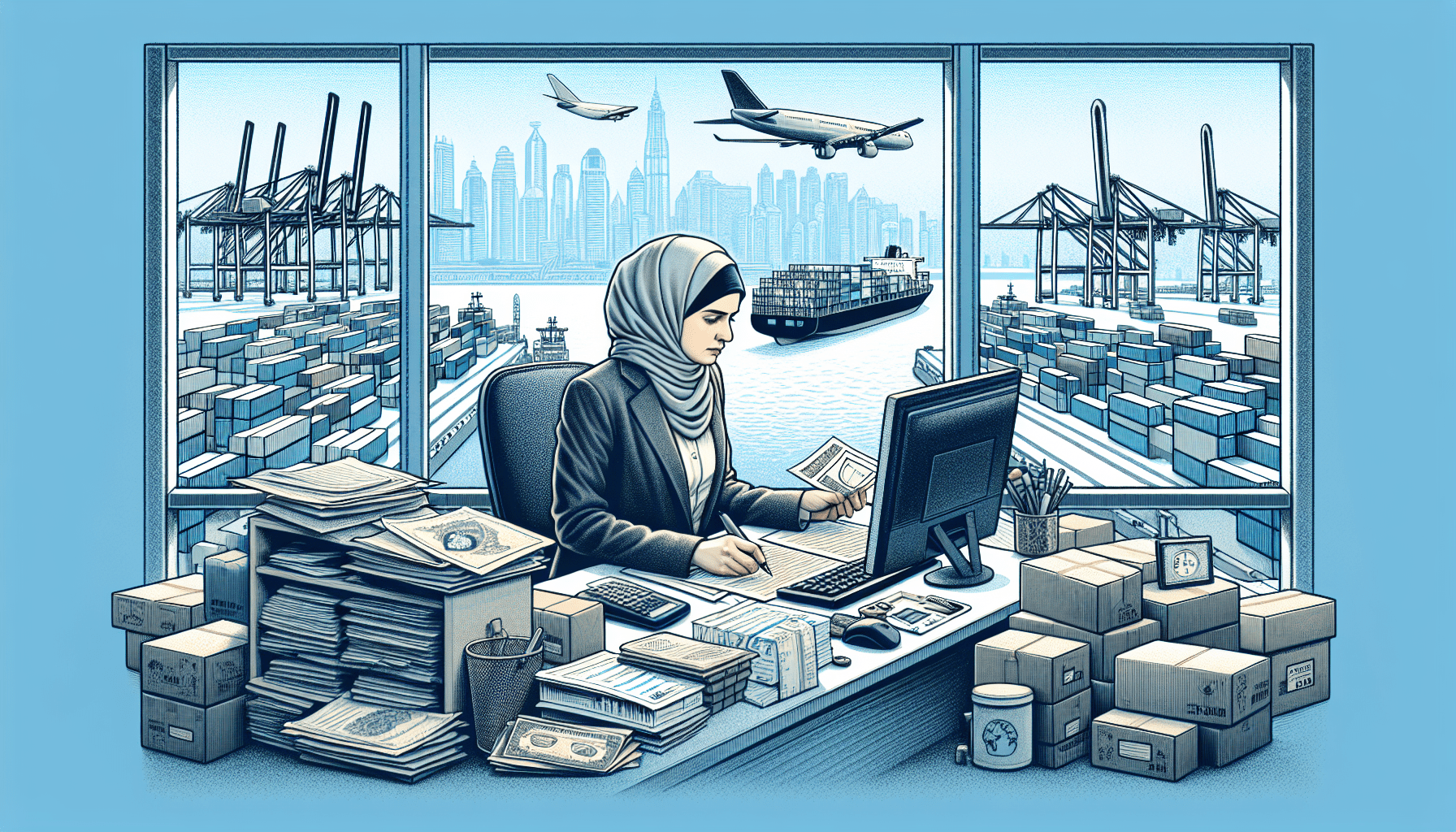
The customs clearance process begins with the gathering and preparation of all required documents. Customs clearance agents work closely with their clients to ensure that all necessary documentation, including commercial invoices, packing lists, and bills of lading, are accurate and complete. They review and organize the documents to adhere to customs requirements and facilitate a smooth clearance process.
Customs Declaration
Once the documentation is in order, customs clearance agents assist in completing the customs declaration forms. This involves providing details about the goods being imported/exported, including their description, quantity, value, and origin. Agents ensure that the declaration is accurate, transparent, and compliant with all relevant regulations.
Customs Inspection
Customs authorities may choose to inspect the goods being imported/exported to ensure compliance with customs regulations. Customs clearance agents liaise with customs officials during the inspection process, ensuring that all necessary steps are taken to facilitate a smooth inspection. They may be required to provide additional documentation or clarification regarding the goods if requested by customs officials.
Payment of Duties and Taxes
Customs clearance agents calculate the applicable import duties, taxes, and fees based on the classification and value of the goods. They assist in ensuring that all payments are made in a timely manner, using the correct payment methods accepted by customs authorities. Agents help their clients understand the cost implications of the duties and taxes and provide guidance on minimizing these costs through tariff classifications or trade agreements.
Release of Goods
Once all the documentation, payments, and inspections have been successfully completed, customs clearance agents coordinate with transportation providers and other stakeholders to facilitate the release of the goods from customs custody. They ensure that the goods are delivered to the designated location in a timely and efficient manner, minimizing any further delays or complications.
Common Challenges and Solutions
Complex Customs Regulations
Cross-border trade involves complying with numerous customs regulations that can vary between countries and regions. Understanding and navigating these regulations can be challenging, especially for businesses without prior experience. Customs clearance agents tackle this challenge by staying up-to-date with the latest regulations and providing expert guidance on compliance. They can help businesses interpret and apply the regulations correctly, ensuring smooth and legal clearance of goods.
Delays and Penalties
Delays in the customs clearance process can have significant consequences for businesses, leading to increased costs, missed deadlines, and damaged relationships with customers. Customs clearance agents play a vital role in minimizing the risk of delays by meticulously preparing the necessary documentation, assisting with customs inspections, and ensuring compliance with all regulations. In the event of delays, agents can also proactively communicate with their clients and customs officials to assess the situation and implement contingency plans to mitigate any potential further delays.
Import/Export Restrictions
Import and export restrictions can create additional hurdles in the customs clearance process. Customs clearance agents help businesses navigate these restrictions by providing valuable insights and advice on how to comply with them. They work with their clients to explore alternative solutions, such as obtaining necessary permits or licenses, to ensure the smooth movement of goods across borders.
Communication and Language Barriers
International trade often involves dealing with customs officials and other stakeholders who may speak different languages. Language barriers can create misunderstandings and delays in the clearance process. Customs clearance agents, with their multilingual capabilities and cultural understanding, act as effective intermediaries in overcoming these communication barriers. They facilitate clear and accurate communication between all parties involved, ensuring efficient and effective handling of the clearance process.
Customs Brokerage Services
Some businesses prefer to handle customs clearance in-house, but lack the necessary expertise and resources. Customs clearance agents offer customs brokerage services to assist these businesses. By outsourcing specific tasks or the entire customs clearance process to an agent, businesses can benefit from the agent’s expertise, knowledge, and networks. Customs clearance agents can tailor their services to meet the specific needs of the business, providing a cost-effective and efficient solution.
Important Questions to Ask a Customs Clearance Agent
When selecting a customs clearance agent, asking the right questions can help ensure that you make an informed decision. Here are some important questions to ask:
Do you have experience in handling my type of goods?
It is crucial to choose a customs clearance agent who has experience in handling shipments similar to yours. Ask the agent about their experience with your specific type of goods, including any challenges or unique requirements associated with them. Experienced agents will be better equipped to handle potential complexities and provide tailored solutions.
What are the estimated costs and fees involved?
Understanding the costs and fees associated with customs clearance is essential for budgeting and financial planning. Ask the agent to provide a breakdown of the estimated costs, including import duties, taxes, agent fees, storage fees, and any other charges associated with the clearance process. This will help you accurately assess the financial implications of your import/export activities.
How will you communicate and provide updates?
Clear and timely communication is crucial throughout the customs clearance process. Inquire about the agent’s communication methods and how frequently they will provide updates on the progress of your clearance. Ideally, you should choose an agent who can communicate through various channels, such as email, phone, or an online portal, and who will keep you informed at key milestones or when any issues arise.
What are your contingency plans in case of delays or issues?
Delays and issues can sometimes arise in the customs clearance process, despite meticulous planning and preparation. Ask the agent about their contingency plans and how they handle unforeseen situations. A reputable agent will have strategies in place to address delays or issues promptly and efficiently, minimizing the impact on your operations.
How long does the clearance process usually take?
The duration of the customs clearance process can vary depending on various factors, such as the complexity of the shipment, the volume of goods being cleared, and the efficiency of customs authorities. While the exact timeframe may be subject to variables beyond the agent’s control, they should be able to provide a general estimate based on their experience. This will help you set realistic expectations and plan your logistics accordingly.
Tips for a Smooth Customs Clearance Process
To ensure a smooth customs clearance process, consider the following tips:
Ensure accurate and complete documentation
Accurate and complete documentation is crucial for successful customs clearance. Double-check all the required documents, including commercial invoices, packing lists, and bills of lading, to ensure that they are error-free and contain all the necessary information. Any inaccuracies or missing information can lead to delays or customs-related issues.
Stay updated on customs regulations
Customs regulations and requirements can change over time. Stay informed about any new regulations or updates that may affect your import/export activities. Regularly review official customs resources, attend industry seminars, or consult with customs clearance agents to stay up-to-date on the latest regulations and compliance requirements.
Maintain good communication with the agent
Effective communication with your customs clearance agent is essential for a smooth process. Respond promptly to any requests for additional information or clarification from the agent. Keep them informed of any changes in your shipment plans or documentation. Good communication will help prevent misunderstandings and delays throughout the clearance process.
Provide necessary information in advance
To expedite the customs clearance process, provide all necessary information to your customs clearance agent as early as possible. This includes accurate details about the goods being imported/exported, such as their description, quantity, value, and origin. Providing complete information upfront will help the agent prepare the necessary documentation and anticipate any potential issues that may arise.
Plan for potential delays
Despite careful planning, delays can sometimes occur during the customs clearance process. Factor in some buffer time when scheduling your shipment to account for any unexpected delays. Discuss potential delays with your customs clearance agent and develop contingency plans to minimize the impact on your supply chain and operations.
Costs and Fees
When engaging the services of a customs clearance agent, it is important to understand the various costs and fees involved. While the specific costs may vary depending on the nature of the goods being cleared and the country of import/export, here are some common costs and fees to consider:
Customs Duties
Customs duties are taxes imposed on imported goods by customs authorities. The amount of customs duties payable depends on factors such as the value, classification, and origin of the goods. Customs clearance agents assist in calculating the applicable customs duties and ensure timely payment.
Taxes
In addition to customs duties, various taxes may be applicable to imported goods, such as value-added tax (VAT), goods and services tax (GST), or excise taxes. Customs clearance agents can provide guidance on the specific taxes applicable to your goods and assist in calculating and paying them.
Agent Fees
Customs clearance agents charge fees for their services. These fees can vary depending on the complexity of the clearance process, the scope of services provided, and the agent’s expertise. It is advisable to discuss the fees upfront and obtain a clear understanding of the agent’s pricing structure.
Storage Fees
If goods are held in customs custody for an extended period, storage fees may be incurred. These fees cover the cost of storing goods in customs warehouses or other designated facilities. Customs clearance agents can help minimize storage fees by ensuring that the necessary clearance processes are completed promptly.
Other Charges
Additional charges may arise during the customs clearance process, such as handling fees, documentation fees, or examination fees. Customs clearance agents can provide a breakdown of these charges, helping you understand the overall cost implications of the clearance process.
Alternatives to Hiring Customs Clearance Agents
While customs clearance agents provide invaluable expertise and assistance, there are alternatives to consider if hiring an agent does not align with your business needs or budget:
Self-Clearance
Some businesses with the necessary knowledge and expertise may choose to handle customs clearance in-house. This option requires a thorough understanding of customs regulations and processes, as well as the time and resources to dedicate to customs-related tasks.
Using a Freight Forwarder
Freight forwarders provide end-to-end logistics solutions, including customs clearance services. They typically have established relationships with customs authorities and can handle the entire clearance process on your behalf. Using a freight forwarder can provide a cost-effective alternative to hiring a dedicated customs clearance agent.
Online Customs Clearance Platforms
Advancements in technology have led to the emergence of online customs clearance platforms. These platforms offer automated solutions for customs clearance, allowing businesses to submit documentation and track the progress of their clearance online. Online platforms may be suitable for businesses with straightforward clearance requirements and prefer a self-service approach.
Conclusion
Customs clearance agents play a crucial role in facilitating the smooth flow of goods across international borders. Their expertise, knowledge, and connections can help businesses navigate the complexities of customs regulations, reduce the risk of delays and penalties, and save time and costs. When choosing a customs clearance agent, consider their experience, reputation, network, and customer service. Aim for clear and open communication to ensure a successful collaboration, and follow best practices such as accurate documentation, compliance with regulations, and proactive planning. By choosing the right customs clearance agent or exploring alternative options, businesses can streamline their import/export activities and focus on their core operations with confidence.