
Archive for March 2024
ISF 10+2 For Consumer Goods

In the world of trade and commerce, it is imperative to stay informed about the various regulations and requirements that govern the importation and exportation of goods. One such requirement that has gained significant importance in recent years is the Importer Security Filing (ISF) 10+2 for consumer goods. Under this regulation, importers are mandated to provide extensive information about their shipments to ensure the safety and security of the supply chain. In this article, we will explore the key aspects of ISF 10+2 for consumer goods and its implications for importers in the dynamic global marketplace.

What is ISF 10+2?
Explanation of ISF
The Import Security Filing (ISF) 10+2 is a program implemented by U.S. Customs and Border Protection (CBP) to enhance the security of the international supply chain. It requires importers to provide specific information about their shipments before they are loaded onto vessels destined for the United States. This advance data submission allows CBP to assess the risk levels associated with each shipment and ensure the safety and security of the country.
Definition of 10+2
The “10+2” refers to the data elements that are required to be submitted by importers and carriers under the ISF program. The “10” signifies the ten data elements that importers must provide, while the “2” represents the two data elements that carriers are responsible for submitting. These data elements include information about the importer, consignee, seller, manufacturer, and the actual contents of the shipment, among others.
Purpose of ISF 10+2
The primary purpose of the ISF 10+2 program is to enable CBP to identify high-risk shipments and take necessary security measures to protect the United States from potential threats. By requiring importers and carriers to provide comprehensive information about their shipments in advance, CBP can assess the risk levels associated with each shipment and allocate resources accordingly. This information also helps CBP identify any illicit or prohibited goods in the supply chain and take appropriate actions to prevent their entry into the country.
Import Security Filing (ISF)
Overview of ISF
The Import Security Filing (ISF) is a crucial step in the customs clearance process for goods entering the United States. It requires importers to electronically submit specific information about their shipments to CBP at least 24 hours before the cargo is loaded onto a vessel bound for the U.S. This information includes details about the importer, the contents of the shipment, and the parties involved in the transaction. The ISF program aims to enhance supply chain security and facilitate risk assessment and targeting of high-risk shipments.
Requirements and obligations
Under the ISF program, importers are responsible for submitting the required data elements for their shipments. Failure to comply with the ISF requirements can result in penalties, delays in cargo clearance, and potential seizure of the goods. Importers must ensure that the information provided is accurate and complete, as any discrepancies or omissions may lead to non-compliance issues. It is essential for importers to understand and fulfill their obligations under the ISF program to maintain a smooth supply chain operation.
Timing of ISF submission
Importers must submit the ISF data at least 24 hours before the cargo is loaded onto a vessel that is destined for the United States. This advance submission allows CBP to review the information, assess the risk associated with the shipment, and take appropriate security measures if necessary. Importers should work closely with their logistics providers to ensure that the ISF data is submitted on time and accurately to avoid any delays or penalties.
Penalties for non-compliance
Non-compliance with the ISF requirements can result in significant penalties imposed by CBP. These penalties may vary depending on the severity of the violation, ranging from monetary fines to cargo detention, seizure, or even criminal charges in extreme cases. It is crucial for importers to understand the consequences of non-compliance and take proactive measures to ensure timely and accurate submission of the ISF data.
10+2 Rule
Explanation of the 10+2 rule
The 10+2 rule, also known as the “Importer Security Filing and Additional Carrier Requirements,” is a key component of the ISF program. It specifies the data elements that importers and carriers must provide to CBP before cargo is loaded onto vessels bound for the United States. The rule helps enhance security by allowing CBP to identify and assess potential threats in the supply chain before the goods arrive in the country.
Data elements required by the rule
The 10+2 rule requires importers to provide ten specific data elements about the imported goods, including the manufacturer, seller, buyer, and the contents of the shipment. Carriers, on the other hand, are responsible for submitting two data elements related to the voyage and the vessel carrying the cargo. This comprehensive data collection enables CBP to conduct targeted risk assessments and take appropriate security measures to protect the country from potential threats.
Responsibilities of importers and carriers
Importers are primarily responsible for ensuring the accuracy and timeliness of the ISF data submission. They must work closely with their suppliers and logistics providers to obtain the necessary information and submit it to CBP within the specified timeframe. Carriers, on the other hand, are responsible for collecting the required data elements from importers and submitting the carrier-specific information accurately. The collaboration between importers and carriers is vital to maintaining compliance with the 10+2 rule.
Consequences of non-compliance
Non-compliance with the 10+2 rule can result in severe consequences for importers and carriers. CBP may impose penalties, including fines, cargo holds, shipment delays, or even seizure of the goods. Non-compliant importers and carriers may also face further scrutiny and enhanced security measures in the future. To avoid these consequences, importers and carriers must prioritize compliance with the 10+2 rule and ensure timely and accurate submission of the required data elements.
Consumer Goods
Definition of consumer goods
Consumer goods refer to products that are intended for personal use or consumption by individuals. These goods are typically purchased by end consumers and may include items such as clothing, electronics, furniture, cosmetics, and household appliances. Consumer goods play a crucial role in daily life and contribute significantly to the global economy.
Examples of consumer goods
Consumer goods encompass a wide range of products that individuals use in their daily lives. Examples of consumer goods include clothing and accessories, such as apparel, footwear, and jewelry. Electronics and home appliances, such as smartphones, televisions, refrigerators, and washing machines, are also considered consumer goods. Additionally, personal care products like cosmetics, toiletries, and skincare items fall into this category.
Importance of ISF 10+2 for consumer goods
The ISF 10+2 program holds particular significance for consumer goods due to their high volume and wide distribution in the global supply chain. The advance submission of ISF data allows CBP to assess the risk associated with consumer goods shipments and take necessary security measures to prevent potential threats. By implementing the ISF 10+2 requirements for consumer goods, CBP aims to safeguard the country’s borders and ensure the safety and quality of the products entering the United States.
Benefits of ISF 10+2 for Consumer Goods
Enhanced supply chain security
The ISF 10+2 program provides enhanced security measures for consumer goods by requiring importers and carriers to submit detailed information about their shipments. This data collection enables CBP to conduct risk assessments and target high-risk shipments more effectively. By enhancing supply chain security, the ISF 10+2 program helps protect consumer goods from potential security threats, illicit trade, and counterfeit products that may harm consumers or violate intellectual property rights.
Early identification of high-risk shipments
By requiring importers to submit ISF data in advance, CBP can identify high-risk shipments before they reach the United States. This early identification allows CBP to allocate resources appropriately and implement necessary security measures to mitigate potential threats. Importing consumer goods can be a complex process, and early identification of high-risk shipments enables CBP to focus its efforts on ensuring the safety and security of the supply chain.
Streamlined customs processes
The ISF 10+2 program streamlines the customs clearance process for consumer goods by providing CBP with advance information about the shipments. This enables CBP to conduct risk assessments and clearance procedures more efficiently, reducing delays and administrative burdens for importers. Streamlined customs processes contribute to the overall efficiency of the supply chain, allowing consumer goods to reach the market faster and meet the demands of consumers.
Reduced risk of penalties
Compliance with the ISF 10+2 requirements significantly reduces the risk of penalties for importers of consumer goods. Timely and accurate submission of the required data elements ensures that importers fulfill their obligations under the program. By avoiding penalties, importers can maintain a positive reputation, minimize financial losses, and establish a smooth and compliant supply chain for their consumer goods.
Challenges and Considerations
Complexity of data collection
One of the primary challenges faced by importers of consumer goods is the complexity of data collection for ISF 10+2 compliance. Gathering and verifying the necessary data elements can be a time-consuming and intricate process that requires close coordination with suppliers and logistics providers. Importers must navigate through multiple parties involved in the supply chain and ensure that the collected data is accurate and complete to fulfill the ISF requirements.
Timely and accurate submission
Importers of consumer goods must also consider the importance of timely and accurate submission of the ISF data. CBP requires the ISF information to be submitted at least 24 hours before the cargo is loaded onto a vessel. Failure to meet this deadline can result in penalties, delays, and potential disruptions in the supply chain. Importers must establish efficient processes and collaborate closely with their logistics partners to ensure timely and accurate submission of the ISF data.
Coordinating with overseas suppliers
Consumer goods are often sourced from overseas suppliers, adding an additional layer of complexity to the ISF 10+2 compliance process. Importers must establish effective communication channels with their suppliers to obtain the necessary information for the ISF data submission. This coordination requires a clear understanding of the ISF requirements by both parties and the establishment of reliable information-sharing mechanisms.
Cost implications
Complying with the ISF 10+2 program may involve certain cost implications for importers of consumer goods. This includes investments in data management systems, staff training, and potential penalties for non-compliance. Importers must carefully evaluate these cost implications and incorporate them into their business strategies to ensure a sustainable and compliant supply chain for their consumer goods.
Best Practices for Compliance
Developing a comprehensive compliance strategy
Importers of consumer goods should develop a comprehensive compliance strategy for ISF 10+2 to ensure accurate and timely submission of the required data. This involves establishing clear internal processes, identifying reliable sources of data, and setting up effective communication channels with suppliers and carriers. A robust compliance strategy enables importers to mitigate risks, reduce errors, and maintain compliance with the ISF program.
Utilizing advanced shipment tracking and data management systems
To streamline the ISF 10+2 compliance process for consumer goods, importers should consider utilizing advanced shipment tracking and data management systems. These systems enable real-time tracking of shipments, automated data collection, and data validation to ensure accuracy and completeness. Utilizing technology can significantly improve the efficiency and effectiveness of the ISF compliance process for consumer goods.
Establishing strong partnerships with suppliers and logistics providers
Strong partnerships with overseas suppliers and logistics providers are crucial for ISF 10+2 compliance for consumer goods. Importers should establish clear communication channels, agreements, and expectations with their partners to ensure timely and accurate data submission. Regular collaboration and coordination between all parties involved in the supply chain enhance compliance and contribute to the overall efficiency of the consumer goods import process.
Regular internal audits and reviews
Importers should conduct regular internal audits and reviews of their ISF 10+2 compliance processes for consumer goods. These audits help identify any gaps or areas of improvement, ensuring that importers stay updated with evolving compliance requirements. By regularly reviewing their compliance practices, importers can proactively address any issues, minimize non-compliance risks, and maintain a compliant supply chain for their consumer goods.
Industry Examples and Case Studies
Successful implementation of ISF 10+2
Several industry examples demonstrate the successful implementation of the ISF 10+2 program for consumer goods. Importers who have prioritized compliance, established efficient data management systems, and maintained strong partnerships with their suppliers and carriers have experienced streamlined customs processes, reduced risks, and improved supply chain security. These success stories highlight the importance of proactive compliance measures and adherence to the ISF 10+2 requirements.
Lessons learned from non-compliance cases
Non-compliance cases can provide valuable lessons for importers of consumer goods. Importers who have faced penalties, shipment delays, or disruptions due to non-compliance highlight the importance of accurate and timely submission of the ISF data. These cases underscore the consequences of non-compliance and emphasize the need for importers to prioritize compliance in order to maintain a smooth and compliant supply chain.
Impact on supply chain efficiency
The implementation of the ISF 10+2 program has had a significant impact on the efficiency of the supply chain for consumer goods. By streamlining customs processes, enhancing supply chain security, and facilitating risk assessments, the ISF 10+2 program has contributed to faster and smoother cargo clearance for consumer goods. Importers who prioritize compliance can experience improved supply chain efficiency, reduced costs, and increased customer satisfaction.
Future Developments and Changes
Potential updates to ISF 10+2
The ISF 10+2 program is subject to potential updates and changes in response to evolving security and trade requirements. Importers of consumer goods should stay updated with any potential updates or revisions to the program to ensure ongoing compliance. CBP regularly reviews and assesses the ISF program to address emerging security concerns, technological advancements, and industry feedback.
Industry advocacy and feedback
Industry advocacy and feedback play a vital role in shaping the future developments of the ISF 10+2 program for consumer goods. Importers can actively participate in industry associations, forums, and feedback mechanisms to share their experiences, challenges, and suggestions for improvement. By providing constructive feedback, importers can contribute to the development of a more efficient and effective ISF 10+2 program that aligns with the needs of the consumer goods industry.
Global harmonization of security measures
Efforts are underway to achieve global harmonization of security measures, including those related to the ISF 10+2 program. International trade organizations, governments, and industry stakeholders are working towards aligning security requirements and standards to enhance the efficiency and effectiveness of global supply chains. Importers of consumer goods should stay informed about these initiatives to ensure compliance with evolving international standards and maintain a competitive advantage in the global marketplace.
Conclusion
The Import Security Filing (ISF) 10+2 program holds immense importance for importers of consumer goods. By requiring the submission of advance data about shipments, the ISF program enhances supply chain security, facilitates risk assessment, and helps CBP identify and prevent potential threats. Compliance with the ISF 10+2 requirements is crucial for importers to maintain a smooth and compliant supply chain for their consumer goods. From early identification of high-risk shipments to streamlined customs processes, the benefits of ISF 10+2 for consumer goods are significant. While there are challenges and considerations, importers can adopt best practices, leverage technology, establish strong partnerships, and conduct regular audits to ensure compliance. The successful implementation of ISF 10+2 and its impact on supply chain efficiency are evident in industry examples and case studies. Importers of consumer goods should stay informed about potential updates and industry developments while advocating for global harmonization of security measures. The continued efforts for supply chain security through compliance with the ISF 10+2 program contribute to the safety, efficiency, and integrity of the global trade of consumer goods.
Customs Clearance Procedure
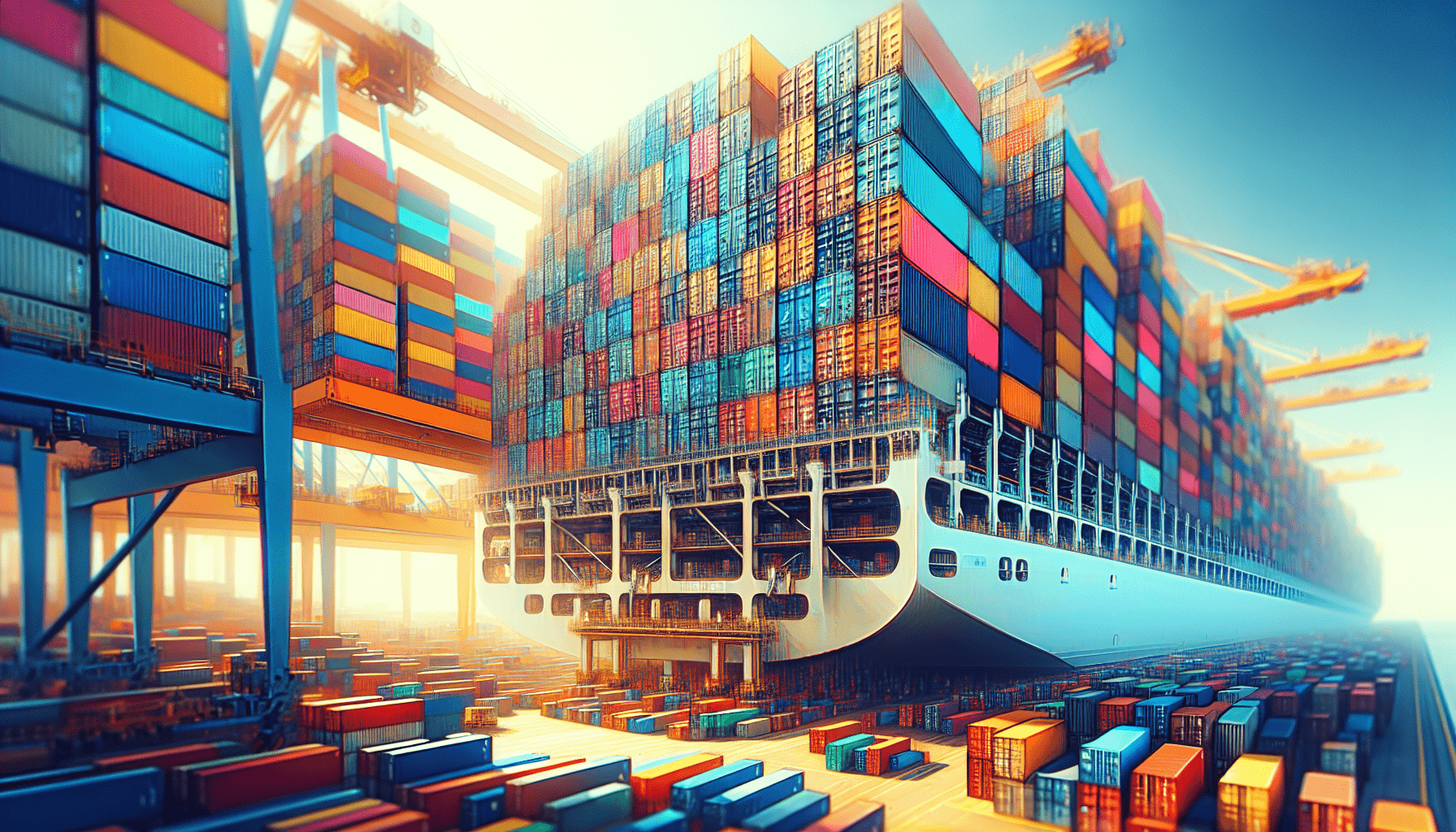
In the realm of international trade, ensuring smooth transportation of goods across borders is crucial. Enter the Customs Clearance Procedure – an intricate process that plays a vital role in allowing goods to enter or exit a country legally while complying with the necessary regulations and requirements. This article sheds light on the various steps involved in this crucial procedure, highlighting the importance of proper documentation, efficient communication, and adherence to customs laws.
Document Preparation
Gather Required Documents
Before beginning the customs clearance process, it is crucial to gather all the necessary documents. These documents include the commercial invoice, packing list, bill of lading or airway bill, and any other relevant supporting documents specific to your shipment. By ensuring that you have all the required paperwork in order, you can avoid delays and complications during the customs clearance process.
Complete Customs Forms
Once you have gathered all the necessary documents, the next step is to complete the customs forms. These forms typically include the customs declaration form, which provides detailed information about the goods being imported or exported. It is essential to accurately fill out these forms, as any errors or omissions can lead to delays or potential penalties.
Submit Supporting Documents
After completing the necessary customs forms, it is time to submit the supporting documents to the appropriate customs authorities. These supporting documents may include licenses, permits, certificates of origin, or any other required documentation based on the nature of your goods. The timely submission of these documents ensures a smooth customs clearance process, reducing the risk of delays and potential complications.
Customs Declaration
Manifesting Goods
Manifesting goods is a crucial step in the customs declaration process. It involves providing a detailed breakdown of the goods being imported or exported, including their quantity, description, weight, and value. This information allows customs officials to assess the nature of the goods and determine their eligibility for import or export.
Classifying Goods
The classification of goods is another critical aspect of the customs declaration process. Each product is assigned a specific classification code based on the Harmonized System (HS). These codes classify goods according to their characteristics, such as materials used, function, and intended use. Proper classification is essential, as it determines the applicable customs duties, taxes, and regulations for your shipment.
Valuing Goods
Valuing goods accurately is crucial to determine the customs duties and taxes owed on your shipment. The customs authorities rely on the declared value to assess the appropriate charges. It is essential to provide a comprehensive breakdown of the goods’ value, including the purchase price, shipping costs, insurance, and any applicable discounts or rebates. Accurate valuation ensures compliance with customs regulations and helps in avoiding penalties or delays in the clearance process.
Customs Inspection
Physical Examination
In some cases, customs officials may conduct a physical examination of the goods to verify their contents, condition, and compliance with regulations. This examination involves physically inspecting the goods, opening packages if necessary, and assessing their conformity to the declared information. Physical examinations are conducted to ensure the safety and security of the country and its citizens, as well as to prevent the smuggling of prohibited or restricted goods.
X-ray Screening
To enhance the efficiency and speed of customs inspections, X-ray screening is often used. X-ray scanners provide non-intrusive imaging of cargo, allowing customs officials to identify any irregularities or anomalies without the need for physical inspection. This technology provides a valuable tool in detecting potential threats or contraband, while also expediting the customs clearance process for low-risk shipments.
K-9 Inspection
K-9 inspection, or the use of specially trained dogs, is another method employed by customs authorities to detect prohibited or restricted goods. These highly trained dogs are capable of sniffing out drugs, explosives, and other illicit substances. Their keen sense of smell and training enables them to identify hidden or hard-to-detect items, assisting customs officials in maintaining the safety and security of the borders.

Payment of Duties and Taxes
Calculate Duties and Taxes
Once the customs authorities have assessed the value and classification of the goods, they will calculate the applicable customs duties and taxes. These charges vary based on factors such as the nature of the goods, their value, origin, and any applicable trade agreements or preferential treatment. It is crucial to accurately calculate these duties and taxes to ensure compliance and avoid potential penalties or delays in the customs clearance process.
Payment Methods
After the calculation of duties and taxes, it is necessary to make the required payment to the customs authorities. Various payment methods, such as electronic funds transfer, credit cards, or cash, may be available depending on the customs jurisdiction. It is important to ensure that the payment is made within the specified timeframe to avoid additional charges or complications during the customs clearance process.
Customs Bond
In some cases, customs authorities may require a customs bond to guarantee the payment of duties and taxes. A customs bond acts as a financial guarantee provided by the importer or their agent to cover any potential liabilities or obligations arising from the customs clearance process. It ensures that the customs duties and taxes will be paid even if there are unforeseen circumstances or delays. A customs bond provides a level of assurance to customs authorities and facilitates the smooth processing of import or export shipments.
Customs Documentation Review
Verification of Documents
As part of the customs clearance process, customs officials will review the submitted documentation to ensure its accuracy and compliance with regulations. This documentation review involves verifying the supporting documents, such as invoices, packing lists, permits, or certificates, against the information provided in the customs declaration. Any discrepancies or errors may result in delays or potential penalties.
Correcting Errors
If any errors or discrepancies are identified during the documentation review, it is essential to rectify them promptly. This correction may involve submitting revised documents or providing additional information to address the concerns raised by the customs authorities. Timely and accurate corrections facilitate a smoother customs clearance process, ensuring compliance with regulations and minimizing the risk of penalties or delays.
Compliance Check
Customs authorities may conduct compliance checks to ensure that the imported or exported goods comply with applicable laws, regulations, and trade agreements. These compliance checks may involve verifying the adherence to product safety standards, import or export restrictions, or any other specific requirements based on the nature of the goods. It is crucial to demonstrate compliance with these regulations to avoid potential penalties or complications during the customs clearance process.
Risk Assessment
Risk Profiling
Risk profiling is a key component of the customs clearance process, which involves assessing the level of risk associated with each shipment. Customs authorities utilize various risk indicators, such as the country of origin, type of goods, previous compliance history, and other relevant factors, to determine the level of risk. By profiling shipments based on their risk level, customs officials can allocate resources effectively and focus their efforts on high-risk consignments while expediting low-risk shipments.
Targeting System
To further enhance risk assessment and allocation of resources, customs authorities employ targeting systems. These systems utilize advanced analytics, data mining, and machine learning techniques to identify potential high-risk shipments for further inspection. By analyzing historical data and identifying suspicious patterns or anomalies, the targeting system enables customs officials to prioritize inspections and enhance the effectiveness of customs controls.
Suspicious Shipment Indicators
Customs officials rely on suspicious shipment indicators to identify potential illicit activities or non-compliance with regulations. These indicators may include abnormal shipping routes, inadequate or inconsistent documentation, unusual packaging, or other suspicious patterns or behaviours. Identifying and acting on these indicators allows customs authorities to mitigate risks, prevent illegal activities, and ensure the enforcement of customs regulations.
Customs Release and Delivery
Release Authorization
Once all the necessary customs procedures have been completed, and any applicable duties and taxes have been paid, customs authorities will issue a release authorization. This authorization allows for the release of the goods from customs custody and their onward delivery to the consignee. It is important to ensure that all requirements have been met to obtain this release authorization promptly and avoid any delays in the delivery of the goods.
Cargo Tracing
Cargo tracing is an essential step in ensuring the timely delivery of goods to the consignee. This process involves tracking the movement of the cargo from the port of entry or exit until its final destination. Cargo tracing allows importers, exporters, and logistics providers to monitor the progress of their shipments, identify any potential delays or issues, and take appropriate actions to ensure the smooth and efficient delivery of the goods.
Delivery to Consignee
Once the goods have been released by customs, they can be delivered to the consignee. This delivery may involve various logistics providers, such as freight forwarders, trucking companies, or courier services, depending on the nature of the shipment. It is important to coordinate and communicate effectively with these providers to ensure that the delivery is carried out in a timely and secure manner, meeting the expectations and requirements of the consignee.
Customs Audit
Audit Selection
Customs authorities may conduct audits to verify the compliance of importers or exporters with customs regulations. The selection of audits is typically based on risk factors, such as the volume of trade, nature of goods, compliance history, or any specific targeting criteria. Audits provide customs authorities with an opportunity to assess the accuracy of the customs declarations, verify the supporting documents, and identify any potential non-compliance issues.
Audit Process
The audit process involves a thorough examination of the customs declarations, supporting documents, and business records to ensure compliance with customs regulations. Customs officials may request additional information, conduct interviews, or perform physical inspections to validate the information provided. The audit process aims to identify any discrepancies, errors, or instances of non-compliance and take appropriate actions to address them.
Audit Findings
At the conclusion of the audit, customs authorities will provide the findings and recommendations based on their assessment. These findings may include areas of non-compliance, discrepancies, or suggestions for improvement in customs procedures. It is important to address any identified issues promptly, implement corrective measures if necessary, and demonstrate a commitment to compliance to prevent any potential penalties or future audit complications.
Customs Penalties and Appeals
Penalty Assessment
If customs authorities identify non-compliance during the customs clearance process or audit, they may impose penalties or sanctions. These penalties can vary in severity based on the nature of the non-compliance, the intent, and the impact on customs revenues or security. In assessing penalties, customs authorities consider factors such as the history of compliance, cooperation, and the measures taken to rectify any issues. It is essential to understand the penalty assessment process and comply with customs regulations to avoid potential penalties.
Appealing Penalties
In the event that you disagree with a penalty assessment, there is typically an option to appeal the decision. This involves submitting a formal appeal to the appropriate customs authority, providing justification, evidence, or any relevant documentation to support your case. The appeals process allows for a review of the penalty assessment and provides an opportunity to present alternative arguments or mitigating circumstances. It is crucial to follow the prescribed appeals process, adhere to the timelines, and provide a compelling case to increase the chances of a favorable outcome.
Legal Dispute Resolution
In cases where the dispute with customs authorities cannot be resolved through the appeals process, parties may resort to legal dispute resolution. This typically involves engaging legal counsel, presenting the case before relevant tribunals, or alternative dispute resolution mechanisms. Legal dispute resolution allows for an impartial review of the matter and ensures that parties have the opportunity to present their arguments through a formalized legal process. Engaging in legal dispute resolution requires careful consideration, as it entails additional time, costs, and resources.
Post-Clearance Monitoring
Recordkeeping Obligations
After the completion of the customs clearance process, importers and exporters are generally required to maintain comprehensive records related to their shipments. These recordkeeping obligations include retaining copies of customs declarations, supporting documents, invoices, and any other relevant records. Adequate recordkeeping is essential for future audits, compliance verifications, or post-clearance audits. It is important to adhere to these recordkeeping obligations to ensure ongoing compliance with customs regulations.
Post-Clearance Audits
Post-clearance audits serve as a proactive measure by customs authorities to ensure ongoing compliance with customs regulations. These audits may occur after the goods have been released and delivered, and they aim to validate the accuracy, consistency, and compliance of the customs declarations and supporting documents. Post-clearance audits provide an opportunity to identify any potential issues, rectify them promptly, and demonstrate a commitment to ongoing compliance.
Voluntary Disclosures
In cases where discrepancies or errors are identified after the completion of the customs clearance process, importers or exporters may opt to make voluntary disclosures. Voluntary disclosures involve self-reporting any non-compliance issues to the customs authorities, providing accurate and complete information, and taking immediate corrective actions. Making voluntary disclosures demonstrates a commitment to compliance and transparency, potentially mitigating any penalties or punitive measures that may otherwise be imposed.
In conclusion, the customs clearance procedure involves a comprehensive series of steps and processes to facilitate the smooth and efficient movement of goods across international borders. From document preparation and customs declarations to inspections, payment of duties and taxes, and post-clearance monitoring, each stage is crucial in ensuring compliance with customs regulations and facilitating trade. By understanding and following these procedures, importers and exporters can navigate the customs clearance process effectively and minimize the risk of delays, penalties, or legal disputes.
ISF 10+2 For Textiles

In the intricate world of international trade, it is crucial to navigate the complex regulations and requirements that are imposed upon businesses. One such set of regulations that cannot be ignored is the ISF 10+2 for Textiles. These regulations, specifically designed for textile imports, outline the necessary information and documentation that must be provided to customs authorities within a specific time frame. By complying with the ISF 10+2 for Textiles, businesses can ensure a smooth and efficient importation process, avoiding delays and penalties. Let us delve into the details of this regulation and understand its significance for the textile industry.
What is ISF 10+2?
The Importer Security Filing (ISF) 10+2, also known as the “10+2 Rule,” is a requirement imposed by the U.S. Customs and Border Protection (CBP) agency on importers and carriers to provide certain shipment information before the arrival of goods into the United States. It is a risk-based information collection system designed to enhance security and improve supply chain visibility.
Definition
ISF 10+2 refers to the submission of ten data elements by importers and two data elements by carriers to CBP prior to the vessel’s departure for the United States. The purpose is to enable CBP to identify and assess potential security risks associated with imported goods.
Purpose
The main purpose of ISF 10+2 is to enhance security and ensure the safety of the United States’ borders by providing early information about imported goods. By collecting detailed information about shipments, CBP can identify high-risk cargo before it enters the country. Additionally, ISF 10+2 aims to improve supply chain efficiency and streamline trade processes.
ISF 10+2 Requirements for Textiles
Textile importers are subject to the same ISF 10+2 requirements as other importers. These requirements include providing Import Security Filing (ISF) information, maintaining an Importer Security Filing bond, and submitting the necessary 10+2 data elements. Here is an overview of each requirement:
Import Security Filing (ISF) Requirements
Importers are responsible for filing the ISF, which involves providing detailed information about the imported goods before they arrive in the United States. This includes details about the shipper, consignee, trade parties involved, and specific cargo information.
Importer Security Filing Bond
Importers are required to maintain an ISF bond, which serves as a financial guarantee to CBP. The bond ensures that the importer will comply with CBP regulations and fulfill any financial obligations related to the importation of goods.
10+2 Data Elements
Importers must submit ten specific data elements, including the manufacturer, seller, and buyer information, as well as the country of origin, HTSUS (Harmonized Tariff Schedule of the United States) number, and container stuffing location.
Carriers, on the other hand, are responsible for submitting two data elements: the vessel stow plan and container status messages.
Documentation
To comply with ISF 10+2 requirements, importers must ensure that all necessary documentation, such as commercial invoices, packing lists, and bills of lading, are accurately maintained and readily available for inspection by CBP.
Timelines
ISF must be filed at least 24 hours before the vessel’s departure for the United States. Non-compliance or late filing can result in penalties and delays in cargo release.
Benefits of ISF 10+2 for Textiles
Implementing ISF 10+2 compliance for textile imports can bring several benefits to importers and the overall supply chain. Here are some of the key advantages:
Enhanced Security
By providing detailed information about imported textiles, ISF 10+2 enhances the security of the United States’ borders. CBP can assess potential security risks associated with textile shipments and take appropriate actions to mitigate those risks.
Reduced Risk of Penalties
Complying with ISF 10+2 requirements reduces the risk of penalties and fines imposed by CBP for non-compliance. By ensuring accurate and timely submission of required data elements, importers can avoid costly penalties.
Improved Efficiency
ISF 10+2 promotes supply chain efficiency by providing CBP with advance information about imported textiles. This enables CBP to identify any potential issues before the goods arrive, allowing for faster processing and reducing delays at the border.
Better Supply Chain Management
By implementing ISF 10+2 compliance, importers gain better visibility and control over their supply chains. Accurate and timely submission of data elements helps in planning and managing the movement of textiles, leading to smoother operations and improved overall supply chain management.

Challenges of Compliance
While ISF 10+2 compliance offers numerous benefits, importers of textiles may face several challenges in meeting the requirements. Here are some common challenges:
Complexity of Data Collection
Collecting accurate and comprehensive data for the 10+2 data elements can be complex, especially for importers dealing with multiple suppliers and complex global supply chains. The need for data accuracy and consistency adds complexity to the already intricate process of data collection.
Accuracy and Timeliness
Ensuring the accuracy and timeliness of data submission can be challenging. Any errors or delays in providing the required information can result in penalties, delays in cargo release, and additional costs.
Communication and Collaboration
Effective communication and collaboration between importers, carriers, and suppliers are crucial for successful ISF 10+2 compliance. Lack of clear communication channels and coordination can lead to misunderstandings, delays, and non-compliance.
Costs
Complying with ISF 10+2 requirements may involve costs related to data collection, documentation, and bond maintenance. Importers must allocate resources to meet these compliance requirements effectively.
Tips for Successful ISF 10+2 Compliance
To ensure successful ISF 10+2 compliance for textile imports, importers can follow these tips:
Understand the Requirements
Thoroughly understand the ISF 10+2 requirements specific to textiles and educate key stakeholders within your organization about their responsibilities. Stay updated on any changes or updates to the regulations.
Utilize Technology and Automation
Leverage technology and automation tools to streamline the data collection and submission process. Utilize software systems that can centralize data management, perform validations, and generate accurate reports.
Implement Effective Data Management
Establish robust data management practices to ensure accuracy and consistency across the 10+2 data elements. Implement processes to validate and cleanse data regularly, minimizing errors and reducing the risk of non-compliance.
Establish Strong Communication Channels
Maintain clear and open lines of communication with carriers, suppliers, and other key stakeholders involved in the supply chain. Establish regular communication channels to exchange necessary information and address any compliance-related issues promptly.
Work with Knowledgeable Partners
Collaborate with service providers who specialize in customs compliance and have expertise in ISF 10+2 requirements. These partners can offer guidance, support, and accurate data solutions to ensure seamless compliance.
Common Errors and Mistakes to Avoid
When trying to achieve ISF 10+2 compliance, importers should be aware of common errors and mistakes to avoid. Here are a few:
Incomplete or Inaccurate Data
Submitting incomplete or inaccurate data can result in penalties and delays in cargo release. Carefully validate and double-check all data elements before submission to ensure accuracy and completeness.
Faulty Documentation
Failing to maintain accurate and up-to-date documentation, such as commercial invoices and bills of lading, can lead to compliance issues. Maintain organized and accessible documentation to support the submitted ISF data.
Late Filing
Late filing of ISF can lead to penalties and delays in cargo release. Ensure that the ISF is submitted at least 24 hours before the vessel’s departure to meet the required timeline.
Non-Compliance with Bond Requirements
Importers must comply with bond requirements, including maintaining an ISF bond and fulfilling any financial obligations related to imports. Failing to meet bond requirements can result in penalties and loss of compliance status.
Penalties for Non-Compliance
Importers who fail to comply with ISF 10+2 requirements can face various penalties and repercussions. Some of these include:
Monetary Penalties
Non-compliance can result in monetary penalties imposed by CBP. The penalties can vary based on the severity of the violation and can significantly impact importers’ finances.
Delayed Cargo Release
Failure to comply with ISF 10+2 requirements may result in delays in cargo release. This can disrupt supply chains, cause additional costs, and impact overall business operations.
Loss of Business Reputation
Non-compliance can damage an importer’s reputation within the industry. Frequent non-compliance can lead to distrust from suppliers, carriers, and other partners, negatively impacting business relationships.
Seizure or Forfeiture of Goods
In severe cases of non-compliance, CBP may seize or forfeit the goods associated with the violation. This can lead to significant financial losses and disruption in business operations.
Steps to Take in Case of Non-Compliance
In the event of non-compliance with ISF 10+2 requirements, importers should take appropriate actions to rectify the situation and ensure future compliance. Here are steps to consider:
Notify Customs and Border Protection
Promptly notify CBP about the non-compliance issue. Communication with CBP is essential to address and resolve the compliance issue effectively.
Address the Non-Compliance Issues
Identify the root cause of the non-compliance and take necessary steps to address the issues. This may involve conducting internal investigations, implementing corrective actions, and improving internal processes.
Establish Corrective Actions
Develop and implement corrective actions to prevent future non-compliance. This may include process improvements, additional training for staff, and enhanced data management practices.
Seek Legal Counsel if Necessary
In complex non-compliance cases, it may be beneficial to seek legal counsel specializing in customs and international trade. Legal professionals can provide guidance and support in navigating the complexities of the situation.
Future Developments and Changes
The ISF 10+2 requirements and regulations are subject to change and updates. Importers should stay informed about any developments and changes that may impact their compliance efforts. Here are a few areas to monitor:
Updates to ISF Regulations
CBP may update the ISF regulations periodically. Importers should stay updated on any changes to ensure ongoing compliance and avoid penalties.
Potential Impact of Trade Agreements
Changes in trade agreements and international trade policies can also impact ISF compliance requirements. Importers should monitor these developments and adjust their compliance strategies accordingly.
Technological Advancements
Advancements in technology can bring new tools and solutions for ISF 10+2 compliance. Importers should stay abreast of technological developments that can enhance their compliance capabilities and efficiency.
Conclusion
ISF 10+2 compliance is an essential requirement for textile importers to ensure the security and efficiency of their supply chains. By understanding the requirements, implementing effective data management practices, and working with knowledgeable partners, importers can navigate the complexities of ISF 10+2 compliance and reap the benefits of enhanced security, reduced risk of penalties, improved efficiency, and better supply chain management. Stay informed, stay compliant, and mitigate the risks associated with non-compliance to ensure the smooth flow of textiles into the United States.
Customs Clearance For Sea Freight

Sea freight is a common method of international shipping, enabling businesses to transport goods across oceans efficiently and cost-effectively. However, navigating the complexities of customs regulations and procedures can be a daunting task for even the most experienced shippers. In this article, you will gain valuable insights into the process of customs clearance for sea freight, understanding the key requirements, documentation, and best practices to ensure a smooth and hassle-free shipping experience. Whether you are a seasoned importer or new to the world of international trade, this article will equip you with the necessary knowledge to navigate the customs clearance process with confidence.
Understanding Customs Clearance
What is Customs Clearance?
Customs clearance is the process of completing all necessary procedures and documentation to allow goods to enter or exit a country legally. It involves complying with import and export regulations, paying applicable customs duties and taxes, and ensuring that all necessary paperwork is in order. Customs clearance is a crucial step in international trade, as it ensures that goods can move smoothly and efficiently across borders while complying with all relevant laws and regulations.
Importance of Customs Clearance
Customs clearance is of utmost importance for businesses involved in international trade. Without proper customs clearance, goods can be delayed or even confiscated at the border, leading to significant financial losses and disruptions to supply chains. The clearance process ensures compliance with trade regulations, protects national security, protects domestic industries, and collects revenue for the government in the form of customs duties and taxes. Moreover, customs clearance facilitates the flow of goods, promotes economic growth, and fosters international trade relations.
Customs Clearance Process
The customs clearance process can vary depending on the country and mode of transportation (sea, air, or land). However, the general steps involved in customs clearance for sea freight include:
-
Submission of shipping documentation: The importer or their customs broker submits the necessary shipping documents, such as the bill of lading, commercial invoice, packing list, and certificate of origin, to the customs authority. These documents provide crucial information about the goods being imported, their value, and origin.
-
Customs examination: In some cases, customs authorities may decide to inspect the imported goods to verify their contents, value, and compliance with import regulations. The examination can be random or based on specific criteria set by the customs authority.
-
Duty assessment: Customs authorities determine the applicable customs duties and taxes based on the classification of the goods, their value, and the country of origin. Importers are required to pay these duties and taxes before their goods can be released from customs.
-
Customs release: Once all necessary procedures and payments are completed, customs authorities issue a customs release, allowing the goods to be delivered to the importer or their designated consignee. The goods can then be transported to their final destination.
Documents Required for Customs Clearance
To successfully clear customs for sea freight, several essential documents are typically required. These documents include:
Bill of Lading
The bill of lading is a legal document issued by the carrier to the shipper or consignee of the goods. It serves as a receipt of the goods, evidence of the contract of carriage, and a document of title. The bill of lading provides details of the cargo, the parties involved, and the conditions of transportation.
Commercial Invoice
The commercial invoice is a document issued by the exporter or seller that provides a detailed breakdown of the goods being shipped, including their description, quantity, value, and terms of sale. It serves as proof of the transaction and is used to determine the customs value of the goods.
Packing List
The packing list provides a detailed inventory of the contents of each package or container being shipped. It includes information on the quantity, weight, dimensions, and description of the goods, as well as any special handling instructions. The packing list assists customs authorities in verifying the contents of the shipment during inspections.
Certificate of Origin
The certificate of origin is a document that certifies the country of origin of the goods being shipped. It is issued by the manufacturer or exporter and is used to determine the eligibility for preferential duty rates under free trade agreements and to assess import restrictions or quotas.
Customs Entry/Declaration
The customs entry or declaration is a document that provides detailed information about the imported goods, including their classification, value, and country of origin. It is submitted to the customs authorities by the importer or their customs broker and serves as an official declaration of the goods being imported.

Preparing for Customs Clearance
Engaging a Customs Broker
Engaging the services of a customs broker can significantly simplify and expedite the customs clearance process. A customs broker is a licensed professional who specializes in navigating the complex rules and regulations of customs clearance. They have in-depth knowledge of import and export requirements, documentation, and procedures, and can effectively communicate and coordinate with customs authorities on behalf of importers. By entrusting customs clearance to a qualified customs broker, you can ensure compliance with customs regulations, avoid costly mistakes, and streamline the clearance process.
Researching Import Regulations
Before shipping goods internationally, it is crucial to research and familiarize yourself with the import regulations of the destination country. Each country has its own set of rules, restrictions, and requirements regarding the import of specific goods. It is important to understand any applicable licensing or permit requirements, restricted or prohibited goods, and any additional documentation or labeling requirements. Failure to comply with import regulations can result in severe penalties, delays, or even the confiscation of your goods.
Proper Packaging and Labeling
Proper packaging and labeling are essential for customs clearance. Goods should be packaged securely to ensure they withstand the rigors of transportation and handling. Packaging should also comply with any specific requirements of the destination country, such as restrictions on certain materials or sizes. Additionally, goods should be labeled according to international standards, with clear and accurate descriptions, handling instructions, and other necessary markings. Proper packaging and labeling can help prevent delays or damage to your goods during customs inspections.
Accurate Shipping Documents
Accuracy and completeness of shipping documents are critical for customs clearance. Ensure that all required documents, such as the bill of lading, commercial invoice, packing list, and certificate of origin, are completed accurately and submitted in a timely manner. Double-check all information provided, including product descriptions, quantities, values, and country of origin. Any discrepancies or errors can lead to delays in customs clearance and may result in additional scrutiny or penalties. Be diligent in preparing and organizing your shipping documents to facilitate a smooth and efficient customs clearance process.
What Are The Requirements For Importing Pharmaceuticals And Medical Devices?

Importing pharmaceuticals and medical devices can be a complex process that involves strict regulations and guidelines. Whether you are a company or an individual looking to import these goods, it is crucial to be aware of the specific requirements to ensure compliance and successful importing. This article will provide a comprehensive overview of the key factors to consider when importing pharmaceuticals and medical devices, including documentation, quality control, and regulatory frameworks. By understanding these requirements, you can navigate the importation process with confidence and efficiency, ultimately contributing to the safe and effective distribution of vital healthcare products.
Registration and Licensing
Determine the regulatory authority
Before importing pharmaceuticals and medical devices, it is crucial to determine the regulatory authority responsible for overseeing these products in your target market. Each country may have its own regulatory body that governs the import and sale of pharmaceuticals and medical devices. Research the specific requirements and regulations set by the regulatory authority to ensure compliance.
Obtain import license or permit
Once you have identified the regulatory authority, the next step is to obtain an import license or permit. This document is essential for legally importing pharmaceuticals and medical devices into the country. The requirements for obtaining an import license vary depending on the regulatory authority and the specific product being imported. It is important to thoroughly understand and comply with the licensing process to avoid any delays or legal issues.
Register the pharmaceuticals or medical devices
In addition to obtaining an import license, it may be necessary to register the pharmaceuticals or medical devices with the regulatory authority. This registration process ensures that the imported products meet the necessary safety and quality standards. The requirements for registration may include providing detailed information about the product, such as its composition, manufacturing process, and intended use. It is crucial to carefully follow the registration guidelines and provide all the required documentation to ensure a smooth importation process.
Quality Control and Testing
Ensure compliance with quality standards
One of the most important aspects of importing pharmaceuticals and medical devices is ensuring compliance with quality standards. This involves verifying that the products meet the specific quality requirements set by the regulatory authority. The quality standards may include factors such as purity, potency, sterility, and stability. It is essential to work closely with reputable suppliers and manufacturers who can provide necessary documentation and evidence of compliance with quality standards.
Perform laboratory testing
To ensure the quality and safety of the imported pharmaceuticals and medical devices, it is necessary to conduct laboratory testing. This testing may include various types of analyses, such as microbiological testing, chemical analysis, and physical testing. The purpose of these tests is to verify the quality, efficacy, and safety of the products before they are distributed in the market. It is important to select accredited laboratories that can perform the necessary tests and provide reliable results.
Document quality control procedures
Maintaining thorough documentation of your quality control procedures is crucial for importing pharmaceuticals and medical devices. These procedures should outline how you ensure that the imported products consistently meet the required quality standards. Proper documentation should detail the processes and protocols followed during manufacturing, testing, and handling of the products. This documentation helps demonstrate regulatory compliance and provides transparency throughout the importation process.
Labelling and Packaging
Include necessary information on labels
Proper labelling is essential when importing pharmaceuticals and medical devices. The labels should contain accurate and essential information about the product, such as its name, manufacturer, batch number, expiry date, and usage instructions. Additionally, any warnings, contraindications, and storage requirements should be clearly stated. It is crucial to follow the labelling requirements set by the regulatory authority to ensure that the imported products meet all the necessary safety and informational standards.
Follow packaging guidelines
To maintain the integrity of pharmaceuticals and medical devices during transportation, it is important to follow packaging guidelines. The packaging should be designed to protect the products from damage, contamination, and tampering. It should also adhere to any specific regulations regarding packaging materials and dimensions. Proper packaging not only ensures the safety of the products but also facilitates efficient storage and transportation.
Observe language requirements
When labelling and packaging pharmaceuticals and medical devices for import, it is important to observe language requirements. The regulatory authority may specify the language(s) in which the labels and packaging information should be presented. This ensures that the users or consumers can easily understand the product’s information and instructions. Adhering to language requirements helps prevent any potential misunderstandings or misuse of the imported pharmaceuticals and medical devices.

Documentation
Prepare invoices and purchase orders
Accurate and complete documentation is essential for successful importation of pharmaceuticals and medical devices. This includes preparing invoices and purchase orders, which provide detailed information about the imported products, their quantities, and their value. Invoices and purchase orders are vital for customs clearance and may also be required by the regulatory authority as part of the importation process. It is crucial to maintain proper records of these documents to ensure compliance and facilitate smooth import operations.
Obtain certificates of analysis
Certificates of analysis (CoA) are important documents that provide evidence of the quality and compliance of the imported pharmaceuticals and medical devices. These certificates are typically issued by accredited laboratories after conducting the necessary testing and analysis. CoAs verify that the products meet the required specifications and quality standards. Obtaining and keeping copies of CoAs is not only a regulatory requirement but also serves as proof of product quality and safety.
Compile product registration documents
In addition to the required licensing and registration processes, it is necessary to compile all relevant product registration documents. These documents may include information about the manufacturing process, product composition, packaging details, clinical data, and any other supporting evidence of product safety and efficacy. Proper compilation and organization of these documents are vital to demonstrate compliance with regulatory requirements and facilitate inspections or audits.
Import Restrictions and Prohibitions
Check for import restrictions
When importing pharmaceuticals and medical devices, it is essential to check for any import restrictions that may be imposed by the regulatory authority. These restrictions may include limitations on certain types of pharmaceuticals or medical devices, specific quantity limits, or requirements for additional permits or certificates. By understanding and complying with import restrictions, you can avoid unnecessary delays, customs penalties, or even the rejection of imported products.
Be aware of banned substances
Some countries may have specific regulations regarding banned substances in pharmaceuticals and medical devices. It is crucial to be aware of these substances and ensure that the imported products do not contain any prohibited ingredients. Thoroughly review the list of banned substances provided by the regulatory authority and work closely with suppliers and manufacturers to ensure that the imported products meet all necessary requirements.
Comply with import quotas
In certain cases, the regulatory authority may impose import quotas on pharmaceuticals and medical devices. These quotas limit the quantity of products that can be imported within a given period. It is important to comply with these quotas to avoid any legal issues and penalties. Careful planning and monitoring of import quantities are necessary to ensure compliance and maintain a steady supply of pharmaceuticals and medical devices.
Storage and Transportation
Maintain proper storage conditions
Proper storage conditions are crucial for maintaining the quality, safety, and efficacy of pharmaceuticals and medical devices. It is important to store these products in controlled environments that meet the specific requirements set by the regulatory authority. This may include considerations such as temperature, humidity, lighting, cleanliness, and security. Regular monitoring and documentation of storage conditions are necessary to ensure compliance and prevent any potential damage or degradation of the imported products.
Ensure temperature control during transportation
Temperature control during transportation is essential to ensure that pharmaceuticals and medical devices remain within their specified temperature range. Many of these products are sensitive to temperature variations and may be rendered ineffective or even harmful if exposed to improper conditions. It is crucial to work with logistics providers experienced in handling pharmaceuticals and medical devices and to use temperature-controlled vehicles or packaging solutions when necessary. Regular monitoring of temperature during transportation helps ensure the integrity of the imported products.
Use appropriate packaging materials
Choosing the right packaging materials is vital to protect pharmaceuticals and medical devices during transportation. The packaging should be designed to provide adequate cushioning, shock resistance, and protection from external factors such as moisture, light, and contaminants. It is important to consider the specific requirements of the products and use appropriate packaging materials that meet the regulatory standards. Additionally, packages should be properly labeled to indicate any necessary handling instructions, fragile contents, or temperature-sensitive items.
Customs Procedures and Duties
Submit import declaration
To import pharmaceuticals and medical devices, it is necessary to submit an import declaration to the customs authority. This document provides details about the imported products, their value, and other relevant information required by the customs authority. Proper and accurate completion of the import declaration is essential to ensure smooth customs clearance. Failure to submit the import declaration or providing false or incomplete information can result in delays, penalties, or legal consequences.
Pay import duties and taxes
Importing pharmaceuticals and medical devices may subject the importer to the payment of import duties and taxes. These fees are imposed by the customs authority based on the value of the imported products. It is important to accurately calculate and budget for these charges to avoid any surprises or financial difficulties. Consulting with a customs broker or import expert can help navigate the complexities of import duties and taxes and ensure compliance with the regulations.
Comply with customs regulations
Compliance with customs regulations is crucial for the successful importation of pharmaceuticals and medical devices. The customs authority may have specific requirements regarding documentation, labelling, packaging, or handling of these products. It is important to thoroughly understand and comply with these regulations to avoid any customs penalties, product confiscation, or legal consequences. Maintaining good communication and cooperation with the customs authority can facilitate smooth customs clearance and import operations.
Pharmaceutical and Medical Device Classification
Determine the classification of products
Pharmaceuticals and medical devices can be classified into different categories based on their intended use, risk level, and specific regulatory requirements. Before importing these products, it is important to determine their classification. This classification dictates the necessary certifications, approvals, and regulatory processes that must be followed. Thoroughly research and understand the specific regulations and requirements associated with each product category to ensure compliance with the applicable regulations.
Obtain necessary certifications or approvals
Depending on the classification of the pharmaceuticals and medical devices, it may be necessary to obtain additional certifications or approvals. These certifications or approvals validate the safety, efficacy, and compliance of the products with the regulatory requirements. The process for obtaining certifications or approvals may involve submitting additional documentation, conducting clinical trials, or obtaining specific test results. It is important to start the certification or approval process well in advance to allow for any necessary testing or regulatory reviews.
Comply with specific regulations for each category
Each category of pharmaceuticals and medical devices may have specific regulations and requirements that must be followed. These regulations may include manufacturing standards, labeling requirements, documentation specifications, and record-keeping obligations. It is crucial to thoroughly understand the specific regulations applicable to each category and comply with them to ensure market access and regulatory compliance. Engaging with regulatory consultants or experts can provide valuable guidance in navigating the complexities of these category-specific regulations.
Post-market Surveillance
Monitor product quality and safety
Importers of pharmaceuticals and medical devices have a responsibility to monitor the quality and safety of the products even after they have been imported and distributed in the market. Regular monitoring and testing should be conducted to ensure that the imported products continue to meet the required quality standards. Monitoring can include activities such as complaint handling, product performance evaluations, and periodic audits of suppliers or manufacturers. Any issues or deviations from the quality standards should be promptly addressed and reported as necessary.
Report adverse events or incidents
In the interest of public health and safety, importers must report any adverse events or incidents related to the use of pharmaceuticals and medical devices. This includes any unexpected side effects, product failures, or incidents that may compromise the safety or efficacy of the products. Proper reporting helps facilitate timely investigations, corrective actions, and risk assessments. Importers should establish processes for capturing and evaluating reports of adverse events and ensure compliance with the pharmacovigilance requirements set by the regulatory authority.
Comply with pharmacovigilance requirements
Pharmacovigilance refers to the collection, monitoring, and assessment of data related to the safety and efficacy of pharmaceuticals and medical devices. Importers have a crucial role in complying with pharmacovigilance requirements set by the regulatory authority. This includes establishing appropriate systems and processes for capturing, evaluating, and reporting adverse events or incidents. Maintaining comprehensive records and timely communication with regulatory authorities are key components of pharmacovigilance compliance.
Importer Responsibilities
Ensure compliance with local regulations
As an importer of pharmaceuticals and medical devices, it is your responsibility to ensure compliance with the local regulations and requirements. This includes obtaining the necessary licenses, registrations, certifications, and approvals, as well as adhering to quality standards, packaging guidelines, and labeling requirements. Regularly review and stay updated with any changes or updates to the regulations to maintain compliance and ensure the smooth importation of products.
Keep records and documents
Thorough documentation and record-keeping are crucial for importers of pharmaceuticals and medical devices. It is important to maintain accurate records of all transactions, import documents, licensing or registration certificates, quality control procedures, and any other relevant documentation. These records serve as evidence of compliance, facilitate audits or inspections, and help resolve any potential issues or disputes. Organized and comprehensive record-keeping is essential for efficient import operations and regulatory compliance.
Cooperate with regulatory inspections
Importers of pharmaceuticals and medical devices may be subject to regulatory inspections or audits to ensure compliance with the applicable regulations. It is important to cooperate fully and proactively during these inspections. This includes providing access to all documentation and records, answering questions transparently, and rectifying any identified non-compliance. Cooperating with regulatory inspections demonstrates your commitment to compliance and helps maintain a positive working relationship with the regulatory authorities.
In conclusion, importing pharmaceuticals and medical devices requires careful attention to regulatory requirements, quality control procedures, documentation, and compliance with customs procedures. By following the outlined steps and maintaining proper record-keeping, importers can ensure the smooth and compliant importation of these critical products. Importing pharmaceuticals and medical devices is a responsibility that should not be taken lightly, as it involves the health and well-being of individuals. Prioritize safety, quality, and regulatory compliance at every step of the importation process.
Import Duties And Taxes

In the global marketplace, understanding the complexities of import duties and taxes is crucial for both businesses and individuals involved in international trade. These charges play a significant role in determining the cost and feasibility of importing goods from one country to another. Whether it’s assessing tariffs or calculating customs fees, having a comprehensive understanding of import duties and taxes is essential to ensuring compliance and making informed decisions. In this article, we will explore the intricacies of import duties and taxes, shedding light on their significance and the factors that influence their application.
What are import duties and taxes?
Definition of import duties and taxes
Import duties and taxes refer to the charges imposed by a country’s government on goods that are brought into the country from abroad. These charges are levied to protect domestic industries, generate revenue for the government, and regulate international trade. Import duties are typically calculated as a percentage of the value of the imported goods, while taxes may include value-added tax (VAT) or other equivalent charges.
Importance of import duties and taxes
Import duties and taxes play a crucial role in the economic and trade policies of a country. They serve as a means to regulate the flow of goods across borders, promote domestic industries, and protect the interests of local businesses. Additionally, import duties and taxes contribute to the government’s revenue and can be used to support public services and infrastructure development. By imposing import duties and taxes, countries can control the inflow of goods, manage trade imbalances, and safeguard their national economy.
Types of import duties
Specific duties
Specific duties are calculated based on a fixed amount per unit of the imported goods. The amount of duty remains the same regardless of the value of the goods. This type of duty is commonly used for products that are relatively homogenous, such as raw materials or commodities.
Ad valorem duties
Ad valorem duties are imposed as a percentage of the value of the imported goods. The duty rate is determined based on the declared value of the goods and can vary depending on the product. Ad valorem duties are often used for consumer goods and manufactured products.
Compound duties
Compound duties combine both specific and ad valorem elements. This type of duty is used when a country wants to impose a fixed amount per unit along with a percentage of the goods’ value. Compound duties are commonly applied to goods that require special treatment or are subject to specific regulations.
Anti-dumping duties
Anti-dumping duties are imposed to prevent the importation of goods at prices deemed to be below fair market value. These duties are intended to protect domestic industries from unfair competition due to dumping practices, where foreign producers sell goods in the importing country at prices lower than their market value.
Countervailing duties
Countervailing duties are imposed to counteract the impact of subsidies given to foreign producers by their respective governments. These duties aim to level the playing field and prevent unfair competition by neutralizing the effects of subsidies on imported goods.
Factors influencing import duties and taxes
Country of origin
The country of origin of imported goods plays a significant role in determining the rate of import duties and taxes. Different countries may have different trade agreements or tariff classifications, which can result in varying duty rates.
Tariff classification
The classification of goods according to a country’s tariff schedule is essential in determining the applicable duty rates. Each product is assigned a specific code, known as a Harmonized System (HS) code, which allows customs authorities to apply the correct duty rate.
Value of the imported goods
The declared value of the imported goods is a crucial factor in calculating import duties and taxes. Customs authorities rely on the declared value to determine the duty rate applicable to a particular shipment.
Trade agreements
Trade agreements between countries can significantly impact the rates of import duties and taxes. Free trade agreements or preferential trade arrangements can lead to reduced or zero tariffs on specific goods, promoting trade between countries.
Import restrictions
Import restrictions imposed by a country can also influence the rates of import duties and taxes. Certain products may be subject to higher duties or additional requirements, such as licensing or quotas, due to their nature or to protect domestic industries.

Calculating import duties and taxes
Tariff rate
The tariff rate is the percentage applied to the value of the imported goods to determine the import duty. This rate can vary depending on the specific product and the country of importation.
Dutiable value
The dutiable value is the taxable value of the imported goods and serves as the basis for calculating import duties and taxes. It typically includes the cost of the goods, transportation, insurance, and other charges incurred until the goods’ arrival at the importing country.
Duty calculation
To calculate the import duty, the dutiable value is multiplied by the applicable tariff rate. The resulting amount represents the duty payable on the imported goods.
Additional taxes
In addition to import duties, certain countries may impose additional taxes, such as value-added tax (VAT) or goods and services tax (GST), on imported goods. These taxes are calculated based on the value of the goods, including the import duty.
Methods of collecting import duties and taxes
Payment at the point of entry
One common method of collecting import duties and taxes is through payment at the point of entry. Importers are required to settle the duty and tax obligations before customs authorities release the goods for importation.
Deferred payment
In some cases, importers may be allowed to defer the payment of import duties and taxes to a later date. This arrangement is often facilitated through customs procedures or special programs, granting importers additional time to settle their financial obligations.
Bonded warehouse
Importers may also opt to store their imported goods in a bonded warehouse. Bonded warehouses are secure facilities approved by customs authorities, where goods can be stored without being subject to immediate duty and tax payment. Importers can utilize bonded warehouses to defer the duty and tax payment until the goods are sold or further processed.
Duty drawback
Duty drawback refers to a refund or exemption of import duties and taxes paid on imported goods that are subsequently re-exported or used in the production of goods for export. This mechanism aims to promote export-oriented industries and stimulate foreign trade.
Exemptions and reliefs on import duties and taxes
Tariff classification exemptions
Certain goods may be exempt from import duties and taxes based on their tariff classification. Exemptions are typically granted to products that serve essential purposes, such as medical equipment, educational materials, or humanitarian aid.
Special economic zone exemptions
Special economic zones (SEZs) are designated areas within a country that offer preferential customs, tax, and regulatory treatment to attract foreign investments and promote international trade. Importers operating within these zones may benefit from exemptions or reduced import duty rates on their goods.
Temporary importation
Temporary importation allows for the duty-free entry of goods that will be re-exported within a specified period. This provision is commonly used for trade exhibitions, testing equipment, or goods used for a limited time in a country.
Duty-free shops
Duty-free shops are retail establishments located in certain areas, such as airports or international ports, where imported goods can be sold without being subject to import duties and taxes. These shops cater to travelers and provide a duty-free shopping experience for goods that will be consumed or taken out of the country.
Consequences of non-compliance with import duties and taxes
Customs penalties
Non-compliance with import duties and taxes can result in various penalties imposed by customs authorities. Penalties may include fines, seizure of goods, or suspension of import privileges.
Seizure of goods
If import duties and taxes are not paid or if there is a violation of customs regulations, customs authorities may seize the imported goods. Seized goods are typically held until the import duties and taxes are paid or until the violation is resolved.
Legal consequences
Non-compliance with import duties and taxes can lead to legal consequences, including civil and criminal charges. Importers may face prosecution or legal action by customs authorities, which can result in substantial fines, imprisonment, or other legal penalties.
Import duties and taxes worldwide
Comparison of import duties and taxes across countries
Import duties and taxes can vary significantly across countries due to differing economic policies, trade agreements, and domestic priorities. Some countries may impose high import duties to protect domestic industries, while others may adopt a more liberal approach to encourage international trade.
Trade agreements affecting import duties and taxes
Trade agreements between countries can have a substantial impact on import duties and taxes. These agreements seek to reduce trade barriers and facilitate the movement of goods across borders. Free trade agreements often include provisions for the elimination or reduction of import duties on specific products, promoting trade between the participating countries.
Managing import duties and taxes
Working with customs brokers
Importers can benefit from working with experienced customs brokers who have in-depth knowledge of import regulations, duties, and taxes. Customs brokers assist in facilitating the customs clearance process, ensuring compliance with import regulations, and optimizing the customs duties and taxes payable.
Utilizing duty planning strategies
Importers may employ duty planning strategies to minimize import duties and taxes legally. These strategies often involve careful analysis of product classification, valuation methods, and utilizing available duty reduction schemes or exemptions.
Automation and compliance management solutions
The use of automation and compliance management solutions can help importers efficiently manage import duties and taxes. These systems streamline processes, facilitate accurate customs declarations, and ensure compliance with import regulations, reducing the risk of penalties and errors.
Import duties and taxes vs. other trade costs
Differentiating import duties and taxes from other fees and charges
Import duties and taxes should be distinguished from other trade costs, such as freight charges, insurance costs, or administrative fees. While these additional costs contribute to the overall expenditure of importing goods, import duties and taxes specifically refer to the charges imposed by customs authorities on the value of imported goods.
Impact on trade competitiveness
Import duties and taxes can significantly impact the competitiveness of imported goods in the domestic market. Higher duty rates can increase the final cost of imported products, potentially making them less competitive compared to locally produced alternatives. On the other hand, lower duties can enhance the competitiveness of imported goods and provide consumers with a wider range of choices.
In conclusion, import duties and taxes are critical components of a country’s trade framework. They serve to regulate international trade, protect domestic industries, generate government revenue, and ensure compliance with import regulations. Understanding the different types of import duties, factors influencing their calculation, and the consequences of non-compliance can help importers navigate the complexities of international trade and optimize their import-related costs. By effectively managing import duties and taxes, importers can mitigate risks, enhance competitiveness, and contribute to the overall growth of their businesses and the economy.
How Do I Handle Perishable Goods During Importation?

When it comes to handling perishable goods during importation, it is crucial to adopt a meticulous approach that ensures the freshness and quality of the products are maintained throughout the entire process. From proper packaging and temperature control to efficient logistics and timely customs procedures, every step must be carefully executed to minimize the risk of spoilage or damage. In this article, we will explore the key considerations and best practices involved in handling perishable goods during importation, equipping you with the knowledge and strategies needed to ensure the successful importation of your perishable goods.
Understanding Import Regulations
When it comes to importing perishable goods, it is crucial to have a solid understanding of import regulations to ensure compliance and smooth transportation of your products. Researching import regulations is the first step in this process. Familiarize yourself with the specific regulations and requirements in your country of import, as well as any relevant international laws or agreements.
Identifying specific requirements for perishable goods is an important aspect of understanding import regulations. Different types of perishable items, such as food products or pharmaceuticals, may have specific requirements regarding temperature control, packaging, labeling, and documentation. It is critical to identify and comply with these requirements to avoid any delays, penalties, or even product spoilage.
Ensuring compliance with documentation is another key aspect of handling perishable goods during importation. Importing perishable items usually requires a range of documents, including permits, licenses, commercial invoices, and customs forms. It is essential to carefully prepare and submit these documents to customs authorities in a timely manner.
To navigate the complex landscape of import regulations more effectively, it can be beneficial to consult with customs brokers or import specialists. These professionals have expert knowledge of import laws and regulations and can provide valuable guidance in ensuring legal compliance and a smooth import process.
Choosing Appropriate Transportation Methods
Selecting the appropriate transportation methods is crucial when it comes to handling perishable goods during importation. The transportation method chosen should be tailored to the specific requirements of the perishable items and factors such as distance, speed, and costs.
When it comes to perishable goods, refrigerated or temperature-controlled containers are often necessary to maintain the desired temperature throughout the transportation process. These containers can help preserve the quality and integrity of perishable goods by preventing temperature fluctuations and ensuring the appropriate conditions.
Considering air freight or sea freight options is another important decision to make. Air freight is generally faster but can be more expensive, while sea freight offers a more cost-effective option for larger shipments. Evaluating transit times and costs associated with different transportation methods can help determine the most suitable option for your perishable goods.
Booking logistics services is the final step in choosing appropriate transportation methods. Working with reliable logistics providers who have experience in handling perishable goods can significantly minimize the risk of delays, damages, or mishandling. Ensure that the logistics provider you choose has the necessary infrastructure, equipment, and expertise to handle perishable goods.
Proper Packaging and Labeling
Proper packaging and labeling play a crucial role in ensuring the integrity and safety of perishable goods during importation. Determining suitable packaging materials is essential to protect perishable items from damage, spoilage, or contamination. Packaging materials should be durable, insulated, and capable of maintaining the desired temperature within the container.
In addition to suitable packaging materials, utilizing insulated containers and dry ice can further enhance the temperature control during transportation. Insulated containers help maintain the desired temperature inside the container, while dry ice can be used to keep the products frozen.
Ensuring appropriate labeling for perishable items is another important consideration. Proper labeling should include essential information such as product name, ingredients, expiration date, handling instructions, and any regulatory symbols or warnings. Clear and accurate labeling not only helps with customs clearance but also ensures that the products are handled correctly throughout the supply chain.
Including handling instructions and product information along with the packaging and labeling is crucial. These instructions provide guidance on how to handle, store, and transport the perishable goods, reducing the risk of mishandling and ensuring that the products arrive in optimal condition.

Managing Temperature Control
Managing temperature control is of utmost importance when handling perishable goods during importation. Proper temperature control helps maintain the quality, freshness, and safety of the goods throughout the transportation process. Failure to monitor and maintain the proper temperature can result in spoilage, loss of product value, or even health risks.
Monitoring and maintaining proper temperature can be achieved by using temperature data loggers or indicators. These devices track and record the temperature inside the containers or packaging, providing real-time data on the condition of the perishable goods. Regularly monitoring temperature levels allows for prompt action if any fluctuations or deviations occur.
Implementing cold chain management practices is essential to ensure temperature control throughout the entire supply chain. Cold chain management involves using the appropriate transportation methods, storage facilities, and handling procedures to maintain the desired temperature from origin to destination. It is crucial to work closely with logistics providers to ensure that the cold chain is properly maintained.
Addressing temperature fluctuations or emergencies is another aspect of managing temperature control. In the event of unexpected temperature changes or emergencies, it is important to have contingency plans in place. These plans may involve having backup refrigeration systems or alternative transportation options to mitigate any potential risks.
Documenting Product Information
Documenting product information accurately and thoroughly is vital when importing perishable goods. Providing accurate product descriptions is essential for customs clearance and ensuring that the products comply with regulatory requirements. Include details such as the product name, quantity, weight, and any specific characteristics or specifications.
Including relevant safety data sheets is also important, especially for perishable goods that may have specific safety or handling considerations. Safety data sheets provide essential information on potential hazards, handling procedures, and emergency response measures.
Obtaining necessary permits or licenses is an integral part of documenting product information. Depending on the type of perishable goods being imported, certain permits or licenses may be required to ensure compliance with national or international regulations. Research and identify the necessary permits or licenses early in the importation process to avoid any delays or issues.
Preparing commercial invoices and customs forms is the final step in documenting product information. Commercial invoices provide detailed information about the goods being imported, including their value, origin, and destination. Customs forms, on the other hand, provide important information to customs authorities regarding the nature of the goods being imported.
Working with Reliable Suppliers
Working with reliable suppliers is crucial when importing perishable goods. Researching and selecting reputable suppliers with experience in handling perishable items can significantly reduce the risks associated with the importation process. Reliable suppliers understand the specific requirements and challenges of handling perishable goods and can ensure the quality and freshness of the products.
Verifying their experience in handling perishable items is an essential step in choosing reliable suppliers. Look for suppliers who have a proven track record of successfully transporting and delivering perishable goods. Check for references, testimonials, or certifications that demonstrate their expertise in this area.
Establishing clear communication channels with suppliers is another important consideration. Effective communication is key to ensuring a smooth importation process and addressing any issues or concerns in a timely manner. Establish open lines of communication to facilitate effective coordination and information exchange.
Ensuring quality assurance and inspection processes is necessary to guarantee the quality and safety of the perishable goods. Reliable suppliers should have robust quality control measures in place to ensure that the products meet the required standards. Consider conducting regular inspections and audits to verify the quality assurance processes of the suppliers.
Coordinating with Customs and Border Authorities
Coordinating with customs and border authorities is a critical aspect of importing perishable goods. Submitting the required documentation in advance is essential to facilitate customs clearance. Ensure that all necessary permits, licenses, commercial invoices, and customs forms are prepared and submitted according to the customs requirements.
Cooperating with customs inspections is another important step in the importation process. Customs authorities may conduct inspections to verify the compliance of the goods with import regulations. Cooperate fully with these inspections, provide any additional information or documentation requested, and address any concerns or questions promptly.
Providing proof of compliance with import regulations is crucial for customs clearance. Ensure that all necessary documentation, such as safety data sheets, permits, and licenses, are readily available for customs authorities to review. Having a well-organized file of all relevant documentation can expedite the customs clearance process.
Addressing any issues or discrepancies promptly is key to maintaining a smooth importation process. If any issues or discrepancies are identified by customs authorities, take immediate action to rectify them. This may involve providing additional information or documentation, resolving compliance issues, or addressing any errors or discrepancies in the documentation.
Implementing Contingency Plans
Implementing contingency plans is essential when handling perishable goods during importation. Preparing for delays or unexpected events is crucial to minimize the risks associated with transporting perishable items. Consider the possibility of unforeseen circumstances, such as weather-related delays or transportation disruptions, and have alternative plans in place.
Having alternative storage or transportation options can mitigate the impact of any unexpected events. Identify backup options for storage facilities or transportation methods that can be quickly utilized if needed. This ensures that the perishable goods can be adequately preserved and transported even in the face of unforeseen circumstances.
Arranging for product recalls, if necessary, is another aspect of contingency planning. In the event of quality or safety concerns with the perishable goods, having a recall plan in place is crucial. This plan should outline the steps to be taken to recall the products, including effective communication channels, notification procedures, and retrieval or disposal processes.
Establishing insurance coverage for potential losses is an important consideration when handling perishable goods during importation. Insurance coverage can provide financial protection in the event of damage, spoilage, or loss of perishable goods. Assess the risks involved in the importation process and work with insurance providers to determine the appropriate coverage for your specific needs.
Quality Control and Inspections
Maintaining quality control and conducting inspections throughout the importation process is vital to ensure the integrity and safety of perishable goods. Conducting pre-shipment inspections allows for the identification of any potential issues or concerns before the products are transported. This step helps prevent the shipment of goods that do not meet the required quality or safety standards.
Performing quality control checks at various stages of the importation process is a crucial step in maintaining the quality and safety of perishable goods. Regularly monitor the products for any signs of damage, spoilage, or other quality issues. Implement rigorous quality control procedures, including inspection protocols, sampling techniques, and testing methodologies.
Ensuring proper handling and storage at all stages of the importation process is essential for maintaining the quality and safety of perishable goods. Monitor and control the temperature, humidity, and other relevant environmental factors throughout the supply chain. Follow proper handling procedures to minimize the risk of mishandling or damage to the perishable goods.
Addressing any quality or safety concerns promptly is crucial to prevent any potential issues from escalating. If any quality or safety concerns are identified during the importation process, take immediate action to address them. This may involve conducting further inspections, implementing corrective actions, or even halting the shipment to mitigate any risks.
Monitoring and Feedback Analysis
Monitoring product performance and customer feedback is a valuable practice when handling perishable goods during importation. Tracking product performance allows for the evaluation of the effectiveness of the importation process and the identification of areas for improvement. Collect and analyze data on factors such as transit times, temperature control, and product conditions to gain insights and make informed decisions.
Analyzing data on transit times and product conditions helps identify any trends or patterns that may impact the quality or freshness of the perishable goods. Use this information to optimize transportation routes, adjust handling procedures, or explore alternative logistics options when necessary. Continuous monitoring and analysis contribute to the ongoing improvement of the import processes.
Continuously improving import processes should be a priority when handling perishable goods. Seek opportunities to streamline operations, reduce costs, and enhance efficiency. Regularly review the importation process, gather feedback from stakeholders, and implement necessary adjustments to ensure that the importation of perishable goods is seamless and meets or exceeds customer expectations.
With a thorough understanding of import regulations, careful consideration of transportation methods, proper packaging and labeling, essential temperature control measures, accurate documentation, cooperation with customs, implementation of contingency plans, rigorous quality control, and continuous monitoring and feedback analysis, you can handle perishable goods during importation professionally and ensure the freshness, quality, and safety of your products.
What Are The Requirements For Importing Live Animals And Plants?

Importing live animals and plants requires meticulous adherence to a set of specific requirements to ensure the safety and integrity of both the importers and the foreign ecosystems involved. Understanding these requirements is paramount for anyone involved in the importation process, from individuals to businesses. This article explores the crucial factors and regulations that govern the import of live animals and plants, shedding light on the necessary permits, inspections, and documentation needed to facilitate the transfer of these living organisms across borders. Delving into this intricate realm of international trade, you will gain a comprehensive understanding of the essential prerequisites for importing live animals and plants.

Customs Regulations
Documentation
When importing live animals and plants, it is crucial to comply with the customs regulations in order to ensure a smooth and legal process. One of the most important aspects of customs regulations is documentation. Proper documentation is necessary to prove the origin and legality of the imported animals and plants. This documentation typically includes certificates of origin, invoices, packing lists, and any other required paperwork. It is imperative to accurately fill out these documents and ensure they accompany the shipment throughout the import process.
Inspections
Another vital aspect of customs regulations when importing live animals and plants is inspections. Customs officials may conduct inspections to verify the accuracy of the documented information and ensure compliance with regulations. These inspections may include physical examinations of the shipment, as well as the review of accompanying documentation. Inspections play a crucial role in preventing the illegal trade of endangered species and protecting biosecurity. It is essential to cooperate with customs officials during inspections and provide any necessary assistance or information they require.
Quarantine
Quarantine is an essential component of customs regulations when it comes to importing live animals and plants. Quarantine periods are imposed to prevent the introduction of diseases, pests, and invasive species into the importing country. During quarantine, animals and plants may undergo examinations, tests, and treatment to ensure their health and mitigate any risks. It is important to be aware of the specific quarantine requirements and guidelines in the importing country before initiating the import process. Adhering to these regulations is crucial to safeguard both the local ecosystems and the health of the imported animals and plants.
CITES Compliance
Endangered Species
The Convention on International Trade in Endangered Species of Wild Fauna and Flora (CITES) is an international agreement aimed at regulating the trade of endangered species. When importing live animals and plants, it is essential to comply with CITES regulations to protect at-risk species from further harm. CITES categorizes species into different appendices based on their level of endangered status. Importers must obtain the necessary permits and certificates required for each species, ensuring legal compliance and the preservation of endangered wildlife and plants.
Protected Species
In addition to endangered species, there are also protected species that require special considerations when importing live animals and plants. Protected species may not be critically endangered but are still subject to specific regulations to prevent their exploitation or harm. These regulations vary depending on the country of import and the specific species involved. It is crucial to research and understand the protected species regulations in both the exporting and importing countries before initiating any import procedures.
Permit Requirements
To ensure compliance with CITES and protect endangered and protected species, importers must obtain the required permits and certificates. These permits may include CITES permits, import/export licenses, and other relevant documents depending on the specific species and its origin. It is crucial to submit permit applications well in advance and allow ample time for approval before commencing the import process. Failure to obtain the necessary permits can result in delays, fines, and even the seizure of the imported animals and plants.
Health Certificates
Veterinary Certification
When importing live animals, obtaining the appropriate health certificates is a crucial step in ensuring their fitness and well-being. Veterinary certification verifies that the animals are disease-free and meet the health standards required by the importing country. These certificates are typically issued by a licensed veterinarian and include details such as the animal’s identification, medical history, vaccination records, and any necessary test results. Importers must ensure that the health certificates are valid and up to date before initiating the import process.
Plant Health Certificates
Similar to animals, live plants also require health certificates when being imported. Plant health certificates verify that the plants are free from pests, diseases, and other contaminants that could harm the local flora and crops. These certificates are typically issued by the exporting country’s agriculture or plant protection agency. Importers must carefully review the plant health certificates to ensure their accuracy and compliance with the importing country’s regulations. Any discrepancies or issues with the certificates could result in delays or the rejection of the shipment.
Packaging and Transportation
Appropriate Containers
Proper packaging is crucial when transporting live animals and plants to ensure their safety and well-being throughout the journey. The choice of appropriate containers is essential to provide adequate ventilation, protection from extreme temperatures, and prevent any physical damage. Containers should be secure, resistant to leakage, and appropriate for the size and species of the animals or plants being transported. It is important to use containers that meet international standards and regulations to avoid any mishaps or difficulties during transportation.
Shipping Methods
When it comes to shipping live animals and plants, it is essential to choose the appropriate shipping method. The method selected should consider factors such as the duration of the journey, the nature of the cargo, and the specific needs of the animals or plants. Air transportation is often the preferred method for long-distance shipments, as it allows for faster transport and minimizes the stress on the animals or plants. However, it is crucial to adhere to the regulations and guidelines set by the International Air Transport Association (IATA) to ensure the safe and humane transportation of live cargo.
Handling Procedures
Proper handling procedures are essential to prevent any harm, injury, or stress to the live animals and plants during the transportation process. It is vital to train and educate the personnel involved in handling the shipment on proper techniques and protocols. The handling procedures should consider the specific requirements of each species and should aim to minimize any potential risks or discomfort. Adhering to these procedures is crucial to maintain the health and well-being of the live animals and plants throughout the transportation process.
Regulations for Specific Animals
Dogs and Cats
When importing live dogs and cats, there are specific regulations that vary depending on the importing country. These regulations typically require a valid health certificate, proof of vaccination against rabies and other diseases, and sometimes even a period of mandatory quarantine. It is crucial to research and understand the specific regulations in your importing country before bringing dogs or cats into the country. Failure to comply with these regulations can lead to various consequences, including the refusal of entry, the imposition of fines, or even the seizure of the animals.
Livestock and Poultry
The importation of live livestock and poultry is subject to strict regulations to prevent the introduction of diseases and to safeguard the local agricultural industry. Regulations for importing livestock and poultry vary depending on factors such as the country of origin, disease prevalence, and the specific species being imported. Typically, importers are required to provide health certificates, prove compliance with vaccination requirements, and sometimes undergo quarantine or testing procedures. It is vital to thoroughly research and understand the specific requirements and regulations for importing livestock and poultry before initiating the process.
Exotic Pets
Importing exotic pets is a highly regulated process to ensure the safety and welfare of both the imported animals and the local ecosystems. Regulations for importing exotic pets differ depending on the species being imported and the country of import. It is crucial to research and understand the specific regulations regarding exotic pets, including the requirements for permits and the documentation needed to prove the legality of the animals. Failure to comply with these regulations can result in serious consequences, including the confiscation of the animals and legal penalties.
Regulations for Specific Plants
Seeds and Bulbs
The importation of plant seeds and bulbs is subject to regulations to prevent the introduction of invasive species and protect local agricultural and natural landscapes. Regulations for importing seeds and bulbs may vary depending on factors such as the species being imported, the country of origin, and the associated risks. It is important to research and understand the specific regulations for importing seeds and bulbs, including any restrictions or requirements for permits or phytosanitary certificates. Non-compliance with these regulations can lead to the seizure or destruction of the imported seeds and bulbs.
Cut Flowers and Plants
The importation of cut flowers and live plants is subject to regulations to prevent the introduction of pests, diseases, and invasive species. Regulations for importing cut flowers and plants vary depending on the country of import, the specific species being imported, and the associated risks. Importers are typically required to provide phytosanitary certificates, which verify the plant’s health and freedom from contaminants. It is crucial to understand and abide by the specific regulations for importing cut flowers and plants to avoid any issues or delays during the importation process.
Ornamental Plants
Importing ornamental plants is subject to specific regulations aimed at preventing the introduction of pests, diseases, and invasive species. These regulations vary depending on the country of import and the specific species being imported. Importers are typically required to obtain phytosanitary certificates or other relevant documentation to prove the health and safety of the plants. It is important to thoroughly research, understand, and comply with the specific regulations for importing ornamental plants to avoid any potential complications or consequences.
Risk Assessment and Mitigation
Invasive Species Control
Invasive species pose a significant threat to ecosystems and biodiversity. When importing live animals and plants, it is crucial to conduct thorough risk assessments to identify and mitigate the potential risks of introducing invasive species. Risk assessments involve evaluating the characteristics of the species being imported, their potential impact on the local environment, and the available mitigation measures. It is important to implement appropriate control and prevention strategies, such as the use of quarantine procedures, to minimize the risk of introducing invasive species during the importation process.
Biosecurity Measures
Biosecurity measures are essential to protect both imported live animals and plants as well as the local environment. Biosecurity measures aim to prevent the introduction and spread of diseases, pests, and pathogens. These measures can include strict quarantine procedures, vaccinations, screenings, and other preventive actions. Implementing robust biosecurity measures is crucial to minimize the risk of disease transmission and ensure the health and safety of both the imported and local populations of animals and plants.
Import Permits and Clearances
Applying for Permits
To import live animals and plants, obtaining the necessary permits and clearances is imperative. The process for applying for permits may vary depending on the country of import and the specific species being imported. Importers must follow the designated application process, providing accurate and detailed information about the animals or plants, their origin, and their intended purpose. It is important to submit the permit applications well in advance to allow for processing time and to avoid any delays or complications during the importation process.
Customs Clearances
Customs clearances are required to legally import live animals and plants. Customs procedures involve the inspection of the shipment, verification of the accompanying documentation, and the assessment of any applicable duties or taxes. Importers must complete the necessary customs paperwork accurately and pay any required fees before the shipment can be cleared. It is vital to work closely with customs officials, provide any requested information promptly, and ensure compliance with all customs regulations to allow for a smooth and efficient clearance process.
Enforcement and Penalties
Seizure and Confiscation
Importing live animals and plants without complying with the relevant regulations can lead to severe consequences, including the seizure and confiscation of the imported cargo. Customs authorities have the power to confiscate any shipments that are found to be in violation of the applicable regulations. Seizures may occur if the necessary permits and certificates are not obtained, if the documentation is inaccurate or fraudulent, or if the cargo poses a significant risk to biosecurity or public health. To avoid the loss of the imported animals or plants and other legal consequences, it is vital to comply with the regulations and requirements for importation.
Fines and Legal Consequences
Failure to comply with the regulations for importing live animals and plants can result in fines and other legal consequences. The exact penalties may vary depending on the country of import and the severity of the violation. Penalties can range from monetary fines to criminal charges, depending on the nature and extent of the non-compliance. Importers should be aware of the potential legal consequences and ensure strict adherence to all applicable regulations and requirements to avoid any penalties.
International Collaboration
Trade Agreements
International collaboration plays a crucial role in designing and implementing effective regulations for the importation of live animals and plants. Trade agreements between countries provide a framework for harmonizing and standardizing the import regulations, ensuring consistency and promoting fair trade practices. These agreements aim to facilitate and simplify the import process, while also safeguarding the environment and preventing illegal trade. Importers should familiarize themselves with any trade agreements and their implications for importing live animals and plants to ensure compliance with the relevant regulations.
Mutual Recognition of Standards
Mutual recognition of standards refers to the acceptance of the standards and regulations of a particular country by other countries. This recognition streamlines the import process by eliminating the need for duplicative inspections and certifications. When importing live animals and plants, mutual recognition of standards can simplify the importation process by allowing the importers to rely on the certifications obtained in their country of origin. This recognition reduces paperwork, costs, and time, while still ensuring compliance with the importing country’s regulations. Importers should explore the possibilities of mutual recognition of standards to streamline their import operations.
In conclusion, when importing live animals and plants, it is crucial to comply with customs regulations, such as proper documentation, inspections, and quarantine requirements. CITES compliance is essential for the trade of endangered and protected species, and health certificates are necessary for verifying the health and fitness of the imported animals and plants. Packaging and transportation should prioritize appropriate containers, suitable shipping methods, and proper handling procedures. Regulations vary for specific animals and plants, such as dogs and cats, livestock and poultry, seeds and bulbs, cut flowers and plants, and ornamental plants. Risk assessment and mitigation focus on controlling invasive species and implementing biosecurity measures. Import permits and customs clearances are required, and non-compliance can lead to seizure and confiscation of the cargo, fines, and legal consequences. International collaboration through trade agreements and mutual recognition of standards can streamline the import process. Following these comprehensive guidelines ensures a legal and responsible approach to importing live animals and plants.
Customs Clearance For Agricultural Products

When it comes to customs clearance for agricultural products, there are specific regulations and procedures that must be followed. It is crucial to ensure compliance with these requirements to avoid delays, penalties, and potential damage to the perishable nature of the products. This article explores the essential steps and documentation needed for efficient customs clearance, emphasizing the importance of thorough preparation and adherence to industry-specific guidelines. Understanding the intricacies of customs clearance for agricultural products is vital for businesses in the agriculture sector seeking international trade opportunities.
Importance of Customs Clearance for Agricultural Products
Customs clearance plays a crucial role in ensuring the safety and quality of agricultural products. With increased globalization and international trade, it is essential for agricultural products to undergo the necessary customs processes to meet regulatory standards and avoid penalties. Additionally, customs clearance helps protect against illegal trade, ensuring that only authorized and legitimate products enter the market.
Ensuring Food Safety and Quality
Customs clearance ensures that agricultural products meet the required food safety and quality standards. Regulatory agencies such as the Food and Drug Administration (FDA), United States Department of Agriculture (USDA), and Environmental Protection Agency (EPA) work together to enforce regulations that protect consumers from potentially harmful substances and ensure the quality of agricultural products. Through inspections and documentation requirements, customs clearance helps prevent the entry of contaminated or adulterated products into the market, safeguarding public health.
Complying with International Trade Regulations
Customs clearance also plays a vital role in complying with international trade regulations. Different countries have specific import requirements and restrictions for agricultural products. By adhering to these regulations, exporters and importers can prevent trade barriers and establish trust with their trading partners. Failure to comply with import regulations can result in the rejection or seizure of goods, leading to financial losses and reputational damage. Through proper customs clearance, agricultural products can smoothly navigate the complex web of international trade regulations.
Avoiding Penalties and Delays
One of the significant benefits of customs clearance is avoiding penalties and delays in the importation process. Non-compliance with import regulations can result in hefty fines and penalties imposed by customs authorities. These penalties can have a significant financial impact on businesses involved in agricultural product trade. Additionally, non-compliance can lead to delays in the clearance process, resulting in spoilage or significant depreciation in product quality. By ensuring all necessary documentation and compliance requirements are met, customs clearance helps avoid these potential pitfalls.
Protecting against Illegal Trade
Customs clearance is crucial for protecting against illegal trade of agricultural products. Counterfeit goods, unauthorized pesticides, and genetically modified organisms (GMOs) are examples of products that should not enter the market. To combat these illegal activities, customs agencies, such as the Customs and Border Protection (CBP), closely monitor and inspect agricultural products at the border. By implementing stringent clearance procedures, customs authorities can prevent the entry of illicit products, protecting the market from potential harm.
Regulatory Agencies Involved in Customs Clearance
Several regulatory agencies are involved in the customs clearance process for agricultural products. These agencies work together to ensure compliance with various import regulations and standards. Some of the key regulatory agencies include:
Customs and Border Protection (CBP)
The CBP is responsible for enforcing customs regulations and managing the legal and authorized entry of goods into the country. They play a crucial role in inspecting agricultural products, verifying documentation, and preventing the entry of illegal or prohibited items.
Food and Drug Administration (FDA)
The FDA is responsible for safeguarding public health by ensuring the safety and proper labeling of food and pharmaceutical products. They regulate the importation of food products, including agricultural goods, to ensure compliance with food safety standards.
United States Department of Agriculture (USDA)
The USDA oversees the importation of agricultural products, including fresh produce, meats, and dairy. They establish regulations related to plant and animal health, quality standards, and phytosanitary requirements. The USDA works to prevent the introduction and spread of pests and diseases through rigorous inspections and adherence to import regulations.
Environmental Protection Agency (EPA)
The EPA is responsible for enforcing environmental regulations related to agricultural products, particularly pesticides and other chemical substances. They ensure that imported products adhere to pesticide registration requirements and protect the environment from potential harm.
Documentation Required for Customs Clearance
Proper documentation is essential for a smooth customs clearance process for agricultural products. The following documents are commonly required:
Commercial Invoice
A commercial invoice provides details about the transaction, including the description of the goods, their value, and terms of sale. It serves as proof of the transaction and helps customs officials determine the appropriate customs duties and taxes.
Packing List
A packing list provides a detailed breakdown of the contents of each package or container. It includes information such as the quantity, weight, and dimensions of the agricultural products. This document helps customs officials verify the accuracy of the shipment and conduct physical inspections if necessary.
Certificates of Origin
Certificates of Origin certify the country of origin of the agricultural products. They provide information about the manufacturing or production processes that occurred in a specific country. These certificates are essential for complying with trade agreements and determining eligibility for preferential treatment or duty exemptions.
Phytosanitary Certificates
Phytosanitary certificates are issued by the exporting country’s plant protection organization. They certify that the agricultural products meet the phytosanitary requirements and are free from pests and diseases. These certificates help prevent the introduction and spread of harmful pests and diseases into the importing country.
Import Permits
Import permits are often necessary for the importation of certain agricultural products, especially those subject to additional regulatory requirements. These permits are issued by the relevant regulatory authorities and specify the conditions and restrictions for importing the products. Importers must obtain these permits before customs clearance.

Steps in the Customs Clearance Process
The customs clearance process for agricultural products involves several steps to ensure compliance with import regulations and to facilitate the smooth movement of goods across borders. The following are the typical steps involved in the customs clearance process:
Preparation and Submission of Required Documents
The first step in the customs clearance process is gathering and preparing the necessary documents, as discussed earlier. Importers must ensure that all required documents are complete, accurate, and compliant with the applicable regulations. These documents are then submitted to the customs authorities for review.
Physical Inspection and Sampling
Customs authorities may conduct physical inspections and sampling of agricultural products to verify their compliance with import regulations. This step ensures that the products meet the required standards and conform to the provided documentation. Inspections may include examining the packaging, labeling, and overall condition of the goods.
Evaluation of Compliance with Import Regulations
Once the physical inspection is complete, customs officials evaluate the agricultural products against the relevant import regulations and standards. This evaluation includes verifying the accuracy of documentation, confirming compliance with phytosanitary requirements, and assessing adherence to trade agreements or quotas. Non-compliance may result in further inspections, additional documentation requirements, or potential penalties.
Payment of Customs Duties and Taxes
Importers are required to pay customs duties, taxes, and any applicable fees associated with the importation of agricultural products. The exact amount and calculation of these charges depend on various factors, including the value of the goods, their classification, and any preferential treatment under trade agreements. Prompt and accurate payment is crucial to avoid delays in customs clearance.
Release and Delivery of Goods
After meeting all the necessary requirements, customs authorities will issue a release order for the agricultural products. This order allows the goods to be released from the customs custody and delivered to the importer or authorized recipient. Proper handling, storage, and transportation arrangements are essential to maintain the quality and integrity of the agricultural products during this final stage.
Challenges and Risks in Customs Clearance
While customs clearance is necessary for the smooth importation of agricultural products, certain challenges and risks can affect the process. It is important for importers to be aware of these potential issues in order to mitigate any adverse impacts. Some of the common challenges and risks in customs clearance for agricultural products include:
Non-compliance with Import Regulations
Failure to comply with import regulations, such as incorrect documentation, inadequate packaging, or non-compliant product quality, can result in delays, penalties, or even the rejection of goods. Importers must ensure they understand and meet all regulatory requirements to avoid these compliance-related challenges.
Delays in Inspection and Testing
Physical inspections and testing of agricultural products can lead to delays in the customs clearance process. These delays can be caused by factors beyond the importer’s control, such as limited resources or heavy inspection workload. Proper planning and coordination with customs authorities can help minimize the impact of potential delays.
Contamination or Spoilage of Perishable Goods
Perishable agricultural products, such as fresh produce or dairy items, are particularly susceptible to contamination or spoilage during the customs clearance process. Delays in inspection, improper storage conditions, or exposure to unsuitable environments can significantly impact the quality and shelf life of these products. Maintaining proper cold chain management and adhering to packaging requirements are essential to mitigate these risks.
Incorrect Classification of Products
The proper classification of agricultural products is crucial for determining the applicable import duties, taxes, and regulatory requirements. Incorrectly classifying products can lead to under or overpayment of duties and taxes, resulting in financial losses or potential penalties. Importers should seek expert advice or utilize classification tools provided by customs authorities to ensure accurate product classification.
Emerging Pest and Disease Threats
Agricultural products can pose a risk to the environment and native species if they carry pests or diseases. Customs authorities are constantly monitoring and updating phytosanitary regulations to prevent the introduction and spread of such threats. However, new and emerging pest/disease concerns can present challenges for importers. It is essential to stay informed about the evolving pest and disease risks to ensure compliance and minimize potential impacts on customs clearance.
Import Duties and Taxes for Agricultural Products
Import duties and taxes are significant considerations for agricultural product importers. Understanding these financial requirements is essential for cost-effective importation. Some of the key import duties and taxes associated with agricultural products include:
Tariffs and Trade Barriers
Tariffs are taxes imposed on imported goods and can significantly impact the cost and competitiveness of agricultural products. Trade barriers such as quotas, embargoes, or tariffs designed to protect domestic industries can further restrict market access. Importers must carefully evaluate these barriers to determine the financial feasibility of importing agricultural products.
Quota Restrictions
Quota restrictions limit the quantity of certain agricultural products that can be imported within a specified period. Exceeding these quotas may result in additional fees or denial of entry. Importers should be aware of relevant quota restrictions to avoid any compliance-related challenges.
Value Added Tax (VAT)
Value Added Tax (VAT) is a consumption tax imposed on the value added at each stage of the supply chain. It applies to the final price of most goods, including agricultural products. Importers must account for VAT when calculating the total cost of importing agricultural products.
Customs Brokerage Fees
Customs brokerage fees are incurred for the services provided by customs brokers assisting with the customs clearance process. These fees vary depending on the complexity of the import and the services provided. Importers should consider these fees when budgeting for the overall cost of importing agricultural products.
Special Agricultural Levies
Certain agricultural products may be subject to additional levies or fees based on specific trade agreements or government policies. Importers must be aware of these special levies to accurately calculate the total cost of importing agricultural products.
Import Restrictions and Standards
Import restrictions and standards are put in place to protect consumers, the environment, and domestic industries. Understanding and complying with these import requirements is crucial for successful customs clearance of agricultural products. Some of the key import restrictions and standards include:
Sanitary and Phytosanitary Measures (SPS)
Sanitary and phytosanitary measures are regulations that aim to protect humans, animals, and plants from pests, diseases, or other contaminants. These measures may include inspection, testing, and quarantine procedures to ensure the safety of agricultural products. Importers must comply with SPS requirements to avoid delays and rejections during customs clearance.
Maximum Residue Limits (MRLs)
Maximum residue limits represent the maximum allowable amounts of pesticide residues or other contaminants in agricultural products. Importers must ensure compliance with MRLs to safeguard consumer health and meet regulatory requirements.
Quality Standards and Certifications
Various quality standards and certifications may be required for agricultural products depending on their type and intended market. These standards ensure that products meet specific quality criteria, such as freshness, safety, or sustainable production practices. Importers should be knowledgeable about applicable quality standards and certifications to meet market demands and demonstrate product integrity.
Genetically Modified Organisms (GMOs)
Countries have different regulations regarding the importation of genetically modified organisms (GMOs). Some countries have strict GMO labeling requirements or prohibit the importation of certain GMOs altogether. Importers must be aware of these regulations to ensure compliance and avoid potential penalties or rejections.
Organic Product Requirements
Organic agricultural products are subject to specific requirements and certifications to ensure they meet organic production standards. Importers must obtain the necessary organic certifications and comply with organic labeling requirements to market and import organic agricultural products successfully.
Customs Clearance for Perishable Agricultural Products
Perishable agricultural products require special considerations in the customs clearance process. Maintaining the quality and integrity of these products is crucial to avoid spoilage and maintain market value. Some key aspects to consider when clearing perishable agricultural products through customs include:
Cold Chain Management
Proper cold chain management is essential for perishable agricultural products. Temperature control during transportation and storage helps maintain product quality and extends shelf life. Importers must ensure that cold chain requirements and monitoring systems are in place throughout the customs clearance process.
Temperature and Humidity Control
Perishable agricultural products have specific temperature and humidity requirements to minimize spoilage and maintain freshness. Importers must ensure that the transportation and storage facilities adhere to these requirements, and customs authorities are aware of the necessary temperature and humidity conditions during inspections.
Accelerated Clearance Procedures
Given the perishable nature of agricultural products, importers often benefit from accelerated customs clearance procedures. Customs authorities may offer expedited processing or preferential treatment for perishable goods to minimize delays and reduce the risk of spoilage.
Container and Packaging Requirements
Containers and packaging used for perishable agricultural products must comply with specific regulations and industry best practices. Proper insulation, ventilation, and packaging materials help protect the products during transportation and simplify the customs inspection process.
Transport and Logistics Considerations
Efficient coordination between importers, carriers, customs brokers, and customs authorities is crucial to minimize delays and ensure the timely delivery of perishable agricultural products. Importers should work closely with logistics providers to ensure smooth transportation, appropriate documentation, and adherence to cold chain requirements during the customs clearance process.
Customs Clearance for Live Animals and Plants
Clearing live animals and plants through customs requires additional considerations to protect their health and welfare. Importers must comply with specific requirements and provide proper documentation. Some key aspects of customs clearance for live animals and plants include:
Health Certificates and Veterinary Inspection
Live animals intended for importation require health certificates issued by the exporting country’s veterinary authorities. These certificates confirm that the animals are free from diseases and meet the health requirements of the importing country. Customs authorities may conduct veterinary inspections to ensure compliance with these requirements.
CITES Permits for Endangered Species
Importing live animals or plants listed under the Convention on International Trade in Endangered Species of Wild Fauna and Flora (CITES) requires additional permits and documentation. CITES permits ensure that the trade does not threaten the survival of protected species or adversely affect their habitats. Importers must obtain the necessary CITES permits before customs clearance.
Plant Quarantine and Pest Risk Analysis
Plant quarantine measures are critical to prevent the introduction and spread of pests and diseases. Importing plants or plant products may require a phyto-sanitary certificate, plant quarantine inspection, or pest risk analysis to ensure compliance with regulations and protect local plant health. Importers should be familiar with the specific plant quarantine requirements of the importing country.
Special Handling and Transport Arrangements
Live animals and plants require special handling and transport arrangements to ensure their well-being during transportation. Importers must comply with specific regulations and guidelines related to animal welfare, temperature control, ventilation, and handling procedures. Customs authorities may conduct inspections to verify compliance with these requirements.
Awareness of Invasive Species
Importing live animals or plants can potentially introduce invasive species into a new environment. These invasive species can disrupt local ecosystems and cause harm to native species. Regulatory authorities place significant importance on preventing the inadvertent introduction of invasive species. Importers should be knowledgeable about the potential risks associated with certain animals or plants and comply with proper import requirements and inspections.
Technological Innovations in Customs Clearance
Technological innovations have revolutionized the customs clearance process, making it more efficient, transparent, and secure. Importers can benefit from utilizing these technologies to streamline their customs clearance procedures. Some of the notable technological innovations in customs clearance for agricultural products include:
Automated Import and Export Systems
Automated import and export systems, such as customs electronic data interchange (EDI), allow for seamless data exchange between trading partners and customs authorities. These systems automate document processing, data validation, and risk assessment, reducing manual paperwork and improving the speed and accuracy of customs clearance.
Electronic Data Interchange (EDI)
Electronic data interchange (EDI) facilitates the electronic exchange of customs-related data between importers, exporters, customs brokers, and customs authorities. EDI eliminates the need for paper-based documentation and enables real-time communication, speeding up the customs clearance process and reducing administrative burdens.
Blockchain and Smart Contracts
Blockchain technology provides a secure and transparent platform for recording and validating customs clearance transactions. Smart contracts, built on blockchain technology, enable automated execution of predefined customs clearance processes, reducing the need for manual intervention and improving efficiency, traceability, and verifiability.
Risk Management Tools and Software
Customs risk management tools and software leverage data analytics and risk assessment algorithms to identify high-risk shipments and prioritize inspections. These tools help customs authorities allocate resources effectively and improve the efficiency of the customs clearance process. Importers can leverage risk management tools to mitigate potential delays and expedite the clearance of low-risk agricultural products.
Real-time Tracking and Monitoring
Real-time tracking and monitoring systems allow importers to monitor and trace the movement of their agricultural products throughout the customs clearance process. Utilizing technologies such as GPS, temperature sensors, and RFID tags, importers can track location, temperature, and other important variables to ensure compliance with cold chain requirements and address any potential issues promptly.
In conclusion, customs clearance for agricultural products is of utmost importance in ensuring food safety, compliance with international trade regulations, avoiding penalties and delays, and protecting against illegal trade. Regulatory agencies such as Customs and Border Protection, the Food and Drug Administration, the United States Department of Agriculture, and the Environmental Protection Agency are involved in the customs clearance process. Adequate documentation, careful compliance with import regulations, and a thorough understanding of import duties and taxes are essential for successful agricultural product customs clearance. Additionally, import restrictions and standards, as well as the unique challenges posed by perishable agricultural products, live animals, and plants, must be taken into account. Technological innovations in customs clearance offer various benefits, including automated processes, enhanced data exchange, and improved risk management. By understanding and effectively navigating the customs clearance process, importers can ensure the smooth and efficient importation of agricultural products.
What Is The Foreign Trade Zone (FTZ) Program, And How Can It Benefit Importers?

The article explores the Foreign Trade Zone (FTZ) program and its benefits for importers. It focuses on providing an in-depth understanding of the program and its implications for businesses involved in international trade. By examining the various advantages and opportunities offered by the FTZ program, importers can gain a comprehensive understanding of its potential benefits and make informed decisions to optimize their import processes. From cost savings to streamlined logistics, this article will illustrate how the FTZ program can be a valuable tool for importers looking to enhance their competitiveness in the global market.
Understanding the Foreign Trade Zone (FTZ) Program
Foreign Trade Zones (FTZs) are designated areas within the United States where companies can engage in trade-related activities, such as importing, exporting, manufacturing, and distributing, under different customs regulations compared to the rest of the country. The purpose of establishing FTZs is to promote international trade, enhance economic growth, and attract foreign investment. The FTZ program provides several key features and advantages that can greatly benefit importers.
Advantages of the FTZ Program for Importers
Duty Deferral
One significant advantage of the FTZ program for importers is the ability to defer paying import duties until the goods are actually released from the FTZ and enter the domestic market. This deferral can significantly improve cash flow management for importers, allowing them to allocate resources for other purposes, such as investment and expansion.
Duty Elimination on Re-Exported Goods
Importers operating within an FTZ can also take advantage of duty elimination on re-exported goods. If goods imported into the FTZ are subsequently exported to foreign markets, no duty is payable on these goods. This advantage can be particularly valuable for importers who engage in international trade, as it reduces the overall cost and enhances the competitiveness of their products in global markets.
Streamlined Customs Procedures
Another key feature of the FTZ program is streamlined customs procedures. Importers operating within an FTZ benefit from simplified administrative requirements, reduced paperwork, and expedited customs clearance processes. This saves time and resources, making the movement of goods more efficient.
Enhanced Cash Flow Management
Operating within an FTZ can significantly enhance cash flow management for importers. As duties are deferred until the goods are released from the FTZ, importers have more time to manage their finances and allocate resources to other areas of their business. This can contribute to improved liquidity and financial stability.
Reduced Administrative Burden
Importers operating within an FTZ also benefit from reduced administrative burdens. The FTZ program provides streamlined procedures for reporting, record-keeping, and inventory control. This simplifies compliance requirements and reduces the administrative resources required to meet customs regulations. Importers can allocate their time and resources more effectively to other aspects of their business operations.
Utilizing the FTZ Program
Eligibility Criteria
To utilize the FTZ program, importers must meet certain eligibility criteria. These criteria include being engaged in international trade, having a valid importer of record number, and being able to comply with the customs regulations and requirements set forth by the FTZ program.
Application and Activation Process
Importers interested in utilizing the FTZ program must apply for FTZ activation through the U.S. Foreign-Trade Zones Board (FTZB). The application process involves submitting detailed information about the importer’s business, proposed use of the FTZ, and other relevant documentation. Once approved, the FTZB will issue a grant of authority, allowing the importer to operate within the FTZ.
Operating a FTZ Subzone
Importers may choose to operate within an existing FTZ or establish a separate subzone. An FTZ subzone is a designated area within an existing FTZ, tailored to the specific needs of the importer. Operating within a subzone provides importers with more flexibility and customization in their trade-related activities.
Compliance with FTZ Regulations
Importers must comply with the regulations and requirements set forth by the FTZ program to maintain their eligibility and benefits. This includes keeping accurate records, conducting regular compliance audits, and engaging in ongoing communication with customs authorities.

Implementing the FTZ Program for Importers
Cost-Benefit Analysis
Before implementing the FTZ program, importers should conduct a thorough cost-benefit analysis. This analysis involves evaluating the financial impact of utilizing the FTZ program, including potential savings on import duties, administrative costs, and operational efficiencies. Importers should also consider the upfront costs associated with FTZ activation, including infrastructure investments and compliance management systems.
Strategic Considerations
Implementing the FTZ program requires strategic considerations to align with the importer’s overall business objectives. Importers should assess how the FTZ program fits into their supply chain strategy, customer demand, and long-term growth plans. A well-thought-out strategy can maximize the benefits derived from the FTZ program and support overall business success.
Operational Workflow Design
Importers utilizing the FTZ program must design and implement efficient operational workflows. This includes mapping out the flow of goods within the FTZ, ensuring compliance with regulatory requirements, and optimizing inventory management. An effective operational workflow design can streamline processes, reduce costs, and improve overall operational efficiency.
Impact on Supply Chain
Implementing the FTZ program can have a significant impact on an importer’s supply chain. Importers should carefully evaluate how the FTZ program will affect their sourcing, transportation, and distribution strategies. By leveraging the benefits of the FTZ program, importers can increase supply chain agility, reduce lead times, and improve customer satisfaction.
Case Studies: Successful Implementation of FTZ Programs for Importers
Case Study 1: Company A – Importing Raw Materials
Company A, a manufacturer of consumer electronics, successfully implemented an FTZ program to import raw materials. By utilizing the FTZ program, Company A was able to defer duty payments, enhance cash flow, and streamline customs procedures. This enabled the company to increase its manufacturing capacity, reduce production costs, and maintain a competitive edge in the market.
Case Study 2: Company B – Manufacturing and Distribution
Company B, a multinational corporation engaged in manufacturing and distribution, established an FTZ subzone within its manufacturing facility. This allowed the company to import components duty-free and eliminate duties on re-exported finished goods. By leveraging the FTZ program, Company B achieved cost savings, streamlined its supply chain, and expanded its distribution network.
Case Study 3: Company C – High-Tech Electronics Importer
Company C, a high-tech electronics importer, implemented the FTZ program to improve its cash flow management and reduce administrative burdens. By deferring duty payments and simplifying customs procedures, Company C was able to allocate resources to research and development, enhancing its product offerings and staying ahead in a competitive market.
Challenges and Limitations of the FTZ Program
Complexity of FTZ Regulations
One of the main challenges of the FTZ program is the complexity of regulations. Importers must navigate a myriad of customs rules, documentation requirements, and compliance obligations. Failure to understand and comply with these regulations can lead to penalties, delays, and potential loss of FTZ benefits.
Upfront Costs and Financial Investment
Implementing the FTZ program requires upfront costs and financial investment. Importers must invest in infrastructure, such as secure facilities and inventory management systems, to meet the FTZ requirements. These initial investments can be significant, and importers must carefully evaluate the financial feasibility and long-term benefits of utilizing the FTZ program.
Need for Robust Compliance Management
Compliance management is crucial for importers operating within the FTZ program. Importers must maintain accurate records, conduct regular compliance audits, and stay abreast of changes in customs regulations. This requires a robust compliance management system and dedicated resources to ensure ongoing compliance with FTZ requirements.
Limited Access to FTZ Locations
Another limitation of the FTZ program is the limited access to FTZ locations. Importers must carefully consider the proximity and availability of FTZs when planning their supply chain and distribution strategies. Limited access to FTZ locations may require additional transportation costs and logistics considerations.
Operational Limitations
The FTZ program also has certain operational limitations that importers must consider. These include restrictions on certain types of goods, restrictions on manufacturing processes within the FTZ, and limitations on storage capacities. Importers should evaluate these operational limitations to ensure that the FTZ program aligns with their business needs and objectives.
Best Practices for Importers in the FTZ Program
Collaboration with Customs and Border Protection (CBP)
Collaboration with the U.S. Customs and Border Protection (CBP) is essential for importers in the FTZ program. Importers should establish open lines of communication with CBP officials, participate in compliance training programs, and seek guidance on regulatory interpretations. This collaboration can help importers navigate complex customs regulations and maintain a strong compliance posture.
Regular Compliance Audits
Importers should conduct regular compliance audits to ensure ongoing adherence to FTZ regulations. These audits should cover record-keeping, inventory control, and overall compliance with FTZ requirements. By regularly reviewing and assessing their compliance practices, importers can identify potential issues and take corrective actions in a timely manner.
Continuous Improvement Initiatives
Importers should embrace continuous improvement initiatives within their FTZ operations. This involves regularly evaluating operational workflows, identifying areas for optimization, and implementing process improvements. Continuous improvement initiatives can help importers maximize the benefits of the FTZ program, enhance operational efficiency, and drive overall business success.
Engagement with FTZ Industry Associations
Engaging with FTZ industry associations and professional networks can provide importers with valuable insights and resources. These associations offer educational programs, networking opportunities, and access to industry experts. Importers can leverage these resources to stay informed about industry trends, regulatory updates, and best practices, further enhancing their FTZ operations.
Effective Inventory Management
Effective inventory management is critical for importers operating within the FTZ program. Importers should implement robust inventory control systems, conduct regular inventory reconciliations, and maintain accurate records. This ensures compliance with FTZ regulations, minimizes the risk of inventory discrepancies, and supports efficient supply chain management.
Future Outlook of the FTZ Program
Expansion of FTZ Locations
The future outlook of the FTZ program includes the expansion of FTZ locations across the United States. As the program continues to gain popularity and demonstrate its benefits, more regions and cities may establish FTZs to attract businesses and promote trade. This expansion will provide importers with additional options and opportunities to leverage the advantages of the FTZ program.
Integration with Supply Chain Technologies
The integration of the FTZ program with supply chain technologies is expected to play a significant role in the future. Importers can leverage technology solutions, such as advanced inventory management systems, data analytics, and supply chain automation, to enhance operational efficiencies within the FTZ. This integration can streamline processes, improve visibility, and enable real-time tracking of goods, further enhancing the benefits of the FTZ program.
Updates in FTZ Regulations and Policies
FTZ regulations and policies are subject to periodic updates and revisions. Importers should stay informed about these changes to ensure ongoing compliance and maximize the benefits of the FTZ program. It is important for importers to engage with industry associations, attend seminars, and actively monitor regulatory updates.
Impact of Trade Agreements on FTZ Program
Trade agreements can have a significant impact on the FTZ program. As the United States enters into new trade agreements or modifies existing ones, importers should assess the implications for their FTZ operations. Changes in tariff rates, rules of origin, and trade preferences can affect importers’ utilization of the FTZ program and require adjustments in their supply chain strategies.
Conclusion
The Foreign Trade Zone (FTZ) program offers importers numerous advantages, including duty deferral, duty elimination on re-exported goods, streamlined customs procedures, enhanced cash flow management, and reduced administrative burdens. Importers can utilize the FTZ program by meeting the eligibility criteria, going through the application and activation process, operating within an FTZ subzone, and complying with FTZ regulations. Implementing the FTZ program requires thorough cost-benefit analysis, strategic considerations, operational workflow design, and evaluation of its impact on the supply chain. Importers can learn from successful case studies, understand the challenges and limitations of the FTZ program, and follow best practices to optimize their FTZ operations. The future outlook of the FTZ program includes the expansion of FTZ locations, integration with supply chain technologies, updates in regulations and policies, and the impact of trade agreements. Considering the benefits, considerations, and importance of strategic planning, importers can leverage the FTZ program to enhance their international trade activities and achieve business success.