
Archive for March 2024
Customs Clearance Best Practices

In the world of international trade, navigating the complex landscape of customs clearance is paramount to ensuring a smooth and efficient flow of goods. This article explores the key customs clearance best practices that can help businesses streamline their operations and avoid costly delays. From accurate documentation to effective communication with customs authorities, implementing these strategies will not only expedite clearance process but also enhance compliance and minimize risks. Discover the tips and techniques that can elevate your customs clearance procedures to new heights of efficiency and effectiveness.

Documentation
Complete and accurate paperwork
To ensure a smooth customs clearance process, it is essential to have complete and accurate paperwork. This includes all necessary forms, such as the bill of lading, commercial invoice, and packing list. These documents provide vital information about the goods being imported or exported, including their description, quantity, value, and origin. By ensuring that all paperwork is complete and accurate, you can avoid delays and potential penalties.
Know the required documents
Different countries have different requirements when it comes to customs documentation. Familiarize yourself with the required documents for the specific country or countries you are trading with. This may include certificates of origin, licenses, permits, and any other relevant paperwork. By being aware of the necessary documents, you can prepare them in advance and avoid any last-minute issues or delays.
Organize and keep records
Keeping organized records of all customs documentation is crucial for compliance and future reference. Maintain a system that allows you to easily access and retrieve any required documents. This includes both physical and digital copies, as well as any supporting documentation that may be needed for specific customs processes. By organizing and keeping records, you can streamline your customs clearance process and demonstrate compliance when necessary.
Ensure proper labeling and marking
Proper labeling and marking of your goods is essential for customs clearance. This includes clear and accurate product descriptions, labeling of hazardous materials, and marking of packages with relevant information such as country of origin. Following established labeling standards and guidelines will help customs authorities quickly identify and process your goods. It is important to ensure that all labeling and marking is done correctly to avoid any potential issues or delays.
Classification
Determine correct HS codes
HS codes, also known as Harmonized System codes, are a globally recognized classification system for goods. These codes are used to identify and categorize products for customs purposes. It is crucial to determine the correct HS codes for your goods to ensure accurate classification and appropriate treatment under customs regulations. Utilize official resources, such as online databases or consulting with customs authorities, to determine the correct HS codes for your products.
Understand product restrictions and regulations
Different products may be subject to specific restrictions, regulations, or licensing requirements. It is essential to understand these restrictions and regulations to avoid compliance issues during customs clearance. Research and stay updated on any product-specific requirements, such as labeling, packaging, or documentation. By being aware of these restrictions and regulations, you can proactively address any compliance issues and ensure a smooth customs clearance process.
Take advantage of trade agreements and exemptions
Many countries have trade agreements and exemptions in place that can benefit importers and exporters. These agreements may offer reduced or zero tariff rates, streamlined customs procedures, or other trade facilitation measures. Stay informed about the trade agreements and exemptions that apply to your business and take advantage of them wherever possible. This can help reduce costs, improve competitiveness, and enhance the overall efficiency of your customs clearance process.
Valuation
Know how to determine the correct value
Accurate valuation of your goods is essential for determining customs duties and taxes. It is important to understand the correct methods for valuing your goods, such as the transaction value method, which is based on the actual price paid or payable for the goods. Ensure that you have the necessary information and documentation to support the declared value of your goods. By knowing how to determine the correct value, you can avoid under or overvaluation issues that may lead to penalties or delays.
Include all relevant costs and charges
When valuing your goods for customs purposes, it is essential to include all relevant costs and charges associated with the transaction. This includes transportation costs, insurance fees, commissions, and any other charges incurred up to the point of importation or exportation. By accurately including all relevant costs and charges, you can ensure that your goods are valued correctly and that the appropriate customs duties and taxes are applied.
Be aware of valuation methods and their implications
Different countries may use different valuation methods for determining customs duties and taxes. Familiarize yourself with the valuation methods used by the specific countries you are trading with and understand their implications. Some countries may have specific rules or requirements for certain types of goods or industries. By being aware of these valuation methods and their implications, you can ensure compliance and avoid any potential challenges or disputes during customs clearance.
Tariffs and Duties
Stay updated on tariff schedules
Tariffs are customs duties imposed on imported or exported goods. They can have a significant impact on the overall cost of trading internationally. It is crucial to stay updated on the tariff schedules of the countries you are trading with. Tariff schedules provide information on the applicable duty rates for specific goods, as well as any exemptions or preferential treatment that may apply. By staying informed about tariff schedules, you can accurately calculate the potential costs associated with your imports or exports.
Research duty rates and exemptions
In addition to tariff schedules, it is important to research and understand the specific duty rates that apply to your goods. Duty rates can vary depending on factors such as the product’s classification, origin, and any applicable trade agreements or exemptions. By researching duty rates, you can accurately estimate the customs duties and taxes that will be imposed on your goods. This information is crucial for budgeting and determining the overall cost of your international trade activities.
Explore duty drawback programs
Duty drawback programs allow businesses to recover customs duties that have been paid on imported goods but are subsequently re-exported or used in the manufacturing process of exported goods. These programs can provide significant cost savings for businesses engaged in import-export activities. Explore whether duty drawback programs are available in the countries you are trading with and determine whether your business qualifies for participation. By taking advantage of duty drawback programs, you can maximize cost savings and improve your competitiveness in the global market.
Customs Bonds
Understand the purpose and types of customs bonds
Customs bonds serve as a financial guarantee to ensure compliance with customs regulations. They provide assurance that any duties, taxes, fines, or penalties will be paid to customs authorities. It is important to understand the purpose and different types of customs bonds, such as import bonds, export bonds, and warehouse bonds. Each type of bond has specific requirements and conditions. By understanding customs bonds, you can fulfill the necessary obligations and mitigate potential financial risks.
Ensure compliance with bond requirements
When using customs bonds, it is essential to ensure compliance with all bond requirements. This includes providing accurate and complete information, adhering to customs regulations, and fulfilling any obligations within the specified timeframe. Failure to comply with bond requirements can result in penalties, loss of bond privileges, and other adverse consequences. It is important to have proper systems and processes in place to monitor and manage compliance with bond requirements.
Consider using a Customs Broker
Navigating the complexities of customs bonds can be challenging, especially for businesses with limited experience or resources. Consider using the services of a qualified Customs Broker. Customs Brokers are licensed professionals who specialize in customs regulations and procedures. They can provide expert guidance, assistance with documentation, and handle customs clearance activities on your behalf. By utilizing the services of a Customs Broker, you can ensure that all bond requirements are met and streamline your customs clearance process.
Packaging and Labeling
Follow packaging standards and guidelines
Proper packaging is essential for protecting your goods during transportation and ensuring their safe arrival at the destination. Follow established packaging standards and guidelines to ensure that your goods are packaged appropriately. This includes using suitable materials, providing sufficient padding and protection, and securing packages to withstand handling and transportation. By following packaging standards, you can minimize the risk of damage or loss during customs clearance and improve overall customer satisfaction.
Include proper labeling and markings
Accurate labeling and markings are essential for customs clearance. This includes labeling packages with relevant information such as shipping addresses, consignee details, and tracking numbers. In addition, certain products may require specific labels, such as those indicating hazardous materials or special handling requirements. Ensure that all labeling and markings are clear, visible, and comply with applicable regulations. Proper labeling and markings facilitate efficient customs processing, reduce the risk of errors, and ensure the smooth flow of goods through the supply chain.
Ensure clear and accurate product descriptions
Clear and accurate product descriptions are crucial for customs clearance, as they provide customs authorities with essential information about your goods. Provide detailed and specific descriptions of your products, including their characteristics, materials, and intended use. Avoid generic or vague descriptions that may lead to misunderstandings or delays in customs processing. By ensuring clear and accurate product descriptions, you can minimize the risk of customs inspections, reduce the potential for errors, and expedite the clearance of your goods.
Risk Management
Identify potential risks and challenges
International trade involves various risks and challenges that can impact the customs clearance process. It is important to identify and assess these risks to develop effective risk management strategies. Potential risks to consider include changes in customs regulations, geopolitical factors, transportation delays, and compliance issues. By proactively identifying potential risks and challenges, you can implement appropriate measures to mitigate their impact and ensure a smooth customs clearance process.
Implement appropriate risk mitigation strategies
Once potential risks are identified, it is crucial to implement appropriate risk mitigation strategies. This may involve diversifying your supply chain, maintaining buffer stock, having contingency plans in place, or implementing additional security measures. By implementing effective risk mitigation strategies, you can minimize the impact of potential disruptions and ensure continuity in your customs clearance operations. Regularly review and update your risk management strategies to adapt to changing circumstances and emerging risks.
Monitor and review compliance processes
Compliance with customs regulations is essential for successful customs clearance. Establish processes to monitor and review your compliance activities regularly. This includes conducting internal audits, assessing the effectiveness of your procedures, and identifying areas for improvement. By continuously monitoring and reviewing your compliance processes, you can identify and address any gaps or weaknesses, enhance your overall compliance posture, and minimize the risk of penalties or delays during customs clearance.
Customs Brokerage Services
Consider using a qualified customs broker
Customs clearance can be a complex and time-consuming process. Consider utilizing the services of a qualified Customs Broker to facilitate your customs clearance activities. Customs Brokers are experienced professionals who specialize in customs regulations, procedures, and documentation. They can navigate the complexities of customs clearance on your behalf, ensuring compliance, efficiency, and cost-effectiveness. By engaging the services of a Customs Broker, you can focus on your core business activities while leaving the customs clearance to the experts.
Leverage their expertise and resources
Customs Brokers possess in-depth knowledge and expertise in customs regulations and requirements. They stay updated on the latest changes and developments in customs procedures, enabling them to provide accurate and timely advice. By leveraging their expertise and resources, you can make informed decisions, optimize your customs clearance processes, and minimize the risk of non-compliance. Customs Brokers can also provide guidance on trade facilitation measures, such as duty drawback programs or trade agreements, that can benefit your business.
Streamline customs clearance process
Engaging the services of a Customs Broker can streamline your customs clearance process. Customs Brokers have established relationships with customs authorities, which can help expedite clearance procedures. They can also provide access to specialized technology platforms for efficient document preparation, submission, and tracking. By leveraging the expertise and resources of a Customs Broker, you can streamline your customs clearance process, reduce administrative burdens, and optimize your supply chain operations.
Technology and Automation
Invest in customs clearance software
Investing in customs clearance software can significantly enhance the efficiency and accuracy of your customs clearance processes. Customs clearance software automates various tasks, such as document preparation, compliance checks, and data submission. It integrates with customs authorities’ systems, enabling streamlined communication and real-time updates. By using customs clearance software, you can reduce manual errors, improve data accuracy, and expedite the overall customs clearance process.
Automate document preparation and submission
Manual document preparation and submission can be time-consuming and prone to errors. Automation can streamline these processes, saving time and improving accuracy. Utilize technology solutions that automate the generation, validation, and submission of customs documentation. This includes electronic data interchange (EDI) systems, online portals, or customs clearance software. By automating document preparation and submission, you can accelerate the customs clearance process, improve compliance, and reduce administrative burdens.
Utilize tracking and monitoring tools
Tracking and monitoring tools provide visibility and control throughout the customs clearance process. Utilize technology solutions that enable real-time tracking of your goods, allowing you to monitor their progress from pick-up to delivery. These tools provide invaluable insights, such as expected arrival times, transit routes, and customs clearance status. By utilizing tracking and monitoring tools, you can proactively address any issues or delays, improve customer service, and optimize your supply chain operations.
Communication and Collaboration
Maintain open communication with stakeholders
Effective communication is crucial for successful customs clearance. Maintain open lines of communication with all relevant stakeholders, including suppliers, customs authorities, freight forwarders, and customers. Ensure that all parties are aware of their responsibilities and share any necessary information in a timely manner. This includes providing updates on shipment status, sharing documentation requirements, and addressing any customs-related issues or queries. By maintaining open communication, you can foster collaboration, resolve issues promptly, and ensure a smooth customs clearance process.
Collaborate with customs authorities and partners
Collaboration with customs authorities and partners is essential for navigating the customs clearance process smoothly. Establish and maintain positive relationships with customs officials, customs brokers, and other trade-related partners. Engage in proactive dialogue, seek clarifications on regulations or procedures, and discuss any challenges or concerns. By collaborating with customs authorities and partners, you can gain valuable insights, address potential issues proactively, and build mutually beneficial relationships that facilitate efficient customs clearance.
Seek professional guidance when needed
Navigating customs regulations and procedures can be complex, especially for businesses new to international trade. Do not hesitate to seek professional guidance when needed. Engage with trade associations, industry experts, or legal counsel to obtain specialized advice. Professional guidance can help you understand and comply with the relevant regulations, identify any potential risks or advantages, and optimize your customs clearance processes. By seeking professional guidance, you can make informed decisions and ensure compliance with customs regulations while minimizing potential challenges.
In conclusion, following customs clearance best practices is crucial for smooth and efficient international trade operations. By ensuring complete and accurate documentation, understanding classification requirements, valuing goods correctly, staying updated on tariff schedules, leveraging customs bonds, adhering to packaging and labeling standards, managing risks effectively, considering customs brokerage services, leveraging technology and automation, and fostering communication and collaboration, businesses can optimize their customs clearance processes and ensure compliance with customs regulations. Implementing these best practices can enhance efficiency, reduce costs, minimize delays, and contribute to overall business success in the global marketplace.
How Do I Handle Customs Compliance Audits?

In the ever-expanding global market, ensuring customs compliance is crucial for businesses involved in international trade. However, the complexity of customs regulations can sometimes lead to unexpected audits, which can be both daunting and time-consuming. Understanding how to effectively handle customs compliance audits is essential to minimize disruptions to your business operations and avoid any potential penalties or fines. This article will guide you through the necessary steps and best practices to confidently navigate through these audits, ensuring a smooth and compliant process.
Understanding Customs Compliance Audits
What is a customs compliance audit?
A customs compliance audit is an examination conducted by customs authorities to assess an organization’s compliance with import and export regulations and laws. This comprehensive review evaluates a company’s adherence to customs requirements, including proper documentation, accurate tariff classification, valuation, origin determination, and adherence to specific trade programs or agreements.
Why are customs compliance audits conducted?
Customs compliance audits are conducted for several reasons. First and foremost, they aim to ensure that organizations comply with national and international trade regulations, promoting fair competition and protecting public safety, health, and national security. Additionally, customs authorities want to verify that proper taxes, duties, and fees are being paid and that import and export processes are conducted accurately and transparently.
Who conducts customs compliance audits?
Customs compliance audits are typically conducted by government customs authorities. These authorities may include agencies such as U.S. Customs and Border Protection (CBP), the Canada Border Services Agency (CBSA), or the European Union Customs Authorities. These agencies have the authority to conduct audits at any time to ensure compliance with customs regulations.
When are customs compliance audits conducted?
Customs compliance audits can be conducted at any time, making it crucial for organizations to always be prepared. While some audits may be random, others may be triggered by certain factors, such as a high volume of imports or exports, unusual patterns identified by customs authorities, or specific targeting based on available information. It is essential to remain vigilant and comply with customs laws consistently.
Preparing for a Customs Compliance Audit
Gathering necessary documentation
In preparation for a customs compliance audit, it is vital to gather all relevant documentation related to import and export activities. This may include purchase orders, invoices, bills of lading, shipping instructions, customs declarations, commercial invoices, and any other records pertaining to customs processes. These documents serve as evidence of compliance and facilitate a smooth audit process.
Reviewing import and export procedures
To ensure a successful customs compliance audit, it is crucial to review your organization’s import and export procedures. This includes assessing your compliance with tariff classification, valuation, origin determination, and other relevant regulations. By identifying any potential non-compliance issues ahead of time, you can take necessary corrective actions before the audit.
Conducting internal audits
Internal audits play a crucial role in preparing for a customs compliance audit. These audits involve an independent and objective evaluation of your organization’s import and export processes. By conducting internal audits, you can identify any gaps or weaknesses in your compliance practices, enabling you to address them proactively.
Identifying potential areas of non-compliance
During the preparation phase, it is essential to identify potential areas of non-compliance within your organization. This involves reviewing previous audit findings, analyzing historical data, and identifying any recurring issues or patterns. By addressing these areas before the actual audit, you can minimize potential risks and ensure a smoother compliance process.
Implementing Compliance Measures
Establishing a compliance program
To enhance customs compliance, organizations should establish a comprehensive compliance program. This program should include written policies and procedures that outline compliance expectations for import and export activities. Additionally, it is important to designate individuals responsible for implementing and enforcing these policies to ensure compliance becomes ingrained in the company culture.
Appointing a compliance officer
A crucial step in implementing compliance measures is appointing a dedicated compliance officer within your organization. This individual should have a thorough understanding of customs regulations and be responsible for overseeing compliance activities. The compliance officer acts as a point of contact between the organization and customs authorities, ensuring adherence to legal requirements and implementing necessary changes.
Training employees on customs procedures
Proper training is essential for ensuring compliance with customs procedures. All employees involved in import and export activities should receive comprehensive training on relevant regulations, documentation requirements, and procedures. Regular training sessions and workshops should be conducted to update employees on any changes to customs laws and ensure they stay informed and compliant.
Monitoring and documenting compliance activities
It is crucial to have a robust system in place for monitoring and documenting compliance activities. This includes tracking import and export transactions, maintaining records pertaining to customs procedures, and regularly reviewing adherence to established compliance measures. By maintaining accurate and up-to-date documentation, organizations can provide evidence of compliance during customs audits.

Communicating with Customs Authorities
Maintaining open lines of communication
Maintaining open and transparent communication with customs authorities is essential. Organizations should establish regular channels of communication with customs officials, providing updates on import and export activities, seeking guidance when needed, and reporting any potential issues or concerns. This open dialogue fosters a cooperative relationship, reducing the chances of misunderstandings or compliance issues.
Responding promptly to queries
In the event of a customs compliance audit, it is crucial to respond promptly to any queries or requests for information from customs authorities. Prompt and thorough responses demonstrate your commitment to compliance and facilitate a smoother audit process. Failure to respond in a timely manner may lead to delays, increased scrutiny, or potential penalties.
Seeking clarification on audit findings
If there are any uncertainties or concerns regarding audit findings, organizations should seek clarification from customs authorities. This can help to ensure a clear understanding of the audit report and any identified discrepancies. By seeking clarification, you can better address any issues or take corrective actions as necessary.
Addressing any identified violations
If customs authorities identify any violations during the audit, it is essential to take immediate action to address these issues. This may involve implementing corrective measures, adjusting internal procedures, or seeking legal advice to resolve compliance concerns. Promptly addressing violations demonstrates a commitment to compliance and can help mitigate potential penalties.
Managing Audit Procedures
Coordinating with customs auditors
During the audit process, it is important to coordinate effectively with customs auditors. This includes providing them with any requested information, arranging meetings or site visits, and facilitating access to relevant documents and records. By maintaining a cooperative approach, you can help ensure a smooth and efficient audit process.
Providing access to requested documents
Customs auditors may require access to various documents and records during their audit. It is crucial to provide them with prompt and efficient access to these materials, ensuring they can carry out their review effectively. Compiling and organizing these documents ahead of time can help streamline the audit process and minimize delays.
Collaborating during on-site inspections
If customs auditors conduct on-site inspections, it is important to collaborate and cooperate fully. This may involve providing access to relevant facilities, allowing auditors to observe import and export activities, and answering any questions they may have. By demonstrating transparency and cooperation, you can build a positive rapport with customs authorities.
Assisting auditors in their inquiries
Throughout the audit process, it is important to assist customs auditors in their inquiries. This includes answering their questions promptly and providing any additional information or documentation they may require. Remaining accessible and responsive throughout the audit demonstrates your commitment to compliance and facilitates a smoother audit process.
Responding to Audit Findings
Reviewing audit report
After the customs compliance audit is complete, it is crucial to review the audit report thoroughly. This report will outline any discrepancies or violations that were identified during the audit. Understanding the audit findings is essential for addressing any issues effectively and implementing appropriate corrective actions.
Addressing identified discrepancies
Upon reviewing the audit report, organizations should address any identified discrepancies promptly. This may involve investigating the root causes of the discrepancies, implementing corrective actions to prevent future occurrences, and ensuring compliance moving forward. By addressing these discrepancies, organizations can demonstrate a commitment to continuous improvement and compliance.
Implementing corrective actions
Addressing identified discrepancies requires implementing appropriate corrective actions. This may involve revising internal procedures, providing additional training to employees, enhancing compliance monitoring systems, or seeking external expertise if necessary. By taking proactive steps to address issues, organizations can strengthen their compliance practices and minimize future risks.
Seeking legal advice if necessary
In some cases, the complexity of audit findings or the severity of identified violations may necessitate seeking legal advice. Legal professionals with expertise in customs law can provide guidance on the appropriate course of action, helping organizations navigate potential legal implications and minimize risks. Seeking legal advice ensures that compliance actions align with legal requirements.
Maintaining Compliance Post-Audit
Periodic self-assessments
Maintaining customs compliance requires ongoing monitoring and periodic self-assessments. Conducting regular internal audits and reviews allows organizations to identify any areas of non-compliance and implement corrective actions before potential issues arise. By continually assessing compliance practices, organizations can stay proactive and minimize the chances of future audit discrepancies.
Updating compliance procedures
Given that customs regulations may change over time, it is essential to update compliance procedures accordingly. Staying abreast of regulatory updates and industry best practices ensures that organizations can modify their processes as needed to maintain compliance. Regularly reviewing and updating compliance procedures fosters a culture of continuous improvement and adaptability.
Ensuring ongoing training and awareness
To sustain customs compliance, organizations should prioritize ongoing training and awareness programs. These programs help keep employees informed about changes to customs regulations, reinforce compliance expectations, and address any emerging issues or concerns. By fostering a culture of compliance awareness, organizations increase their ability to prevent future non-compliance incidents.
Establishing an internal reporting system
Establishing an internal reporting system enables employees to report potential compliance issues or concerns. This system should encourage open communication and provide employees with a safe and confidential platform to share information. By establishing such a system, organizations can identify and address any compliance risks proactively, minimizing the chances of non-compliance.
Consequences of Non-Compliance
Financial penalties
Non-compliance with customs regulations can result in significant financial penalties. Customs authorities have the power to impose fines and penalties for violations, which can have a severe impact on an organization’s bottom line. By maintaining customs compliance, organizations avoid costly penalties and preserve their financial resources.
Loss of trade privileges
Engaging in non-compliant activities may lead to the loss of important trade privileges, such as preferential tariff rates or membership in certain trade programs. Losing these privileges can hinder an organization’s competitive advantage and limit its ability to participate in global trade. By maintaining compliance, organizations can preserve these valuable privileges and access international markets.
Increased scrutiny in future audits
Non-compliance can also result in increased scrutiny and more frequent customs compliance audits in the future. Customs authorities may identify organizations with a history of non-compliance for more frequent audits, leading to increased operational disruptions and potential reputational damage. Demonstrating consistent compliance minimizes the likelihood of being targeted for further scrutiny.
Reputation damage
Non-compliance with customs regulations can severely damage an organization’s reputation. Public perception, stakeholder trust, and brand credibility can all suffer as a result of non-compliant activities. Organizations that prioritize customs compliance demonstrate their commitment to ethical business practices and uphold their reputation as responsible global citizens.
Engaging Professionals in Customs Compliance
Consulting customs brokers
Customs brokers are experts in navigating complex customs regulations and can provide invaluable guidance to organizations. By engaging the services of a customs broker, organizations can ensure accurate classification, proper valuation, and adherence to customs procedures. Customs brokers help organizations streamline their compliance efforts and minimize the risk of non-compliance.
Hiring customs compliance consultants
Customs compliance consultants specialize in providing comprehensive compliance advice and solutions. These professionals can assist organizations in establishing and maintaining effective compliance programs, conducting internal assessments, and implementing best practices. By hiring customs compliance consultants, organizations gain access to specialized expertise and tailored compliance solutions.
Engaging legal counsel with expertise in customs law
Legal representation with expertise in customs law can be crucial in navigating complex legal frameworks and defending organizations in case of non-compliance. Customs law attorneys provide guidance, assist in responding to audit findings, and ensure that compliance actions align with legal requirements. Engaging legal counsel helps organizations protect their interests and minimize legal risks.
Utilizing technology solutions
Leveraging technology solutions can enhance customs compliance efforts by automating processes, ensuring accuracy, and facilitating record-keeping. Customs compliance software can assist in tariff classification, identification of trade regulations, and managing data required for compliance. Utilizing technology solutions reduces manual errors, enhances productivity, and improves overall compliance effectiveness.
Importance of Maintaining Records
Documenting import and export activities
Maintaining comprehensive and accurate records of import and export activities is crucial for customs compliance. These records serve as evidence of compliance during audits, provide visibility into transaction details, and facilitate effective management of customs processes. Documenting import and export activities ensures transparency and accountability.
Retaining records for audit purposes
Customs authorities may require organizations to retain records related to import and export activities for a specified period. It is important to comply with these retention requirements to facilitate future audits and ensure that records are readily accessible. Retaining records for audit purposes demonstrates a commitment to compliance and strengthens the organization’s defense in case of non-compliance allegations.
Ensuring accuracy and completeness
Maintaining accurate and complete records is essential for customs compliance. Any inaccuracies or omissions in documentation can lead to compliance issues during audits and potential penalties. Organizations should establish processes to ensure the accuracy and completeness of records, including regular quality checks and verification procedures.
Organizing records for easy retrieval
Proper organization of records is crucial for efficient customs compliance management. Records should be organized in a logical and easily retrievable manner, allowing for quick access during audits or when requested by customs authorities. Implementing a record-keeping system that aligns with customs requirements and industry best practices ensures records are readily available when needed.
In conclusion, understanding and effectively managing customs compliance audits is vital for organizations engaged in international trade. Through proper preparation, implementation of compliance measures, effective communication with customs authorities, and responsive action towards audit findings, organizations can demonstrate their commitment to customs compliance. By engaging professionals, maintaining accurate records, and continuously monitoring compliance, organizations can minimize the risk of non-compliance, protect their reputation, and thrive in the global marketplace.
How Do I Handle Import Quotas And Restrictions?

As an importer, you may encounter numerous challenges when navigating the global marketplace. One such obstacle that often arises is dealing with import quotas and restrictions. Understanding the intricacies of these trade barriers is vital for a successful import strategy. This article will provide you with valuable insights into how to effectively handle import quotas and restrictions, enabling you to prevent potential bottlenecks and maximize your international trade opportunities. From understanding the purpose of import quotas to exploring strategies for compliance, this article aims to equip you with the knowledge and tools necessary to navigate these complex trade policies with confidence.

Understanding Import Quotas
Definition and Purpose of Import Quotas
Import quotas refer to government-imposed restrictions on the quantity of goods that can be imported into a country during a specific time period. These quotas are typically set as a maximum volume of goods allowed for importation, often measured in physical units or weight. The purpose of import quotas is to regulate international trade and protect domestic industries from foreign competition. By restricting imports, countries aim to promote the growth of domestic industries, safeguard employment opportunities, and maintain a favorable balance of trade.
Types of Import Quotas
There are two main types of import quotas: absolute quotas and tariff rate quotas (TRQs).
-
Absolute quotas: Under absolute quotas, a fixed quantity of goods is allowed for importation, and any imports beyond this limit are prohibited. This type of quota provides a complete restriction on the quantity of imported goods, creating a hard limit on import volumes.
-
Tariff rate quotas (TRQs): TRQs combine elements of quotas and tariffs. They define a specific quantity of goods that can be imported at a lower or zero tariff rate, known as the in-quota rate. Once this quota is filled, any additional imports face a higher tariff rate, known as the out-of-quota rate. TRQs allow for a certain level of flexibility in trade while still providing protection to domestic industries.
Advantages and Disadvantages of Import Quotas
Import quotas have both advantages and disadvantages.
Advantages:
- Protecting domestic industries: Import quotas shield domestic industries from excessive foreign competition, allowing them to develop and flourish.
- Job creation: By limiting imports, quotas help maintain or increase employment opportunities within the country.
- Strategic importance: Quotas can be used to protect industries that are considered strategically important for national security, such as defense-related industries.
Disadvantages:
- Higher consumer prices: Import quotas can lead to higher prices for consumers due to reduced competition and limited supply.
- Inefficient resource allocation: Quotas may distort market dynamics, leading to inefficient resource allocation and hindering economic growth.
- Trade tensions: Quotas can exacerbate trade tensions between countries, potentially leading to retaliatory measures and negative diplomatic consequences.
Import Restrictions and Their Implications
Introduction to Import Restrictions
Import restrictions encompass a broader range of measures beyond quotas. These measures can include tariffs, licensing requirements, technical barriers, and sanitary and phytosanitary regulations. Import restrictions are employed by governments to protect domestic industries, promote national security, ensure regulatory compliance, and address trade imbalances.
Reasons for Imposing Import Restrictions
Governments impose import restrictions for various reasons:
-
Protecting domestic industries: Import restrictions safeguard domestic businesses from unfair competition, allowing them to establish and maintain a competitive advantage in the market.
-
National security concerns: Import restrictions can be used to protect industries that contribute to national defense and security, preventing over-reliance on foreign sources for critical goods and technologies.
-
Regulatory compliance: Import restrictions help ensure that imported products meet regulatory standards related to health, safety, environmental protection, and consumer rights.
-
Addressing trade imbalances: Import restrictions are sometimes employed to correct trade imbalances by reducing imports and boosting domestic production and exports.
Different Forms of Import Restrictions
Import restrictions can take various forms:
-
Tariffs: Tariffs are taxes imposed on imported goods, which can raise the overall cost of imported products and make them less competitive compared to domestic alternatives.
-
Non-tariff barriers: Non-tariff barriers encompass a wide range of measures such as quotas, licensing requirements, technical standards, labeling requirements, and product quality regulations.
-
Embargoes: Embargoes involve a complete ban on the importation of specific goods or commodities from particular countries, often due to political or security reasons.
-
Voluntary export restraints: Voluntary export restraints are agreements between countries in which the exporting country limits its exports voluntarily, usually in response to trade pressures or threats of stronger trade restrictions.
Researching Import Regulations
Identifying Import Quotas and Restrictions
Before engaging in import activities, it is crucial to identify and understand the import quotas and restrictions associated with the desired goods and markets. Several resources can help in this process:
-
Government websites: Government websites often provide comprehensive information on import regulations, including import quotas and restrictions. National customs or trade-related departments are reliable sources for up-to-date information.
-
International trade databases: Online platforms and databases specializing in international trade data can provide valuable insights into import quotas and restrictions. Examples include the World Trade Organization (WTO) database and the United Nations International Trade Statistics Database (UN Comtrade).
-
Trade associations and chambers of commerce: Industry associations or chambers of commerce can offer guidance and resources related to import regulations, including any quotas and restrictions specific to a particular industry.
Accessing Official Trade Data Sources
To gather accurate and reliable information on import quotas, accessing official trade data sources is crucial. These sources provide detailed statistics on imports, including volume, value, origin, and destination. Common official trade data sources include:
-
National customs agencies: National customs agencies compile and maintain official trade data. They can provide import statistics, including the volume and value of goods imported, as well as detailed information on import quotas and restrictions.
-
International organizations: Organizations such as the WTO and UN Comtrade collect, analyze, and publish trade statistics from various countries. Their databases can be accessed for comprehensive trade data, including import quota information.
Contacting Relevant Government Agencies
For specific and detailed inquiries regarding import quotas and restrictions, it is advisable to contact the relevant government agencies responsible for trade and customs. These government agencies can provide accurate and up-to-date information, clarification on regulations, and guidance on the import process. Government agencies that handle import-related matters may include:
-
Ministry of Trade or Commerce: The ministry responsible for trade or commerce in a country often oversees import regulations and can provide guidance on quotas and restrictions.
-
Customs department or authority: The customs department or authority is responsible for enforcing trade regulations, including import quotas and restrictions. They can provide information and assistance regarding import processes and compliance requirements.
-
Economic development or industry-specific agencies: Depending on the country and industry, government agencies focusing on economic development or specific sectors may hold valuable information on import quotas and restrictions.
Complying with Import Quotas and Restrictions
Understanding Tariff Rate Quotas (TRQs)
For importers navigating import quotas and restrictions, understanding tariff rate quotas (TRQs) is essential. A TRQ is a two-tiered import regime that combines both a quota and a tariff rate. Importers must comprehend two key aspects of TRQs:
-
In-quota tariff rate: The in-quota tariff rate is a lower or zero tariff that applies to imports within the allocated quota volume. This rate is typically more favorable and encourages imports within the quota limit.
-
Out-of-quota tariff rate: Once the quota volume is exceeded, the out-of-quota tariff rate applies to any additional imports. This rate is usually higher and serves as a deterrent to imports beyond the quota.
Calculating Quota Utilization
To ensure compliance with import quotas, importers must accurately calculate and monitor their quota utilization. Calculating quota utilization involves:
-
Tracking import quantities: Importers need to keep track of the volume of goods imported throughout the designated time period covered by the quota.
-
Monitoring remaining quota balance: By deducting the imported quantities from the total quota allocation, importers can determine the remaining quota balance they can utilize.
-
Coordinating with suppliers and customs authorities: Effective coordination is crucial to prevent exceeding the quota limit. Importers should maintain open communication with suppliers to ensure accurate reporting of import quantities, while also staying in touch with customs authorities to receive timely updates on quota utilization.
Working with Licensed Distributors or Agents
To navigate import quotas and restrictions successfully, importers may find it advantageous to work with licensed distributors or agents. These intermediaries are well-versed in local regulations and have established networks and relationships with relevant authorities, allowing them to navigate the import process efficiently. Collaborating with licensed distributors or agents can help ensure compliance with import quotas, regulatory requirements, and documentation procedures.

Navigating Trade Agreements
Understanding Preferential Trade Agreements (PTAs)
Preferential Trade Agreements (PTAs) play a significant role in international trade by promoting trade liberalization between countries. PTAs aim to reduce trade barriers, including import quotas and restrictions, and provide preferential treatment to member countries. Importers can benefit from understanding PTAs and their implications for import activities.
Utilizing Tariff Preferences under PTAs
PTAs often include provisions that grant tariff preferences to products originating from member countries. By understanding the specific requirements and rules of origin defined in PTAs, importers can utilize tariff preferences and potentially benefit from reduced tariff rates or exemption from import quotas. Compliance with rules of origin is crucial to ensure eligibility for tariff preferences under PTAs.
Ensuring Compliance with Rules of Origin
Rules of origin determine the country of origin of goods and play a vital role in import compliance under PTAs. Importers must understand and adhere to the rules of origin specified in PTAs to benefit from tariff preferences associated with these agreements. Compliance requirements may include determining the substantial transformation of goods, minimum value-added criteria, or sourcing from specified member countries.
Mitigating Risks and Ensuring Compliance
Identifying Risks Associated with Import Quotas and Restrictions
Import quotas and restrictions pose several risks that importers must address to mitigate potential negative consequences. Key risks include:
-
Supply chain disruption: Import quotas can impact supply chains, leading to delays, increased costs, and difficulties in sourcing goods within the quota limits.
-
Non-compliance penalties: Failure to comply with import quotas and restrictions can result in penalties, fines, delays, or even seizure of goods by customs authorities.
-
Competitive disadvantage: Import quotas can restrict access to foreign markets, putting importers at a competitive disadvantage compared to competitors who are not affected by the quotas.
Implementing Effective Risk Management Strategies
To mitigate risks associated with import quotas and restrictions, importers should implement effective risk management strategies. These strategies may include:
-
Diversifying suppliers and markets: Having multiple sources of supply and exploring new markets can help reduce dependency on quota-restricted sources and minimize supply chain disruptions.
-
Monitoring quota utilization: Regularly monitoring the utilization of import quotas ensures compliance and helps identify potential issues early on. Proactive quota management allows for better planning and risk mitigation.
-
Legal and regulatory compliance: Staying updated with import regulations, including quotas and restrictions, is crucial to ensure compliance and avoid penalties. Consulting legal and trade experts can provide valuable guidance on compliance requirements.
Complying with Documentation and Reporting Requirements
Importers must be meticulous in fulfilling documentation and reporting requirements associated with import quotas and restrictions. Key considerations include:
-
Accurate record-keeping: Importers should maintain accurate records of imports, including invoices, bills of lading, packing lists, and customs declarations. These records serve as evidence of compliance and can help in audits or inquiries.
-
Timely reporting: Importers must submit import documentation and reports to customs authorities within the specified timeframes. Failure to comply with reporting requirements can result in penalties or delays in clearance.
-
Collaboration with customs agents: Engaging experienced customs agents or brokers can facilitate compliance with documentation and reporting requirements. Customs agents possess expertise in navigating complex import processes, ensuring accuracy and adherence to regulations.

Seeking Exemptions and Alternatives
Obtaining Quota Exemptions or Tariff Waivers
In certain cases, importers may be eligible for quota exemptions or tariff waivers. Such exemptions or waivers allow for importation beyond the quota limit or at lower tariff rates under specific circumstances. Importers can explore these options by:
-
Connecting with relevant government agencies: Contacting the relevant government agencies responsible for import quotas can provide insights into potential exemption or waiver programs. These agencies can guide importers through the application process and provide information on eligibility criteria.
-
Demonstrating exceptional circumstances: Importers may need to demonstrate exceptional circumstances, such as shortages or national emergencies, to qualify for quota exemptions or tariff waivers. Documenting and presenting evidence supporting the exceptional circumstances is crucial in the application process.
Exploring Alternatives to Imported Goods
When faced with import quotas and restrictions, importers can consider exploring alternatives to their desired imported goods. This approach helps mitigate the impact of quotas and ensures a continuous supply of essential products. Exploring alternatives involves:
-
Market research: Identifying potential alternative suppliers or domestic manufacturers is critical. Thorough market research can uncover viable options and potential substitutes for the goods subject to import quotas.
-
Quality and standards assessment: When considering alternative sources, importers must assess the quality, standards, and compatibility of the alternative products or suppliers with their specific requirements.
Utilizing Trade Facilitation Programs
Trade facilitation programs can help importers streamline their import processes and minimize the impact of import quotas and restrictions. These programs focus on simplifying customs procedures, reducing administrative burdens, and promoting faster clearance. Importers can benefit from:
-
Authorized Economic Operator (AEO) programs: AEO programs provide importers with enhanced benefits, such as expedited customs clearance, simplified documentation requirements, and reduced inspection frequencies. Participating in these programs can expedite the import process and overcome potential challenges associated with import quotas.
-
Customs trade partnership programs: Several countries have established customs partnership programs that offer benefits to importers who demonstrate compliance with customs regulations. Participating in these programs can enhance cooperation between importers and customs authorities, facilitating smoother import processes.
Engaging with Industry Associations and Networks
Joining Trade Associations
Joining trade associations relevant to the industry or product category can provide importers with valuable resources, guidance, and networking opportunities. Trade associations often possess industry-specific knowledge and insights into import quotas and restrictions. By engaging with these associations, importers can benefit from:
-
Information and updates: Trade associations keep members informed about regulatory changes, including updates on import quotas and restrictions. This information allows importers to stay ahead and adapt accordingly.
-
Networking opportunities: Trade associations provide platforms for importers to connect with industry peers, suppliers, and experts. Networking within the industry helps importers gain insights, share experiences, and navigate import challenges effectively.
Participating in Networking Events and Workshops
Participating in industry networking events, workshops, and seminars can broaden importers’ knowledge and understanding of import quotas and restrictions. These events offer opportunities to learn from experts, engage in discussions, and gain practical insights from experienced professionals. Networking events and workshops often cover topics such as:
-
Changes in trade policies: Importers can gain insights into upcoming changes or trends in import policies, including quotas and restrictions, through discussions and presentations at these events.
-
Best practices and case studies: Professionals from various industries share best practices, case studies, and success stories related to import management, compliance, and strategies for handling quotas and restrictions.
Seeking Professional Advice and Guidance
Importers faced with complex import quotas and restrictions may seek professional advice and guidance from international trade consultants, customs brokers, or legal experts specializing in trade law. These professionals possess the expertise and up-to-date knowledge to navigate the intricate landscape of import regulations and can provide tailored advice to importers based on their specific circumstances. Seeking professional guidance can help importers:
-
Interpret import regulations correctly: Import regulations, including quotas and restrictions, can be complex and subject to interpretation. Experts with in-depth knowledge can provide clarity and ensure compliance with relevant regulations.
-
Develop effective import strategies: Professionals can assist importers in devising strategies to mitigate the impact of quotas and restrictions, optimize supply chains, and identify opportunities within the import landscape.
Staying Updated with Trade Policy Changes
Monitoring Government Announcements and Notifications
To effectively handle import quotas and restrictions, importers must stay updated with trade policy changes. Governments regularly publish announcements, notifications, and updates related to import regulations. Importers can monitor these government communications through:
-
Official government websites: Governments often publish import-related announcements, including changes in import quotas and restrictions, on their official websites. Importers should regularly check these websites for the latest information.
-
Subscribing to government newsletters: Governments may offer newsletters or email subscriptions focused on trade policy updates. By subscribing to these newsletters, importers can receive notifications directly in their inbox.
Engaging in Public Consultations and Feedback Mechanisms
In some instances, governments may initiate public consultations or seek feedback on proposed changes to import regulations, including import quotas and restrictions. Importers should actively engage in these consultation processes by providing constructive input and sharing their perspectives. Participating in public consultations enables importers to:
-
Influence policy development: By sharing their expertise and insights, importers can influence the shaping of trade policies, including import quotas and restrictions, in a manner that aligns with their interests.
-
Express concerns and suggestions: Public consultations provide a platform to voice concerns, highlight potential challenges, and propose alternatives or improvements to proposed trade policies.
Utilizing Trade Policy Monitoring Platforms
Importers can leverage trade policy monitoring platforms to stay informed about changes in import quotas and restrictions. These platforms aggregate information on trade policies from various sources, providing users with comprehensive and real-time updates. By utilizing these platforms, importers can:
-
Access consolidated information: Trade policy monitoring platforms collect and compile information from multiple sources, making it easier for importers to access and review updates on import quotas and restrictions in a centralized location.
-
Enable customized alerts: Importers can set up personalized alerts on these platforms, receiving notifications whenever there are changes or developments related to import quotas or restrictions. This ensures timely awareness and proactive response.
Conclusion
Handling import quotas and restrictions requires a thorough understanding of the regulations, careful compliance, and proactive risk management. By comprehending the definition and purpose of import quotas, the different types of import quotas, and their advantages and disadvantages, importers can make informed decisions and develop effective strategies. Researching import regulations, complying with import quotas, navigating trade agreements, mitigating risks, seeking exemptions, engaging with industry associations, staying updated with trade policy changes, and seeking professional advice are essential elements in successfully managing import quotas and restrictions. Importers must stay vigilant, adapt to changing trade dynamics, and embrace opportunities while mitigating potential challenges to ensure the smooth flow of trade and sustainable growth.
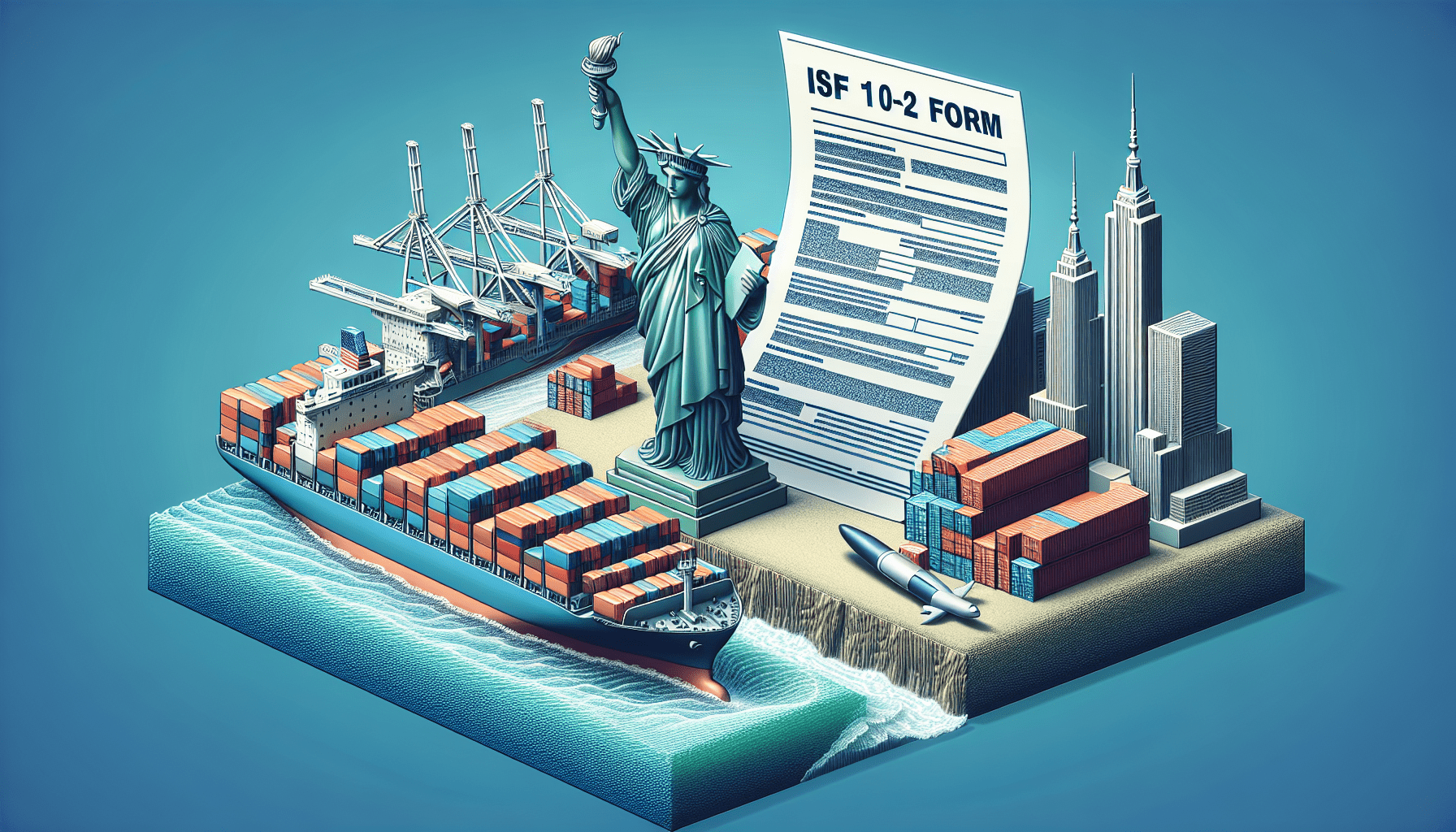
When Should I Submit ISF 10+2?

Submitting ISF 10+2, or Importer Security Filing, is a critical step in the customs clearance process for goods entering the United States. This article provides valuable insights on the ideal timing for submitting the ISF 10+2 form. By understanding the importance of compliance, adhering to the submission deadlines, and considering the potential consequences of late filing, you can ensure a smooth and efficient importation process that avoids any unnecessary delays or penalties.
Understanding ISF 10+2
What is ISF 10+2?
ISF 10+2 stands for Importer Security Filing and Additional Carrier Requirements. It is a filing requirement imposed by the U.S. Customs and Border Protection (CBP) for ocean cargo entering the United States. The ISF 10+2 requires importers and carriers to provide specific information about the goods being transported, including details about the shipper, consignee, cargo, and vessel.
Why is ISF 10+2 required?
The purpose of ISF 10+2 is to enhance national security and improve risk assessment by providing the CBP with advance information about cargo arriving in the United States. By collecting this data, the CBP can identify high-risk shipments and take the necessary measures to safeguard the country from potential security threats. ISF 10+2 also helps streamline the customs clearance process and reduce the risk of delays or penalties for importers and carriers.
Who is responsible for submitting ISF 10+2?
The responsibility for submitting the ISF 10+2 falls either on the importer or the carrier, depending on who has the necessary information. If the importer or their authorized agent has the information, they are responsible for timely filing. However, if the carrier has the required information, they must submit the filing to the CBP. It is crucial for importers and carriers to coordinate and ensure that the ISF 10+2 is filed accurately and on time to avoid any complications.
Timeline for ISF 10+2 Submission
Before loading of cargo
The ISF 10+2 should be submitted before the cargo is loaded onto the vessel bound for the United States. It is essential to allow sufficient time for gathering the required information, verifying its accuracy, and preparing the submission. Failing to submit the ISF 10+2 before the loading of cargo can result in delays or penalties.
After loading of cargo
Once the cargo has been loaded onto the vessel, amendments or updates to the ISF 10+2 are limited. Therefore, it is crucial to ensure that the information provided in the initial filing is accurate and complete before the cargo is loaded. In case any changes or updates are necessary, immediate communication with the CBP is recommended.
10+2 hours before vessel departure
The ISF 10+2 must be filed with the CBP at least 10 hours before the vessel’s departure for the United States. This allows sufficient time for the CBP to review the information, conduct risk assessments, and make any necessary security-related decisions. Failing to meet this deadline can lead to penalties and potential delays in cargo clearance.
Considerations for Early Submission
Advantages of submitting ISF 10+2 early
Submitting the ISF 10+2 well in advance of the deadline can provide several advantages. Firstly, it allows for better planning and coordination, enabling importers and carriers to address any issues or discrepancies before the cargo is loaded. Early submission also minimizes the risk of delays in cargo clearance, as there is ample time for the CBP to review the information and make any necessary assessments.
Additionally, early submission demonstrates a commitment to compliance and cooperation with customs regulations. It can help build trust with the CBP and establish a favorable relationship, which may prove beneficial in future shipments.
Potential challenges of early submission
Although early submission of the ISF 10+2 is beneficial in most cases, it may present certain challenges. One potential challenge is the availability of accurate and complete information at an early stage. Importers and carriers may not always have access to all the necessary details in advance, especially if there are uncertainties regarding the shipment. It is crucial to establish effective communication channels with supply chain partners and ensure timely information exchange to overcome such challenges.
Another challenge is any potential changes in the shipment details after the ISF 10+2 is submitted. If any updates or amendments are required, it is essential to promptly notify the CBP and provide the revised information to avoid potential penalties or delays in cargo clearance.
Considerations for Late Submission
Possible consequences of late submission
Submitting the ISF 10+2 after the specified deadline can have several consequences. Late submission is considered a violation of customs regulations, which can lead to penalties imposed by the CBP. These penalties can range from monetary fines to more severe consequences, such as cargo holds or even the denial of entry into the United States.
Furthermore, late submission can cause potential delays in cargo clearance, as the CBP requires sufficient time to review the information and conduct necessary risk assessments. Any delays can result in additional costs, including demurrage charges for delayed cargo at the port.
Penalties for delayed ISF 10+2 submission
The CBP takes the submission of the ISF 10+2 seriously and imposes penalties for non-compliance. If the ISF 10+2 is not submitted within the specified timeframe, importers can face penalties of up to $5,000 per violation. These penalties are enforceable regardless of the cargo’s admissibility, and multiple violations can result in cumulative fines.
Carriers also have obligations related to the ISF 10+2 and can face penalties for non-compliance. The CBP may penalize carriers up to $5,000 for each shipment without a timely filed ISF 10+2.
Importers and carriers must understand the importance of timely submission and comply with the ISF 10+2 requirements to avoid penalties and ensure smooth cargo clearance.
Factors Affecting Submission Timing
Cargo readiness
The readiness of the cargo plays a crucial role in determining the timing of ISF 10+2 submission. Importers and carriers must ensure that they have access to accurate and complete information about the cargo before filing. Cargo readiness includes having details such as the shipper’s full name and address, the consignee information, and a precise description of the goods.
If the cargo is not yet ready, importers and carriers should focus on gathering the necessary information and coordinating with supply chain partners to ensure a timely and accurate ISF 10+2 submission once the cargo is prepared for shipment.
Logistical constraints
Logistical constraints, such as transit times and vessel schedules, can significantly impact the timing of ISF 10+2 submission. Importers and carriers must consider the estimated time of arrival at the U.S. port and work backward to establish a suitable submission timeline. It is crucial to account for potential delays and plan ahead to meet the CBP’s 10+2 hours before vessel departure requirement.
Communication with shipping lines, freight forwarders, and other supply chain partners is vital to ensure alignment and timely submission. Collaboration allows for effective planning and coordination, minimizing the risk of late submissions.
Documentation availability
Accessible and accurate documentation is vital for ISF 10+2 submission. Importers and carriers should ensure that they have all the necessary documents, including bills of lading, commercial invoices, and packing lists, well in advance. Availability of the required documentation enables the timely gathering of information and facilitates the completion of the ISF 10+2 filing.
If any documents are missing or incomplete, importers and carriers should proactively address these issues to avoid delays or inaccuracies in the submission. Prompt communication with relevant parties, such as customs brokers or suppliers, can help expedite the process and ensure compliance with the ISF 10+2 requirements.
Exceptions and Exemptions
Limited types of shipments exempted from ISF 10+2
Certain types of shipments are exempt from the ISF 10+2 requirements. These exemptions primarily apply to goods being transported under specific circumstances. For instance, shipments of personal effects, household goods, shipments valued at or below $800 (de minimis), and goods transported under bond or in-bond transportation are generally exempt from the ISF 10+2 filing.
However, it is crucial to consult the CBP guidelines and regulations to determine the specific exemptions applicable to a shipment. Importers and carriers should verify eligibility for exemptions to ensure compliance with customs requirements.
Exceptions for foreign-received cargo
In some cases, receivers of foreign-received cargo may be exempt from filing the ISF 10+2. This exemption depends on factors such as the appointment of an agent in the United States to act as a “transmitting party” and the specific process implemented by the CBP for such cargo. Importers should consult with customs brokers or specialists to understand the requirements and exemptions related to foreign-received cargo.
Understanding exemptions and exceptions is crucial in determining the specific requirements for each shipment and ensuring compliance with the ISF 10+2 regulations.
Best Practices for ISF 10+2 Submission
Keeping accurate and up-to-date records
Maintaining accurate and up-to-date records is essential for smooth ISF 10+2 submission. Importers and carriers should establish robust record-keeping processes to ensure the availability of necessary documentation and the accuracy of the information provided in the filing.
Having well-organized records allows for quick retrieval of information, reduces the risk of errors or omissions, and facilitates prompt amendments or updates when necessary. Importers and carriers should implement efficient record-keeping systems to comply with customs requirements and facilitate a seamless submission process.
Consulting with customs brokers or experts
Given the complexity and evolving nature of customs regulations, it is highly recommended to consult with experienced customs brokers or experts. These professionals possess in-depth knowledge and understanding of the ISF 10+2 requirements and can provide valuable guidance and support throughout the submission process.
Customs brokers can assist in gathering the necessary information, preparing accurate filings, and ensuring compliance with customs regulations. Their expertise helps importers and carriers navigate potential challenges and minimize the risk of errors or penalties.
Regular monitoring and tracking of cargo
Monitoring and tracking cargo throughout the supply chain is crucial for ISF 10+2 compliance. Importers and carriers should adopt effective tracking systems to ensure real-time visibility and timely information exchange. Regular monitoring allows for the identification of any deviations or delays, enabling prompt actions to address issues and meet the submission timeline.
Utilizing reliable tracking technologies, such as RFID tags or GPS systems, can provide accurate and up-to-date information about the cargo’s location and status. Implementing automated tracking systems can streamline the monitoring process and enhance compliance with the ISF 10+2 requirements.
Common Mistakes to Avoid
Inaccurate or incomplete information
Providing inaccurate or incomplete information in the ISF 10+2 filing can lead to penalties and delays in cargo clearance. Importers and carriers must ensure the accuracy and completeness of the data submitted, including details about the shipper, consignee, cargo, and vessel. Any errors or omissions should be promptly identified and corrected to maintain compliance with customs regulations.
To avoid mistakes, it is essential to double-check the information before submission, verify it with relevant parties, and leverage technology solutions that facilitate accurate data entry and validation. Accuracy and completeness are key factors in a successful ISF 10+2 submission.
Failure to update ISF 10+2 when changes occur
Failure to update the ISF 10+2 when changes occur in the shipment details can result in non-compliance and potential penalties. Importers and carriers must promptly notify the CBP about any amendments, revisions, or updates to the initially filed ISF 10+2.
Changes may include modifications in the cargo, shipper or consignee details, or any other relevant information. Timely communication with the CBP and the provision of revised information help ensure adherence to customs regulations and facilitate the smooth processing of the cargo.
Frequently Asked Questions (FAQs)
What if I miss the ISF 10+2 submission deadline?
Missing the ISF 10+2 submission deadline can have consequences, including penalties and delays in cargo clearance. Importers and carriers must make every effort to meet the specified deadlines to maintain compliance. In case of a missed deadline, immediate communication with the CBP is essential. Importers and carriers should provide the necessary information and explain the circumstances to the CBP for a resolution.
Can I revise or update my ISF 10+2 after submission?
While limited amendments or updates to the ISF 10+2 are allowed after submission, it is crucial to promptly notify the CBP about any changes. Importers and carriers should inform the CBP and provide revised information to ensure compliance with customs regulations and avoid potential penalties. Communication with the CBP is key in achieving a smooth resolution when changes occur.
Conclusion
Understanding the ISF 10+2 requirements and adhering to the submission timeline is crucial for successful import operations. Importers and carriers must recognize the importance of providing accurate and complete information, submitting the ISF 10+2 on time, and promptly communicating any changes or updates to the CBP. By following best practices and consulting with customs brokers or experts, importers and carriers can ensure compliance, facilitate smooth cargo clearance, and avoid penalties. Effective coordination, record-keeping, and monitoring systems will streamline the submission process and contribute to the secure and efficient flow of goods into the United States.
Customs Clearance For Rail Shipments

In the realm of international logistics, the efficient and streamlined movement of goods is of utmost importance. When it comes to rail shipments, an essential aspect that cannot be overlooked is customs clearance. The process of customs clearance for rail shipments plays a vital role in ensuring that goods can seamlessly cross borders. From the accurate declaration of goods to adherence to regulations and protocols, this comprehensive process is crucial for businesses looking to transport their goods by rail. In this article, we will explore the intricacies of customs clearance for rail shipments and shed light on the key considerations that businesses must bear in mind to navigate this complex process effectively.

Customs Clearance Process
Rail shipments are subject to the customs clearance process, which is a series of steps that must be followed to ensure that goods can enter or exit a country legally. The customs clearance process involves several important aspects, including documentation, declaration, inspection, and payment of duties and taxes.
Documentation
The first step in the customs clearance process is ensuring that all necessary documents are in order. These documents serve as proof of ownership, value, and origin of the goods being shipped. Without the proper documentation, customs authorities may not allow the goods to enter or exit the country.
Declaration
Customs declaration is a critical step in the customs clearance process. It involves providing detailed information about the goods being shipped, such as their description, quantity, value, and origin. This information helps customs officials assess the correct duties and taxes to be applied to the shipment.
Inspection
Inspection is another key step in the customs clearance process. Customs authorities may conduct inspections to verify the accuracy and completeness of the declaration. Inspections can be physical, involving a thorough examination of the goods, or non-intrusive, such as X-ray scanning to assess the contents of the shipment.
Payment of Duties and Taxes
Once the goods have been declared and inspected, the next step is the payment of duties and taxes. Duties are a type of tax imposed on imported goods, while taxes may include value-added tax (VAT) or goods and services tax (GST), depending on the country. It is important to calculate these costs accurately to avoid delays or additional penalties.
Customs Documentation
To facilitate the customs clearance process for rail shipments, certain documents are required. These documents serve as proof of the goods’ legality and compliance with customs regulations. Some of the essential customs documents for rail shipments include:
Bill of Lading
The bill of lading is a crucial document in international trade. It serves as a contract of carriage between the shipper and the carrier and includes important information such as the names of the parties involved, the description of the goods, the quantity, and the terms of shipment.
Commercial Invoice
A commercial invoice is a document provided by the seller to the buyer, detailing the value and description of the goods sold. This document is used for customs purposes to determine the value of the goods and assess the correct amount of duties and taxes.
Packing List
A packing list provides a detailed description of the contents of the shipment. It includes information such as the number of units, weight, dimensions, and any additional documentation accompanying the goods. This document helps customs authorities verify the accuracy of the declaration and the physical inspection, if required.
Customs Declaration Form
The customs declaration form is a document that requires the shipper to provide detailed information about the goods being shipped. It includes information such as the description, quantity, value, and origin of the goods. This form is necessary for customs authorities to assess the correct duties and taxes to be applied.
Customs Declaration
Accurate and complete customs declarations are essential for a smooth customs clearance process. A customs declaration is a legal document that contains information about the goods being imported or exported. It is important to ensure the accuracy and completeness of the following aspects of the declaration:
Accuracy
The information provided in the customs declaration must be accurate and true to the best of your knowledge. Any false or misleading information can lead to serious consequences, including fines, penalties, or even legal action. It is crucial to double-check all the information before submitting the declaration.
Completeness
The customs declaration must be complete and include all necessary information required by customs authorities. Failing to provide complete information can lead to delays or even rejection of the shipment. Make sure to include details such as the description, quantity, value, and origin of the goods.
Valuation of Goods
The correct valuation of goods is essential for calculating the accurate amount of duties and taxes. Customs authorities use various methods to determine the value of imported or exported goods, including the transaction value, the deductive value, or the computed value. It is important to provide supporting documents and follow the customs regulations for valuation.
Tariff Classification
Each imported or exported good has a specific tariff classification code assigned to it. This code helps customs authorities determine the correct rates of duties and taxes to be applied. It is important to classify goods accurately according to the Harmonized System (HS) codes to avoid delays or potential disputes with customs authorities.
Inspection Procedures
Customs authorities may conduct inspections as part of the customs clearance process to ensure compliance with customs regulations. Inspections can take different forms depending on the nature of the goods and the level of risk associated with the shipment. Some common inspection procedures for rail shipments include:
Physical Inspection
Physical inspection involves a thorough examination of the goods by customs officials. They may inspect the packaging, contents, and documentation to verify the accuracy of the declaration. Physical inspections are particularly common for high-risk goods or when there are suspicions of non-compliance.
X-ray Scanning
X-ray scanning is a non-intrusive inspection method that allows customs officials to scan the contents of the shipment without physically opening the packages. This technology helps identify any hidden or prohibited items that may not be visible during a physical inspection. X-ray scanning is a quick and efficient method that reduces the need for extensive physical inspections.
Sample Testing
In some cases, customs authorities may take samples of the goods for testing or analysis. This is particularly common for goods that require special permits or certifications, such as food products or hazardous materials. Sample testing ensures that the goods comply with the relevant regulations and standards.
Risk-Based Inspection
Customs authorities often employ risk-based inspection strategies to focus their efforts on high-risk shipments. They use various factors, such as the country of origin, the nature of the goods, or the track record of the importer/exporter, to assess the level of risk associated with a particular shipment. This approach allows for more efficient customs clearance processes.
Payment of Duties and Taxes
Payment of duties and taxes is a crucial part of the customs clearance process for rail shipments. Duties are imposed on imported goods to protect domestic industries or generate revenue for the government, while taxes may include VAT or GST. To ensure smooth payment procedures, the following aspects should be considered:
Calculation of Duties and Taxes
The calculation of duties and taxes is based on various factors, including the value, quantity, and classification of the goods. It is essential to accurately calculate these costs to avoid overpayment or underpayment. Customs officials can provide guidance on the applicable rates and methods of calculation.
Tariff Rates
Tariff rates are the rates at which duties are imposed on imported goods. These rates can vary depending on the country of origin, the nature of the goods, and any trade agreements in place. It is important to understand the tariff rates applicable to your goods to calculate the correct amount of duties to be paid.
Harmonized System Codes
Harmonized System (HS) codes are internationally recognized codes that classify goods for customs purposes. These codes help customs authorities determine the correct rates of duties and taxes to be applied. It is crucial to classify your goods accurately according to the HS codes to ensure the correct payment of duties and taxes.
Payment Methods
Customs authorities usually offer various payment methods to facilitate the payment of duties and taxes. These methods can include cash, bank transfers, credit cards, or electronic payment systems. It is important to follow the instructions provided by customs authorities and ensure timely payment to avoid any delays in the customs clearance process.
Customs Clearance Challenges
Customs clearance for rail shipments can present various challenges that need to be addressed to ensure a smooth and efficient process. Some of the common challenges faced during customs clearance include:
Import Restrictions
Import restrictions imposed by the destination country can pose challenges during the customs clearance process. Some countries may restrict the import of certain goods due to safety, health, or environmental concerns. It is crucial to be aware of these restrictions and ensure compliance to avoid any delays or rejection of the shipment.
Prohibited Goods
Certain goods are completely prohibited from being imported or exported. These goods may include weapons, drugs, counterfeit products, or endangered species. It is essential to have a clear understanding of the prohibited goods list and ensure that your shipment does not include any restricted items.
Sanctions and Embargoes
International sanctions and embargoes can also impact the customs clearance process. Certain countries or individuals may be subject to trade restrictions due to political or security reasons. It is crucial to comply with these sanctions and embargoes to avoid any legal consequences or penalties.
Customs Valuation Disputes
Disputes over the valuation of goods can sometimes arise during the customs clearance process. Customs authorities may disagree with the declared value of the goods, leading to delays or additional assessments. It is important to provide supporting documentation and be prepared to resolve any valuation disputes that may arise.
Customs Clearance Agents
Navigating the customs clearance process for rail shipments can be complex and time-consuming. Customs clearance agents play a crucial role in facilitating the process and ensuring compliance with customs regulations. Some key aspects of customs clearance agents include:
Roles and Responsibilities
Customs clearance agents act as intermediaries between importers/exporters and customs authorities. They assist in the preparation of documentation, declaration, and communication with customs officials. Their role is to ensure compliance with customs regulations and facilitate a smooth customs clearance process.
Authorized Customs Broker
An authorized customs broker is a licensed professional who specializes in customs clearance procedures. They have in-depth knowledge of customs regulations and can provide expert advice and assistance in preparing the necessary documents, complying with customs requirements, and navigating potential challenges.
Customs Consultancy Services
Customs consultancy services offer professional guidance and support in customs clearance processes. They provide advice on customs regulations, assist with document preparation, and offer solutions to complex customs issues. Engaging a customs consultancy service can help streamline the customs clearance process and ensure compliance.
Customs Compliance
Customs compliance is a crucial aspect of the customs clearance process. Customs clearance agents and consultancy services help importers/exporters ensure compliance with customs regulations, including accurate documentation, proper declaration, and adherence to import/export restrictions. Compliance with customs requirements reduces the risk of delays or penalties.
Customs Clearance Delays
Delays in the customs clearance process can be costly and disruptive to rail shipments. Several factors can contribute to delays, and it is important to address them proactively. Some common causes of customs clearance delays include:
Bottlenecks at Entry Points
Congestion or bottlenecks at the entry points, such as rail terminals or ports, can cause delays in the customs clearance process. It is important to plan shipments in advance and consider peak times, holidays, or any other factors that may contribute to congestion. Working closely with customs authorities and logistics providers can help mitigate such delays.
Incorrect Documentation
Incomplete or inaccurate documentation can significantly delay the customs clearance process. Customs authorities require specific documents, and any discrepancies or missing information can lead to delays or even rejection of the shipment. It is crucial to double-check all the documentation and ensure its accuracy and completeness before submission.
Discrepancies in Declarations
Discrepancies between the declaration and the actual condition or value of the goods can cause delays in customs clearance. Customs authorities may require additional information or clarification, leading to extended processing times. It is important to provide accurate and consistent information to avoid such delays.
Random Inspections
Customs authorities may conduct random inspections, even for low-risk shipments. Random inspections can cause delays, as they require additional time and resources. While random inspections cannot be predicted or avoided, ensuring accurate and complete documentation can help expedite the process.
Benefits of Rail Shipments for Customs Clearance
Rail shipments offer several advantages for the customs clearance process compared to other modes of transportation. These benefits contribute to smoother and more efficient customs clearance for rail shipments. Some key benefits of rail shipments for customs clearance include:
Cost-Effective Transportation
Rail transportation is often a cost-effective option for shipping goods. Compared to air or sea freight, rail shipments can offer lower transportation costs, reducing the overall expenses involved in the customs clearance process.
Efficient Handling of Large Volumes
Rail transport is well-suited for handling large volumes of goods. It provides ample space for accommodating bulk shipments, which can be advantageous in terms of customs clearance. Rail shipments can streamline the handling and processing of large volumes, contributing to a faster customs clearance process.
Reduced Customs Clearance Time
Rail shipments often have shorter transit times compared to other modes of transportation, such as sea freight. The reduced transportation time can translate into shorter customs clearance time, as goods arrive at the customs entry points more quickly. Expedited customs clearance minimizes the potential for delays and ensures timely delivery of goods.
Environmentally Friendly Option
Rail transportation is considered a more environmentally friendly option compared to other modes of transportation, such as air or road. Rail emits fewer greenhouse gases and consumes less fuel per unit of cargo transported. Choosing rail shipments for customs clearance can support sustainability efforts and reduce the carbon footprint associated with transportation.
Conclusion
The customs clearance process for rail shipments is a critical aspect of international trade. It involves various steps, including documentation, declaration, inspection, and payment of duties and taxes. By understanding and complying with customs regulations, ensuring accurate documentation, and engaging customs clearance agents or consultancy services, importers/exporters can navigate the customs clearance process effectively. Rail shipments offer several benefits for customs clearance, including cost-effectiveness, efficient handling of large volumes, reduced customs clearance time, and environmental friendliness. Successful customs clearance for rail shipments requires careful planning, adherence to customs requirements, and proactive management of potential challenges.
How To Clear Customs For Imports

Clearing customs for imports can be a complex and time-consuming process, requiring careful attention to detail and adherence to specific regulations. In order to successfully navigate this procedure, it is crucial to understand the necessary steps and documentation involved. This article will provide you with valuable insights and practical tips on effectively clearing customs for your imports, ensuring smooth and hassle-free transactions. From understanding customs duties and tariffs to preparing accurate documentation and working with customs brokers, this comprehensive guide will equip you with the essential knowledge to streamline your import process and avoid potential pitfalls.

Understanding Customs Clearance
Importance of Customs Clearance
Customs clearance is an essential process when it comes to importing goods into a country. It involves the conformity assessment and verification of imported goods according to the regulations and laws of the importing country. Customs clearance ensures compliance with import duties and taxes, examines goods for safety and security reasons, and helps prevent the entry of prohibited or restricted items. By going through the customs clearance process, importers can ensure smooth transportation of their goods, avoid delays at the border, and minimize the risk of penalties or legal consequences.
Customs Clearance Process
The customs clearance process involves several steps that importers need to follow in order to successfully clear their goods through customs. It begins with researching import regulations of the destination country and calculating import duties and taxes. Importers then engage the services of a customs broker to assist them in preparing the necessary documentation. This documentation includes the commercial invoice, bill of lading, packing list, certificate of origin, import license, and customs declaration form. Once all the required documents are in order, importers need to ensure compliance with import regulations, such as product compliance and certifications, restrictions on certain goods, and intellectual property rights. The next step is to properly package and label the goods, ensuring they meet the packaging and marking requirements of the destination country. Importers then submit the customs declaration form, selecting the correct tariff code and accurately completing the form. Import duties and taxes are calculated and paid, utilizing any duty exemption programs available. The customs examination and clearance process follows, involving a physical inspection of the goods and risk-based auditing. Finally, importers may need to deal with customs delays or issues, by communicating with customs authorities, resolving documentation discrepancies, or appealing customs decisions. Once the goods have cleared customs, post-customs clearance steps include delivery and transport, inventory management and reporting, recordkeeping, and compliance.
Documents Required for Customs Clearance
To successfully clear customs, importers need to prepare and provide various documents. These documents include:
Commercial Invoice
A commercial invoice is a document provided by the seller of the goods, detailing the information about the transaction, such as the description of the goods, quantity, price, terms of sale, and payment terms.
Bill of Lading
A bill of lading is a document issued by the carrier or their agent, acknowledging receipt of the goods for shipment. It includes information about the consignor, consignee, and details of the goods being transported.
Packing List
A packing list provides a detailed breakdown of the contents and quantities of each package, container, or pallet being shipped. It helps customs officials in assessing the volume and weight of the cargo.
Certificate of Origin
A certificate of origin is a document that states the origin of the goods, whether they are produced, manufactured, or processed in a particular country. It is required to determine eligibility for preferential treatment or trade agreements.
Import License
An import license is a document issued by the government of the importing country, granting permission to import certain goods. It is required for goods that are subject to import restrictions or regulations.
Customs Declaration Form
A customs declaration form is a document that provides information about the imported goods, their value, and the importer. It includes details such as the tariff code, description of goods, quantity, and value for customs purposes.
Preparing for Customs Clearance
Researching Import Regulations
Before importing goods, it is crucial to thoroughly research and understand the import regulations of the destination country. Each country has its own set of rules and requirements regarding imports, including restrictions on certain goods, documentation requirements, and import duties and taxes. It is important to be aware of any prohibited or restricted items, as importing these without proper authorization can result in penalties or legal consequences. Additionally, understanding the import duties and taxes applicable to the goods being imported helps in calculating the overall cost and facilitates budgeting.
Calculating Import Duties and Taxes
Import duties and taxes are levied on imported goods by the destination country’s government. These charges vary depending on the type of goods, their value, and the applicable tariff rates. To accurately calculate import duties and taxes, it is important to determine the correct tariff code for the goods. The tariff code, also known as the Harmonized System (HS) code, classifies goods based on their nature, composition, and intended use. It is used to determine the rate of duty applicable to the goods. By calculating the import duties and taxes, importers can assess the cost implications and plan accordingly.
Engaging a Customs Broker
Navigating the customs clearance process can be complex and time-consuming, especially for businesses or individuals without prior experience. Engaging the services of a customs broker can greatly simplify the process and ensure compliance with import regulations. Customs brokers are licensed professionals who specialize in customs procedures and regulations. They have extensive knowledge of import laws, documentation requirements, and customs clearance procedures. A customs broker can assist in preparing the necessary documentation, submitting customs declarations, calculating import duties and taxes, and dealing with any customs issues or delays that may arise. Their expertise and experience can help importers navigate through the customs clearance process smoothly and efficiently.
Preparing Necessary Documentation
Commercial Invoice
The commercial invoice plays a crucial role in the customs clearance process as it provides important information about the transaction. It should include details such as the seller and buyer’s information, a detailed description of the goods, quantity, unit price, total value, terms of sale, and payment terms. The commercial invoice serves as proof of the value of the goods and helps customs authorities determine the applicable duties and taxes.
Bill of Lading
The bill of lading is a critical document that acknowledges the receipt of the goods by the carrier or their agent. It includes information about the consignor, who is the shipper or seller, the consignee, who is the receiver or buyer, and details of the goods being transported. The bill of lading is essential for verifying the identity and ownership of the goods during the customs clearance process.
Packing List
A packing list provides a detailed breakdown of the contents and quantities of each package, container, or pallet being shipped. It includes information such as the number of packages, their dimensions, weight, and a description of the goods contained within each package. The packing list helps customs officials assess the volume and weight of the cargo and verify its contents during the customs examination.
Certificate of Origin
A certificate of origin is a document that certifies the country of origin of the goods. It is required to determine eligibility for preferential treatment under trade agreements or to comply with import regulations. The certificate of origin states whether the goods are produced, manufactured, or processed in a particular country, and may need to be verified by a designated authority or chamber of commerce.
Import License
An import license is a document issued by the government of the importing country, granting permission to import certain goods. It is required for goods that are subject to import restrictions or regulations, such as hazardous substances, controlled substances, or goods that require special permits. The import license ensures compliance with the applicable laws and regulations of the destination country.
Customs Declaration Form
The customs declaration form is a vital document that provides detailed information about the imported goods, their value, and the importer. It includes the tariff code, which is used to determine the rate of duty applicable to the goods. The form also includes a description of the goods, quantity, value for customs purposes, and any additional information required by the customs authorities. Accurately completing the customs declaration form is essential for providing customs officials with the necessary information to assess the goods and calculate the import duties and taxes.
Ensuring Compliance with Import Regulations
Product Compliance and Certifications
Importers must ensure that their goods comply with all applicable product compliance standards and certifications of the destination country. Products that do not meet the required standards or certifications may be rejected or subject to additional scrutiny during customs clearance. It is essential to thoroughly research and understand the specific product regulations and requirements of the destination country. This may include conformity assessment procedures, mandatory labeling requirements, safety standards, and other technical regulations.
Restricted and Prohibited Goods
Importers need to be aware of any restrictions or prohibitions on certain goods in the destination country. Many countries have restrictions on the importation of items such as firearms, certain chemicals, endangered species, or counterfeit goods. Importing restricted or prohibited goods without proper authorization can result in penalties, confiscation of the goods, or legal consequences. It is crucial to research and understand the specific import regulations related to the goods being imported to ensure compliance.
Intellectual Property Rights
Intellectual property rights (IPR) protection is a critical aspect of customs clearance, particularly for goods that are subject to trademark, copyright, or patent protections. Customs authorities work closely with intellectual property rights holders to prevent the importation of counterfeit or infringing goods. Importers should ensure that their goods do not infringe upon any intellectual property rights of others. By demonstrating compliance with IPR regulations and providing the necessary documentation, importers can avoid delays, potential legal disputes, and reputational damage.
Preparing the Shipment for Customs Inspection
Proper Packaging and Marking
Proper packaging and marking of goods are crucial to ensure their safety during transportation and facilitate customs inspection. Goods should be packaged securely to prevent damage or breakage during transit. Fragile items should be adequately protected with appropriate cushioning materials. Packages should be clearly marked with labels indicating the contents, quantity, and any specific handling requirements. It is important to follow the packaging standards and guidelines of the destination country to avoid delays or damage to the goods during customs inspection.
Labeling Requirements
Products being imported may be subject to specific labeling requirements in the destination country. Labeling requirements typically include information such as product name, country of origin, manufacturer’s information, ingredients or materials used, and safety warnings or instructions. Importers should ensure that their products are properly labeled according to the applicable regulations of the destination country. Failure to comply with labeling requirements can result in delays or rejection of the goods during customs clearance.
Pre-shipment Inspection
Certain countries require pre-shipment inspection of goods before they can be imported. Pre-shipment inspection involves an independent inspection agency verifying the quantity, quality, and condition of the goods prior to shipment. The purpose of pre-shipment inspection is to ensure compliance with product standards, prevent the importation of substandard or counterfeit goods, and protect consumers. Importers should be aware of any pre-shipment inspection requirements in the destination country and make necessary arrangements to comply with them.
Submitting Customs Declaration
Selecting the Correct Tariff Code
The tariff code, also known as the Harmonized System (HS) code, is a unique code that classifies goods for customs purposes. It is essential to accurately determine the correct tariff code for the goods being imported, as it determines the rate of duty applicable to the goods. Selecting the correct tariff code ensures that the goods are properly classified and assessed for import duties and taxes. Misclassification of goods can lead to incorrect assessment of duties, delays in customs clearance, or potential penalties.
Completing the Customs Declaration Form
The customs declaration form is a crucial document that provides detailed information about the imported goods and the importer. It is important to accurately complete the customs declaration form, providing all the required information and ensuring its consistency with the other supporting documents. The form typically includes details such as the tariff code, description of the goods, quantity, value for customs purposes, and any additional information required by the customs authorities. Any discrepancies or inaccuracies in the customs declaration form can result in delays or penalties during the customs clearance process.
Submitting Import Entry
Once the customs declaration form is completed, it needs to be submitted to the customs authorities along with any required supporting documentation. Importers should make sure to submit the import entry within the specified timeframe and comply with any additional procedural requirements. The import entry will be assessed by customs officials to determine the accuracy and compliance of the declared information. Upon successful submission of the import entry, importers can proceed to the next steps of the customs clearance process.
Paying Import Duties and Taxes
Calculating Import Duties and Taxes
Import duties and taxes are calculated based on the type of goods, their value, and the applicable tariff rates. It is important to accurately calculate the import duties and taxes to assess the overall cost of importing goods. The tariff code, also known as the Harmonized System (HS) code, determines the rate of duty applicable to the goods. By accurately determining the tariff code and understanding the applicable tariff rates, importers can calculate the import duties and taxes payable to the customs authorities.
Paying Customs Duties and Fees
Importers are required to pay the calculated import duties and taxes to the customs authorities before the goods can be cleared. The payment can usually be made electronically, through methods such as bank transfers or online payment systems. Importers should ensure timely and accurate payment of the customs duties and fees to avoid any delays or penalties. Proof of payment should be retained and provided to the customs authorities as part of the customs clearance process.
Utilizing Duty Exemption Programs
Certain countries offer duty exemption programs or preferential trade agreements that can reduce or eliminate import duties on specific goods. These programs aim to promote trade, support local industries, or foster economic partnerships between countries. Importers should research and explore any duty exemption programs or preferential trade agreements applicable to their goods. By utilizing these programs, importers can potentially reduce the import duties and taxes, making their goods more competitive in the market.
Customs Examination and Clearance Process
Physical Inspection of Goods
Customs authorities may conduct a physical inspection of the imported goods to verify their compliance with import regulations, safety requirements, and intellectual property rights. Physical inspection involves visually examining the goods, checking their packaging and labeling, and comparing them with the descriptions provided in the customs declaration form and supporting documents. The purpose of the inspection is to ensure that the goods actually match the declared information and comply with the applicable regulations.
Risk-Based Auditing
Customs authorities may apply risk-based auditing techniques to select certain shipments for further scrutiny. Risk-based auditing involves analyzing various risk factors, such as the country of origin, type of goods, importer’s compliance history, and intelligence information, to determine the level of risk associated with a shipment. Shipment selection for risk-based auditing is aimed at identifying potential smuggling, fraud, or non-compliance with import regulations. Importers should be prepared for the possibility of their shipments being subjected to risk-based auditing and cooperate fully with customs authorities during the process.
Clearing Customs
Once the goods have successfully passed the customs examination and any necessary inspections, and all import duties and taxes have been paid, the goods are considered cleared by customs. The customs authorities will issue a customs clearance document or release order, which indicates that the goods have met all the requirements and can proceed to their final destination. Importers should retain the customs clearance document for record-keeping purposes and provide it to relevant parties involved in the transportation and delivery of the goods.
Dealing with Customs Delays or Issues
Communicating with Customs Authorities
In case of customs delays or issues, effective communication with customs authorities is crucial. Importers should proactively reach out to the customs authorities to inquire about the reasons for the delay or to seek clarification on any issues. It is important to maintain a respectful and professional approach when communicating with customs authorities and provide any requested information or supporting documents promptly. Open and transparent communication can help expedite the customs clearance process and resolve any issues in a timely manner.
Resolving Documentation Discrepancies
Any discrepancies or inaccuracies in the documentation submitted to customs authorities can lead to delays or potential penalties. Importers should carefully review and cross-check all the supporting documents, such as the commercial invoice, bill of lading, packing list, and customs declaration form, to ensure their consistency and accuracy. In case of any discrepancies, importers should consult with their customs broker or legal representative to resolve the issue and make the necessary corrections or amendments to the documentation.
Appealing Customs Decisions
In some cases, importers may disagree with customs decisions, such as the assessment of import duties and taxes or the classification of goods. Importers have the option to appeal these decisions by following the established procedures and timelines set by the customs authorities. Appeals usually involve providing additional information or evidence to support the request for reconsideration. Importers should consult with their customs broker or legal representative to understand the appeal process and ensure compliance with the requirements. A well-presented and supported appeal can potentially lead to a favorable outcome for the importer.
Post-Customs Clearance Steps
Delivery and Transport
Once the goods have cleared customs, arrangements should be made for their delivery and transportation to their final destination. Importers should coordinate with the appropriate transportation providers, such as freight forwarders or logistics companies, to ensure smooth and timely delivery. It is important to provide accurate and up-to-date delivery instructions and to track the progress of the shipment to anticipate any potential delays or issues that may arise during transportation.
Inventory Management and Reporting
Importers should have effective inventory management systems in place to track and monitor the imported goods. Accurate records of the quantity, value, and location of the goods should be maintained to facilitate inventory reconciliation and reporting. Importers may be required to provide periodic or ad-hoc reports to customs authorities or other relevant regulatory bodies. Compliance with inventory management and reporting requirements helps ensure transparency and accountability in the import process.
Recordkeeping and Compliance
Importers are generally required to maintain records related to the import of goods for a specified period of time, as determined by the customs authorities. This includes records of the commercial invoice, bill of lading, packing list, customs declaration form, and any other relevant documentation. These records should be stored securely and made easily accessible, as they may be requested by customs authorities for audit or verification purposes. Importers should comply with the recordkeeping requirements to demonstrate their commitment to transparency and compliance with import regulations.
In conclusion, understanding the customs clearance process is essential for importers to successfully navigate through the intricacies and requirements of importing goods. By conducting thorough research, preparing the necessary documentation, ensuring compliance with import regulations, properly packaging the goods, accurately completing customs declaration forms, paying import duties and taxes, and effectively communicating with customs authorities, importers can streamline the customs clearance process and minimize the risk of delays or penalties. Importers should stay updated on the ever-changing import regulations, seek professional assistance when needed, and maintain accurate records to ensure compliance and successful customs clearance.
How Do I Handle Import Documentation For Low-value Shipments?

In the world of international trade, import documentation plays a crucial role in ensuring smooth and efficient shipment processes. However, when it comes to handling low-value shipments, the complexity and cost associated with import documentation can often pose challenges for businesses. This article provides valuable insights and practical tips on effectively navigating the intricacies of import documentation for low-value shipments, enabling businesses to streamline their import processes and minimize costs.

Understanding import documentation requirements
Importing goods involves a series of complex processes, and one crucial aspect is fulfilling the import documentation requirements. These requirements are governed by customs regulations and play a vital role in ensuring smooth and compliant trade operations. As an importer, it is essential to have a comprehensive understanding of these requirements to avoid delays, penalties, and other complications. This article will guide you through the understanding, handling, and processing of import documentation, particularly for low-value shipments.
Learn about customs regulations
Customs regulations are laws and policies formulated by each country to regulate the flow of goods in and out of its borders. These regulations serve multiple purposes, including protecting national security, facilitating fair trade practices, and collecting revenue. It is crucial to familiarize yourself with the customs regulations of the countries you are importing from and into. This knowledge will help you navigate the import documentation requirements specific to each country and ensure compliance with their customs laws.
Understand the role of import documentation
Import documentation plays a crucial role in international trade by providing information about the imported goods and the transaction. These documents serve various purposes, such as facilitating customs clearance, determining applicable duties and taxes, and enabling accurate statistical reporting. Import documentation also provides evidence of compliance with any regulatory or legal requirements. By understanding the role of import documentation, you can ensure timely and smooth processing of your shipments while maintaining compliance with customs regulations.
Research specific requirements for low-value shipments
When dealing with low-value shipments, it is essential to research and understand the specific import documentation requirements applicable to such goods. Low-value shipments usually refer to goods below a certain threshold, which varies from country to country. These requirements may differ from those applied to high-value shipments, considering factors such as simplified documentation procedures and reduced customs duties. By being aware of these specific requirements, you can streamline your import documentation processes and minimize administrative burdens for low-value shipments.
Initial steps for handling import documentation
Before diving into the intricacies of import documentation, there are a few initial steps you should take to ensure a smooth process.
Identify the goods being imported
The first step in handling import documentation is to accurately identify the goods you are importing. This includes understanding their precise nature, composition, and intended use. Accurate identification is crucial for determining the relevant import regulations, customs procedures, and necessary documentation.
Verify the value of the shipment
Once you have identified the goods, it is vital to verify the value of the shipment. The value declaration affects the calculation of customs duties and taxes, as well as determines if it falls within the low-value shipment threshold. Proper verification of the shipment value ensures compliance with customs regulations and prevents any potential discrepancies that may result in delays or penalties.
Categorize the shipment according to customs rules
To determine the specific import documentation requirements, you need to categorize your shipment in accordance with customs rules. Goods are classified based on a universally recognized system called the Harmonized System (HS). This system assigns a unique code to each product category, facilitating customs clearance and determining applicable duties and taxes. Categorizing your shipment correctly ensures that you adhere to the specific import documentation requirements associated with its HS code.
Required import documents for low-value shipments
Low-value shipments may require specific import documents. Here are some of the essential documents you should familiarize yourself with:
Commercial invoice
The commercial invoice is a fundamental document that provides details of the imported goods, such as the description, quantity, value, and terms of sale. It serves as evidence of the commercial transaction between the buyer and the seller, as well as provides information for customs valuation purposes. The commercial invoice should accurately reflect the value of the goods and include any additional charges, discounts, or rebates.
Packing list
A packing list provides a detailed breakdown of the contents of each package within a shipment. It includes information such as the number of packages, their dimensions, weight, and a description of the goods. The packing list is crucial for customs authorities to verify the contents of the shipment against the provided information, ensuring accuracy and facilitating efficient examination processes.
Bill of lading or airway bill
The bill of lading (for sea shipments) or airway bill (for air shipments) serves as a contract between the shipper and the carrier. It provides proof of receipt of goods for transportation and acts as a title document for the goods while in transit. The bill of lading or airway bill also contains essential information such as the origin and destination of the goods, the parties involved, and any specific instructions or terms of carriage.
Customs declaration or entry form
The customs declaration, also known as the entry form, is a document that provides detailed information about the imported goods to the customs authorities. It includes data such as the value, quantity, origin, and classification of the goods. The customs declaration serves as a legal document that allows customs officials to assess applicable duties and taxes, determine compliance with regulations, and facilitate customs clearance.
Preparing accurate and complete documentation
To ensure a smooth importation process, it is crucial to prepare accurate and complete import documentation. Here are some key steps to follow:
Ensure correct shipment details on the commercial invoice
The commercial invoice should include accurate and complete details regarding the imported goods and the transaction. Ensure that the description, quantity, and value of the goods are correctly stated. Additionally, provide any additional required information, such as packaging, marks, or labels, as specified by customs regulations.
Include all necessary information on the packing list
The packing list should provide a comprehensive breakdown of the shipment, included packages, and their contents. Include accurate and detailed information such as package count, dimensions, weight, and a description of the goods. Make sure the packing list matches the actual contents of the shipment to avoid discrepancies during customs inspection.
Obtain the correct bill of lading or airway bill
Select the appropriate bill of lading or airway bill based on the mode of transportation chosen for your shipment. Ensure that the document contains accurate information about the shipper, the consignee, and the description and quantity of the goods. Double-check for any specific instructions or requirements provided by the carrier regarding the completion and submission of the bill of lading or airway bill.
Fill out the customs declaration or entry form accurately
The customs declaration or entry form should be completed accurately and in accordance with the customs regulations of the importing country. Provide all necessary information, such as the value, quantity, and classification of the goods, as well as any additional requested details. Review the completed form to ensure accuracy and consistency with the rest of the import documentation.
Import document processing and submission
After preparing the import documentation, you need to process and submit it to the customs authorities. Here’s a general overview of how this process works:
Review and organize the documentation
Before submitting your import documents, thoroughly review them to ensure accuracy, consistency, and compliance with customs regulations. Organize the documentation in a logical order, making it easy for customs officials to review and process. Providing well-organized documentation helps streamline the import clearance process and reduces the likelihood of delays or errors.
Provide the required documents to customs
Once you have reviewed and organized the import documentation, you need to provide it to the customs authorities in the manner specified by their regulations. This can include electronic submission through customs portals or physically submitting hard copies of the documents. Follow the customs guidelines and requirements to ensure proper submission and avoid any potential complications.
Submit the documents electronically or physically
Depending on the customs requirements of the importing country, you may need to submit your import documents electronically or physically. Electronic submission is increasingly becoming the preferred method, as it offers convenience, efficiency, and reduces the reliance on physical paperwork. However, some countries may still require physical document submission, especially for certain types of goods or specific customs procedures. Adhere to the specified submission method to ensure compliance with customs regulations.
Understanding customs clearance process for low-value shipments
Once the import documents are submitted, they undergo a customs clearance process. Familiarize yourself with the customs clearance process specific to low-value shipments to better understand the subsequent steps:
Verification and inspection of documents
Customs authorities will verify the import documents to ensure compliance with customs regulations and to verify the accuracy of the information provided. They may also conduct physical inspections of the goods to validate the declared information and identify any discrepancies or irregularities. Cooperate with customs officials during this process and provide any additional information or documentation they may require.
Assessment of applicable customs duties and taxes
Customs authorities will assess the applicable customs duties and taxes based on the information provided in the import documents. The value, quantity, classification, and origin of the goods determine the amount of duties and taxes to be paid. Low-value shipments may benefit from simplified duty and tax structures or exemptions, as per the customs regulations of the importing country. Ensure that the import documents accurately reflect the necessary information to avoid any miscalculations or disputes regarding duty and tax assessments.
Clearance by customs authorities
Once the import documents have been verified, the applicable duties and taxes have been assessed, and any necessary inspections have been completed, customs authorities will grant clearance for the low-value shipment. This clearance allows the goods to be released from customs control and proceed with delivery to the consignee. Promptly adhere to any clearance instructions provided by customs authorities and ensure compliance with any additional requirements or conditions stipulated by them.
Utilizing technology for import documentation
Technology has revolutionized various aspects of international trade, including import documentation. Leverage technology to streamline your import documentation processes, improve efficiency, and reduce the likelihood of errors. Here are some ways to effectively utilize technology:
Explore electronic documentation options
Many countries now offer electronic documentation options, allowing importers to submit import documents electronically through customs portals or dedicated platforms. Explore these options and assess their suitability for your import operations. Electronic documentation offers benefits such as reduced paperwork, faster document transmission, improved accessibility, and enhanced accuracy through automated data validation.
Use online platforms for document submission
Online platforms specifically designed for import documentation management can streamline the entire process. These platforms provide integrated solutions for document creation, collaboration, submission, and tracking. They often offer features such as document templates, real-time updates, and secure storage. Utilizing such platforms can significantly reduce the administrative burden associated with import documentation while ensuring compliance with customs regulations.
Consider customs clearance software solutions
Customs clearance software solutions automate various stages of the import documentation process, including data entry, document creation, and submission. These software solutions integrate with customs systems, allowing for seamless exchange of information and reducing the likelihood of errors. Features such as real-time status updates, automated notifications, and compliance checks further enhance the efficiency and accuracy of import documentation processes.
Engaging a customs broker or agent
Navigating the complexities of import documentation can be daunting, particularly for businesses without prior experience or limited resources. Engaging a customs broker or agent can provide valuable support and expertise in handling import documentation. Here are some considerations when engaging a customs broker or agent:
Benefits of using a customs broker
A customs broker is a licensed professional who specializes in customs regulations and procedures. By utilizing their services, you can benefit from their knowledge and experience in navigating the complexities of import documentation. Customs brokers can help ensure accurate completion and submission of the required documents, assist in customs clearance processes, provide advice on compliance matters, and handle any potential issues or disputes that may arise during the importation process.
How to find a reliable customs broker
When selecting a customs broker, consider their expertise and track record in handling import documentation for low-value shipments. Seek referrals from trusted sources such as other importers, industry associations, or trade organizations. Conduct thorough research, evaluate their qualifications, and inquire about their experience with low-value shipments. Choose a customs broker who demonstrates a comprehensive understanding of the import regulations and documentation requirements that apply to your specific goods and trade lanes.
Working with a customs agent
In addition to customs brokers, you may also engage a customs agent who can assist with various aspects of the import documentation process. A customs agent can act as a liaison between you and customs authorities, providing guidance, and ensuring compliance. They can also help with import document preparation, submission, and follow-up, acting on your behalf. Collaborating with a customs agent can alleviate some of the administrative burdens associated with import documentation, allowing you to focus on your core business activities.
Common mistakes to avoid in handling import documentation
The accurate and timely preparation of import documentation is crucial for successful and compliant imports. To avoid potential complications or delays, be aware of common mistakes that should be avoided:
Incomplete or inaccurate information
One of the most critical mistakes to avoid is providing incomplete or inaccurate information on import documents. Take the time to verify the details, quantities, and values of the goods before completing the documents. Inaccurate information can lead to complications during customs clearance, potential penalties, and delays in the release of your goods.
Missing or incorrect supporting documents
Import documents often require supporting documents to validate the information provided. Failure to include these supporting documents or submitting incorrect versions can cause unnecessary delays. Ensure that all necessary supporting documents, such as certificates of origin, licensing documents, or permits, are accurately completed and submitted along with the main import documents.
Delayed submission of import documents
Submitting import documents after the prescribed deadline can lead to significant delays in customs clearance. Familiarize yourself with the specific deadlines or timeframes provided by the customs authorities and ensure proper planning and compliance. Procrastination or delays in document submission can disrupt your entire supply chain and result in additional costs or penalties.
Additional considerations for low-value shipments
When handling low-value shipments, there are additional considerations to keep in mind to optimize your import documentation processes:
Importing goods under special trade programs
Certain countries offer special trade programs or schemes that provide benefits for low-value shipments. These programs may simplify import documentation requirements, reduce or exempt customs duties, or provide other incentives. Research and evaluate whether your low-value shipments qualify for any of these programs, as they can significantly streamline your import documentation processes and improve overall cost-effectiveness.
Exemptions and thresholds for low-value shipments
Each country establishes specific exemptions and thresholds for low-value shipments. Familiarize yourself with these exemptions and thresholds to determine which shipments qualify for simplified customs procedures or reduced duties. Understanding these exemptions can help you minimize administrative burdens and optimize the cost-effectiveness of your import operations.
Audits and post-clearance actions
Even after your low-value shipments have been cleared by customs, it is essential to be prepared for potential audits or post-clearance actions. Customs authorities may conduct audits to verify the accuracy and compliance of the import documents and the corresponding transactions. Be diligent in maintaining accurate records and documentation to support the information provided in the import documents. Respond promptly and cooperatively to any requests for additional information or audits by customs authorities.
In conclusion, handling import documentation for low-value shipments requires a comprehensive understanding of customs regulations, specific requirements, and proper preparation. By following the initial steps, preparing accurate documentation, utilizing technology, engaging customs brokers or agents if necessary, and avoiding common mistakes, you can ensure a smooth and compliant importation process. Stay updated on the applicable customs regulations, utilize available resources and technology, and seek professional guidance when needed to optimize your import documentation processes. By doing so, you can efficiently manage the paperwork associated with low-value shipments, ensuring timely delivery and compliance with customs regulations.
Customs Clearance Process Flow

In the world of international trade, navigating through the intricacies of customs clearance can be a daunting task. Understanding the customs clearance process flow is essential for businesses to ensure that their goods smoothly pass through the hands of customs authorities. This article provides an overview of the customs clearance process, highlighting the key steps involved from the moment your goods arrive at the border to when they are released for distribution. By familiarizing yourself with this process, you can streamline your import or export operations, avoid costly delays, and maintain compliance with customs regulations.

Customs Clearance Process Flow
Definition of Customs Clearance
Customs clearance refers to the procedures and formalities that must be completed to allow the import or export of goods through customs. It is the process of getting the necessary approvals, documentation, and inspections to ensure that goods comply with the laws and regulations of the importing or exporting country.
Importance of Customs Clearance
Customs clearance is of utmost importance in international trade as it ensures compliance with customs regulations, facilitates the smooth movement of goods across borders, and helps to avoid penalties and delays.
Parties Involved in Customs Clearance
Several parties are involved in the customs clearance process. These include customs authorities, importers/exporters, freight forwarders, customs brokers, and transportation companies. Each party has a specific role to play in ensuring the smooth and efficient clearance of goods.
Key Documents Required for Customs Clearance
Various documents are required for customs clearance. These include a commercial invoice, bill of lading, packing list, customs declaration, certificate of origin, insurance certificate, and import/export license. These documents provide the necessary information about the goods being imported or exported, their value, origin, and other important details.
Step-by-Step Process of Customs Clearance
The customs clearance process can be divided into several steps. These steps include preparation, customs entry, document submission, customs inspection, assessment of duties and taxes, payment, release of goods, and post-clearance review. Each step is crucial in ensuring a smooth clearance process.
Pre-Arrival Customs Clearance
Pre-arrival customs clearance involves several activities that take place before the goods arrive at the port or airport. These activities include electronic data interchange (EDI) submission, advance cargo information, risk assessment, document verification, and temporary storage. By completing these activities in advance, potential delays and issues can be addressed proactively.
Arrival and Inspection
Upon arrival, the goods undergo physical examination and verification of documents by customs authorities. Customs officers may also conduct sampling and testing of certain goods and subject them to quarantine and inspection procedures. In cases where prohibited goods are identified, customs may seize and confiscate them.
Customs Examination and Assessment
The customs examination and assessment stage involves the classification of goods, valuation of goods, determination of origin, and the application of applicable duties and taxes. Customs officers determine the appropriate tariff classification for the goods based on their characteristics, and then assign the corresponding tariff rate. The value of the goods is assessed for the purpose of calculating customs duties and taxes. Additionally, customs officers determine the country of origin to verify eligibility for any trade agreements or preferential treatment.
Payment of Duties and Taxes
Once the assessment is complete, the importer is required to pay the applicable duties and taxes. Payment can be made electronically or through other approved methods. It is important to note that failure to pay customs duties and taxes may result in penalties and delays in releasing the goods.
Release of Goods
After the payment of duties and taxes, the customs authorities issue a release order to allow the goods to be released from customs control. The release order grants permission for the goods to be delivered to their intended destination. The transportation company involved in the shipment then arranges for the delivery of the goods to the importer’s premises or another designated location.
Definition of Customs Clearance
Explanation of Customs Clearance
Customs clearance refers to the process of meeting the legal requirements and completing the necessary procedures to facilitate the import or export of goods across international borders. It involves obtaining customs approvals, preparing and submitting the required documentation, and complying with all applicable laws and regulations.
Purpose of Customs Clearance
The purpose of customs clearance is to ensure the lawful and smooth movement of goods across borders. It is essential for both the importing and exporting countries to verify the accuracy of the goods declared, collect appropriate duties and taxes, and enforce regulations related to health, safety, and security.
Legal Requirements for Customs Clearance
Customs clearance is governed by various laws and regulations that vary from country to country. Some common legal requirements include providing accurate and complete information about the goods being imported or exported, paying the appropriate customs duties and taxes, and adhering to specific licensing or permit requirements. Failure to comply with these legal requirements can result in penalties, delays, or even the seizure of goods.
Importance of Customs Clearance
Ensuring Compliance with Customs Regulations
Customs clearance plays a crucial role in ensuring compliance with customs regulations and laws. It ensures that the goods being imported or exported meet the required standards, are properly documented, and adhere to all applicable regulations. By complying with customs regulations, importers and exporters can avoid legal issues, penalties, and potential delays in the clearance process.
Facilitating the Movement of Goods
Customs clearance is essential for facilitating the movement of goods across borders. It helps to streamline and expedite the import and export process by providing a clear framework for customs authorities and the parties involved in the transaction. Proper customs clearance procedures enable the efficient flow of goods, reducing bottlenecks and minimizing delays.
Avoiding Penalties and Delays
Proper customs clearance helps to avoid penalties and delays in the movement of goods. By complying with customs regulations and providing accurate and complete documentation, importers and exporters can minimize the risk of delays or complications in the customs clearance process. This ensures that goods reach their intended destination on time and without incurring additional costs or penalties.
Parties Involved in Customs Clearance
Customs Authorities
Customs authorities are government agencies responsible for enforcing customs regulations and facilitating the smooth flow of goods across borders. They ensure compliance with import and export laws, verify the accuracy of documentation, and collect customs duties and taxes.
Importer/Exporter
Importers and exporters are individuals or businesses involved in international trade. They are responsible for initiating and coordinating the customs clearance process, providing accurate information about the goods, and ensuring compliance with customs regulations.
Freight Forwarder
Freight forwarders are specialized companies that assist importers and exporters in arranging the transportation and logistics of goods. They handle the coordination of shipping, documentation, and customs clearance processes on behalf of their clients.
Customs Broker
A customs broker is a licensed professional who represents importers and exporters in the customs clearance process. They are knowledgeable about customs regulations, documentation requirements, and tariff classifications. Customs brokers work closely with customs authorities and facilitate the smooth clearance of goods.
Transportation Companies
Transportation companies, such as shipping lines, airlines, and trucking companies, play a vital role in the customs clearance process. They are responsible for the physical movement of goods between countries and work closely with customs authorities to ensure the proper documentation and compliance with customs regulations.
Key Documents Required for Customs Clearance
Commercial Invoice
A commercial invoice is a document that provides detailed information about the goods being imported or exported. It includes the description of the goods, their quantity, value, and other relevant details. The commercial invoice is used to calculate the customs duties and taxes and serves as proof of the commercial transaction.
Bill of Lading
A bill of lading is a document issued by a carrier or its agent that serves as a receipt for goods and evidence of the contract of carriage. It contains details about the shipment, such as the shipper, consignee, origin, destination, and description of the goods. The bill of lading is an essential document for customs clearance purposes.
Packing List
A packing list provides a detailed description of the goods, including their quantity, weight, and dimensions. It is used to verify the contents of the shipment and helps customs authorities in the inspection and classification of goods.
Customs Declaration
A customs declaration is a document that provides detailed information about the goods being imported or exported. It includes the value, origin, quantity, and destination of the goods. The customs declaration is used by customs authorities to assess and verify the accuracy of the information provided.
Certificate of Origin
A certificate of origin is a document that certifies the country of origin of the goods. It is used to determine eligibility for preferential trade agreements or to assess any applicable duties and taxes based on the country of origin.
Insurance Certificate
An insurance certificate is a document that provides evidence of insurance coverage for the goods being transported. It is required for customs clearance purposes to ensure that the goods are protected during transit.
Import/Export License
An import or export license is a document issued by the relevant government authority that grants permission to import or export specific goods. It is required for certain regulated products or for trade with countries subject to trade restrictions.
Step-by-Step Process of Customs Clearance
Preparation
The preparation phase involves gathering all the necessary information and documents required for customs clearance. Importers/exporters must ensure that they have the accurate and complete documentation, such as the commercial invoice, packing list, and customs declaration.
Customs Entry
The customs entry is the formal submission of the required documents to customs authorities. It includes providing information about the goods, such as their description, quantity, value, and country of origin. The customs entry can be done electronically or in hard copy, depending on the requirements of the customs authorities.
Document Submission
After submitting the customs entry, the importer/exporter must provide the supporting documents, such as the bill of lading, certificate of origin, and insurance certificate. These documents help customs authorities verify the accuracy of the information provided and ensure compliance with regulations.
Customs Inspection
Customs authorities may conduct a physical inspection of the goods to verify the contents, condition, and compliance with regulations. The inspection may include sampling and testing of certain goods to ensure they meet safety, health, and quality standards.
Assessment of Duties and Taxes
Based on the information provided in the customs entry and supporting documents, customs authorities assess the applicable duties and taxes. The assessment is done according to the relevant tariff classifications, valuation rules, and preferential trade agreements, if applicable.
Payment
Upon receiving the assessment, the importer is required to pay the calculated duties and taxes. Payment can be made electronically or through other approved methods, depending on the customs procedures and regulations of the country.
Release of Goods
Once the payment is confirmed, customs authorities issue a release order to allow the goods to be released from customs control. The release order grants permission for the goods to be transported or delivered to their intended destination. The transportation company involved in the shipment arranges for the delivery of the goods to the importer’s premises or another designated location.
Post-Clearance Review
After the release of goods, customs authorities may conduct a post-clearance review. This review is conducted to ensure compliance with customs regulations, verify the accuracy of the declared information, and identify any discrepancies or irregularities that may require further investigation or follow-up actions.
Pre-Arrival Customs Clearance
Electronic Data Interchange (EDI) Submission
Pre-arrival customs clearance often involves the electronic submission of data through electronic data interchange (EDI) systems. This allows importers/exporters to provide the necessary information to customs authorities in advance, allowing for faster processing and reduced paperwork.
Advance Cargo Information
Importers/exporters are required to provide advance cargo information to customs authorities before the arrival of the goods. This information includes details about the shipment, such as the description of the goods, their quantity, value, and other relevant information. Providing advance cargo information allows customs authorities to perform risk assessments and determine the level of inspection required for the goods.
Risk Assessment
Customs authorities conduct a risk assessment based on the advance cargo information provided. This assessment helps to identify potential risks associated with the goods, such as security threats, smuggling, or violation of trade regulations. The risk assessment allows customs authorities to allocate their resources efficiently and focus on high-risk shipments.
Document Verification
During the pre-arrival customs clearance process, customs authorities verify the accuracy and completeness of the submitted documentation. They compare the information provided with the advance cargo information and other relevant data to ensure consistency and compliance with customs regulations.
Temporary Storage
In some cases, goods may be placed in temporary storage until the customs clearance process is completed. Temporary storage facilities provide a secure location where goods can be stored under customs control while awaiting customs clearance. Goods stored in temporary storage are subject to customs regulations and supervision.
Arrival and Inspection
Physical Examination of Goods
Upon the arrival of the goods, customs authorities may conduct a physical examination to verify the contents, condition, and compliance with regulations. The physical examination involves inspecting the goods visually, checking the packaging, and comparing the physical characteristics of the goods with the information provided in the documentation.
Verification of Documents
Customs authorities verify the accuracy and authenticity of the submitted documents by comparing them with the physical examination results and other available information. This ensures that the documentation matches the actual goods being imported or exported.
Sampling and Testing
In certain cases, customs authorities may take samples of the goods for further testing and analysis. This is done to ensure that the goods meet safety, health, and quality standards, especially for regulated products or those subject to specific requirements.
Quarantine and Inspection Procedures
If the goods are subject to quarantine or specific inspection procedures, customs authorities may carry out additional inspections or refer the goods to relevant authorities for further examination. This is done to ensure compliance with health, safety, and environmental regulations.
Seizure of Prohibited Goods
If prohibited goods are identified during the inspection, customs authorities may seize and confiscate them. Prohibited goods may include items that pose a threat to public safety, health, or security or are in violation of specific regulations or trade restrictions.
Customs Examination and Assessment
Classification of Goods
Customs officers classify goods based on their characteristics, purpose, and use. The classification is done using internationally recognized systems, such as the Harmonized System (HS). Classification determines the appropriate tariff rate, applicable restrictions or regulations, and eligibility for preferential trade agreements.
Valuation of Goods
The customs valuation is the process of determining the value of the imported goods for the purpose of calculating customs duties and taxes. Customs authorities use internationally accepted valuation methods, such as the transaction value method or the customs valuation agreement, to determine the value of the goods.
Determination of Origin
The determination of origin is the process of establishing the country in which the goods were produced or manufactured. It is important to determine the origin of the goods to apply the appropriate customs duties, taxes, or trade preferences based on the country of origin.
Applicable Duties and Taxes
Customs authorities calculate the applicable duties and taxes based on the goods’ classification, value, and origin. The duties and taxes may include customs duties, value-added tax (VAT), excise taxes, or other specific charges depending on the country and the nature of the goods.
Trade Agreements and Preferences
Certain goods may be eligible for preferential treatment under trade agreements or preferences. Customs authorities verify the eligibility of the goods based on the specific requirements of the agreement or preference scheme. This may involve providing additional documentation or meeting certain criteria to qualify for the preferential treatment.
Release of Goods
Issuance of Release Order
Once the assessment of duties and taxes is complete, and the payment is confirmed, customs authorities issue a release order. The release order grants permission for the goods to be released from customs control and allows for their transportation or delivery to the importer’s premises or another designated location.
Delivery of Goods
After the release order is issued, the transportation company responsible for the shipment arranges for the delivery of the goods to the importer’s premises or another designated location. This involves coordinating with the customs authorities, arranging for transportation, and ensuring the safe and timely delivery of the goods.
Post-Clearance Audit
After the release of goods, customs authorities may conduct a post-clearance audit to ensure compliance with customs regulations and verify the accuracy of the declared information. The post-clearance audit may involve further verification of documents, examination of records, or physical inspections of the goods.
Customs Brokerage Clearance
Customs brokerage clearance refers to the services provided by customs brokers to facilitate the smooth and efficient customs clearance process. Customs brokers assist importers and exporters in preparing and submitting the required documentation, ensuring compliance with customs regulations, and coordinating with customs authorities to facilitate the clearance of goods. They have a deep understanding of customs procedures, regulations, and tariff classifications, which helps navigate through the complexities of the customs clearance process.
In conclusion, the customs clearance process is a complex and crucial aspect of international trade. It involves multiple parties, the submission of key documents, and several steps ranging from pre-arrival customs clearance to the release of goods. By understanding the definition, importance, parties involved, required documents, and step-by-step process, importers and exporters can ensure compliance with customs regulations, facilitate the movement of goods, and avoid penalties and delays.
How Do I Handle Duty Drawback Claims For Exported Goods?

When it comes to managing duty drawback claims for exported goods, understanding the process is essential. Whether you’re a business owner or an exporter, navigating the complexities of duty drawback can be daunting. In this article, we will explore the key steps involved in handling duty drawback claims, providing you with valuable insights and practical tips to ensure a smooth and successful process. So, if you find yourself grappling with duty drawback claims and looking for expert guidance, this article is your go-to resource.
Understanding Duty Drawback Claims
Definition of duty drawback
Duty drawback is a process that allows companies to recover customs duties paid on imported goods that are subsequently exported. It is a mechanism for providing financial relief to exporters and promoting international trade. When goods are imported into a country, customs duties are typically paid based on their value. However, if those goods are later exported, duty drawback claims can be made to recover the duties paid.
Purpose of duty drawback
The purpose of duty drawback is to encourage export activities by reducing the financial burden on exporters. By allowing companies to recover customs duties paid on imported goods that are later exported, duty drawback claims help to improve the cash flow of exporters and enhance their competitiveness in international markets. Duty drawback also incentivizes manufacturing and production within the country by providing a refund of duties paid on imported raw materials used to produce exported goods.
Eligibility criteria for duty drawback claims
To be eligible for duty drawback claims, exporters must meet certain criteria set by the government. These criteria may vary depending on the regulations of the country. Generally, exporters must be able to provide evidence of both the import and export of goods, including invoices, bills of lading or airway bills, export declarations, and proof of export. They must also comply with specific regulations and requirements related to the type of drawback claim they are making.
Types of Duty Drawback Claims
Manufacturing drawback
Manufacturing drawback is a type of duty drawback claim that applies to companies that import raw materials or components for manufacturing goods that are subsequently exported. In this case, the duty drawback claim allows the company to recover the customs duties paid on the imported raw materials used in the manufacturing process. This type of drawback is beneficial for companies that have significant manufacturing operations and rely on imported inputs.
Direct identification drawback
Direct identification drawback is a type of duty drawback claim that allows companies to recover the customs duties paid on imported goods that are subsequently exported without undergoing any manufacturing or production process. In this case, the goods are exported in the same condition as they were imported. Direct identification drawback is suitable for companies that primarily engage in trading or re-exporting activities.
Substitution drawback
Substitution drawback is a type of duty drawback claim that allows companies to recover the customs duties paid on imported goods that are used or consumed in the production of exported goods. In this case, the imported goods are not physically incorporated into the exported goods, but their use contributes to the manufacturing process. Substitution drawback is beneficial for companies that use imported goods as inputs but do not physically incorporate them into their final products.
Preparing Documents for Duty Drawback Claims
Invoice and packing list
To prepare duty drawback claims, exporters need to provide an invoice and packing list for both the imported goods and the exported goods. The invoice should contain details such as the description and quantity of the goods, their value, the customs duties paid, and any other relevant information. The packing list should provide a detailed breakdown of the goods being shipped, including their weights, dimensions, and packaging materials used.
Bill of lading or airway bill
The bill of lading or airway bill is a crucial document for duty drawback claims, as it serves as evidence of the transportation of the goods from the country of import to the country of export. It contains information such as the names and addresses of the shipper and consignee, details of the goods being transported, and the terms and conditions of the shipment. The bill of lading or airway bill should be provided to support the duty drawback claim.
Export declaration
Export declarations are official documents that provide information on the exported goods, such as their description, quantity, value, and destination. These declarations are filed with the customs authorities of the exporting country and serve as proof of the exportation of the goods. Export declarations are critical in establishing the eligibility for duty drawback claims, as they demonstrate the link between the imported and exported goods.
Proof of export
Along with the export declaration, exporters need to provide additional proof of export to support their duty drawback claims. This can include documents such as shipping documents, proof of delivery to the port or airport, and any other relevant documentation that confirms the physical exportation of the goods. Proof of export is essential in demonstrating that the goods have indeed left the country and qualify for duty drawback.
Import entry and payment evidence
To substantiate the duty drawback claim, exporters must provide evidence of the import and payment of customs duties on the imported goods. This evidence is typically in the form of import entry documents, which contain information such as the description and value of the imported goods, the customs duties assessed, and the details of the import transaction. Import entry documents, along with proof of payment of customs duties, establish the basis for claiming duty drawback.
Other supporting documents
In addition to the above documents, exporters may be required to provide other supporting documentation that demonstrates the eligibility and validity of their duty drawback claims. These can include records of manufacturing processes, certificates of origin, production records, and any other relevant documents that establish the link between the imported and exported goods. The specific documentation requirements may vary depending on the regulations of the country.

Submitting Duty Drawback Claims
Selecting the appropriate drawback regulations
Before submitting duty drawback claims, exporters need to carefully review the applicable drawback regulations of the country. Different countries may have different regulations and requirements for duty drawback, and it is essential to understand and comply with these regulations. By selecting the appropriate drawback regulations, exporters can ensure that their claims are valid and comply with the specific requirements of the country.
Completing the drawback claim form
To initiate the duty drawback claim process, exporters must complete a drawback claim form provided by the government agency responsible for administering duty drawback. The form requires exporters to provide detailed information about the imported and exported goods, including their descriptions, quantities, values, and customs duties paid. It is crucial to accurately and comprehensively complete the claim form to avoid delays or rejections.
Filing the claim with the appropriate government agency
Once the drawback claim form is completed, it needs to be filed with the appropriate government agency responsible for administering duty drawback. This agency may vary depending on the country and its customs authority. The claim should be submitted within the specified time frame, typically within a certain period after the exportation of the goods. Filing the claim with the correct agency ensures that it is processed by the competent authority.
Providing all necessary documents
Along with the drawback claim form, exporters must provide all the necessary supporting documents to substantiate their duty drawback claims. These documents include the invoice and packing list, bill of lading or airway bill, export declaration, proof of export, import entry and payment evidence, and any other relevant supporting documentation. It is crucial to ensure that all required documents are accurate, complete, and consistent to avoid any issues or delays during the review process.
Contacting the drawback specialist
In complex cases or situations where exporters require assistance, it can be beneficial to engage with a drawback specialist or consultant. These professionals have expertise in duty drawback processes and can provide guidance on the eligibility criteria, documentation requirements, and submission process. They can offer valuable insights and support to ensure that duty drawback claims are handled accurately and efficiently.
Review and Approval Process
Preliminary review of the claim
Upon receiving the duty drawback claim and supporting documents, the government agency responsible for administering duty drawback will conduct a preliminary review. This review aims to check that all necessary documents and information have been provided and that they meet the specified requirements. The agency may request additional documentation or clarification if any discrepancies or issues are identified during the review.
Verification of the documents
After the preliminary review, the submitted documents will be verified by the government agency to ensure their authenticity and accuracy. The agency will cross-reference the information provided in the claim form and supporting documents with their records and databases. They will also check the consistency and compliance of the documents with the applicable regulations. This verification process is essential to establish the validity of the duty drawback claim.
Evaluation of the claim’s validity
Once the documents have been verified, the government agency will evaluate the validity of the duty drawback claim. This evaluation involves assessing whether the imported and exported goods meet the eligibility criteria, whether the claimed customs duties were actually paid, and whether the supporting documents properly demonstrate the link between the imported and exported goods. The agency may also conduct audits or inspections if necessary to ensure compliance.
Approval and payment process
If the duty drawback claim is found to be valid and compliant, the government agency will approve the claim and initiate the payment process. The approved amount will be calculated based on the customs duties paid on the imported goods that have been exported. The payment may be made directly to the exporter or to a designated account, depending on the procedures established by the agency. Once the payment is made, the duty drawback claim process is completed.
Challenges and Common Issues
Incomplete or inaccurate documentation
One of the common challenges in duty drawback claims is the submission of incomplete or inaccurate documentation. Incomplete documentation may result in delays or rejections of the claim, as the government agency may need additional information to verify the eligibility and validity of the claim. Similarly, inaccurate documentation can lead to discrepancies or inconsistencies, which may raise concerns about the accuracy of the claim. It is crucial to ensure that all documentation is accurate, complete, and consistent to avoid these issues.
Delays in processing
Delays in processing can occur for various reasons when handling duty drawback claims. These delays can be caused by the complexity of the claim, the volume of claims being processed by the government agency, or issues with the submitted documentation. Delays may also occur if additional inspections or audits are required to ensure compliance. To expedite the processing of duty drawback claims, it is important to provide all required documents accurately and promptly and to engage with the government agency proactively.
Audit and compliance issues
Another challenge in duty drawback claims is the potential for audits and compliance issues. Government agencies responsible for administering duty drawback have the authority to conduct audits and inspections to ensure compliance with the applicable regulations. Non-compliance can result in penalties, fines, or even the loss of eligibility for future duty drawback claims. To mitigate these risks, exporters should maintain meticulous records, regularly review and update their drawback processes, and seek professional guidance to ensure compliance.
Maximizing Duty Drawback Recovery
Ensuring accurate classification and valuation of goods
Accurate classification and valuation of goods are crucial for maximizing duty drawback recovery. By properly classifying the imported and exported goods according to the customs tariff schedule, exporters can ensure that the correct rates of customs duties are applied. Similarly, accurate valuation of the goods based on their transaction value helps to determine the amount of customs duties paid and subsequently claimed in the duty drawback process. Proper classification and valuation minimize the risk of underclaiming or overclaiming customs duties.
Maintaining meticulous records
To maximize duty drawback recovery, exporters should maintain meticulous records of their import and export transactions. These records should include all relevant documents, such as invoices, bills of lading or airway bills, export declarations, proof of export, and import entry documents. Additionally, supporting documentation related to manufacturing processes, certificates of origin, and production records should be retained. Meticulous record-keeping ensures compliance with documentation requirements and provides a solid basis for duty drawback claims.
Regularly reviewing and updating drawback processes
To stay abreast of changes in regulations and requirements, exporters should regularly review and update their duty drawback processes. Duty drawback regulations may be subject to revisions, and it is important to stay informed about any updates that may impact the eligibility or validity of claims. By conducting regular reviews, exporters can ensure that their processes remain compliant and efficient, maximizing the potential benefits of duty drawback.
Engaging with professionals and consultants
Handling duty drawback claims can be complex and time-consuming. Engaging with professionals and consultants who specialize in duty drawback can help exporters navigate the intricacies of the process. These professionals have expertise in duty drawback regulations, documentation requirements, and compliance issues. By seeking professional guidance, exporters can ensure that their claims are accurately prepared, comply with the applicable regulations, and maximize their duty drawback recovery.
Potential Benefits and Savings
Financial benefits of duty drawback claims
The primary benefit of duty drawback claims is the financial relief provided to exporters. By recovering the customs duties paid on imported goods, exporters can reduce their overall costs and improve their profitability. Duty drawback provides a direct financial benefit by returning the previously paid customs duties to the exporter, increasing their cash flow and reducing their expenses. This can have a significant impact on the financial performance and competitiveness of export businesses.
Improved cash flow
Duty drawback claims improve the cash flow of exporters by providing a refund of customs duties paid on imported goods. Importers typically pay customs duties upfront, which can strain their cash flow. However, with duty drawback, exporters can recover these payments, thereby improving their cash flow position. The recovered funds can be reinvested in the business, used for expansion, or allocated to other operational needs. Improved cash flow contributes to the financial stability and growth of export businesses.
Enhanced competitiveness in international markets
By maximizing duty drawback recovery, exporters can enhance their competitiveness in international markets. Duty drawback reduces the costs associated with importing raw materials or components, making exports more price competitive. This advantage allows exporters to offer their goods at more competitive prices and win contracts in global markets. Additionally, duty drawback can incentivize companies to establish manufacturing or production facilities within the country, fostering local economic growth and job creation.
Duty Drawback Claim Tips and Best Practices
Understanding the specific regulations and requirements
To handle duty drawback claims effectively, exporters should have a comprehensive understanding of the specific regulations and requirements of the country they are operating in. This includes knowledge of the applicable drawback regulations, eligibility criteria, documentation requirements, and submission process. By understanding the specific regulations, exporters can ensure compliance and expedite the duty drawback claim process.
Properly documenting all export transactions
Accurate and comprehensive documentation of export transactions is vital for successful duty drawback claims. Exporters should properly document all relevant information, such as descriptions and quantities of the exported goods, values, export declarations, and proof of export. Proper documentation ensures the validity and eligibility of the claim and provides a solid foundation for the duty drawback process.
Maintaining a systematic approach to drawback claims
To streamline the duty drawback claim process, exporters should maintain a systematic approach. This can include establishing standard operating procedures for documenting and filing duty drawback claims, maintaining organized records, and regularly reviewing and updating drawback processes. A systematic approach ensures consistency, compliance, and efficiency in handling duty drawback claims.
Seeking professional guidance
Exporters can benefit from seeking professional guidance to navigate the complexities of duty drawback claims. Duty drawback specialists or consultants have expertise in duty drawback processes and can provide valuable insights and support. They can assist with the accurate completion of claim forms, compliance with regulations, and the submission of all necessary documentation. Professional guidance helps ensure that duty drawback claims are handled accurately and efficiently.
Conclusion
In summary, duty drawback claims provide exporters with an opportunity to recover customs duties paid on imported goods that are subsequently exported. Duty drawback is a mechanism that promotes international trade and improves the financial position of exporters. Understanding the specific regulations and requirements, properly documenting all export transactions, and maintaining a systematic approach are key to successfully handling duty drawback claims. By maximizing duty drawback recovery, exporters can improve their cash flow, enhance their competitiveness in international markets, and capitalize on the financial benefits provided by duty drawback claims. Proper handling of duty drawback claims is crucial for export businesses, and by following best practices and seeking professional guidance, exporters can navigate the process with ease and maximize their benefits.
How To Avoid ISF 10+2 Violations?

In the world of international trade, complying with customs regulations is crucial to avoid penalties and delays. One specific regulation that importers need to be aware of is the ISF 10+2, which stands for Importer Security Filing 10+2. This regulation requires importers to provide specific information about their shipments to U.S. Customs and Border Protection at least 24 hours prior to vessel departure. Failing to comply with ISF 10+2 requirements can result in costly penalties and complications. Therefore, it is essential for importers to understand the guidelines and take necessary steps to avoid violations.

Understanding ISF 10+2
What is ISF 10+2?
ISF 10+2, also known as Importer Security Filing, is a requirement implemented by the U.S. Customs and Border Protection (CBP) for all ocean shipments entering the United States. It mandates importers or their authorized agents to submit specific information regarding the cargo to CBP at least 24 hours before the vessel’s departure from the foreign port.
The ISF 10+2 filing consists of ten data elements related to the shipment, and an additional two data elements specifically related to the cargo. The ten data elements include information about the importer, consignee, manufacturer, seller, and buyer, while the two data elements pertain to the bill of lading number and the foreign port of lading.
Why is it important?
Compliance with ISF 10+2 requirements is crucial for several reasons. First and foremost, it is a legal obligation imposed by CBP. Failure to comply can result in penalties, seizure of cargo, and even the disruption of your supply chain. By adhering to the ISF 10+2 regulations, importers contribute to the overall security of the nation’s borders and help to ensure the safe movement of goods.
Moreover, complying with ISF 10+2 can help importers avoid delays and costly inspections by CBP. By providing accurate and complete information, importers enable CBP to process and evaluate shipments efficiently, reducing the risk of unnecessary delays and inspections that can result in increased costs and potential shipping disruptions.
What are the consequences of violations?
Violating ISF 10+2 regulations can have serious consequences. CBP may issue penalties ranging from $5,000 to $10,000 per violation, with each shipment considered a separate violation. These penalties can quickly accumulate and significantly impact an importer’s bottom line. Additionally, CBP has the authority to seize and retain cargo that does not comply with the ISF 10+2 requirements, leading to potential losses and supply chain disruptions.
Non-compliance with ISF 10+2 can also result in negative implications for an importer’s reputation and relationships with suppliers, customers, and partners. Delays caused by customs issues can impact delivery schedules and ultimately affect customer satisfaction. It is essential for importers to prioritize compliance to maintain smooth operations and strong business relationships.
Complying with ISF 10+2 Requirements
Know the filing deadline
It is crucial to understand and meet the filing deadline for ISF 10+2. The filing must be submitted no later than 24 hours before the vessel’s departure from the foreign port. Importers should work closely with their customs brokers or authorized agents to ensure timely filing and avoid any potential violations or penalties. Staying proactive and aware of the deadline is key to maintaining compliance.
Provide accurate and complete information
Inaccurate or incomplete information in the ISF 10+2 filing can lead to violations and penalties. Importers must ensure that all required data elements, such as the importer’s information, seller’s information, and buyer’s information, are provided accurately and completely. Any errors or omissions may result in delays, penalties, or even cargo seizures. Utilizing automated systems or software solutions can help streamline the data entry process and minimize the risk of errors.
Use an authorized agent if necessary
If importers may find it challenging to navigate the complexities of ISF 10+2 requirements, they have the option to work with authorized agents, such as customs brokers or freight forwarders. These professionals have expertise in customs regulations and can provide guidance and assistance in ensuring compliance. Entrusting the filing process to authorized agents can help minimize the risk of violations and ensure smooth operations throughout the supply chain.
Preparing Documentation
Obtain detailed and accurate commercial invoice
A detailed and accurate commercial invoice is essential for ISF 10+2 compliance. The commercial invoice should include comprehensive information about the imported goods, such as the description, quantity, value, and country of origin. Importers should work closely with their suppliers to ensure that the commercial invoice contains all the necessary details. Providing a complete and accurate invoice facilitates the accurate completion of the ISF 10+2 filing.
Provide a packing list
A packing list is another critical document for ISF 10+2 compliance. It outlines the contents of each shipping container, including the individual items, quantities, and packing configuration. The packing list should match the information provided in the commercial invoice to avoid inconsistencies and potential violations. Importers should work closely with their suppliers to obtain a detailed and accurate packing list for each shipment.
Submit the bill of lading or airway bill
The bill of lading or airway bill is the document that outlines the specifics of the shipment, such as the carrier, ports of loading and discharge, and the consignor and consignee. Importers must submit this document as part of the ISF 10+2 filing. It is crucial to ensure that the bill of lading or airway bill accurately reflects the information provided in the commercial invoice and packing list. Any discrepancies or errors can lead to compliance issues and potential penalties.
Ensuring Accurate Cargo Descriptions
Use the correct HTS codes
Harmonized Tariff Schedule (HTS) codes are numerical codes used to classify imported goods. Importers must use the correct HTS codes when submitting the ISF 10+2 filing. Accurate classification is essential, as it determines the duty rates, trade agreements, and potential regulatory requirements applicable to the imported goods. Importers should consult the CBP’s official HTS code database or seek professional guidance to ensure accurate classification and compliance.
Provide detailed and accurate product descriptions
Accurate and detailed product descriptions are vital for ISF 10+2 compliance. The descriptions should clearly and precisely reflect the nature of the goods being imported. Vague or incomplete descriptions can lead to misconceptions and potential violations. Importers should work closely with their suppliers to obtain detailed and accurate information about the imported products, including their features, characteristics, and intended use.
Include all necessary information such as weights and quantities
Importers must provide comprehensive information about the weights and quantities of the imported goods in the ISF 10+2 filing. This data is crucial for CBP’s risk assessment and evaluation processes. Importers should obtain accurate measurements and quantities from their suppliers and ensure that they are correctly recorded in the filing. Inconsistencies or inaccuracies can lead to compliance issues and potential penalties.
Maintaining Good Communication
Stay in touch with your customs broker or agent
Effective communication with your customs broker or authorized agent is essential for ISF 10+2 compliance. Importers should maintain regular contact and provide all necessary information and documents promptly. Keeping an open line of communication allows for the proper coordination of the filing process and ensures that any updates or changes are addressed promptly. Importers should promptly respond to any requests or inquiries from their customs brokers or agents to facilitate smooth operations.
Keep track of any changes or updates to your shipment
Importers should closely monitor their shipments and stay informed about any changes or updates that may affect the ISF 10+2 filing. Changes in shipping schedules, cargo details, or other relevant information should be promptly communicated to the customs broker or authorized agent. By staying proactive and informed, importers can avoid potential violations and ensure the accuracy and timeliness of their filings.
Inform relevant parties about any delays or issues
Timely communication is crucial in the event of delays or issues that may impact the ISF 10+2 filing. Importers should promptly inform their customs brokers or authorized agents about any unforeseen circumstances or issues that may affect the filing process. By providing timely updates, importers allow for proper adjustments and mitigations to be implemented, minimizing the risk of compliance issues or penalties.
Conducting Internal Audits
Regularly review your ISF filings
Importers should conduct regular internal audits of their ISF filings to ensure compliance. Internal audits involve reviewing past filings and identifying any potential discrepancies, errors, or areas for improvement. By conducting internal audits, importers can proactively address issues and reinforce compliance in their filing processes.
Ensure consistency and accuracy
Consistency and accuracy are paramount in ISF 10+2 compliance. Importers should establish standard operating procedures (SOPs) and guidelines to ensure that all filings are prepared consistently and accurately. Proper training and education of employees involved in the filing process are crucial to maintain consistency and accuracy. By adhering to established SOPs, importers can minimize the risk of errors and compliance issues.
Address any potential discrepancies or errors
During the internal audit process, importers may identify discrepancies or errors in their ISF filings. It is essential to address these issues promptly and take corrective actions. Inaccurate or inconsistent filings can result in compliance issues and penalties. Importers should investigate the root causes of any discrepancies or errors and implement measures to prevent their recurrence.
Seeking Professional Guidance
Consult with experienced customs brokers or consultants
To navigate the complexities of ISF 10+2 compliance, importers can benefit from consulting experienced customs brokers or consultants. These professionals have in-depth knowledge of customs regulations and can provide valuable guidance and expertise. They can assist in identifying potential compliance risks, ensuring accurate filings, and addressing any issues that may arise.
Stay updated on relevant regulations and changes
Customs regulations, including ISF 10+2 requirements, may evolve and change over time. Importers need to stay updated on these regulations to ensure ongoing compliance. Subscribing to industry publications, participating in trade associations, and actively seeking information from reliable sources can help importers stay abreast of regulatory changes and make necessary adjustments to their practices.
Seek assistance for complex or high-risk shipments
For complex or high-risk shipments, importing parties should consider seeking professional assistance. Certain shipments may involve specific or unique requirements, such as those related to hazardous materials, restricted products, or high-value goods. Engaging the expertise of professionals who specialize in these areas can help ensure compliance and mitigate associated risks.
Implementing Compliance Training
Educate employees about ISF 10+2 requirements
Importing organizations should prioritize the education and training of their employees regarding ISF 10+2 requirements. Employees involved in the import process should have a comprehensive understanding of the filing obligations, data requirements, and potential consequences of non-compliance. Regular training sessions and updates should be conducted to ensure that employees stay updated and compliant.
Provide training on proper documentation and record-keeping
Accurate documentation and record-keeping are integral to ISF 10+2 compliance. Importers should provide training to their employees on the proper preparation and handling of required documents. This includes guidance on how to obtain and validate commercial invoices, packing lists, and bills of lading or airway bills. By maintaining thorough and organized records, importers can facilitate the filing process and demonstrate compliance during audits or inspections.
Promote a culture of compliance within your organization
Importers should promote a culture of compliance within their organizations. This involves emphasizing the importance of ISF 10+2 compliance, providing resources and support for compliant practices, and encouraging employees to proactively adhere to regulations. By fostering a compliance-focused environment, importers can minimize the risk of violations and create a robust foundation for their importing operations.
Auditing Supply Chain Partners
Evaluate the compliance practices of your suppliers and vendors
Importers should evaluate the compliance practices of their suppliers and vendors to ensure alignment with ISF 10+2 requirements. By assessing vendors’ capabilities to provide accurate and timely information, importers can mitigate compliance risks downstream. Establishing strong relationships with compliant suppliers and vendors is essential in maintaining a reliable and compliant supply chain.
Verify that they meet ISF 10+2 requirements
Importers should actively verify that their suppliers and vendors meet the ISF 10+2 requirements before engaging in business transactions. This verification process can include reviewing the suppliers’ processes, documentation practices, and previous compliance records. By working with partners who demonstrate a commitment to compliance, importers can reduce the likelihood of violations and ensure the smooth flow of goods.
Seek alternative partners if necessary
If importers identify significant compliance issues or recurring violations within their supply chain partners, they should consider seeking alternative partners. By choosing reliable and compliant suppliers and vendors, importers can mitigate potential compliance risks and protect their own operations. Regularly reassessing and evaluating supply chain partners is essential in maintaining a compliant and efficient supply chain.
Keeping Up with Regulatory Changes
Stay informed about updates to ISF 10+2 regulations
Importers must stay informed about updates and changes to the ISF 10+2 regulations. CBP and other regulatory bodies may introduce modifications to the requirements, deadlines, or data elements. Importers should regularly review official sources such as the CBP’s website, subscribe to official notifications or newsletters, and actively seek information from reliable industry sources to ensure ongoing compliance.
Subscribe to relevant industry publications
Subscribing to relevant industry publications can help importers stay informed about changes and updates to ISF 10+2 regulations. Industry publications often provide insights, analysis, and updates on customs and trade-related matters. By following trusted sources, importers can access valuable information that helps them make informed decisions and maintain compliance.
Attend seminars and conferences to stay abreast of changes
Seminars and conferences offer valuable opportunities for importers to stay abreast of changes and updates in customs regulations, including ISF 10+2 requirements. Participating in these events allows importers to gain insights from industry experts, engage in discussions, and exchange best practices. Attending relevant seminars and conferences demonstrates a commitment to compliance and fosters continuous learning and improvement.
In conclusion, complying with ISF 10+2 requirements is essential for importers to avoid violations and ensure the smooth flow of goods into the United States. By understanding the regulations, preparing accurate documentation, maintaining good communication, conducting internal audits, seeking professional guidance, implementing compliance training, auditing supply chain partners, and staying up-to-date with regulatory changes, importers can navigate the complexities of ISF 10+2 and maintain a compliant and efficient import process. Prioritizing compliance not only avoids penalties and disruptions but also contributes to overall supply chain security and fosters strong relationships with suppliers, vendors, and customers.